Chinese Distributors Increasingly Seeking Premium Spirits
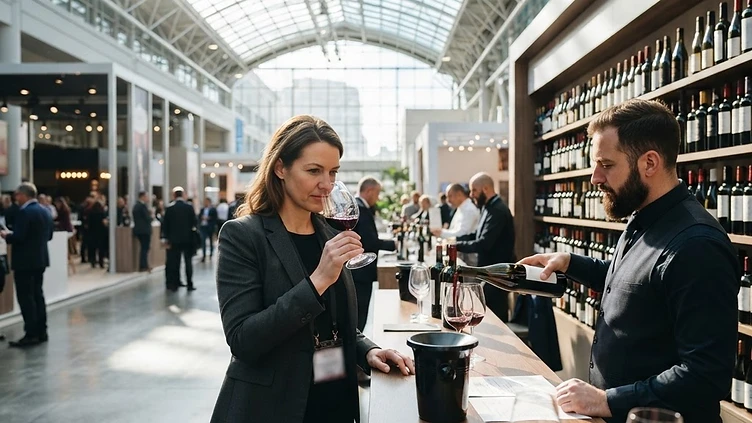
Interwine trade buyer data indicates a significant pivot among Chinese distributors toward high-end whisky, sake, and artisanal spirits, driven by evolving consumer demographics.
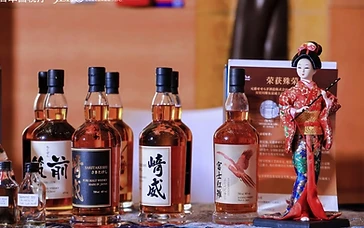
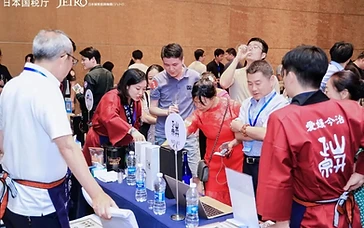
The Chinese spirits market is currently undergoing a structural evolution, shifting away from volume-based growth toward a refined, value-driven model. According to the latest survey of Interwine-registered buyers, there is a marked increase in demand for premium-tier international spirits. Chinese distributors, once primarily focused on mass-market staples, are now actively scouting for high-quality whisky, sake, and diverse craft spirits to fill the gaps in their portfolios. This shift is not merely speculative; it is a direct reaction to the rising sophistication of the Chinese middle class and the expansion of premium on-trade venues in tier-1 and emerging tier-2 cities. For international producers and global spirits brands, this trend represents a strategic opportunity to pivot from broad-market entry to targeted brand building in one of the world's most dynamic alcohol markets. The core of this transition lies in the emergence of a consumer base that values provenance, production methodology, and the exclusivity of craft-oriented offerings. Whisky remains a pillar of this premiumization, particularly single malts and small-batch expressions that allow for premium price positioning. Similarly, the interest in sake has expanded beyond traditional Japanese restaurants, finding favor in fusion dining and upscale social spaces. Craft spirits—ranging from artisanal gins and tequilas to specialized liqueurs—are gaining traction as cocktail culture matures across urban China. Understanding these dynamics is essential for any brand aiming to secure a foothold in the competitive Chinese distribution landscape. Distributors are increasingly looking for partners who can offer more than just a product; they are seeking brand stories, educational support, and marketing assets that resonate with local consumers. The rise of the experience-driven economy means that spirits are increasingly perceived as luxury lifestyle goods rather than just accompaniments to meals. This transformation is further supported by the proliferation of specialized cocktail bars and high-end liquor stores that serve as incubators for new trends. For international exporters, the recommendation is clear: invest in relationships with distributors who are aligned with the premium end of the market and prioritize long-term brand equity over immediate, high-volume transactions. Interwine remains committed to bridging these gaps by facilitating direct connections between global suppliers and Chinese buyers who are at the forefront of this market shift. In recent trade cycles, distributors have consistently noted that the ability to articulate a brand's unique history and production craft is a deciding factor in procurement decisions. This emphasis on 'storytelling' is crucial for categories like craft gin or boutique whisky, where the consumer experience is deeply tied to the narrative of the distillery. Beyond product quality, logistics and supply chain reliability remain critical concerns for Chinese distributors. As they move toward premium segments, the cost of inventory becomes higher, making the need for consistent supply and transparent communication with international exporters paramount. We are also seeing a change in how products are showcased. Traditional trade fairs have expanded their scope to include focused masterclasses, which now serve as primary touchpoints for distributors to understand the technical nuances of premium spirits. Retailers are also adopting new models, shifting from shelves stacked with conventional bottles to curated 'spirits galleries' that highlight provenance and limited production. The role of digital platforms in this transformation cannot be understated, as they allow for micro-targeting of consumers who are already inclined to purchase high-end products. Brand education, particularly via social media platforms popular in China, is no longer an optional add-on but a necessity for any brand aiming to achieve sustainable growth. Distributors are actively seeking brands that come with ready-to-use digital assets that can be adapted for the local market. Furthermore, sustainability and natural production methods are becoming secondary, yet important, value propositions for Chinese consumers who are increasingly health-conscious. For a distributor, these attributes serve as vital selling points that differentiate a product from the saturated market of mass-produced alternatives. As we look ahead, the demand for premium spirits is expected to continue its upward trajectory, influenced by a new generation of drinkers who are eager to explore global tastes. The task for international spirits companies is to align their global identity with the local palate while ensuring their distribution partners have the resources required to tell their story effectively. Through our upcoming events and business matching programs, Interwine will continue to facilitate the professional relationships that sustain this growth. By focusing on quality, education, and strategic partnership, global brands can successfully navigate the complexities of the Chinese spirits market, turning new demand into enduring commercial success. The current buyer feedback underscores a broader shift toward quality and distinctiveness, signaling that the time for premium spirits brands to establish a presence in the Chinese market is now, provided they approach it with a commitment to long-term market development and cultural relevance in the spirit of professional excellence.
Key Takeaways
- —Chinese distributors are shifting focus from mass-market volume to high-margin premium spirits.
- —Whisky, sake, and craft spirits are identified as the top categories for growth based on recent buyer insights.
- —The rise of premium on-trade venues is a primary driver for the diversification of liquor portfolios.
- —Brand storytelling and educational support are critical requirements for winning over Chinese distribution partners.
- —Long-term brand equity and sustainable supply chain partnerships are preferred over short-term volume deals.
- —Digital asset support and social media alignment are essential tools for successful product entry into the Chinese market.
Frequently Asked Questions
Which spirits categories are seeing the most growth in China according to Interwine?
According to the latest survey of Interwine-registered trade buyers, the categories experiencing the highest growth in interest are premium whiskies, sake, and a variety of craft spirits. These categories are being driven by a more sophisticated consumer base that is increasingly interested in provenance, unique production methods, and the lifestyle associations that come with high-end spirits.
What is driving the demand for premium spirits among Chinese distributors?
The primary drivers include shifting consumer preferences toward higher quality and distinctiveness, and the rapid expansion of premium on-trade venues such as high-end cocktail bars and upscale dining establishments. These environments are acting as hubs for brand discovery, leading distributors to curate portfolios that cater to a more experienced and discerning urban demographic.
What do Chinese distributors look for when partnering with international spirits brands?
Distributors are moving beyond simple product procurement to seeking strategic partnerships. Key requirements include comprehensive brand storytelling, educational support for staff, provision of localized digital marketing assets, and a commitment to long-term market development rather than just immediate volume sales.
How can international brands successfully enter the Chinese spirits market?
Success in the Chinese market requires a focus on professional relationship building. Brands should look for distributors aligned with the premium segment, invest in educational masterclasses to introduce their products to trade professionals, and ensure their logistics are reliable to maintain supply chain transparency in the premium sector.
Why is 'storytelling' so important for spirits in the Chinese market?
Storytelling is essential because premium consumers view spirits as lifestyle goods. The history of the distillery, the technical nuances of the production process, and the origin of the ingredients serve as key value propositions that help premium products stand out in a market otherwise saturated with conventional and mass-produced options.