How to Enter the China Wine Market
A commercial roadmap for international wineries on how to enter the China wine market, detailing GACC registration, tariff dynamics, distribution tiers, and targeted B2B matchmaking.
To enter the China wine market successfully today, international producers must move past transactional volume dumping and execute a structured, compliance-first route to market. Entering mainland China requires completing mandatory General Administration of Customs of China (GACC) facility registration, securing Chinese trademark rights prior to shipment, aligning pricing architecture across three-tier or direct-to-consumer digital channels, and vetting regional importers face-to-face. While aggregate import volumes have contracted from historical peaks, China remains one of the world’s most lucrative markets for premiumization, niche varietals, and digital alcohol commerce.
The Shift from Speculation to Sustainable Value
China's wine consumption landscape has undergone structural maturity. Historical market surges driven by speculative stockpiling and corporate gifting banquets have transitioned into rational, consumer-driven purchasing. Market data from Market Research Future in 2026 valued the China wine market at $18.85 billion in 2024, projecting expansion to $20.25 billion in 2025 and $41.25 billion by 2035 at a compound annual growth rate of 7.38%.
Concurrently, trade dynamics have recalibrated. Following the official removal of punitive anti-dumping tariffs on Australian wine in March 2024 by China's Ministry of Commerce—documented by MSA Advisory in 2024—the competitive landscape intensified as Australian brands re-entered bonded warehouses alongside established French, Chilean, Italian, and Spanish producers. However, importer inventory turnover remains disciplined. According to trade sentiment recorded in the ProWine International Business Report China conducted with Geisenheim University in 2025, over half of surveyed wine trade professionals anticipate stabilizing commercial conditions, but buyers prioritize established consumer turn rates, distinct brand narratives, and margin protection over unproven volume inventory.
Step 1: Navigating Customs, GACC, and Regulatory Clearance
Regulatory compliance in mainland China is non-negotiable. Administrative oversights at port entry lead directly to bonded warehouse demurrage, customs rejection, or mandatory destruction.
1. Overseas Production Enterprise Registration (Decree 248)
Under GACC Decree 248, in effect since January 2022, all foreign manufacturing, processing, and storage facilities of imported food and beverages—including wineries—must obtain an overseas enterprise registration number through the China Import Food Enterprise Registration platform (CIFER). Winemakers must register through their designated home-country competent authority or through the GACC single-window system depending on exact commodity categorization before dispatching shipments. The issued 18-digit registration number must appear on both inner and outer packaging alongside standard batch details.
2. Label Compliance Standards (GB 7718 and GB 2758)
All bottled wines entering commercial circulation must display a compliant Chinese back label adhering to National Food Safety Standards GB 7718 (General Rules for the Labeling of Prepackaged Foods) and GB 2758 (Standards for Fermented Alcoholic Beverages). Required label fields include:
- Standardized Chinese product name and wine style
- True alcohol by volume (ABV percentage tolerance within legal limits)
- Comprehensive ingredient listing (including water, grape must, and mandatory allergen/processing declarations such as sulfur dioxide)
- Country of origin, region, and vintage
- Importer and domestic distributor legal corporate name, address, and verified mainland contact details
- Storage instructions and mandatory health warnings ("Excessive drinking is harmful to health; pregnant women and minors should not drink")
3. Import Tariffs, Consumption Tax, and VAT
Wine imported into China incurs three distinct fiscal duties assessed sequentially on the landed Cost, Insurance, and Freight (CIF) value:
- Most-Favored-Nation (MFN) Customs Duty: Standard base rate is 14% (zero-rated for bilateral FTA partners such as Chile, New Zealand, and qualifying post-tariff Australian bilateral trade, subject to Rules of Origin verification).
- Consumption Tax: 10% ad valorem tax applied to imported alcoholic grape wines.
- Value-Added Tax (VAT): 13% statutory rate applied to the combined duty-inclusive and consumption-tax-inclusive CIF sum.
Calculating accurate landed cost models prevents wineries from mispricing stock or eroding distributor margin structures prior to customs handover.
Step 2: Mitigating Intellectual Property and Brand Squatting Risks
China operates under a strict "First-to-File" intellectual property trademark regime through the China National Intellectual Property Administration (CNIPA). A winery holding historic trademark rights in Europe, Australia, or the United States maintains no automatic legal standing in mainland China without a registered domestic trademark.
Dual Registration: Western and Chinese Phonetic Marks
Wineries entering China must proactively file trademark applications across Class 33 (alcoholic beverages) not only for their original Latin script brand name and estate crest, but also for their formal Chinese phonetic or semantic equivalent. If an overseas producer fails to officially designate and register a localized Chinese brand name, domestic distributors, gray-market parallel importers, or predatory squatters will register colloquial names (such as the historical case with iconic global brands). Resolving bad-faith registrations through trademark dispute boards or litigation often requires years of legal overhead and paralyzes container release.
Step 3: Selecting Your Route-to-Market Model
One of the most frequent strategic miscalculations overseas wineries make is granting exclusive national distribution rights to a single trading entity without verification of on-the-ground sales coverage. China is not a monolithic single market; it functions as a continent of fragmented regional sub-markets.
                 ┌──────────────────────────────────────────────┐
                 │   Overseas Winery / Brand Exporter           │
                 └──────────────────────┬───────────────────────┘
                                        │
         ┌──────────────────────────────┼──────────────────────────────┐
         ▼                              ▼                              ▼
┌──────────────────┐          ┌──────────────────┐          ┌──────────────────┐
│ Traditional Tier │          │ Direct-to-Trade  │          │ Cross-Border     │
│ National Importer│          │ Regional Partners│          │ E-Commerce (CBEC)│
└────────┬─────────┘          └────────┬─────────┘          └────────┬─────────┘
         │                             │                             │
         ▼                             ▼                             │
┌──────────────────┐          ┌──────────────────┐                   │
│ Provincial &     │          │ Premium HORECA & │                   │
│ Sub-Distributors │          │ Boutique Retail  │                   │
└────────┬─────────┘          └────────┬─────────┘                   │
         │                             │                             │
         └──────────────────────┬──────┴─────────────────────────────┘
                                ▼
                 ┌──────────────────────────────┐
                 │       Chinese Consumer       │
                 └──────────────────────────────┘
1. Master National Importers vs. Regional Sub-Distributors
National trading houses possess significant working capital and customs bonded facilities, but they maintain extensive portfolios. If a brand lacks initial market equity, it risks being shelved. Partnering with provincial or city-level specialized distributors—focused on high-consumption economic corridors like the Yangtze River Delta (Shanghai, Hangzhou, Ningbo), Greater Bay Area (Guangzhou, Shenzhen), or Chengdu-Chongqing economic circle—often yields higher volume commitment, direct restaurant and bar (HORECA) wine list placements, and transparent stock depletions.
2. Direct-to-Trade and Independent Specialty Retailers
Independent wine bars, fine-dining hospitality groups, and boutique regional cellars in Tier 1 and emerging Tier 2 cities increasingly seek direct, exclusive portfolio imports. These operators require smaller minimum order quantities (MOQs) but deliver consistent velocity, superior brand presentation, and protected price discipline away from mass discount wars.
3. Cross-Border E-Commerce (CBEC) and Omnichannel Digital Retailing
Domestic digital commerce in China represents the global benchmark for direct consumer access. Research published by China Briefing through International Wine and Spirits Research (IWSR) data projects China's alcohol e-commerce segment to expand at a 6% compound annual rate through 2027, commanding approximately 40% of the world’s online alcohol sales share. Platforms such as Tmall, JD.com, and social commerce ecosystems like Douyin (TikTok) and Xiaohongshu (RED) serve as pivotal channels for direct brand education, livestream masterclasses, and consumer conversion. While Cross-Border E-Commerce provides simplified entry without standard Chinese back-label domestic filings, long-term commercial scale still requires clearance for normal general-trade domestic warehousing.
Step 4: Product Portfolio Localization and Channel Pricing
Exporting an identical domestic price sheet and packaging format into China rarely generates long-term B2B partnerships. Trade buyers evaluate portfolios against distinct margin thresholds and consumption occasions:
- Price Tier Differentiation: The mid-to-high tier segment (150 RMB to 400 RMB retail shelf price) exhibits strong resilience among middle-class urban professionals seeking lifestyle quality. Commercial entry-level offerings below 60 RMB face margin erosion from rising logistics and competitive local domestic wines from Ningxia and Xinjiang.
- Color and Style Segmentation: While red wine continues to maintain primary market share due to culinary habits and cultural preference, dry white wines, refreshing coastal styles, and sparkling wines are experiencing accelerating demand among younger urban female demographics across southern China’s coastal metropolises.
- Packaging and Form Factor: Outer packaging must withstand long-haul transit and match commercial gifting expectations. Embossed capsules, heavyweight bottles, verified cork closures, and presentation cartons are critical for gift, corporate banquet, and festival occasions.
Step 5: Trade Validation and Direct Buyer Sourcing
Contracting viable Chinese distribution cannot be achieved remotely over email correspondence. Chinese wine distributors, corporate buyers, and HORECA procurement managers conduct business on relationships (guanxi), physical tasting evaluation, and face-to-face commercial negotiation.
Vetting Potential Importer Profiles
Prior to signing sales contracts, verify that prospective import partners possess:
- A valid Customs Declaration Registration Certificate and prepackaged food import-sales enterprise filing.
- Temperature-controlled warehousing facilities in bonded and domestic zones to prevent heat damage during humid summer months.
- Transparent downstream distribution networks, including dedicated on-trade sales representatives or sub-distributor agreements.
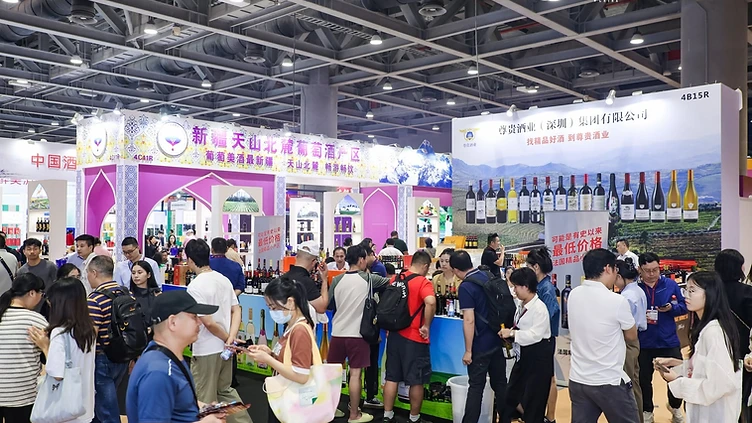
International wineries expanding their presence should leverage established trade exhibitions like Interwine to review current market conditions via Market Insights and engage verified procurement buyers directly through specialized Business Matching services. Utilizing structured commercial matching ensures meetings are curated specifically with pre-screened importers, regional wholesalers, and hotel chains seeking precise geographical origins and price segments.
Producers seeking broad China-wide brand activation can formally Become an Exhibitor to build multi-province trade connections and accelerate container order commitments.
Conclusion
Entering the China wine market in 2026 demands strategic discipline, rigorous regulatory adherence, and localized channel allocation. By completing GACC registration early, securing Chinese-language trademarks, avoiding broad non-performing exclusivity terms, and engaging qualified regional trade partners face-to-face, overseas estates can construct an enduring, profitable commercial foundation across the world's most dynamic wine consumer base.
Sources
- Market Research Future (MRFR), China Wine Market Size, Share, Industry Trend & Analysis Research Report: Forecast to 2035 (2026), https://www.marketresearchfuture.com/reports/china-wine-market-44526
- MSA Advisory, Wine Market in China: Trends, Growth, and Consumer Behavior (2024), https://msadvisory.com/wine-market-in-china
- China Briefing / Dezan Shira & Associates, China’s Wine Market Outlook: Trends and Opportunities (2025), https://www.china-briefing.com/news/chinas-wine-market-outlook-trends-and-opportunities/
- Anderson, K., Cambridge Core / Journal of Wine Economics, China’s wine market: Recent shocks, long-term prospects (2025), https://www.cambridge.org/core/journals/journal-of-wine-economics/article/chinas-wine-market-recent-shocks-longterm-prospects/E6B6F8B046CEA34C52282747311389C2
Key Takeaways
- —Facility registration with the General Administration of Customs of China (GACC) under Decree 248 is mandatory for all imported wine before arriving at port.
- —China enforces a strict 'First-to-File' trademark rule; brands must secure both Latin-alphabet and Chinese phonetic names prior to export.
- —The total import tax liability comprises Most-Favored-Nation Customs Duty, 10% Consumption Tax, and 13% VAT calculated consecutively on CIF value.
- —Relying on a single exclusive national importer often hinders growth; working with regional distributors in economic corridors yields superior market penetration.
- —Online alcohol sales via platforms like Tmall, JD.com, and Douyin command roughly 40% of global alcohol e-commerce share, necessitating an omnichannel strategy.
- —Face-to-face commercial evaluation and curated B2B business matching remain essential to verify importer credentials and finalize sales agreements.
Frequently Asked Questions
What mandatory certifications are required to export wine to China?
Overseas wineries must complete enterprise registration through the General Administration of Customs of China (GACC) CIFER single-window system under Decree 248. Each commercial shipment must also include an official Certificate of Origin, Certificate of Analysis/Sanitary Certificate issued by the exporting nation's competent authority, commercial invoices, packing lists, and pre-approved Chinese back labels compliant with GB 7718 and GB 2758.
How are wine import duties and taxes calculated in China?
Import taxes are applied sequentially to the CIF (Cost, Insurance, and Freight) value: a base Customs Duty (standard Most-Favored-Nation rate is 14%, or 0% under qualifying free trade agreements), a 10% ad valorem Consumption Tax, and a 13% Value-Added Tax (VAT). The cumulative effective tax rate on standard MFN wine generally ranges around 43% to 48% depending on exact classification.
Why is a Chinese phonetic trademark necessary?
China enforces a first-to-file trademark system. If an international estate registers only its Latin-script name, third parties or distributors may register the transliterated or colloquial Chinese name. Securing both Western and Chinese phonetic trademarks under Class 33 prevents trademark squatting and ensures long-term legal control over domestic marketing and distribution.
Should overseas wineries sign exclusive national distribution contracts in China?
In most circumstances, granting broad national exclusivity to a single importer creates commercial risk unless the partner demonstrates massive proven distribution infrastructure and commits to firm volume guarantees. Dividing distribution rights among regional partners across key hubs—such as the Yangtze River Delta, Greater Bay Area, and southwest China—typically produces superior retail visibility and active stock movement.
How can wineries find and verify reliable Chinese wine importers?
Wineries should verify that prospective partners possess valid Chinese business licenses, customs declaration registrations, and food circulation permits, alongside inspecting their temperature-controlled warehouse capacity. Participating in professional trade exhibitions like Interwine and scheduling targeted business matching meetings provides vetted, face-to-face access to legitimate distributors, retail buyers, and HORECA procurement managers.