Organic Wine Market in China
A commercial roadmap for wine producers and distributors targeting the organic wine market in China. Learn compliance hurdles, SAMR certification, and distribution channels to maximize trade ROI.
The organic wine market in China represents one of the fastest-accelerating value segments in Asia's premium beverage industry. While overall imported wine volume has recalibrated across mainland China, commercial data demonstrates resilient double-digit expansion for certified and sustainable labels. According to market research published by Grand View Research (2026), the organic wine market in China is projected to reach USD 976.0 million by 2033, expanding at a compound annual growth rate (CAGR) of 10.1% from 2026 to 2033.
For international wineries, brand principals, and regional distributors, this category delivers substantial pricing power and insulation from mass-market commoditization. However, navigating mainland China’s organic sector requires strict operational discipline. Foreign producers cannot simply export European Union (EU) Organic, USDA Organic, or Australian certified wines and place them on Chinese retail shelves with organic claims intact. Success demands an understanding of China’s non-reciprocal regulatory framework, evolving consumer demographics, tailored channel selection, and face-to-face buyer engagement.
Market Dynamics: Shifting from Status Gifting to Conscious Consumption
Historically, imported wine consumption in tier-1 Chinese metropolises (Shanghai, Beijing, Shenzhen, and Guangzhou) relied heavily on corporate gifting and classic European appellations. Research in Frontiers in Sustainable Food Systems (2025) highlighted that consumer demand for sustainable and organic wines in China is bifurcating into two distinct purchase scenarios: self-consumption among younger, wellness-minded demographics, and elevated, eco-conscious gift-giving among affluent urban professionals.
Additional trade dynamics tracked by Fortune Business Insights (2026) identify China and Japan as primary regional growth engines, propelled by urban affluence, rising female purchasing power, and evolving lifestyle aspirations. The trade environment is also stabilizing structurally; following China's official removal of anti-dumping duties on Australian wine in March 2024 (which previously peaked at 218.4%), category competition has diversified across Chilean, French, and Australian origins, according to trade import tracking by MSA Advisory (2026).
Concurrently, data from the ProWine China & Geisenheim University Business Report (2025) indicates that over 50% of surveyed trade professionals anticipate improved commercial conditions. However, the report emphasizes a fundamental marketing evolution: Chinese buyers increasingly reject traditional Western status messaging, favoring brands that weave authentic, localized storytelling around wellness, clean terroir, and modern lifestyle integration.
The SAMR Regulatory Bottleneck: What Producers Must Know
The central obstacle for foreign wineries targeting the organic wine market in China is certification governance. Administered by the State Administration for Market Regulation (SAMR) and the Certification and Accreditation Administration of the People's Republic of China (CNCA), China enforces its own National Standard for Organic Products (GB/T 19630).
Non-Equivalence and Strict Labeling Restrictions
China does not maintain broad mutual recognition agreements for organic certification with the European Union, the United States, or Australia. A documented exception exists for New Zealand under a mutual recognition agreement ratified in 2016, as noted by industry trade analyses in Vino Joy News (2024).
For all other origins:
- Foreign organic certifications (such as Agriculture Biologique, USDA Organic, or Demeter biodynamic seals) are not legally recognized as "Organic" (有机 - Yǒujī) within mainland customs territory.
- Any wine imported without domestic CNCA-accredited certification must have foreign organic terms covered, blacked out, or removed from physical front and back labels prior to commercial customs clearance. Non-compliance results in severe customs quarantine delays or rejected shipments at key ports like Huangpu or Shanghai.
- The term 有机 cannot be featured in Chinese-language technical data sheets, back labels, or commercial marketing copy unless full national certification is acquired.
Certification Costs and Audit Realities
Securing formal Chinese organic accreditation requires an on-site physical audit of both the vineyard and production facilities by certified Chinese inspectors. According to industry analysis by Vino Joy News (2024), wineries face a three-year transition tracking period alongside annual inspection fees frequently exceeding RMB 30,000, plus international airfare and accommodation expenses for Chinese audit teams.
Consequently, international estates face a critical strategic fork in the road:
- The Official Certification Route: Underwrite Chinese organic certification to target high-end retail chains (such as Sam’s Club China, Ole’, or City'super), where displayed organic labels justify 20% to 40% retail price premiums.
- The Terroir and Sustainability Route: Maintain overseas certifications, import under standard table wine categories, and educate consumers through high-touch hospitality channels via concepts of minimal-intervention, natural viticulture, and low-sulfite processing without using the official word 有机 on Chinese packaging.
Commercial Distribution Channels for Organic Wine in China
Channel execution determines gross margin resilience. In China, commercial distributors and brand managers divide the market into three core commercial vectors:
                                [PRODUCER / BRAND]
                                        │
         ┌──────────────────────────────┼──────────────────────────────┐
         ▼                              ▼                              ▼
[Specialty Retail & Club]    [On-Trade & Natural Bars]     [Curated Social Commerce]
 - Sam's Club, Ole', Hema     - Bistro culture (Tier 1)    - WeChat Mini-programs
 - Demands CNCA *有机* mark   - Natural wine lists         - Douyin / Xiaohongshu (RED)
 - Volume stability           - High sommelier influence   - Direct brand storytelling
1. Membership Clubs and Premium Supermarkets
Chains such as Sam's Club, Costco, Hema Fresh, and Ole' have emerged as the dominant volume engines for officially certified organic wines. These retailers demand consistent container-scale volume, competitive FOB pricing, and strict CNCA organic compliance. Their consumer base consists primarily of urban families willing to pay for perceived food safety, clean production, and authentic provenance.
2. The Independent On-Trade and Concept Wine Bars
In primary metropolitan hubs like Shanghai, Chengdu, Shenzhen, and Hangzhou, independent concept bars and modern bistros have embraced low-intervention, biodynamic, and organic wines. In these venues, formal SAMR certification is less critical than the producer's authentic narrative. Sommeliers and beverage directors act as brand gatekeepers, curating wine lists based on organic viticulture, wild fermentation, and sustainable heritage. Producers seeking more industry trend analysis can review our Market Insights section.
3. Digital Direct-to-Consumer and Niche Social Commerce
E-commerce platforms like Xiaohongshu (RED) and WeChat Mini-Programs have become prime discovery hubs for China’s younger demographic. These platforms prioritize visual lifestyle storytelling, regenerative agriculture, and zero-additive narratives. However, online advertising algorithms monitor health claims rigorously; digital storefronts must avoid false organic claims if CNCA credentials are not on file.
Commercial Strategy: How Category Exporters Secure Qualified Importers
Scaling an organic wine brand in mainland China requires moving past speculative cold outreach to structured B2B channel activation:
- Conduct Pre-Clearance Portfolio Audits: Before shipping samples, assess whether your commercial volume justifies an annual Chinese organic audit. If not, redesign Chinese-language back labels to emphasize estate bottling, old vines, and regional sustainable certifications without using non-compliant organic keywords.
- Establish Clear Commercial FOB Bands: Importers must absorb localized labeling, logistics, and compliance costs. Build distributor agreements that protect price elasticity across on-premise dining and digital channels.
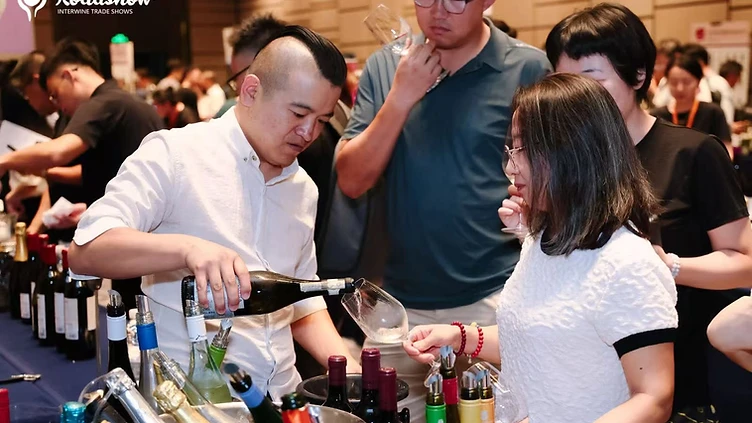
- Meet Importers Directly on the Ground: Chinese wine importers rarely commit to new agency contracts without in-person tastings and relationship building. High-value negotiations occur at professional trade exhibitions designed for commercial deal-making.
Producers seeking established tier-1 and tier-2 distribution partners across China’s commercial trade centers can accelerate market entry when they Become an Exhibitor at upcoming events. Through targeted buyer attendance and structured Business Matching services, overseas wineries connect directly with vetted national distributors, luxury hotel procurement heads, and specialty retail buyers actively expanding their organic portfolios.
Sources
- Grand View Research: China Organic Wine Market Size & Outlook (2026-2033)
- Fortune Business Insights: Organic Wine Market Size, Share, Trends, Report (2026)
- Frontiers in Sustainable Food Systems: Sustainable Wine Preferences in China (2025)
- MSA Advisory: Wine Market in China Trends, Growth, and Consumer Dynamics (2026)
- Vino Joy News: China's Untapped Organic Wine Market: High Demand Meets High Barriers (2024)
Key Takeaways
- —The organic wine market in China is projected by Grand View Research (2026) to expand at a 10.1% CAGR, reaching USD 976.0 million by 2033.
- —China enforces its own GB/T 19630 organic standard under SAMR/CNCA; foreign organic seals (EU, USDA) are not legally recognized on shelves without domestic certification, except for New Zealand under its 2016 mutual recognition agreement.
- —Wineries importing without Chinese organic certification must remove or cover foreign organic terminology on labels to prevent customs detentions at major ports.
- —B2B sales channels are split between formal retail chains (Sam's Club, Ole') requiring national organic seals, and independent on-trade bistros prioritizing sustainable storytelling.
- —Direct in-person engagement with qualified distributors via platforms like Interwine remains essential for negotiating long-term import contracts in mainland China.
Frequently Asked Questions
Does China recognize European Union or USDA organic certifications for imported wine?
No. Under SAMR and CNCA regulations, China does not maintain mutual recognition of organic viticulture standards with the European Union, the United States, or Australia. Foreign organic logos and wording cannot legally appear on products sold in China without domestic GB/T 19630 accreditation. New Zealand is the sole major wine exporter with a mutual organic recognition agreement ratified with China (2016).
What is the projected market size of the organic wine market in China?
According to Grand View Research (2026), the organic wine market in China is forecast to reach USD 976.0 million by 2033, growing at a compound annual growth rate (CAGR) of 10.1% between 2026 and 2033.
What happens if a wine arrives at Chinese customs with an uncertified organic label?
If wine bottles display foreign organic certifications or use the Chinese character for organic (有机) without official CNCA certification, customs authorities at ports such as Huangpu or Shanghai will detain the shipment. Importers are required to re-label, over-sticker, or remove all organic claims before goods can clear customs, which incurs significant administrative fees and demurrage delays.
Which distribution channels in China yield the best returns for organic wine producers?
High-volume sales are concentrated in premium warehouse clubs and supermarkets (such as Sam’s Club and Ole') which require CNCA organic certification. Conversely, independent on-trade venues, natural wine bars, and high-end bistros in tier-1 cities like Shanghai and Shenzhen welcome minimal-intervention and biodynamic wines based on terroir narrative and sommelier hand-selling, without mandating national Chinese organic certification.
How can international organic wine producers find verified importers in China?
Producers should participate in specialized trade fairs, utilize structured B2B matchmaking programs, and display their portfolio directly to vetted trade buyers. Exhibiting with established platforms like Interwine allows international wineries to build direct relationships with licensed importers and major retail category managers across China.