How Wine Producers Can Meet Chinese Buyers
A commercial B2B guide for international wine producers and export directors on how to identify, vet, and meet qualified Chinese wine buyers, navigate GACC compliance, and convert trade fair meetings into long-term distribution.
For international winery export directors, discovering how wine producers can meet chinese buyers requires a fundamental operational reset. The Chinese wine landscape is no longer driven by speculative container orders or state-backed banquets. As noted in research from Wine Australia (2026), mainland China's wine market is experiencing a profound structural reset away from formal business entertainment toward casual, intentional drinking occasions and value-driven premiumization.
Connecting with authentic distributors in mainland China requires an intentional hybrid strategy: rigorous customs compliance, direct trade fair matchmaking, intellectual property protection, and an understanding of multi-tiered regional distribution. Overseas wineries that approach China with an informed, compliance-ready framework can establish dependable, high-yield commercial partnerships.
Understanding the Modern Chinese Wine Importer Landscape
To identify and engage qualified buyers, wine producers must first understand who actually buys wine in China today. The importer landscape has fragmented beyond the traditional national state-owned trading conglomerates into specialized, commercially agile tiers.
1. Multi-Regional First-Tier Importers
These major trading houses operate primary customs clearance hubs in Tier-1 logistics centers (Guangzhou, Shanghai, Shenzhen, and Ningbo). They maintain established bonded warehouse networks and service large modern off-trade supermarket chains, corporate gift clients, and sub-distributors across multiple provinces. While they possess substantial capital, they demand high marketing support, strict margin concessions, and proven international brand prestige.
2. Specialized On-Premise & Boutique Wholesalers
Targeting high-end dining, boutique hotels, and modern wine bistros in cities like Shanghai, Chengdu, and Hangzhou, these importers focus on terroir, biodynamics, unique varietals, and story-driven boutique estates. According to China Briefing (2025), changing consumer profiles are rewarding brands that demonstrate distinct identity, clear educational programs, and regional authenticity.
3. E-Commerce Operators and Livestream Agencies
IWSR projections cited by China Briefing (2025) indicate that China’s alcohol e-commerce channel is expanding at a compound annual growth rate (CAGR) of 6% through 2027, representing approximately 40% of the world’s online alcohol market. Online wine merchants operating via JD.com, Tmall, Douyin, and WeChat Mini Programs seek high-turnover wines with eye-catching packaging, recognizable regional indications, and rapid fulfillment capability.
4. Regional Sub-Distributors in Tier-2 and Tier-3 Cities
With cost pressures in mega-cities, substantial commercial growth has shifted toward dynamic provincial capitals such as Wuhan, Changsha, and Chongqing. Regional distributors in these territories often seek direct commercial access to foreign producers to bypass Tier-1 coastal trading markups.
The Pre-Requisites: Preparing Your Brand for Chinese Buyers
Chinese importers routinely reject overseas wineries because producers fail basic regulatory and market-readiness thresholds before initiating contact. You must establish operational readiness before booking meetings.
GACC Producer Registration (Decree 248)
Since January 1, 2022, the General Administration of Customs of the People's Republic of China (GACC) enforces Decree 248, mandating that all overseas food and beverage manufacturing, processing, and storage facilities register through the official Single Window platform (CIFER). As detailed by the EU SME Centre (2024), without a valid GACC 18-digit registration number, commercial shipments cannot clear Chinese customs. This registration code must also be printed on your inner and outer packaging.
Dual-Language Technical and Regulatory Compliance
Chinese mandatory labeling standards (GB 7718 and GB 15037) require specific information on the back label in simplified Chinese, including:
- Legal product name (e.g., 干红葡萄酒 - Dry Red Wine)
- Full ingredient list and food additives (notably sulfur dioxide declaration)
- Alcohol by volume (ABV)
- Net volume
- Production and bottling date
- Country of origin
- Importer/distributor name, address, and Chinese telephone contact
- Mandatory health warnings (e.g., warning against underage drinking and drinking during pregnancy)
Trademark and Chinese Brand Name Registration
China adheres strictly to a "first-to-file" intellectual property legal doctrine. Exporters must register both their original Latin-character brand name and their localized simplified Chinese phonetic and conceptual trademark with the China National Intellectual Property Administration (CNIPA) before sending commercial samples. A tailored Chinese brand name is critical to building consumer trust and preventing trademark squatting.
The 4 Primary Channels to Meet Qualified Chinese Wine Buyers
Building commercial partnerships requires combining physical face-to-face evaluation with direct commercial outreach.
1. In-Person Professional B2B Wine Trade Exhibitions
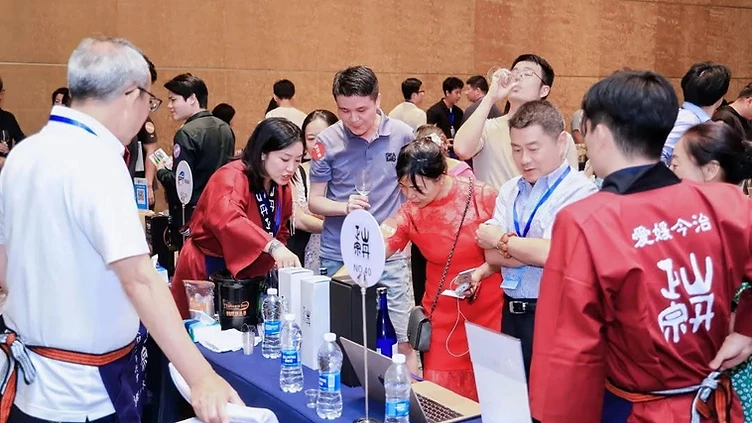
In China's business culture, tasting the liquid and meeting executive leadership face-to-face remain irreplaceable for closing high-value distribution agreements. Generic multi-industry expos rarely yield focused commercial buyers. Professional wine trade platforms like Interwine bring verified importers, regional distributors, sommeliers, and purchasing directors together under one roof. Producers can explore participating as an exhibitor by reviewing options to become an exhibitor to secure direct commercial interactions in key logistics hubs like Guangzhou and the Greater Bay Area.
2. Pre-Scheduled Curated B2B Matchmaking Sessions
Walking up to unvetted buyers at large open conventions can result in wasted sampling budgets. Utilizing structured business matching services allows wineries to pre-screen importers based on portfolio gaps, regional coverage, creditworthiness, and annual purchase volumes. These structured meetings pair your specific price point and varietal mix with buyers seeking those exact categories.
3. Industry Association Roadshows and Trade Missions
National and regional promotional bodies—such as Wine Australia, Business France, and Wines of Portugal—regularly coordinate masterclasses and multi-city tasting roadshows. Participation in these initiatives offers immediate third-party credibility and cost sharing, though wineries still face internal competition alongside regional peers.
4. Digital B2B Outreach and Social Trade Networking
In mainland China, standard corporate email outreach produces remarkably low response rates. Professional business communication, preliminary catalog distribution, and pricing inquiries happen primarily on WeChat. Wineries entering the market should create a verified bilingual corporate WeChat account, host accessible digital spec sheets, and monitor sector-specific digital channels to track distribution leads.
Critical Shift: Aligning Your Portfolio with Current Market Demand
To successfully secure an importer, wineries must align their export strategy with evolving Chinese consumer demographics. As Wine Australia's market analysis (2026) demonstrates, purchasing behaviors have diversified:
| Portfolio Category | Current Commercial Status in China | Best Suited Buyer Channel | | :--- | :--- | :--- | | Full-Bodied Dry Reds (Cabernet/Shiraz) | High baseline volume; highly competitive; traditional market staple | Tier-1 wholesale and regional gift channels | | Crisp White Wines (Riesling, Sauvignon Blanc, Chardonnay) | Rapidly growing; preferred by female consumers and for regional spicy cuisine | On-premise dining, boutique merchants, Tier-1 wine bars | | Sparkling & Champagne | Sustained interest among urban Gen Z and lifestyle spenders | Nightlife, high-end hospitality, boutique retail | | Organic, Biodynamic & Low-Intervention | Emerging niche with high price elasticity among educated consumers | Tier-1 specialized wine bars and modern lifestyle e-commerce |
For ongoing updates on shifting import patterns and varietal performance, export directors can consult verified market insights.
Step-by-Step Vetting Framework for Prospective Importers
Not every company that requests a container quotation possesses the capacity to move it. Before signing commercial agreements or granting exclusivity, evaluate candidates against this operational checklist:
[ ] Valid Business License & Customs Registration
    - Verify Chinese business license (营业执照) on the National Enterprise Credit Information Publicity System.
    - Confirm active Customs Registration (CR) Code for importing alcohol.

[ ] Cold-Chain & Climate-Controlled Warehousing
    - Inspect storage conditions; temperatures in southern China easily exceed 35°C in summer.

[ ] Established Downstream Distribution Footprint
    - Does the buyer distribute directly to off-trade/on-trade, or are they a trading intermediary reliant on sub-dealers?

[ ] Regional vs. National Scope
    - Avoid granting nationwide exclusive rights to an importer whose distribution is confined to one province.

[ ] Brand Investment & Co-Marketing Willingness
    - Confirm how the importer co-finances sample shipping, masterclasses, localized collateral, and digital presence.
Navigating Cultural Nuance and Commercial Negotiations (Guanxi)
Closing deals with Chinese wine distributors requires navigating local business practices:
- Build Trust Through Long-Term Commitment: Chinese buyers are wary of foreign brands that enter the market briefly to dump surplus stock. Demonstrating continuous market presence, visiting China regularly, and hosting educational events builds lasting guanxi (business trust).
- Exclusivity Demands Caution: Importers often demand exclusive national distribution during preliminary talks. Structure contracts with clear, milestone-driven minimum purchase quantities (MOQs). If quarterly performance thresholds are not achieved, national exclusivity should automatically convert to non-exclusive or regional territory status.
- Payment Security: For new trade relationships, foreign wineries should insist on secure payment terms: an upfront deposit (typically 30% to 50% upon purchase order) with the balance payable against the bill of lading before customs release, or an irrevocable, confirmed Letter of Credit (L/C) at sight.
Conclusion & Commercial Action Plan
Expanding your wine distribution into mainland China remains one of the most rewarding commercial ventures in the global beverage sector. However, speculative sample-mailing and generic cold outreach are no longer effective. Success requires obtaining your GACC registration, securing your Chinese trademark, vetting regional distribution partners, and meeting decision-makers directly at professional trade gatherings.
Winery commercial directors planning their annual export program should consider securing their presence at upcoming industry conventions. Take the next operational step by choosing to become an exhibitor at Interwine, connecting your estate directly with qualified Chinese wine buyers, sommeliers, and importers across the country.
Sources
- Wine Australia - Market Bulletin Issue 359: Rebooting the Chinese Wine Market (2026)
- China Briefing - China’s Wine Market Outlook: Trends and Opportunities (2025)
- EU SME Centre - How Can I Export Wine to China? (2024)
- U.S. Alcohol and Tobacco Tax and Trade Bureau (TTB) - Wine Export to China Regulatory Guide (2026)
Key Takeaways
- —Meeting verified Chinese wine buyers requires a targeted strategy combining professional trade fairs, structured B2B matchmaking, and direct engagement.
- —Prior to entering China, foreign producers must secure GACC facility registration under Decree 248 and register both Latin and Chinese brand trademarks.
- —The Chinese wine import market is undergoing a structural shift toward casual dining, intentional consumption, and rising demand for white and sparkling wines.
- —Avoid granting immediate national exclusivity to new partners; deploy performance-based territorial agreements with clear minimum order quantities (MOQs).
- —Digital communication and sample requests in China occur predominantly on WeChat rather than conventional email channels.
Frequently Asked Questions
What mandatory customs registration is required before exporting wine to China?
Under GACC Decree 248, every overseas winery and bottling facility must register through the official CIFER Single Window platform to obtain an 18-digit GACC registration number before goods arrive at Chinese customs.
Where is the best place for overseas wine producers to meet qualified Chinese buyers?
The most effective setting is professional B2B wine trade exhibitions and curated business matching forums in major commercial hubs, such as Interwine in Guangzhou, where verified distributors and retail purchasers convene.
Should a winery grant national exclusivity to a Chinese wine distributor?
It is generally advisable to start with regional distribution rights or link national exclusivity to strict, quarterly minimum order quantity (MOQ) milestones to prevent underperformance across other provinces.
How important is a Chinese trademark for imported wine brands?
Crucial. China operates under a strict first-to-file trademark system. Exporters must register both their original Latin brand name and a localized Chinese trademark with CNIPA before shipping commercial stock.
Which wine categories are experiencing rapid growth among Chinese buyers?
While dry red wines retain significant volume, crisp white wines, sparkling varieties, and organic/biodynamic wines are experiencing strong demand, especially among female consumers and modern urban diners.