How to Sell Wine to Chinese Hotels and Restaurants
Master the commercial realities of selling wine to Chinese hotels and restaurants (HoReCa). Learn how to navigate GACC compliance, pricing tiers, sommelier pitch requirements, and trade fair matching.
To sell wine to Chinese hotels and restaurants (HoReCa) successfully, foreign wine producers must shift away from broad consumer marketing and align directly with the operational needs of licensed Chinese importers, national distributors, hotel food and beverage (F&B) directors, and restaurant sommeliers. China's hospitality sector does not import wine directly from international estates; by law and commercial practice, it procures inventory through licensed domestic trading entities that navigate customs clearance, food safety compliance, warehousing, and local billing.
According to data from the General Administration of Customs China (GACC), China's total wine import value stood at approximately $1.4 billion in 2025. While overall volumes have contracted from historical highs, the average import price rose to $6.86 per liter in 2025—an increase of 22 percent year-on-year—demonstrating a decisive market shift toward premiumization, targeted curation, and higher-margin pours in top-tier dining establishments. To capture this segment, international wineries must understand the HoReCa procurement structure, regulatory prerequisites, pricing mechanics, and relationship-driven distribution networks that govern the market.
Understanding the Chinese HoReCa Procurement Landscape
The Chinese on-premise dining ecosystem divides into three distinct tiers, each with differing commercial requirements, volume capabilities, and margin profiles:
1. Five-Star International Hotel Groups
Chains such as Marriott International, Accor, Hyatt, and Shangri-La operate through strict vendor procurement lists. Master purchasing agreements are frequently coordinated at the national or regional headquarters level, but individual property Head Sommeliers and F&B Directors maintain considerable autonomy over their seasonal "By the Glass" (BTG) programs, banquet house pours, and specialty wine lists. These venues require dependable vintage continuity, professional credit terms (typically 60 to 90 days), and full bilingual technical support.
2. High-End Western Dining, Steakhouses, and Modern Bistros
Concentrated primarily in Tier-1 metropolises (Shanghai, Beijing, Shenzhen, Guangzhou) and rising New Tier-1 cities (Chengdu, Hangzhou, Wuhan), modern independent dining rooms prioritize discovery, boutique credentials, organic or low-intervention viticulture, and gastronomic versatility. According to reporting by Vino Joy News (2025), high-end independent restaurants face widespread consumer Bring-Your-Own-Bottle (BYOB) habits, compelling sommeliers to list distinctive labels unavailable on mass retail or discount e-commerce platforms to justify dining markups.
3. Upscale Regional Chinese Dining (Yongfu, High-End Cantonese, Huaiyang)
Regional fine dining rooms represent the largest revenue opportunity by transaction size. While historical banquet traditions favored baijiu, modern executive private dining rooms increasingly curate high-end wine programs. Lighter, aromatic whites (such as dry Riesling, Sauvignon Blanc, and unoaked Chardonnay) and elegant, lower-tannin reds (such as Pinot Noir and Grenache) pair exceptionally well with regional umami profiles, seafood banquets, and delicate poultry preparations.
Regulatory Gateways: GACC and CIQ Compliance
A foreign winery cannot approach a sommelier in China without establishing an import pipeline that clears China's strict customs and food safety regulatory framework. The EU SME Centre (2024) highlights several non-negotiable compliance checkpoints before bottles can be placed in bonded or domestic warehouses:
- Mandatory GACC Exporter Registration (Decree 248): All foreign food and alcoholic beverage manufacturing and processing facilities must be officially registered on China's Single Window platform (CIFER) managed by the General Administration of Customs China (GACC). Goods arriving from unregistered cellars are denied port entry.
- Compliant Chinese Back-Labels: Imported bottles must display a compliant Chinese label—affixed before domestic inspection—containing legal product classification, alcohol by volume (ABV), complete ingredient disclosures (such as sulfur dioxide alerts), country of origin, shelf-life or bottling date, and Chinese importer/distributor entity credentials.
- Tariff and Customs Documentation: Standard Most-Favored-Nation (MFN) import tariffs generally range from 14% to 30%, according to MS Advisory (2025), accompanied by a 10% Consumption Tax and a 13% Value-Added Tax (VAT). For countries with active Free Trade Agreements (FTAs) like Chile, tariff concessions apply, while Australian producers saw punitive anti-dumping duties formally lifted in March 2024, as confirmed by China Briefing (2025).
Because hotel corporate procurement teams only issue purchase orders against official Fapiao (special VAT tax invoices), your wines must be physically imported and held by a Chinese trading partner capable of domestic fulfillment.
The HoReCa Commercial Architecture: Pricing, Margins, and Listing Fees
Selling into Chinese hospitality establishments requires calculating landed distribution margins with extreme precision. The journey from cellar door to dining table features distinct markups:
- FOB to Landed Duty-Paid (LDP): Ocean freight, insurance, port handling, inspection fees, and China's compound tax structure (Tariff + Consumption Tax + VAT) typically multiply the baseline FOB price by roughly 1.45 to 1.60.
- Importer/Distributor Margin: Importers and regional sub-distributors servicing HoReCa operate on gross margins between 25% and 40% to cover temperature-controlled warehousing, cold-chain transport, and extended credit terms.
- Restaurant and Hotel Markups: Fine dining restaurants usually mark up bottle prices by 2.5x to 4x above wholesale cost, whereas high-volume banquet house wines operate on tighter multiples (1.8x to 2.2x).
Winery export directors must protect price integrity. If a hotel sommelier discovers that the exact vintage offered at 580 RMB on their wine list is selling on public e-commerce platforms (such as Douyin or Taobao) for 99 RMB, they will de-list the label immediately. Ensuring on-premise exclusivity or channel-specific SKUs is paramount.
Furthermore, luxury hotels often negotiate commercial incentives, including:
- Listing Fees and Annual Pouring Allowances: Cash rebates, annual volume bonuses, or marketing support funds.
- Free Goods ("Buy-10-Get-1" or "Buy-5-Get-1"): Commonly requested to fund house glass programs or sommelier training samples.
- Credit Periods: Hospitality venues rarely pay cash on delivery. Standard settlement windows range from 60 to 90 days, requiring importers to possess solid cash flow.
Equipping Chinese Sommeliers and F&B Buyers
Sommeliers in China's cosmopolitan hubs are globally educated, frequently holding advanced WSET or Court of Master Sommeliers credentials. To win their placement, wineries must provide actionable selling tools rather than generic marketing brochures:
- Digitized Bilingual POS Collateral: Professional tech sheets in Simplified Chinese and English detailing terroirs, vinification techniques, residual sugar, acidity metrics, and precise food-pairing narratives.
- Food Pairing Maps for Regional Cuisines: Demonstrate how your wine complements authentic local culinary traditions (e.g., Cantonese roast meats, Sichuan numbing spice, or hairy crab) rather than traditional European dishes.
- Staff Incentive and Masterclass Support: Chinese restaurant servers often receive small commissions per bottle opened. Supporting on-premise staff tastings, sommelier masterclasses, and certified service training drastically increases table turn rates.
Direct Routes to Market: Partnering via INTERWINE
For international wine estates, navigating China's distributed regional markets from overseas is commercially inefficient without direct access to verified trade buyers. Rather than cold-calling hotels or relying on fragmented agencies, foreign producers connect with qualified importers, specialized HoReCa distributors, and key account beverage directors at industry trade exhibitions.
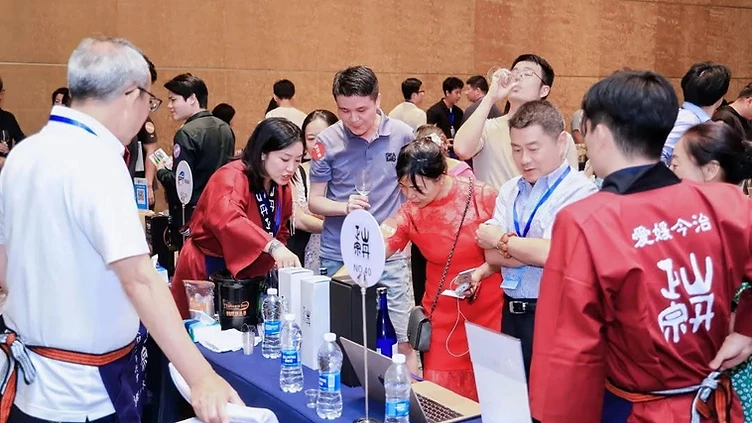
By choosing to Become an Exhibitor at INTERWINE—China's premier international wine and spirits exhibition—wineries gain targeted exposure to verified hospitality buyers. INTERWINE organizes pre-vetted Business Matching meetings and sommelier masterclasses that place your portfolio directly before key purchasing decision-makers from top-tier hotels and restaurant groups. You can also explore the official Exhibitor Directory to evaluate past cohorts and review deep industry analyses in our Market Insights portal.
Strategic Conclusion and Execution Roadmap
Capturing China's hospitality market is a high-margin, brand-building endeavor that demands strategic patience, regulatory compliance, and committed local partners. Export directors should begin by auditing CIFER registration credentials, establishing transparent HoReCa pricing models with channel protection, and engaging top-tier Chinese distributors who possess active vendor accounts inside luxury hotel and restaurant groups.
Sources
- General Administration of Customs China / USDA FAS (2026): Wine Market Update 2026 Shanghai
- Vino Joy News (2025): Why Selling Wine in Chinese Restaurants Is So Hard?
- EU SME Centre (2024): How Can I Export Wine to China? Regulatory Guidelines
- MS Advisory (2025): Wine Market in China: Trends, Growth, and Consumer Preferences
- China Briefing / Dezan Shira & Associates (2025): China's Wine Market Outlook: Trends and Opportunities
Key Takeaways
- —Hotels and restaurants in China procure exclusively through licensed domestic importers and distributors capable of providing official VAT Fapiao and compliant customs clearance.
- —China's average import price rose by 22% year-on-year to $6.86 per liter in 2025, underscoring strong demand for higher-value, premium on-premise selections.
- —Wineries must strictly separate HoReCa distribution from public e-commerce channels to prevent price dilution and protect restaurant bottle markups.
- —GACC CIFER production facility registration and compliant Chinese back-labels are legally mandatory before wines can enter domestic dining rooms.
- —Sommeliers require targeted regional Chinese culinary pairing notes, localized digital tech sheets, and staff training allowances to actively push placements.
Frequently Asked Questions
Can foreign wineries sell wine directly to hotels and restaurants in China?
No. Under Chinese commercial and food safety law, foreign wineries cannot sell directly to hotels or restaurants. On-premise venues must purchase from licensed domestic trading companies that clear customs, provide CIQ inspection certificates, and issue official VAT invoices (Fapiao).
What regulatory filings are required before wine can be served in Chinese restaurants?
Foreign wineries must obtain GACC facility registration via CIFER under Decree 248, register compliant Chinese back-labels covering ingredients and ABV, and clear Chinese customs inspection through a qualified domestic importer of record.
How do Chinese restaurants and luxury hotels price imported wine?
Landed Duty-Paid (LDP) cost usually equals FOB price multiplied by 1.45 to 1.60. Distributors add a 25% to 40% margin, and high-end restaurants apply a 2.5x to 4x markup for bottle lists or slightly lower markups for by-the-glass programs.
Why is e-commerce price protection critical for HoReCa wine distribution in China?
Sommeliers and F&B managers in China routinely check retail and e-commerce platforms. If a wine listed in a restaurant for 500 RMB is publicly discounted online for 100 RMB, guests refuse to purchase it, prompting dining venues to immediately de-list the brand.
How can wineries meet verified Chinese HoReCa importers and beverage directors?
Participating in recognized trade events like INTERWINE allows producers to participate in curated business matching sessions and present masterclasses directly to pre-screened importers, regional distributors, and hotel sommeliers.