What Chinese Distributors Expect From International Wineries
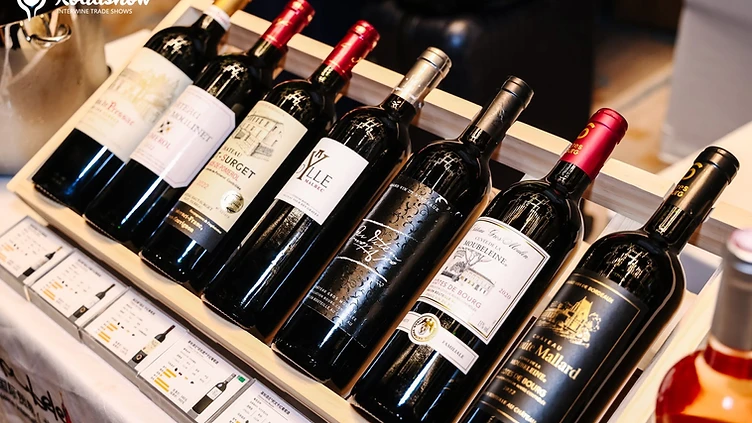
Discover what Chinese distributors expect from international wineries in 2025/2026. Learn their requirements for brand investment, pricing stability, GACC compliance, and practical steps to secure distribution.
To secure and sustain long-term partnerships in China's evolving alcoholic beverage market, export directors must recognize a structural shift: Chinese wine distributors are no longer speculative order-placers who buy full containers merely because a label carries a famous European appellation or international medal score. Today, professional Chinese wine importers and regional distributors operate with strict commercial criteria, demanding joint marketing co-investment, clear shelf-pull strategies, disciplined multi-channel price protection, complete General Administration of Customs of China (GACC) regulatory compliance, and digital-first brand assets tailored for local commerce.
Following years of inventory rebalancing and consumption adjustments—where wine's market share within China's total alcohol sector moderated from its peak of 4% down to approximately 1.3% according to analysis by VVR International in 2026—distributors now prioritize commercial de-risking. Importers refuse to absorb uncalculated inventory holding costs. Instead, they seek committed foreign winery partners who understand how domestic consumers discover, evaluate, and purchase wine across first-, second-, and emerging third-tier cities.
Evaluating the specific operational expectations of Chinese wine merchants allows wineries to transform initial commercial discussions into resilient, high-volume supply relationships.
The New Reality: How Chinese Distributor Economics Have Shifted
For nearly two decades, the imported wine segment in Mainland China was driven by high-margin banquet culture, institutional gifting, and opportunistic speculative buying. Over the past three years, this dynamic has been replaced by a rationalized, consumer-led purchasing model. Academic reviews by Professor Kym Anderson in the Journal of Wine Economics (2023) demonstrated that domestic production and import volumes adjusted drastically from pre-2018 peaks, clearing speculative stock overhangs and forcing distributors to focus entirely on genuine end-consumer depletion.
Concurrently, China's official accession as the 51st member state of the International Organisation of Vine and Wine (OIV) in late 2024, followed by formal ratification in mid-2025, reflects a mature regulatory landscape and a sophisticated domestic industry alongside premium domestic producers in regions like Ningxia, Xinjiang, and Yunnan. As noted by MSA Asia's 2026 Market Analysis, while overall volume has consolidated, consumer demand has concentrated in premium, authentic, and differentiated labels.
Because working capital is strictly protected, distributors evaluate international wineries across four core business questions:
- How fast will this SKU move off the shelf or out of the warehouse?
- Is the retail price protected against online price dumping?
- What direct promotional funding and collateral does the producer provide to support sell-through?
- Does the foreign exporter possess all required trade certifications to guarantee clearance through China Customs without delays?
To review broader macroeconomic patterns and shifts in regional buying hubs across China, review our curated Market Insights.
Core Expectations: What Distributors Require from Foreign Wineries
1. Collaborative Sell-Through Support (End of the "Ship-and-Forget" Model)
Distributors reject the transactional approach where an exporter ships a container FOB and leaves local sales entirely to the buyer. Top-tier importers, including national operators such as ASC Fine Wines and East Meets West Fine Wines, expect overseas wineries to contribute to local brand building. In modern supply agreements, distributors typically expect producers to allocate between 3% and 8% of annual invoice value toward dedicated marketing budgets (A&P).
Practical winery support expected by Chinese trade buyers includes:
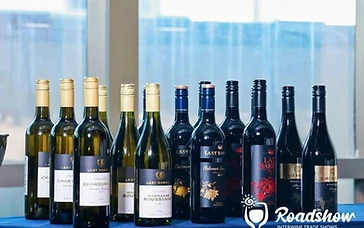
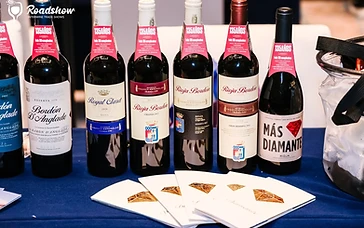
- Co-funding local consumer masterclasses, sommelier workshops, and roadshows in regional hubs.
- Providing translated, localized brand decks, tasting notes, and high-resolution packshots suited for WeChat Mini-Programs, RED (Xiaohongshu), and Tmall flagship displays.
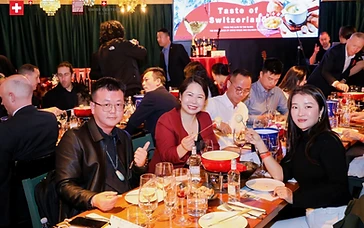
- Participating in targeted in-person matching sessions, such as organized Business Matching meetings, to support downstream regional sub-distributors.
2. Strict Price Discipline and Cross-Channel Margin Architecture
Price erosion represents the fastest route to losing an established Chinese distributor. If an importer spends six months introducing a winery’s reserve blend into high-end hotels and dining rooms (the on-premise trade), only to have an unauthorized cross-border merchant discount the identical bottle on JD.com, Taobao, or Douyin live-streams, the importer’s margin is ruined and the relationship terminates.
Chinese distributors expect international partners to implement clear pricing structures:
- Strict Cross-Border and Gray-Market Auditing: Clear territorial exclusivity and traceability codes preventing diversion from other Asian markets (such as Hong Kong, Singapore, or Japan).
- Healthy Channel Margins: Distributors require sustainable margins—typically 30% to 45% for wholesale distributors, and 50% or more for on-premise accounts—to finance local warehousing, inland temperature-controlled logistics, and sales commissions.
- Dual-SKU Product Strategies: Providing distinct labels, packaging designs, or bottle formats for online retail versus traditional HoReCa (Hotel, Restaurant, Catering) channels.
3. Absolute Regulatory and Customs Compliance
Customs non-compliance carries heavy financial and legal repercussions in China. Importers demand meticulous administrative precision from foreign cellars before wines depart the port of origin. Following decree updates enforced by the General Administration of Customs of China (GACC Decree 248 and 249):
- GACC Manufacturer Registration: Every overseas wine production facility must maintain an active, valid GACC registration number printed correctly on outer cartons and back labels where required.
- Chinese Back-Label Conformity: Labels must comply precisely with national food safety standard GB 7718, containing accurate declarations of nominal volume, health warnings in simplified Chinese characters, net content, total dry extract, and allergen statements (such as sulfur dioxide levels).
- Paperwork Synchronization: Bills of Lading, Certificates of Origin, and Phytosanitary/Analysis Certificates must match invoice descriptions down to identical harvest years, grape varieties, and alcohol percentages to avert port detentions.
4. Taste Profiles and Presentation Tailored to Regional Palates
According to research presented in the ProWine China Report authored by Hochschule Geisenheim University in 2025, expanding wine consumption relies on catering to younger consumer demographics, food pairing, and accessible drinking occasions. While structured red wines from classic terroirs remain foundational for institutional gifting and corporate banquets, high-volume consumer growth is expanding into versatile white varietals, crisp sparkling wines, and lower-tannin profiles that pair naturally with diverse regional Chinese cuisines—from spicy Sichuan hotpot to delicate Cantonese seafood.
Furthermore, distributors scrutinize packaging aesthetics. Premium embossed capsules, heavyweight bottles, elegant labels with clear brand iconography, and gift-box presentations for Mid-Autumn Festival and Chinese New Year represent practical sales drivers rather than superficial details.
Distributor Profiles: Identifying the Right Commercial Route
| Distributor Category | Primary Channels | Minimum Annual Volume Expectation | Critical Partner Requirement | | :--- | :--- | :--- | :--- | | National Importers (e.g., ASC Fine Wines, EMW, C糧/COFCO) | Tier-1 direct on-premise, luxury hotels, national wholesale tiers | Multi-container allocations across diverse portfolios | Substantial international brand prestige, sustained A&P co-funding, strict exclusivity | | Regional / Provincial Wholesalers (Guangdong, Zhejiang, Jiangsu, Sichuan) | Regional corporate clients, local restaurants, independent wine shops | Single mixed container to 2–3 full container loads (FCL) annually | Regional territorial protection, competitive pricing, flexible shipping terms | | E-Commerce & Social Commerce Operators | Douyin live-streaming, Tmall Global, JD.com, WeChat Social Commerce | Rapid fulfillment, continuous high-turnover replenishment | Distinct digital-only packaging, zero price conflict with brick-and-mortar trade, dynamic content creation | | Boutique & Natural Wine Importers | Modern bistro culture, specialty wine bars in Shanghai, Shenzhen, Chengdu | Pallet-level shipments (1–5 pallets per order) | Authentic organic/biodynamic certifications, compelling winemaker stories, distinct terroir focus |
Selecting the wrong distributor tier wastes precious commercial momentum. A national importer may neglect an emerging boutique winery within a large portfolio, whereas an active regional player in Southern China might turn the same winery into its premier flagship offering.
Common Red Flags That Deter Chinese Wine Buyers
Chinese buyers encounter hundreds of international propositions each season. Exporters frequently undermine negotiations by committing these fundamental commercial errors:
- Inflexible High Minimum Order Quantities (MOQs): Demanding first-time orders of multiple full 20ft or 40ft containers before establishing local market traction. Flexible first orders (such as consolidated pallets or split containers) significantly de-risk the buyer's initial purchase.
- Slow Communication Channels: Relying exclusively on formal email exchanges. Business in China operates in real time via enterprise communications and WeChat. Failing to establish direct, responsive contact channels signals a lack of commitment to market support.
- Absence of Chinese-Language Collateral: Providing promotional catalogs solely in French, Italian, Spanish, or English forces the importer to bear translation and localization costs, signaling an amateur market entry approach.
- Unrealistic Price Points Based on Foreign Domestic Markets: Attempting to sell excess stock at home-market clearance rates without factoring in Chinese customs duties, consumption tax, value-added tax (VAT), and domestic distribution logistics.
Action Plan: Preparing Your Winery for Chinese Trade Negotiations
To present an attractive commercial profile to Chinese distributors, follow a structured 5-step operational framework:
- Audit GACC and Customs Registration: Ensure your winery registration code on the China Single Window trade system is active, audited, and aligned with your national food-export authorities.
- Develop a Multi-Tier Pricing Schedule: Build clear price models across Ex-Works (EXW), Free On Board (FOB), and Cost, Insurance, and Freight (CIF) ports of Shanghai, Shenzhen, and Guangzhou, incorporating realistic distributor gross margins.
- Localize Core Commercial Collateral: Create digital brand decks highlighting your winery’s heritage, micro-terroir, critical acclaim, and suggested pairings with regional Chinese gastronomy.
- Establish Minimum Commercial Flexibility: Offer mixed-pallet trial shipments or shared container options for an introductory 6- to 12-month pilot phase.
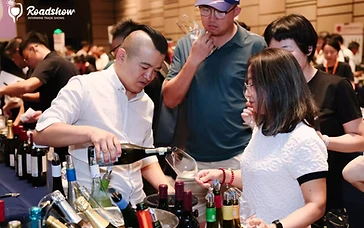
- Engage Professional Trade Buyers In-Person: Face-to-face interaction remains essential for establishing commercial trust (guanxi) in China. Qualified distributors must taste the product, evaluate the bottle presence, and assess the winery principal's dedication.
For international estates seeking direct market engagement with vetted corporate purchasers, regional wholesalers, and national importers, the most effective commercial step is to participate in verified trade exhibitions. Secure your company's space and connect directly with high-caliber buyers by choosing to Become an Exhibitor at upcoming trade editions.
Summary: Securing Long-Term Commercial Success in China
The Chinese imported wine market in 2025 and 2026 demands strategic sophistication, structured brand support, and operational agility. Distributors are eager to expand their portfolios with high-quality, authentic international labels—provided the foreign winery demonstrates a willingness to share the market development journey. By respecting regulatory compliance, establishing disciplined cross-channel pricing, and engaging buyers directly through professional face-to-face platforms, international wineries can build profitable, lasting distribution across the Chinese mainland.
Sources
- VVR International (2026): The Chinese Wine Market in 2026: Trends and Consumption
- Journal of Wine Economics / Cambridge Core (2023): What's Happened to the Wine Market in China? by Kym Anderson
- MSA Asia (2026): Wine Market in China: Trends, Growth, and Consumer Preferences
- The Drinks Business (2025): ProWine: New Occasions and Consumers Are Key to Wine's Success in China
- Jane Anson / Wynn Signature Chinese Wine Awards (2025): Market Insights: Chinese Wine Industry in 2025
Key Takeaways
- —Chinese distributors require collaborative market support, expecting 3% to 8% of invoice values invested into joint marketing, tasting events, and localized education.
- —Strict cross-channel price protection is mandatory to shield distributor margins against unauthorized e-commerce discounting and cross-border grey market diversions.
- —Full GACC facility registration and GB 7718 back-label compliance must be completed prior to dispatch to prevent customs clearance detentions.
- —Import demand has rationalized, shifting focus from speculative mass-volume buying to high-turnover premium SKUs, boutique terroirs, and food-friendly profiles.
- —Offering flexible order terms (such as mixed pallets) during initial market entry builds trust and accelerates partnership agreements with regional wholesalers.
Frequently Asked Questions
What is the typical marketing support Chinese distributors expect from wineries?
Most established Chinese importers expect foreign wineries to allocate between 3% and 8% of annual FOB invoice values toward joint marketing and promotion. This fund typically supports localized tasting roadshows, sommelier trainings, point-of-sale collateral translation, and localized digital assets on platforms like WeChat and RED (Xiaohongshu).
What regulations must an overseas winery fulfill before exporting to China?
Wineries must register their production facilities through the General Administration of Customs of China (GACC) under Decree 248. Furthermore, bottle labels must strictly adhere to national food safety standard GB 7718 for pre-packaged foods, and shipping paperwork must include matching Certificates of Origin, Phytosanitary/Analysis Certificates, and synchronized bills of lading.
How do Chinese distributors handle online versus offline price conflicts?
Distributors demand strict price discipline. If an online e-commerce retailer discounts a label below the wholesale price point, brick-and-mortar and on-premise accounts will discontinue the product. Importers often request channel-exclusive labels, distinct bottle formats, or formal agreements guaranteeing minimum advertised price (MAP) policies.
Should international wineries insist on full container loads (FCL) for new Chinese partners?
In the current rationalized market, demanding multi-container commitments on first orders often deters capable distributors. Offering flexible initial terms, such as consolidated mixed pallets or split container loads, reduces commercial risk for the importer and accelerates the initial market launch.
Where can wine export managers meet qualified Chinese wine importers face-to-face?
Direct interaction at specialized professional trade exhibitions remains the most efficient avenue. Attending established expos such as Interwine in Guangzhou and Shenzhen provides direct access to pre-screened importers, regional wholesalers, and hospitality beverage directors actively seeking new international suppliers.