How to Become an Interwine Exhibitor
A strategic, step-by-step commercial guide for international wineries, distilleries, and brand owners on how to become an Interwine exhibitor in Guangzhou, navigate Chinese customs agility, and secure qualified national distribution.
To become an Interwine exhibitor, international wineries, distilleries, and regional brand collectives must complete an official trade registration, undergo product profile qualification with the fair organizers, choose an operational booth structure, and coordinate logistics and visa protocols well in advance of the bi-annual Guangzhou expos. Organized by Ketong International Exhibition (Guangzhou) Co., Ltd. for over two decades, Interwine serves as China's foundational B2B wine and spirits trade platform, directly connecting overseas brand owners with pre-screened importers, regional distributors, and HORECA procurement leads across Mainland China.
Securing a stand at Interwine is not merely a marketing expenditure; it is an export milestone that requires strategic positioning. As noted by Interwine China B2B Wine Fair, Guangdong Province alone accounts for over 60% of Mainland China's imported wine volume, making it the most dynamic regional commercial engine for foreign wine and spirits. Wineries entering this corridor require structured commercial preparation, transparent pricing, verified importer intelligence, and compliant sample freight.
Step 1: Corporate Profile Submission and Category Qualification
Interwine operates as a professional B2B platform restricted to licensed commercial operators. The application journey begins when a winery, distillery, or national export body submits official documentation through the portal to Become an Exhibitor.
During intake, brands must state their operational corporate attributes (Winery, Distiller, Importer, or Regional Pavilion) and supply company registry details, official executive contact information, and digital assets. Brand submissions are evaluated against specific exhibit categories outlined by Interwine Official Registration:
- Still and Sparkling Wines: Classified by country of origin, denomination, and varietal tier.
- Spirits: Whiskies, Cognac, Armagnac, Baijiu, craft gin, and fruit spirits.
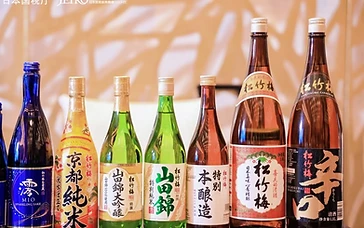
- Specialty Beverages: Craft beer, ciders, sake, and emerging low-alcohol/no-alcohol formulations.
- Ancillary Industry Solutions: Wine packaging, storage solutions, cellar machinery, and trademark design.
Interwine limits individual exhibitor forms to three core product ranges to maintain tight categorical alignment for trade visitors. Once submitted, Interwine’s project management team reviews portfolio viability to ensure fair buyers—ranging from regional wholesalers to hotel purchasing syndicates—are presented with commercially genuine producers.
Step 2: Selecting Stand Formats: Raw Space vs. Standard vs. Deluxe
Selecting the right stand architecture depends heavily on brand maturity, export volume goals, and regional presence. Interwine provides three core exhibition options within the Guangzhou Poly World Trade Centre Complex or China Import & Export Fair Complex halls:
1. Standard Shell Scheme
A turn-key commercial option suited for boutique wineries, family estates, or first-time entrants testing the Chinese market. It includes basic structural fascia board, localized company lettering, carpet, spot lighting, standard information counter, consultation chairs, electrical connections, and basic glassware service provision.
2. Deluxe Booth
A modified, elevated modular stand package designed to offer greater aesthetic visibility and enhanced branding real estate. Deluxe packages feature upgraded contemporary furniture, custom high-contrast fascia signage, lockable display cabinets, and integrated bottle showcases, allowing boutique producers to present a premium retail impression without the elevated cost of custom builders.
3. Raw Space (Space Only)
Ideal for national promotion bodies (e.g., Wines of Spain, Business France), multi-regional consolidators, or large commercial wineries commanding footprints larger than 36 square meters. Raw space gives producers absolute architectural freedom to install bespoke tasting counters, masterclass seating areas, and private B2B negotiation lounges.
Regulatory and Construction Notice: According to the 33rd Interwine Exhibitor Manual, all raw space custom decoration schematics and structural technical drawings must be formally vetted and approved by the official exhibition hall contractor at least one full calendar month prior to the fair opening. Any delayed submissions incur a mandatory 50% structural review penalty fee. Furthermore, all third-party stand construction personnel must obtain and wear verified fairground set-up licenses.
Step 3: Contract Execution, Invoicing, and Commercial Protection
Following product category qualification and booth format selection, Interwine’s allocated project manager issues an official booth quote alongside an interactive floor plan. Depending on exhibition proximity, booth allocations are handled via direct selection or assigned via a priority deposit queue (typically recommended 3 to 6 months ahead for peak spring and autumn sessions).
Upon finalizing booth number and dimensions, the exhibitor executes a bilateral commercial booth contract. Payments are deposited per contract stipulations via international wire transfer. Official invoices (fapiao or formal commercial receipts) are processed post-event, while confirmed contracts immediately lock in directory listings in the Exhibitor Directory and open promotional scheduling within News and Magazine updates.
Step 4: Visa Support Letters and Regulatory Compliance
International travel to China requires strict immigration documentation. Once commercial booth contracts are ratified and registration deposits clear, the Interwine organizing committee provides accredited international exhibitors with a free official stamped Invitation Letter.
As specified in official operational directives from the Interwine Exhibitor Manual, foreign delegates must complete the organizer's Visa Information Collection Form. This generated invitation letter carries Ketong International Exhibition's corporate seal, serving as the necessary documentary anchor when applying for an M-class commercial business visa at local Chinese embassies or visa application service centers worldwide.
To ensure operational readiness, delegating brands should review Invitation Letter and Visa Support timelines at least 8 to 12 weeks prior to fair dates, factoring in local consular appointment queues.
Step 5: Logistics Management, Customs Agility, and Sample Shipping
Transporting commercial sample bottles into Mainland China presents unique non-tariff and customs regulatory hurdles. Commercial wine samples entering China are subject to the General Administration of Customs of China (GACC) import food safety regimes, mandatory Chinese back-labeling requirements, and tariff inspections.
To prevent sample confiscation or warehouse delays during pre-event customs clearance, exhibitors are strongly advised to utilize Interwine’s designated official logistics contractors: BEX Logistics Co., Ltd., APT Showfreight Shanghai Co., Ltd., or Guangzhou CITGO Import & Export Co., Ltd. As designated in the Interwine Exhibitor Logistics Manual:
- Direct-to-China Sea/Air Freight: Requires exact alignment with Chinese customs agility protocols, sanitary certificates from the country of origin, certificates of origin, laboratory analysis documents, and registered importer filing.
- Hong Kong Transshipment: Wineries frequently utilize tax-free bonded routing through Hong Kong, followed by bonded domestic transport straight into the exhibition hall. Official partners manage temporary customs admission guarantees (ATA Carnet or temporary exhibition bonds).
Sample shipments should arrive at the designated Guangzhou port warehouse at least 15 to 20 business days prior to exhibition move-in to absorb any administrative customs inspections.
Step 6: Maximizing On-Site ROI via Structured Buyer Outreach
Securing a booth is only the preliminary operational baseline. According to trade fair research published by BestWineImporters, participating producers should begin direct trade outreach 6 to 10 weeks before the expo doors open. Producers achieve optimal conversion when pre-booking 10 to 20 structured commercial discussions prior to setting foot in Guangzhou.
Exhibitors should leverage Interwine’s specialized programmatic framework:
- Dedicated Matchmaking: Coordinate with fair organizers via Business Matching to pre-identify tier-1 national importers, regional wholesale distributors, and airline/hotel purchasing executives.
- Tasting Masterclasses and Summits: Secure presentation slots during the fair’s official tasting summits and sommelier forums hosted by Interwine Events, reinforcing portfolio distinction to assembled trade press and regional buyers.
- Localized Pricing Sheets: Arrive with clearly structured CIF (Cost, Insurance, and Freight to major Chinese ports) and EXW pricing frameworks, clear minimum order quantities (MOQs), and digital technical fact sheets accessible via Chinese platforms (such as WeChat QR codes).
By executing this multi-step protocol, international producers move beyond random foot traffic, establishing a disciplined, compliant, and commercially successful presence at China's leading international wine gathering.
Sources
- Interwine China B2B Wine Fair
- Interwine Exhibitor Registration Portal
- Interwine 33rd Exhibitor Manual (PDF)
- BestWineImporters Interwine China Guide
- Interwine Organization Overview (Wikipedia)
Key Takeaways
- —Interwine exhibitor registration requires corporate profile qualification across strict category scopes (wine, spirits, cider, sake, production machinery).
- —Exhibitors can choose between turn-key Standard Shell Schemes, Deluxe Booths, or Raw Space; Raw Space drawings must be cleared by hall contractors 30 days prior.
- —Official stamped visa invitation letters are provided free of charge by the organizers upon booth confirmation to support M-visa applications.
- —Sample freight requires strict adherence to Chinese customs agility; using official partners (BEX, APT Showfreight, CITGO) prevents customs impounds.
- —Pre-fair buyer outreach 6 to 10 weeks in advance and participating in official business matching are vital to achieving verifiable commercial ROI.
Frequently Asked Questions
What product categories are eligible to exhibit at Interwine?
Eligible categories include still and sparkling wines, craft spirits, ciders, sake, low- and non-alcoholic beverages, beer, wine accessories, storage systems, and winemaking machinery. Applicants can select up to three core product focus ranges during official registration.
Does Interwine supply visa support for international exhibitors?
Yes. Upon confirmation of the exhibition contract and payment, Interwine issues an official stamped Invitation Letter free of charge. Exhibitors submit their passport credentials through the organizer's visa collection form to apply for a Chinese commercial M-visa.
How are wine samples shipped safely to Guangzhou for the fair?
Exhibitors are advised to ship through Interwine's official freight logistics partners—such as BEX Logistics, APT Showfreight, or CITGO. These licensed partners handle Chinese customs agile requirements, import health certification, temporary exhibition bonds, or transshipment via Hong Kong.
What is the structural deadline for custom raw space booth designs?
All raw space engineering schematics and architectural layout plans must be submitted to the official fair contractor at least one month before the show opens. Failure to meet this deadline results in an official 50% contractor late review penalty.
When should international wineries begin their buyer outreach for Interwine?
Industry research indicates that producers should begin contacting Chinese importers and regional distributors 6 to 10 weeks before the exhibition, utilizing the pre-show business matching platform to confirm 10 to 20 qualified meetings in advance.