How Younger Chinese Consumers Discover Wine
Discover how younger Chinese consumers discover wine through digital touchpoints, casual on-premise venues, and social commerce, and how overseas wineries can translate these discovery habits into verified commercial distribution.
Younger Chinese consumers discover wine primarily through omnichannel digital ecosystems, visual-led social discovery, and casual lifestyle venues rather than through legacy banquet rituals or traditional formal tastings. For overseas producers and brand managers, capturing this demographic requires shifting from generic prestige marketing to agile distribution strategies that align with how urban millennials and Gen Z drink, research, and purchase wine.
According to analysis from VVR International, the core demographic driving imported wine engagement has become younger, with urban consumers aged 30 to 49 leading active retail trial. This audience treats wine as a personal lifestyle choice, seeking sensory discovery, modern aesthetics, and clear flavor narratives. To successfully export to China, wineries must understand these evolving discovery touchpoints and connect with domestic distributors who specialize in modern omni-channel retail.
The Digital Native Path to Wine Discovery
Unlike older generations whose exposure to wine centered around state dinners, corporate banquets, and gifting prestigious Bordeaux labels, younger Chinese drinkers encounter wine within their daily social feeds. Discovery occurs on smartphone screens before a cork is ever pulled.
Social Commerce and Visual Curation: Xiaohongshu and Douyin
Xiaohongshu (RED) and Douyin serve as the leading top-of-funnel discovery engines for imported wine. Xiaohongshu operates as a visual lifestyle search engine where young urbanites research "easy-drinking everyday wines," home-cooking pairings, and picnic selections. Key Opinion Consumers (KOCs) and sommelier influencers communicate wine without intimidating jargon, highlighting freshness, acidity, and bottle design.
On Douyin, live-stream tasting sessions allow viewers to ask real-time questions regarding flavor profiles, sweetness levels, and origin. Academic field research published in the International Journal of Retail & Distribution Management (Emerald Insight) highlights that digital platforms serve as the primary vehicle for consumer search, post-purchase feedback, and wine education among younger demographics, effectively democratizing regional varieties that historically had little shelf presence.
Instant Retail and WeChat Mini-Programs
Younger consumers expect instant gratification. Through WeChat Mini-Programs integrated with on-demand delivery apps like Meituan and Ele.me, a consumer who discovers an aromatic white wine on social media can order that bottle chilled to their door within 30 to 45 minutes. This convergence of discovery and instant commerce means that packaging, visible vintage markers, and front-label clarity play an immediate role in conversion.
Experiential On-Premise Touchpoints: Concept Bars and Casual Dining
While traditional hospitality dining has contracted, concept-driven wine bistros, natural wine bars, and izakayas in Tier 1 and Tier 2 cities have emerged as powerful discovery hubs. Market analysis reported by FoodNavigator indicates that China's beverage alcohol sector is undergoing a structural reset, with younger consumers, casual social gatherings, and relaxed home consumption replacing lavish corporate banquets as the primary volume driver.
In cities such as Shanghai, Chengdu, Shenzhen, and Guangzhou, younger consumers use by-the-glass menus at casual bistros to test unfamiliar appellations without committing to the price of an entire bottle. If an experience is positive, they immediately scan the label via WeChat or search for the importer on Taobao or JD.com to purchase a bottle for home consumption. Wineries that supply responsive regional distributors can capture this recurring off-premise sales loop.
Changing Palate Profiles: The Rise of Whites, Sparkling, and Low-Intervention Wines
Historically, full-bodied dry red wine held an overwhelming domestic monopoly, accounting for nearly 95% of national sales due to its cultural association with celebratory dining. However, younger Chinese consumers are diversifying their palates in favor of refreshing, food-friendly options.
Market surveying highlighted in The Chinese Wine Market in 2026: Trends and Consumption from the Pro Wine Business Report reveals that 52% of wine merchants surveyed expect a persistent decline in traditional imported still reds, while forecasting strong sales expansion across:
- Dry White Wines: Aromatic whites such as Sauvignon Blanc, Riesling, and crisp Chardonnay that pair naturally with regional Chinese seafood and spicy dishes.
- Sparkling Wines: Prosecco, Cava, and Champagne consumed casually during weekend brunches and outdoor celebrations.
- Low-Alcohol and Alternative Profiles: Lighter, fruit-forward wines that offer social enjoyment without the heavy alcohol footprint of traditional spirits.
Producers can assess how these regional preferences match current wholesale volumes by exploring our Market Insights.
Packaging, Visual Appeal, and De-Formalized Storytelling
Younger demographics evaluate wine through a modern consumer-goods lens. The Wine Market Council's global research on emerging drinkers, reported by the North Bay Business Journal / Press Democrat, shows that younger generations consistently ask wine producers to eliminate rigid formalities, provide clear selection cues, and present approachable pairing concepts.
In China, this manifests through packaging differentiation. Distinctive typography, creative illustrated labels, screw caps, and transparent storytelling about organic farming resonate far better with urban Gen Z shoppers than traditional crests and austere chateau illustrations. When consumers can quickly understand whether a wine is sweet, dry, high-acid, or mineral-driven, their purchase hesitation drops significantly.
Commercial Obstacles and Execution Risks
While the younger consumer demographic represents the future of wine consumption in China, international producers face specific operational challenges that require careful navigation:
- Digital Noise and High Customer Acquisition Costs: Simply shipping wine to a bonded warehouse and hoping for online traction leads to slow movement. Without direct partnerships with specialized digital importers, generic e-commerce listings become lost among millions of stock-keeping units (SKUs).
- Tariff and Policy Volatility: As seen when Chinese tariffs on Australian wine reshaped regional import shares from 2020 through their removal on March 29, 2024 (as documented by MSA Asia Advisory), geopolitical shifts can rapidly alter price structures. Wineries must build long-term relationships with domestic distributors who maintain diversified commercial networks.
- Channel Conflict: Selling directly to low-cost digital channels can frustrate conventional on-premise importers. Brand owners must establish unified pricing structures across offline venues and digital retail.
Bridging Discovery to Wholesale: Securing the Right Chinese Importers
For an international winery, capturing consumer discovery trends ultimately depends on partnering with distributors who maintain active placement in emerging channels. Traditional state-backed distributors often lack the digital marketing infrastructure or bistro relationships needed to reach younger drinkers.
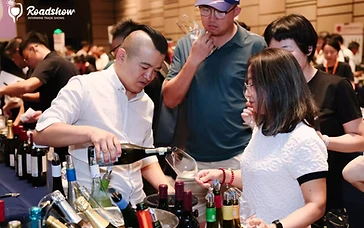
Wineries must sit face-to-face with buyers who manage specialized boutique portfolios, e-commerce flagship stores, and regional sommelier networks. Participating in dedicated trade exhibitions allows brand principals to present their terroir, review commercial margins, and coordinate marketing spend directly with vetted importers. Through targeted Business Matching sessions and qualified industry gatherings, overseas producers can identify trade partners equipped to tell their brand story across China's multi-tiered marketplace. Producers ready to build their distribution presence can also apply to Become an Exhibitor to engage verified domestic importers directly.
Sources
- VVR International (2026), The Chinese Wine Market in 2026: Trends and Consumption, https://www.vvrinternational.com/en/the-chinese-wine-market-in-2026-trends-and-consumption/
- Emerald Insight: International Journal of Retail & Distribution Management (2023), How digital platforms affect the internationalisation of wine, https://www.emerald.com/ijrdm/article/52/9/875/1220001/How-digital-platforms-affect-the
- MSA Asia Advisory (2024), Wine Market in China: Trends, Growth, and Consumer Preferences, https://msadvisory.com/wine-market-in-china/
- FoodNavigator (2026), China beverage alcohol market driven by younger consumers and on-demand drinking trends, https://www.foodnavigator.com/Article/2026/06/29/china-beverage-alcohol-market-driven-by-younger-consumers-and-on-demand-drinking-trends/
- Press Democrat / North Bay Business Journal (2026), Younger drinkers want wine without the rules, study finds, https://www.pressdemocrat.com/2026/08/24/wine-market-council-consumer-market-research-winery-tasting-retail/
Key Takeaways
- —Younger Chinese consumers aged 30 to 49 rely primarily on Xiaohongshu, Douyin, and instant retail delivery apps to discover and buy imported wine.
- —Casual bistros, natural wine bars, and single-glass on-premise programs have replaced formal corporate banquets as primary tasting trial venues.
- —Consumer preferences are shifting away from heavy dry reds toward refreshing white wines, sparkling varietals, and low-alcohol alternatives.
- —Clear flavor cues, accessible visual packaging, and simplified food pairings are more effective than austere chateau heritage narratives.
- —Sustainable market success requires partnering with specialized domestic importers through dedicated B2B trade matching and targeted channel distribution.
Frequently Asked Questions
What digital platforms do younger Chinese wine drinkers use most?
Younger Chinese consumers primarily discover wine on Xiaohongshu (RED) for lifestyle search and recommendations, Douyin for live-stream tastings, and WeChat Mini-Programs for swift orders and community engagement.
Are younger Chinese consumers still buying traditional red wines?
While red wine retains substantial volume, younger consumers are diversifying rapidly into dry white wines, sparkling varieties like Prosecco, and lower-alcohol options that suit casual, everyday dining.
How important is packaging and label design for China's Gen Z consumers?
Visual packaging is critical. Eye-catching, modern label design, clean flavor descriptors, and transparent sustainability credentials drive far higher trial rates on digital platforms than traditional, formal chateau branding.
How can an international winery reach distributors serving this younger market?
Overseas brands should take part in focused trade events with structured B2B business matching programs, enabling them to meet directly with boutique importers, specialized e-commerce operators, and modern on-premise distributors.