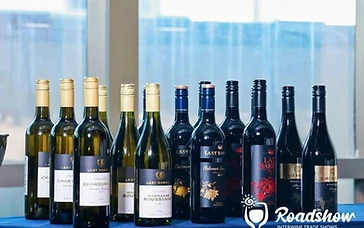
How to Budget for a Wine Brand Launch in China
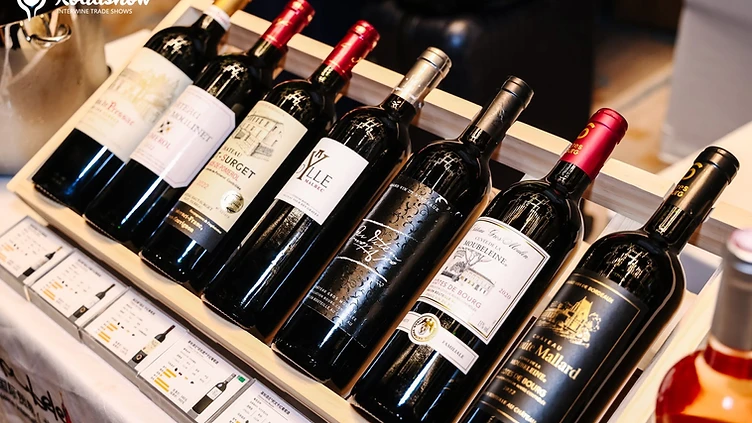
A commercial roadmap for international wineries on how to budget for a wine brand launch in China, breaking down compliance, route-to-market, and trade engagement costs.
To successfully budget for a wine brand launch in China, an international winery must allocate capital across five core operational pillars: regulatory compliance and intellectual property, logistics and import duties, commercial partner acquisition, trade marketing, and consumer-facing digital activation. Rather than applying a standard Western distribution model, market entry into mainland China requires a calibrated Year-1 budget ranging between $35,000 and $120,000 USD for boutique-to-mid-sized producers, excluding initial production stock. Brands that succeed deploy capital upfront toward risk mitigation and direct commercial matchmaking rather than passive listing fees.
According to data from the General Administration of Customs China (GACC), imported wine to China totaled approximately $1.6 billion USD in 2024. While market dynamics have normalized post-pandemic and trade barriers have evolved—such as China lifting punitive tariffs on Australian wine imports in March 2024 as reported by China Briefing—Chinese importers have shifted from speculative container purchases to lean, demand-driven buying. Consequently, your entry budget must fund active brand-building and direct buyer engagement to ensure inventory turns over.
1. Compliance, Legal Registration, and Brand Protection
Protecting your IP and establishing compliance clearance are fixed non-negotiable costs that must precede any commercial shipment. Entering China without registered trademarks risks trademark squatting, while regulatory non-compliance leads to immediate port rejection.
Trademark Protection & Chinese Naming: $1,500 – $4,000
China operates under a strict "first-to-file" trademark system. You must register your original brand name and a culturally resonant Chinese brand name (中文商标) across International Class 33 (alcoholic beverages) and Class 35 (advertising and retail services). As highlighted in China Briefing's 2025 market analysis, selecting and securing a localized Chinese trade name is a critical foundation for market sustainability. Trademark filing fees via accredited Chinese IP counsel typically average $500 to $1,000 per class, plus localization consultancy fees.
Customs & CIFER Registration: $1,000 – $3,000
Under GACC Decrees 248 and 249, every overseas wine manufacturing, processing, and storage facility must be registered through China’s Import Food Enterprise Registration (CIFER) system before dispatching product. While the GACC administrative portal itself does not charge an official filing fee, producers usually contract specialized regulatory consultants to ensure documentation, production licenses, and sanitary certifications comply with Chinese standards.
Label Compliance & Testing: $800 – $2,000 per SKU
Chinese national food safety standards (GB 7718 and GB 2758) govern pre-packaged alcoholic beverages. Chinese back labels must declare exact net contents, mandatory health warnings, allergen statements (such as sulfur dioxide content), importer details, and alcohol percentages. Mandatory laboratory testing at the port of entry checks for chemical thresholds (e.g., dry extract, total acid, free sulfur, and copper/iron limits). Budget roughly $800 per SKU for preliminary translation verification and port laboratory clearance testing.
2. Freight, Logistics, and Landed Cost Structures
Calculating your landed cost requires understanding China's complex tax structure on imported wine. The total effective tax rate combines standard customs tariffs, Value Added Tax (VAT), and Consumption Tax (Excise Duty).
Landed Import Duties & Taxes (HS Code 2204.21)
As noted in academic economic studies from the University of Adelaide (2024), China's Most Favored Nation (MFN) tariff on bottled wine sits at 14%, alongside a 13% VAT and a 10% Consumption Tax. Countries with operational Free Trade Agreements (FTAs) enjoy lower tariff baselines (for example, 0% import tariff for Chile, New Zealand, and Australia), though VAT and consumption tax remain universal. When compounding these three taxes, an MFN country faces an effective cumulative tax burden of approximately 43% to 48% above CIF (Cost, Insurance, and Freight) value.
Reefer Logistics and Bonded Warehousing: $3,000 – $7,000
Because of extreme climatic shifts across China’s trading corridors, temperature-controlled shipping (reefer containers or thermal insulation liners) is mandatory. According to the USDA Foreign Agricultural Service Wine Market Update (2025), foreign brands frequently utilize bonded warehouses in key ports like Shanghai, Shenzhen, and Ningbo to hold inventory under climate-controlled conditions while deferring import duties and taxes until commercial purchase orders are finalized.
3. Commercial Route-to-Market and B2B Trade Engagement
China’s wine trade is relational and built upon face-to-face commercial verification. In a mature market, brand owners cannot expect national master importers to underwrite all marketing costs. Wineries must actively co-invest in partner discovery.
| Budget Allocation Category | Boutique Winery (1-3 SKUs) | Growth/Commercial Winery (4-8 SKUs) | | :--- | :--- | :--- | | Legal, CIFER & IP Protection | $3,000 – $5,000 | $6,000 – $10,000 | | Compliance, Labeling & Lab Audits | $1,500 – $2,500 | $3,500 – $6,000 | | Sample Freight & Bonded Storage | $2,000 – $4,000 | $5,000 – $8,000 | | Exhibition & B2B Matchmaking | $6,000 – $12,000 | $15,000 – $30,000 | | Localized Digital Assets (WeChat/Collateral) | $4,000 – $8,000 | $10,000 – $20,000 | | Masterclasses, Tastings & Roadshows | $3,500 – $7,000 | $8,000 – $18,000 | | Trade Retainers / Agency Representation | Optional / Lean ($0-$5k) | $15,000 – $30,000 | | Estimated Year-1 Total Budget | $20,000 – $38,500 | $62,500 – $122,000 |
Targeted B2B Matchmaking and Industry Exhibitions: $6,000 – $25,000
Participating directly in domestic wine expositions remains the most direct way to identify regional distributors, retail buyers, and specialized on-trade sommeliers. Rather than attending general retail fairs, international brands maximize their budget through dedicated trade events and pre-scheduled appointments via Business Matching services. These focused interactions connect producers directly with verified tier-1 and tier-2 city importers. Wineries ready to engage mainland distribution should explore options to Become an Exhibitor to secure physical showcase presence alongside qualified buyers. You can also consult Interwine’s curated Market Insights to understand regional consumption variances across South, East, and North China.
4. Localized Trade Marketing and Sommelier Education
In second-tier and third-tier growth hubs, distributor sales teams require continuous educational support to sell your wine effectively against established international brands.
Masterclasses and Educational Tastings: $3,000 – $10,000
As highlighted in the USDA FAS 2025 Report, certified wine education programs, notably the Wine & Spirit Education Trust (WSET), drive significant industry professionalization in China. Wineries that allocate funding for localized tasting seminars led by bilingual wine educators (WSET Diploma or MW candidates) establish brand credibility far faster than brands relying on discounts alone.
Physical Sales Collateral & Tasting Samples: $2,000 – $5,000
Printed tech sheets, winery backstory books, and point-of-sale displays must be translated into Chinese by wine professionals rather than automated software. Tasting stock must be budgeted separately: expect to write off 36 to 60 bottles per SKU annually exclusively for professional trade tastings, masterclasses, and buyer evaluations.
5. Digital Infrastructure and Omnichannel PR
Western digital marketing channels (Google, Instagram, Facebook) do not operate in mainland China. Directing budget toward standard international PR agencies yields zero local conversion.
WeChat Official Account & Digital Showroom: $3,000 – $7,000
An official corporate WeChat Service Account serves as your digital business card and brand verification anchor. Chinese importers, hotel beverage managers, and retail partners routinely review a brand’s WeChat presence before entering negotiations. Annual costs cover verified account registration via a registered Chinese business entity, interface layout customization, and monthly publishing of localized content.
Niche Influencer (KOL/KOC) Seeding: $3,000 – $12,000
While tier-1 celebrity livestreams on Douyin demand massive budgets and high discounting, targeted seeding with Key Opinion Consumers (KOCs) and specialized wine educators on Xiaohongshu (RED) creates lasting organic brand visibility. As noted by MSA Advisory (2026), packaging innovation and visual storytelling resonate heavily with younger urban professionals who purchase through social commerce and high-end retail chains.
Summary: Mitigating Financial Risk in Year 1
A disciplined China launch budget prioritizes structural compliance and qualified commercial matchmaking over broad consumer advertising. By ensuring your IP is secure, navigating CIFER and label protocols accurately, and focusing your commercial capital on pre-qualified importer matchmaking through Business Matching channels, international wineries can build an agile, sustainable footprint in China’s imported wine landscape.
Sources
- USDA Foreign Agricultural Service, Wine Market Update 2025 (Published September 2025)
- China Briefing, China's Wine Market Outlook: Trends and Opportunities (Published October 2025)
- MSA Advisory, Wine Market in China: Trends, Growth, and Consumer Preferences (Published July 2026)
- University of Adelaide Wine Economics Research Centre, China's Wine Market: What Next? (Published 2024)
Key Takeaways
- —A realistic Year-1 market entry budget for a boutique to mid-sized winery ranges from $35,000 to $120,000 USD, excluding production stock.
- —China requires non-negotiable legal compliance before export, including CIFER facility registration under GACC Decrees 248/249 and first-to-file trademark registrations across Classes 33 and 35.
- —Compounded import taxation on MFN bottled wine sits between 43% and 48% (14% tariff, 10% consumption tax, 13% VAT), while countries with active FTAs eliminate the base tariff.
- —Capital should be weighted heavily toward professional trade exhibitions, certified masterclasses, and pre-screened B2B matchmaking rather than generic consumer digital marketing.
- —A localized digital anchor, such as a verified WeChat Service Account and bilingual wine collateral, is mandatory for commercial legitimacy with Chinese importers.
Frequently Asked Questions
What is the minimum budget required to launch a wine brand in China?
A boutique winery launching 1 to 3 SKUs typically requires a minimum entry budget between $20,000 and $38,500 USD for Year 1, excluding commercial inventory. This covers brand trademark registration, CIFER customs clearance, Chinese label compliance, sample shipping, and focused B2B trade matchmaking exhibitions. Mid-sized commercial wineries launching larger portfolios typically budget between $60,000 and $120,000 USD to incorporate active masterclasses and digital marketing.
How are customs tariffs and taxes calculated for imported wine in China?
Bottled wine (HS Code 2204.21) imported under Most Favored Nation (MFN) status faces an effective cumulative tax rate of roughly 43% to 48%. This is calculated through a 14% base customs tariff, a 10% Consumption Tax (excise), and a 13% Value Added Tax (VAT), compounded on CIF value. Countries with bilateral Free Trade Agreements (such as Australia, Chile, and New Zealand) enjoy a 0% customs tariff, paying only the consumption tax and VAT.
Why is trademark registration essential before launching wine in China?
China enforces a strict 'first-to-file' intellectual property regime. If an overseas winery fails to register both its Latin name and a localized Chinese trademark (中文商标) under Class 33 and Class 35 prior to entry, unauthorized third parties can register the name, legally preventing the winery from importing, selling, or distributing its own products in China.
What is CIFER, and how does it affect wine brand budgeting?
CIFER is the China Import Food Enterprise Registration platform operated by the General Administration of Customs China (GACC) under Decrees 248 and 249. Every foreign production facility, bottling line, and overseas warehouse must register and obtain a GACC registration number before goods arrive at Chinese customs. While the official application portal is free, wineries should budget $1,000 to $3,000 for compliance consultancy and documentation auditing to avoid border entry rejections.
How can wineries avoid wasting marketing funds on consumer ads in China?
International wine brands should prioritize commercial route-to-market channels over direct-to-consumer advertising in their initial launch year. Investing in pre-qualified business matching events, professional trade exhibitions, and localized masterclasses for certified sommeliers yields a higher return on investment by building a verified network of regional distributors who already possess local retail and on-trade distribution networks.