What Chinese regional distributors Expect From Imported Wine Brands
Discover what Chinese regional distributors genuinely expect from imported wine brands in 2024–2026, from commercial margins and channel defense to localized marketing collateral and reliable supply chains.
Chinese regional distributors expect imported wine brands to offer guaranteed channel price protection, healthy and defensible gross margins (typically 35% to 50%), localized marketing collateral, and hands-on commercial co-investment rather than mere FOB shipping terms. As tier-2, tier-3, and provincial capital markets in China mature, local distributors are moving away from speculative, high-volume container purchases. Instead, they require sustainable, brand-backed commercial partnerships designed to mitigate inventory risk in an increasingly price-transparent, omnichannel environment.
For international winery export directors, penetrating regional China—such as Chengdu, Wuhan, Hangzhou, Changsha, or Qingdao—presents the most viable growth frontier. However, regional merchants face distinct economic and structural pressures that differ significantly from national Tier-1 importers in Shanghai or Shenzhen. Navigating these regional networks successfully requires understanding distributor expectations, commercial structures, and compliance criteria.
The Shift from Tier-1 Megacities to Regional Hubs
Historically, foreign wineries focused primarily on national importers centered in Tier-1 logistics gateways like Shanghai, Guangzhou, and Beijing. However, data from China Briefing (2024) indicates that China’s imported wine landscape is undergoing structural decentralization. While Tier-1 markets face high operational overhead and consumer fatigue, Tier-2 and Tier-3 urban centers are driving consumption diversification, aided by rising disposable incomes and expanding local hospitality sectors.
According to market research published by MS Advisory (2024), China's total wine market reached an estimated valuation of $40.4 billion in 2024, supported by an expanding middle class outside prime metropolitan hubs. In these regional cities, wine distribution is dominated by well-entrenched provincial wholesalers, regional FMCG beverage distributors, and private enterprise networks built around localized business dining and gifting.
Unlike national trading houses that list hundreds of SKUs to fill catalog space, regional distributors operate with leaner working capital. They cannot afford dead stock. Consequently, their expectations when evaluating an imported wine brand center squarely on marketability, commercial exclusivity, and risk mitigation.
1. Absolute Price Defense and E-Commerce Firewalling
Regional merchants rank unauthorized online price dumping as their single greatest commercial vulnerability. The rapid growth of live-streaming and domestic cross-border e-commerce platforms has created significant price transparency across China. According to IWSR research cited by China Briefing (2024), China’s alcohol e-commerce sector is projected to expand at a 6% compound annual growth rate through 2027, eventually capturing a substantial portion of global online sales.
When a regional distributor places an order for multiple pallets to service local private banqueting, corporate gifts, and independent dining venues, their worst outcome is having their retail price undercut on digital marketplaces like Douyin, JD.com, or Taobao. Regional distributors demand:
- Strict Territorial and Channel Exclusivity: Clear contractual boundaries separating offline territorial rights from national online flagship distribution.
- Enforced Minimum Advertised Pricing (MAP): Robust manufacturer monitoring to track unauthorized parallel imports or gray-market discounting.
- Channel-Differentiated Packaging: Dedicated SKUs, distinct front-and-back label variants, or bespoke gift packaging reserved solely for regional on-trade and offline wholesale, shielding them from direct online retail comparisons.
Wineries that fail to control their grey-market supply chain quickly lose the trust of regional partners, who will drop an imported label the moment their downstream wholesale buyers discover lower retail pricing online.
2. Realistic Commercial Margins and Payment Flexibility
Regional distribution requires extensive boots-on-the-ground relationship maintenance (guanxi). Distributors must frequently sponsor sampling dinners, finance credit terms for local restaurant accounts, and host corporate tastings. Therefore, standard European FOB pricing models that leave distributors with thin single-digit margins will not succeed in regional China.
To absorb local storage, inland domestic transport, and the cost of servicing sub-wholesalers, regional distributors typically expect:
- Sustainable Gross Margins: Landed-to-wholesale gross margins ranging between 35% and 50% for secondary estate labels, and higher markups on niche boutique wines where commercial storytelling is required.
- Flexible Minimum Order Quantities (MOQs): Rather than insisting on full 20-foot container loads (FCL) of a single SKU, wineries must offer mixed-pallet consolidation or bonded-warehouse delivery options inside China.
- Joint Marketing Support (A&P Funds): A formalized advertising and promotion (A&P) allocation—frequently structured as 5% to 10% of annual purchase value—rebated against verified local activations, consumer tastings, and branded point-of-sale collateral.
Export managers can explore strategic distribution structures and direct buyer match programs through dedicated Business Matching services, ensuring trade terms align with regional market capabilities before signing distribution agreements.
3. Ground-Level Storytelling and Localized Marketing Collateral
While classic appellations retain baseline respect, regional buyers are moving beyond generic appellation Prestige. As highlighted in China Briefing's 2024 analysis, successful market penetration in secondary hubs relies heavily on storytelling, consumer education, and cultural alignment. For instance, the Italian wine sector’s regional expansion succeeded by deploying structured Chinese-language educational courses and creating localized brand narratives that resonated with municipal professionals.
Regional distributors frequently lack the in-house creative resources to translate foreign technical wine jargon into compelling commercial pitches for their corporate clients. They expect imported wine brands to supply turnkey localization support:
- Registered Chinese Brand Names: An official, phonetically appealing Chinese brand identity registered with the China National Intellectual Property Administration (CNIPA). Without this, local clients struggle to pronounce or reorder the product.
- Digital Sales Assets for WeChat: Mobile-optimized, high-resolution visual collateral, digital tasting sheets formatted for WeChat mini-programs, and concise video assets introducing the winemaker.
- Targeted Masterclasses and Visiting Principal Tours: Physical presence matters. Distributors expect winery principals or export directors to visit their territory annually to host VIP masterclasses for municipal government and corporate enterprise buyers.
To discover broader trends shaping provincial consumption patterns, wineries can review the latest industry updates in Interwine’s Market Insights hub.
4. Regulatory Readiness and Customs Documentation
Customs compliance in China is rigorous and unforgiving. According to general import customs standards administered by the General Administration of Customs of China (GACC), administrative delays due to faulty documentation can leave shipments stranded in bonded ports, generating ruinous demurrage fees.
Regional distributors often act as local clearing agents or work with provincial customs brokers who expect foreign wineries to provide flawless regulatory execution before goods leave the port of origin. Key requirements include:
- GACC Overseas Manufacturer Registration: Complete, active registration under GACC Decree 248/249, verified before export dispatch.
- Pre-Approved Chinese Back Labels: Precise conformity with national food safety labeling laws (GB7718 and GB2758), ensuring accurate declaration of allergens, sulphites, and nutritional information.
- Full Traceability Certification: Rapid provision of authentic certificates of origin, sanitary/health certificates, and official lab test results analyzing total acidity, dry extract, and free SO2 levels.
Failing to meet Chinese customs requirements strains relationships with regional distributors, who bear the local financial liability of non-compliant cargo.
Meeting Regional Distributors Face-to-Face
Entering regional Chinese markets cannot be achieved remotely via email or digital price lists. Trust, credibility, and sustained commercial alignment are cemented through personal interaction. Regional distributors attend industry gatherings specifically to evaluate the physical commitment of foreign brands, taste current vintages alongside winery representatives, and negotiate tailored channel rights.
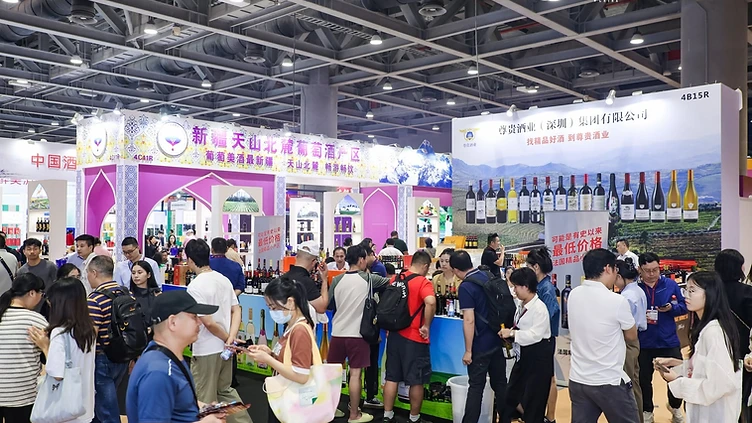
Wineries planning their China market expansion are invited to Become an Exhibitor at the next INTERWINE exhibition in Guangzhou, gaining direct access to verified regional distributors, provincial wholesalers, and import buyers actively seeking long-term commercial agency partnerships.
Sources
- China Briefing (2024): China's Wine Market Outlook: Trends and Opportunities
- MS Advisory (2024): Wine Market in China: Trends, Growth, and Consumer Behavior
- Anderson and Puga / ResearchGate (2024/2025): China's Wine Market: Recent Shocks, Long-Term Prospects
- General Administration of Customs of the People's Republic of China (GACC): Decree 248 & 249 Regulations
Key Takeaways
- —Regional distributors prioritize strict online price defense and channel exclusivity to protect their local wholesale margins against digital discounting.
- —Sustainable partnerships require gross margin structures between 35% and 50%, alongside flexible MOQs or mixed-pallet shipments.
- —Turnkey digital assets, registered Chinese brand names, and WeChat-optimized collateral are required to support local sales teams.
- —Proactive GACC Decree 248 registration and compliant Chinese label declarations are mandatory prerequisites for smooth customs clearance.
- —Physical presence at verified domestic trade exhibitions is essential for building commercial trust with provincial distributors.
Frequently Asked Questions
Why do Chinese regional distributors demand strict online price monitoring?
With the expansion of alcohol e-commerce and live streaming across China, unauthorized online discounting can rapidly erode offline wholesale margins. If corporate and hospitality clients see a wine discounted on platforms like JD.com or Douyin, regional wholesalers cannot maintain their required 35% to 50% margins and will stop carrying the brand.
What gross margins do regional wine distributors in China typically require?
Regional distributors generally expect gross margins ranging from 35% to 50%. These margins cover inland transport, warehousing, credit terms for on-trade accounts, local tasting events, and the costs of servicing secondary provincial wholesale tiers.
How important is a registered Chinese brand name for regional distribution?
It is essential. In regional Tier-2 and Tier-3 cities, trade buyers and consumers rarely refer to foreign estate names in their original languages. Registering an official, phonetically aligned Chinese trademark protects intellectual property and gives local sales teams a functional brand identity.
What regulatory documentation is required before shipping wine to a Chinese distributor?
Exporters must hold an active overseas production facility registration under GACC Decree 248, provide certificates of origin, sanitation certificates, authentic laboratory analytical reports, and supply pre-approved Chinese back labels compliant with GB7718 and GB2758 food safety standards.
How can foreign wineries meet qualified regional Chinese wine distributors?
The most effective route is participating in targeted B2B trade platforms such as INTERWINE in Guangzhou, where international producers connect directly with vetted regional distributors, municipal wholesalers, and corporate buyers.