
Wine Brand Positioning in China
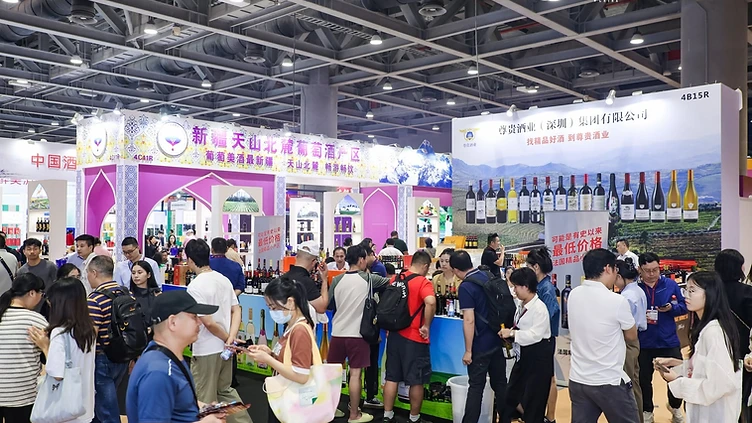
Mastering wine brand positioning in China requires moving beyond commoditization to align with evolving drinking occasions, regional demographics, and verified B2B distribution channels.
Wine brand positioning in China has shifted from a volume-driven market to a value-focused, occasion-driven ecosystem. According to General Administration of Customs of China (GACC) data published in the USDA Foreign Agricultural Service (FAS) Wine Market Update 2025, China imported approximately $1.6 billion of wine and related products in 2024, with Australia and France serving as the leading suppliers. While total import volumes have contracted significantly from mid-2010 peaks, per-bottle value has risen, underscoring that commercial success in mainland China no longer rewards unbranded bulk plays or generic varietal labeling. For overseas wineries, establishing sustainable brand equity requires targeting specific buyer segments, aligning products with regional consumer palates, and engaging verified domestic distribution partners.
The New Landscape of China Wine Market Segmentation
Historically, imported wine in mainland China was purchased primarily for high-level government gifting, luxury banqueting, and speculative cellaring. Today, market consumption patterns have stratified into distinct behavioral segments:
- Status & Prestige Gifting: Highly concentrated around recognized first-growth Bordeaux, classified estates, and prominent Australian heritage labels. Brand recognition, formal packaging, and provenance authentication dominate purchasing intent.
- The Urban Connoisseur: Concentrated in Tier-1 cities like Shanghai, Beijing, Shenzhen, and Guangzhou. These consumers seek niche terroirs, biodynamic and organic certifications, and alternative varietals, viewing wine as an intellectual hobby and lifestyle signifier.
- Occasional Social & Home Consumption: Dominated by Gen Z and millennial professionals (frequently aged 30–49, as highlighted by VVR International). This group drinks during informal social gatherings, weekend brunches, and intimate home dinners, favoring easy-drinking reds, chilled whites, and fruit-forward sparkling wines.
- Commercial Hospitality & Banquet Consumption: Driven by domestic corporate hospitality, casual bistros, and regional Chinese dining formats that require consistent, crowd-pleasing profiles with approachable margins.
According to an academic market segmentation study published in the Asia Pacific Journal of Marketing and Logistics (Emerald), brand positioning improves significantly when producers emphasize the specific operational attributes valued by defined consumer clusters rather than attempting to serve the entire market simultaneously. International producers must identify exactly which use case their portfolio targets prior to setting price architecture or initiating distributor discussions.
Strategic Brand Positioning Matrix for Foreign Wineries
Wineries entering or recalibrating in mainland China must avoid the trap of the "undifferentiated middle." Mid-tier imported wines without a distinct narrative, recognizable medals, or regional authority suffer the steepest retail drops. To secure distribution, overseas producers should position along four proven commercial vectors:
- Heritage & Appellation Anchor: Highlight historic pedigree, classification credentials, and regional terroir. This appeals directly to traditional fine wine merchants, private client lists, and premium corporate gifting.
- Accessible Modern Lifestyle: Develop clean visual branding, screw-cap convenience, accessible tasting notes, and food-friendly attributes. This model integrates well with contemporary bistros, modern retail, and social commerce.
- Category Innovation (Whites, Rosé, Natural, Sparkling): As the USDA FAS Shanghai ATO 2025 report confirmed, trade surveys highlight growing interest in white and sparkling wines. Position these varietals around freshness, low astringency, and suitability for coastal seafood or spicy regional Chinese cuisines.
- Value-Led Club Retail & Private Label: For large-scale producers, partnering with major warehouse clubs like Sam’s Club and Costco China offers massive volume, provided the brand can guarantee consistent quality, strict cost controls, and dependable supply chain logistics.
For a deeper look into regional market metrics, explore our curated analysis in Market Insights and track trade developments in our News and Magazine.
Overcoming China-Specific Route-to-Market Risks
Repositioning a brand or launching an imported label requires navigating structural operational hurdles:
CIFER Regulatory Compliance
Every foreign manufacturing, processing, and storage facility exporting wine to China must maintain an active registration under the GACC China Import Food Enterprise Registration (CIFER) system. Failing to maintain compliant registration numbers on secondary labeling or mismatching customs documentation results in immediate port rejections and administrative delays.
The Risk of Price Erosion
Uncontrolled distribution across fragmented multi-tier wholesale networks or open marketplace listings frequently leads to aggressive price discounting. When e-commerce discounters slash bottle prices below landed wholesale cost, brick-and-mortar restaurant lists and boutique wine bars drop the brand entirely. International producers must contractually protect Minimum Advertised Price (MAP) benchmarks with their master importers.
Misaligned Taste Profiles
Chinese consumers generally exhibit low tolerance for harsh, astringent tannins or excessive, sour acidity. Fruit-forward profiles, velvety textures, and balanced sweetness—traits common in ripe reds and aromatic whites—consistently achieve higher repeat purchase rates in blind tastings and consumer feedback panels.
Converting Positioning into Commercial Execution
Securing shelf presence and menu listings in mainland China requires moving from abstract brand deck concepts to physical trade negotiation. Importers, regional distributors, and hospitality beverage directors evaluate potential brands on practical criteria:
- Channel Exclusivity: Does the producer offer regional exclusivity to incentivize distributor field marketing?
- Education and Activation Support: Can the brand provide digital assets for WeChat/Xiaohongshu (RED), bilingual brand sheets, and staff training modules for on-premise accounts?
- Logistics Viability: Is inventory stored in temperature-controlled domestic bonded warehousing (Shanghai, Shenzhen, Ningbo) to enable swift sample delivery and lower order thresholds?
Connecting directly with vetted importers who specialize in your product segment is the fastest way to eliminate speculative broker middlemen. Foreign wineries looking to establish commercial footholds can leverage professional business matchmaking to connect directly with qualified domestic buyers. Explore pre-screened distributor networking through our structured Business Matching services. Overseas estates looking to build long-term trade relationships should also examine how to Become an Exhibitor to showcase their portfolio to professional procurement managers.
Conclusion: Building Enduring Brand Equity
China’s wine market is no longer an open recipient for opportunistic ocean containers. It has matured into a sophisticated landscape where defined brand positioning, transparent provenance, and targeted distribution channels dictate commercial longevity. Whether positioning as a boutique heritage estate or a modern, food-friendly daily vintage, success depends on understanding local usage occasions, maintaining pricing discipline, and forging direct ties with committed regional trade distributors.
Sources
- General Administration of Customs China (GACC) / USDA Foreign Agricultural Service, Wine Market Update 2025: https://apps.fas.usda.gov/newgainapi/api/Report/DownloadReportByFileName?fileName=Wine%20Market%20Update%202025_Shanghai%20ATO_China%20-%20People%27s%20Republic%20of_CH2025-0190.pdf
- Daxue Consulting, Chinese Wine Market: How Consumers Are Drinking Differently (2026): https://daxueconsulting.com/chinese-wine-market/
- Emerald Insight / Asia Pacific Journal of Marketing and Logistics, The Chinese Wine Market: A Market Segmentation Study: https://www.emerald.com/apjml/article/26/3/450/61832/The-Chinese-wine-market-a-market-segmentation
- Observatory of Economic Complexity (OEC), Wine in China Trade Data: https://oec.world/en/profile/bilateral-product/wine/reporter/chn
Key Takeaways
- —China's wine imports reached approximately $1.6 billion in 2024 (USDA FAS / GACC), led by Australia and France, with market dynamics shifting from volume speculation to high-value, occasion-driven consumption.
- —Generic mid-tier wines face severe margin compression; successful positioning requires targeting specific use cases such as corporate gifting, bistro dining, or warehouse club retail.
- —White, sparkling, and natural wines are expanding rapidly across Tier-1 cities, driven by younger consumers seeking low-tannin, food-friendly profiles.
- —Producers must strictly maintain GACC CIFER facility registration and establish contractual pricing floors to prevent devastating online marketplace discounting.
- —Sustainable brand equity requires partnering with specialized domestic distributors using structured B2B matching rather than multi-tiered, speculative wholesalers.
Frequently Asked Questions
What is the current scale of the imported wine market in China?
According to General Administration of Customs China (GACC) data reported by the USDA Foreign Agricultural Service (FAS) in their September 2025 Wine Market Update, China imported approximately $1.6 billion of wine and related products in 2024, with Australia and France ranking as the leading source countries.
Why is generic wine brand positioning failing in mainland China?
China's market has shifted away from indiscriminate banquet consumption toward distinct occasions such as personal enjoyment, casual social gatherings, and refined gifting. Without clear appellation prestige, unique storytelling, or specific dining affinities, generic mid-market wines become vulnerable to aggressive price competition and low distributor interest.
What mandatory customs compliance is needed before exporting wine to China?
Foreign producers must be registered through the General Administration of Customs China (GACC) China Import Food Enterprise Registration (CIFER) system. In addition, imported wine shipments require compliant Chinese-language back labels displaying ingredients, alcoholic strength, and the importer's verified domestic entity details.
Which wine categories are showing the fastest growth among younger Chinese drinkers?
While dry red wine remains the historic baseline, white wines (notably Sauvignon Blanc, Chardonnay, and Riesling), fruit-forward sparkling wines, and natural or organic labels are seeing accelerated growth in Tier-1 cities like Shanghai and Shenzhen due to lighter flavor profiles and versatility with local cuisines.
How can foreign wineries protect their brand value from online price erosion in China?
Wineries should implement strict Minimum Advertised Price (MAP) agreements in their distribution contracts, assign channel-exclusive SKUs between e-commerce and on-premise accounts, and work directly with verified primary importers rather than unvetted sub-distributors.