Finding Local Wine Partners in China
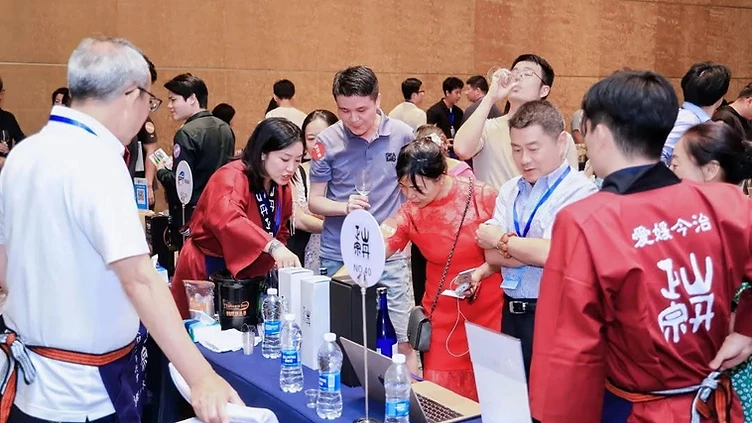
A comprehensive B2B strategic guide for international wineries on finding local wine partners in China, covering partner selection criteria, due diligence, commercial negotiation, and route-to-market execution.
Finding local wine partners in China requires moving away from speculative volume deals toward targeted distribution architectures built on verified compliance, cold-chain competence, and regional market access. For international wineries entering or repositioning within Mainland China, navigating the ecosystem of importers, primary distributors, sub-distributors, and omnichannel retailers demands an analytical approach to commercial partner selection.
According to analysis published by the EU SME Centre (2023), long-term market sustainability in China depends fundamentally on establishing the right local commercial relationships and moving past short-term speculative container sales. Producers must identify partners capable of managing customs registration, inventory velocity, brand equity preservation, and channel-specific margins across varied regional markets.
Understanding the Chinese Wine Distribution Landscape
To identify and qualify the right counterpart, foreign producers must dissect how imported wine flows from ports of entry to end consumers. The historical model—where a single national state-owned enterprise or large-scale distributor held blanket exclusive rights across China—has largely given way to specialized, regionalized distribution models.
1. Direct Importers with National Logistics
National importers maintain direct import licenses, customs clearance capabilities, bonded warehousing infrastructure, and regional sales teams across Tier-1 and major Tier-2 cities. While these partners offer immediate scale, their portfolios are often heavily populated with global heritage brands. Emerging or mid-tier wineries risk becoming passive SKUs in large catalogs unless dedicated marketing co-investment and volume minimums are established early.
2. Regional Specialist Importers and Distributors
Regional players operate within specific geographic clusters such as the Yangtze River Delta (Shanghai, Hangzhou, Ningbo), the Greater Bay Area (Guangzhou, Shenzhen, Dongguan), or South-Western consumption centers (Chengdu, Chongqing). These operators frequently demonstrate higher channel intimacy, stronger relationships with local on-trade (HORECA) venues, and dedicated corporate gifting networks. For medium-sized family estates and premium boutique wineries, regional specialists often provide far higher portfolio focus and sustained brand building than overextended national distributors.
3. Omnichannel and Digital-First Distributors
As noted by market analysis from Statista (2024), digital distribution and specialized online retail networks have become vital growth engines for the Chinese wine category. These partners manage logistics integration across JD.com, Tmall, Douyin, and WeChat Mini Programs. Partnering with a digital-first distributor requires distinct commercial terms, specifically strict inventory turnover rates, pricing guardrails to prevent grey-market discounting, and dedicated digital marketing assets.
Step-by-Step Methodology: Vetting and Qualifying Wine Partners
Finding a partner is an operational process that must be governed by rigorous vetting rather than subjective meetings. International producers should execute a sequential evaluation process before committing to distribution contracts.
Step 1: Legal and Operational Due Diligence
Before shipping samples or signing letters of intent, verify the prospective distributor's corporate legitimacy. Essential checkpoints include:
- Business License Verification: Confirm the company is registered with the State Administration for Market Regulation (SAMR) and holds a valid food circulation permit.
- Customs Registration: Ensure the partner holds an active China Customs registration code (CR Code) and has demonstrated experience filing foreign wine shipments through the General Administration of Customs of China (GACC).
- GACC Foreign Facility Registration: Foreign wine exporters must themselves maintain an active GACC registration. A qualified importer will assist in verifying that your enterprise's Single Window GACC credentials align with domestic clearance specifications.
Step 2: Channel Fit and Portfolio Analysis
Evaluate the prospect’s current brand portfolio to determine commercial viability. Avoid distributors carrying direct, lower-priced competitors from your same appellation unless they operate distinct divisional sales teams. Inquire specifically about their active account count in high-margin dining, specialized wine bars, private enterprise accounts, and retail outlets. Review how the producer can leverage professional trade channels, including pre-scheduled sessions arranged through Business Matching, to inspect distributor profiles before initiating off-line contract negotiations.
Step 3: Warehouse and Cold-Chain Infrastructure
China’s regional climates range from sub-tropical humidity in Southern China to extreme freezing temperatures in Northern provinces during winter. Inquire directly about temperature-controlled logistics. A credible importer must operate climate-controlled warehousing (ideally 12°C–18°C) at primary ports such as Shanghai, Ningbo, or Shenzhen, as well as insulated transport during inland haulage. Unregulated logistics lead directly to cooked wine, volatile acidity spikes, and damaged reputation upon shelf arrival.
Commercial Contracting: Terms, Exclusivity, and Brand Protection
Negotiating with Chinese wine distributors requires clear, enforceable contract structures that align incentives while minimizing operational risk.
The Exclusivity Question: Territorial vs. National
One of the most common strategic missteps made by foreign wineries is granting unearned national exclusivity upon the initial order. Given the continental scale of China's market, few distributors possess genuine, deep reach across all provinces. Best practice dictates granting conditional territorial exclusivity—such as provincial exclusivity for Guangdong or Zhejiang—tied strictly to non-refundable minimum purchasing milestones, phased order delivery schedules, and clear marketing reinvestment percentages.
Intellectual Property and Trademark Safeguards
China operates under a strict "first-to-file" trademark regime. Prior to sharing technical spec sheets, product imagery, or negotiating distribution contracts, register your brand name, logo, label designs, and official Chinese-character transliterations directly with the China National Intellectual Property Administration (CNIPA). Never allow an importer or commercial agent to register your brand or its Chinese name on your behalf; the brand owner must hold proprietary title to maintain commercial leverage and avoid trademark squatting.
Price Integrity and Channel Margins
Structure price ladders clearly from Ex-Works (EXW) or Free on Board (FOB) up to recommended retail prices (RRP). Chinese import structures incur customs tariffs (dependent on country of origin and bilateral trade agreements), value-added tax (VAT, typically 13%), and statutory consumption taxes. Importers, secondary wholesalers, and on-premise venues each require defined operating margins. Establishing contractual minimum advertised pricing (MAP) clauses helps prevent destructive discounting on open e-commerce platforms that undermines premium positioning.
Where and How to Connect with Qualified Buyers
Securing productive wine partnerships requires structured face-to-face commercial dialogue. As outlined in guidelines from the U.S. International Trade Administration (2025), visiting the market and participating in recognized commercial matchmaking environments remain indispensable strategies for verifying partner capabilities in China.
Producers seeking qualified regional buyers should leverage high-density trade environments where pre-screened importers and tier-1 distributors convene. Preparing for physical trade events allows producers to inspect distributor portfolios, evaluate on-the-ground market dynamics, and consult Market Insights to tailor presentation decks to regional buyer demands. For international estates preparing commercial delegations, securing organizational details via Invitation Letter and Visa Support ensures commercial personnel can execute meetings in major trading hubs like Guangzhou without operational delays.
Once dialogue begins, wineries can track buyer profiles and assess industry participation across the Exhibitor Directory to benchmark competitive positioning and understand how established brands distribute through specialized channels.
Sustaining the Partnership Post-Contract
Signing a distribution contract is not the end of market entry; it is the starting point. Wineries that sustain multi-year growth in China actively support their local partners through structured commercial collaboration:
- Educational Collateral and Brand Storytelling: Provide customized training assets for the distributor's sales team, including technical tasting notes translated into professional Mandarin and targeted food-pairing concepts relevant to regional Chinese cuisines.
- Masterclasses and Trade Tastings: Plan regular market visits featuring the winemaker or estate principal. Face-to-face engagements with VIP clients, sommeliers, and regional wholesalers significantly strengthen distributor commitment.
- Clear Audit Schedules: Establish bi-annual business reviews to analyze depletion data, inventory stock-to-sales ratios, and payment settlement flows. Transparent reporting prevents over-inventorying and helps both parties adjust vintage transitions seamlessly.
Conclusion
Finding reliable local wine partners in China requires combining strategic caution with commercial flexibility. By vetting regulatory credentials, negotiating structured territorial agreements, safeguarding intellectual property, and utilizing professional business matchmaking platforms, international wine brands can establish durable commercial routes into the world's most dynamic imported wine market.
Sources
- EU SME Centre. (2023). Report: China's Wine Markets: A Guide for Exporters. https://agora.mfa.gr/infofiles/2023-Report-Chinas-Wine-Markets-EU-SME-Centre%20cn.pdf
- Statista. (2024). Wine - China Market Forecast. https://www.statista.com/outlook/cmo/alcoholic-drinks/wine/china
- International Trade Administration, U.S. Department of Commerce. (2025). China - Market Entry Strategy. https://www.trade.gov/
Key Takeaways
- —Regional distribution agreements tied to performance metrics are typically far more effective for international wineries than granting unearned national exclusivity.
- —China operates a strict 'first-to-file' intellectual property system; trademark registration with CNIPA must occur prior to engaging in commercial partner negotiations.
- —Operational vetting must verify that prospective partners hold active SAMR business licenses, direct GACC clearance capabilities, and certified cold-chain warehousing.
- —Producers should structure contracts with clear minimum order quantities (MOQs), joint marketing commitments, and strict minimum advertised pricing (MAP) protections.
- —Targeted B2B trade platforms and verified business matching provide direct access to pre-screened importers, significantly reducing the commercial risks of market entry.
Frequently Asked Questions
Should a winery grant national exclusivity to a Chinese wine distributor?
Granting national exclusivity on initial contracts is generally discouraged unless the distributor demonstrates verified, nationwide sub-distribution networks and commits to significant, non-refundable minimum purchasing volume. Most successful wineries begin with regional exclusivity (e.g., Eastern China or Southern China) tied strictly to quarterly volume benchmarks.
What regulatory licenses must a local Chinese wine partner hold?
A qualified Chinese wine partner must possess a standard business license registered with the State Administration for Market Regulation (SAMR), a valid food circulation permit covering alcoholic beverages, and an active Customs Registration Code (CR Code) issued by the General Administration of Customs of China (GACC) to clear imported wine directly.
How can foreign wineries protect their brand trademarks in China?
Wineries must register both their original Latin brand name and their official Chinese transliterated trademark directly with the China National Intellectual Property Administration (CNIPA) under the relevant product classes before entering commercial negotiations or sharing label designs with domestic distributors.
What role does temperature-controlled logistics play in partner selection?
Because China experiences diverse climate extremes, partner selection must require verification of climate-controlled bonded storage (12°C–18°C) and refrigerated or insulated domestic logistics to prevent heat or frost damage to the wine during transit.
How do structured business matching sessions assist in finding Chinese wine buyers?
Professional business matching services pre-screen importers based on purchasing capacity, regional channel focus (such as HORECA, corporate gifting, or e-commerce), and portfolio compatibility, allowing international wineries to conduct focused negotiations with pre-qualified buyers.