What Chinese duty-free buyers Expect From Imported Wine Brands
Discover what Chinese duty-free buyers expect from imported wine brands, from Hainan offshore retail requirements and travel gifting SKUs to strict supply chain guarantees.
Chinese duty-free buyers operate under commercial dynamics distinct from mainland China's general trade distributors. Navigating international duty-free concessions, airline retail, or the booming offshore duty-free ecosystem of Hainan Free Trade Port requires understanding that buyers do not assess imported wine purely as table beverage stock. Instead, they view it as high-turnover luxury inventory, prestige travel gifting, and a reflection of consumer status. To secure shelf space and sustainable purchase orders, international wineries must understand what Chinese duty-free procurement directors demand before entering negotiations.
The Shift in Chinese Travel Retail: Beyond General Trade
Mainland domestic distribution focuses on on-premise dining, corporate banquet allocations, and regional e-commerce, whereas Chinese travel retail targets mobile, affluent travelers seeking curation, exclusivity, and tax savings. Following China's Ministry of Finance expansion of Hainan’s offshore duty-free allowances to RMB 100,000 per person annually, Hainan has transformed into an indispensable showroom for prestige imported wines. In this commercial channel, buyers manage high retail rents, strict shelf-productivity thresholds, and immediate brand visibility requirements. If your brand cannot drive spontaneous basket additions or serve as an undeniable prestige gift, buyers will allocate limited square footage to established cognac, baijiu, or single malt alternatives.
Core Criteria: What Chinese Duty-Free Buyers Demand
                  ┌──────────────────────────────────────────────┐
                  │   Duty-Free Buyer Procurement Scorecard      │
                  └──────────────────────┬───────────────────────┘
                                         │
         ┌───────────────────────────────┼───────────────────────────────┐
         ▼                               ▼                               ▼
┌─────────────────┐             ┌─────────────────┐             ┌─────────────────┐
│ Brand Equity &  │             │ Channel & SKU   │             │ Compliance &    │
│ Gifting Appeal  │             │ Exclusivity     │             │ Price Integrity │
├─────────────────┤             ├─────────────────┤             ├─────────────────┤
│• Third-party    │             │• Travel Retail  │             │• Clear border   │
│  prestige       │             │  Exclusive pack │  clearance    │
│• Secondary      │             │• Twin-packs &   │• Strict Gray- │
│  packaging      │             │  gift sets      │  market curbs │
│• Localized name │             │• Differentiated │• Guaranteed   │
│  recognition    │             │  ABV or vintage │  temperature  │
└─────────────────┘             └─────────────────┘             └─────────────────┘
1. Uncompromising Brand Equity and Gift-Ready Packaging
Chinese duty-free shoppers prioritize purchasing for social currency, business reciprocity, or family gifts. Research published in the Journal of Wine Economics (2020) and consumer behavior studies confirm that Chinese wine choices remain intensely motivated by status and peer recognition. A duty-free buyer cannot spend months educating walk-in airport foot traffic on an obscure regional varietal. Buyers expect:
- Established origin credibility: Recognized designations from Bordeaux, Burgundy, Napa Valley, Barossa Valley, or Mendoza.
- Flawless secondary packaging: Premium outer gift boxes, embossed wooden cases, or commemorative presentation tins designed to withstand air travel luggage.
- Localized branding cues: A well-chosen Chinese brand name registered and marketed with cultural resonance, as highlighted in trade entry studies published by China Briefing in 2025.
2. Travel Retail Exclusives (TRE) and Distinct SKUs
A primary operational fear of duty-free operators (such as China Duty Free Group, CNSC, or regional operators) is cross-channel showrooming. Travelers standing in Sanya or Haikou will scan a bottle on WeChat or JD.com. If the duty-free retail price is undercut by mainland grey-market parallel importers, or if the wine is perceived as an everyday supermarket commodity, the consumer walks away.
Buyers demand channel differentiation:
- Dedicated Travel Retail Exclusives (TRE): Bespoke vintage blends, numbered single-barrel editions, or unique twin-packs designed specifically for duty-free boutiques.
- Pack format variations: 1-liter bottles, special presentation formats, or multi-bottle cellar collections that prevent direct 750ml e-commerce barcode comparison.
- Cross-channel pricing harmony: Contractual guarantees that your winery actively enforces distributor territorial boundaries to prevent parallel stock leakage.
3. Diversified Portfolio Architecture: Sparkling, Whites, and Low-ABV
While traditional red blends historically dominated imports, merchant forecasting compiled in the ProWine Business Report (2025) demonstrated that over 50% of surveyed trade merchants anticipate shifting consumption profiles, with surging interest in sparkling wines, crisp dry whites, and lighter styles. Female professionals and younger travelers in airport duty-free hubs increasingly pick up Champagne, Prosecco, or premium New World whites for leisure and staycations. Duty-free buyers look for forward-looking brands that can balance an ultra-premium red flagship with refreshing, modern SKUs that attract next-generation consumers.
4. Absolute Regulatory Compliance and Climate-Controlled Logistics
Duty-free bonded warehouses operate under meticulous oversight from the General Administration of Customs of China (GACC). Buyers expect zero administrative friction from their suppliers:
- GACC Overseas Food Manufacturer Registration (Decree 248): Verified export compliance and uninterrupted customs registration credentials.
- Flawless product documentation: Accurate certificates of origin, laboratory analysis reports, and bilingual sanitary documentation ready for bonded entry.
- Cold-chain integrity: Duty-free retailers cannot risk heat damage that destroys high-end wines during transit through tropical hubs like Hainan or southern Guangdong. Suppliers must guarantee temperature-controlled reefers from cellar door to bonded handover point.
Operational Decision Framework: General Trade vs. Duty-Free
| Operational Dimension | Chinese General Trade Distributor | Chinese Travel Retail / Duty-Free Buyer | | :--- | :--- | :--- | :--- | | Target Consumer | Regular dining, banquets, private corporate clients | Mobile tourists, business executives, gift-seekers | | SKU Focus | Standard commercial 750ml portfolio across price points | Luxury tiers, gift boxes, Travel Retail Exclusive formats | | Price Verification | Managed across national wholesale and e-commerce listings | Strictly audited to avoid showrooming against mainland retail | | Volume Commitment | Staged container shipments over seasonal replenishment cycles | High-volume consolidated POs tied to travel peaks and holiday spikes | | Buyer Negotiation Focus| Marketing co-op funds, local tasting support, exclusivity | Turn-rate margin, exclusive presentation, bonded port delivery reliability |
Common Strategic Pitfalls to Avoid
Wineries pitching travel retail buyers often fail by approaching them as standard retail category managers. Common errors include:
- Offering standard domestic retail labels: Presenting off-the-shelf labels with no unique story, gift wrapping, or travel-specific incentive.
- Inability to protect retail margins: Permitting unauthorized gray-market imports to flood Chinese domestic e-commerce platforms, completely eroding duty-free price integrity.
- Underestimating sales-support collateral: Expecting airport staff to explain terroir without supplying Mandarin digital training tools, video assets for retail touchscreens, or structured staff tasting kits.
Preparing for In-Person Procurement Meetings
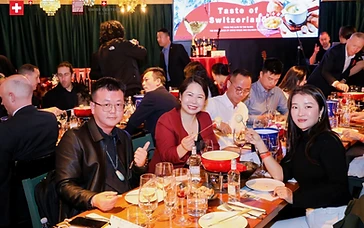
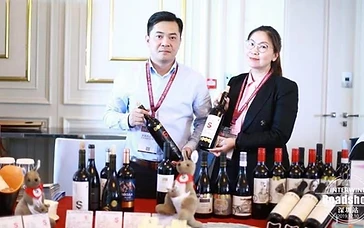
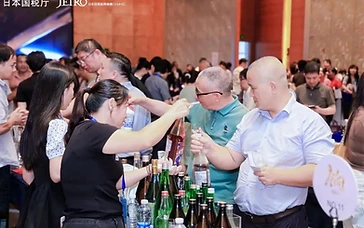
Duty-free procurement teams do not source blindly from digital catalogues. They require hands-on evaluation of bottle weight, closure security, gift box texture, and palate accessibility. In-person industry gatherings remain the definitive proving ground for brand owners looking to close volume contracts.
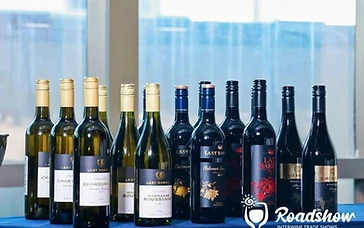
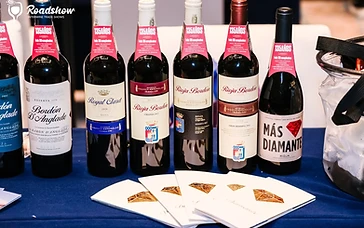
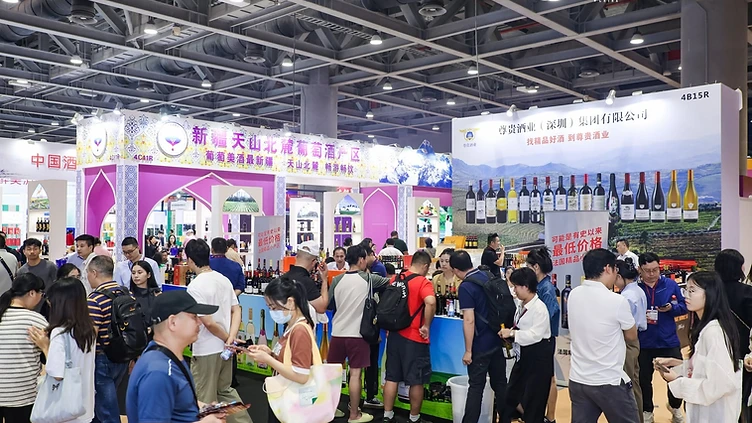
Producers seeking direct engagement with mainland retail and travel procurement directors leverage industry platforms like the annual INTERWINE trade shows. Brand leaders who strategically become an exhibitor gain structured access to vetted importers, travel-retail sourcing liaisons, and high-volume corporate channel executives. Preparing for these meetings involves consulting up-to-date market insights, securing clear product allocations, and setting up dedicated business matching meetings.
Connecting directly with Chinese enterprise buyers allows winery export directors to negotiate realistic channel-exclusive agreements, refine presentation packaging to meet domestic luxury standards, and build a lasting distribution footprint.
Sources
- General Administration of Customs of China (GACC) - Official Import Regulations and Decree 248 Guidelines: http://english.customs.gov.cn/
- China Briefing - China's Wine Market Outlook: Trends and Opportunities: https://www.china-briefing.com/news/chinas-wine-market-outlook-trends-and-opportunities
- ProWine Trade Fair - ProWine Business Report: Global and Asian Wine Market Trends: https://www.prowine.com
- Journal of Wine Economics - Analysis of Chinese Wine Imports and Tariff Shifts: https://www.cambridge.org/core/journals/journal-of-wine-economics
Key Takeaways
- —Chinese duty-free buyers treat imported wine as luxury travel gifts and impulse prestige purchases, not regular table stock.
- —Hainan's Free Trade Port offshore allowance (RMB 100,000) drives significant volume for exclusive, high-end gift sets.
- —Travel Retail Exclusives (TREs) and unique packaging formats are critical to prevent price comparison with domestic e-commerce.
- —Procurement requires strict compliance with GACC Decree 248 registration and unbroken reefer cold-chain logistics.
- —While red wine retains premium banquet dominance, buyer demand for sparkling, white, and low-ABV wines is expanding rapidly.
Frequently Asked Questions
Why do Chinese duty-free buyers require Travel Retail Exclusive (TRE) SKUs?
Travel Retail Exclusives prevent immediate online price comparison with domestic Chinese e-commerce platforms like JD.com and Tmall. If a consumer can find the identical 750ml bottle cheaper on domestic general trade channels due to parallel imports, the duty-free outlet loses conversion and prestige.
What role does the Hainan Free Trade Port play in Chinese wine procurement?
Hainan allows domestic travelers an offshore duty-free shopping quota of RMB 100,000 per person per year. This policy has turned Hainan into China's primary hub for travel retail, prompting buyers to procure high-end, beautifully packaged wines and spirits tailored for holidaymakers and business gifts.
What regulatory documentation must wine exporters provide for Chinese bonded retail?
Exporters must hold valid GACC Overseas Food Manufacturer Registration (Decree 248), bilingual commercial invoices, detailed packing lists, official Certificates of Origin, Certificate of Health/Sanitation, and laboratory test analysis reports verifying that product additives comply with national GB standards.
How can wineries meet with qualified Chinese duty-free sourcing directors?
Wineries can target specialized B2B trade platforms like INTERWINE to engage directly with licensed duty-free concessionaires, state-owned trading houses, and regional travel retail distributors through organized pre-scheduled business matching sessions.