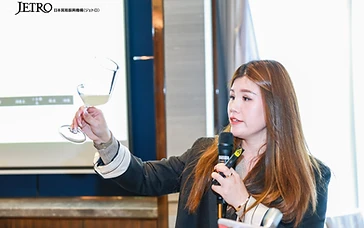
What Chinese e-commerce buyers Expect From Imported Wine Brands
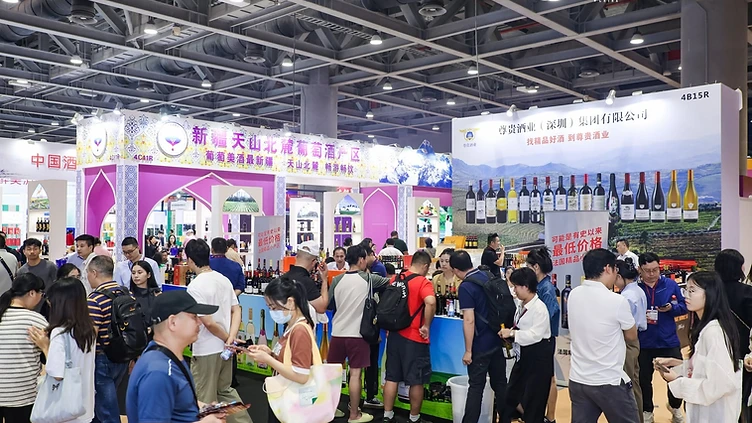
Discover what Chinese e-commerce buyers look for when importing wine brands. From Douyin live-commerce and price architecture to rapid fulfillment and IP localization, learn how to position your winery for success.
Chinese e-commerce buyers evaluate imported wine brands based on strict digital commercial realities: proven digital storytelling assets, rigid channel margin protection, cross-border or bonded logistics readiness, localized trademark registration, and an agile product mix tailored to millennial and Gen Z consumption patterns. For international winery export directors, entering China's digital shelves is no longer a matter of simply shipping container inventory to an off-trade wholesaler; it demands direct alignment with platform algorithms, short-video commerce ecosystems, and channel-exclusive SKUs.
According to China Briefing (2025), citing data from the International Wines and Spirits Record (IWSR), China’s beverage alcohol e-commerce market is projected to expand at a compound annual growth rate (CAGR) of 6% through 2027, commanding approximately 40% of the entire global online alcohol retail market. As China's digital retail landscape diversifies across traditional marketplaces like Tmall and JD.com into live-streaming hubs such as Douyin (TikTok) and social commerce mini-programs on WeChat, the profile and expectations of wine category procurement directors have shifted dramatically.
To build long-term volume and protect brand equity, international wineries must examine what digital procurement teams, multi-channel network (MCN) operators, and online brand operators (Trade Partners or TPs) actually expect before signing supply contracts.
1. Digital Content Assets and Video-First Storytelling
Traditional specification sheets, PDF tasting cards, and European awards carry little conversion weight on Chinese mobile platforms. E-commerce wine merchants need content that can be immediately adapted into viral short videos and dynamic live-stream formats.
The Shift to Douyin and Live-Streaming Commerce
Procurement managers on channels like Douyin, Kuaishou, and Xiaohongshu (RED) operate in seconds, not minutes. Buyers expect imported wine brands to deliver high-resolution digital multimedia kits upon contract signing. These kits must feature:
- Crisp vertical video assets illustrating the vineyard, harvest, and cellar operations.
- Clear, localized visual hooks explaining sensory notes in direct Mandarin terminology rather than obscure European tasting notes.
- Visually striking, shelf-popping packaging that catches the consumer's eye within three seconds of scrolling a live broadcast feed.
As reported in VVR International's 2026 Wine Market Analysis, Chinese wine drinkers are increasingly concentrated in the 30-to-49 age demographic, and their discovery and purchasing habits are heavily governed by digital advertising, Key Opinion Leaders (KOLs), and instant social-commerce touchpoints. Importers buying stock for digital storefronts expect foreign brands to co-fund or supply localized digital marketing materials so their domestic marketing teams do not have to recreate creative assets from scratch.
2. Channel Segmentation and Disciplined Price Architecture
Price erosion represents the single biggest operational hazard for wine brands entering Chinese e-commerce. Because price comparison bots scan Tmall, JD.com, Taobao, and Pinduoduo in real time, a single retailer discounting an open-market SKU can instantly freeze procurement demand across all other channels.
+------------------------------------------------------------------------+
|                 E-COMMERCE PRICING ARCHITECTURE                         |
+------------------------------------------------------------------------+
|  Flagship SKU (D2C)        Live-Stream Flash SKU    Social Gift SKU     |
|  Tmall / JD Official       Douyin / Kuaishou        WeChat Mini-Programs|
|  - Strict MSRP floor       - Unique packaging/label - Premium gift box  |
|  - Brand equity anchor     - Deep volume promotion  - Bundle incentive  |
+------------------------------------------------------------------------+
Online buyers demand exclusive SKUs or clearly delineated packaging variants. They expect foreign brand owners to offer:
- Differentiated Digital Labels: Unique front labels, specific closures, or bespoke vintage packs curated solely for e-commerce distribution.
- Enforceable Minimum Advertised Price (MAP) Policies: Online buyers will not invest working capital into your inventory if grey-market importers or parallel traders undercut retail prices on secondary platforms.
- Healthy Channel Margins: Running traffic acquisition ads, paying live-streamer commissions (which regularly reach 20% to 35% of gross merchandise value), and funding return shipping require wineries to structure FOB pricing that preserves gross profit margins for the local merchant.
Wineries looking to connect directly with digital channel partners can establish clear price control frameworks and find vetted distributors by planning to Become an Exhibitor at upcoming trade showcases.
3. Product Diversification Beyond Heavy Red Blends
For decades, the imported wine segment in China was overwhelmingly dominated by Bordeaux-style dry red blends intended for formal banquet banqueting. Today, online retail demands an entirely different product mix.
According to the USDA FAS Wine Market Update (2026), consumption occasions across China have pivoted decisively toward informal home drinking, relaxed social gatherings, and outdoor activities like glamping. This consumer trend has driven commercial purchasing managers to seek:
- Aromatic and Crisp Whites: Sauvignon Blanc, dry Riesling, and unoaked Chardonnay designed for modern urban professionals.
- Sparkling and Pet-Nat Categories: Accessible Prosecco, Cava, Champagne, and fruit-forward sparkling wines that resonate with female and younger demographics.
- Low-ABV and Single-Serve Packaging: Half-bottles (375ml), canned wines, and lower-alcohol styles that support casual, solo consumption.
Furthermore, the USDA report highlights that retail category buyers in tier-one and tier-two cities prioritize sustainable, organic, and biodynamic viticulture certifications, which can be leveraged as digital selling propositions on premium e-commerce apps.
4. Supply Chain Agility: Bonded Warehousing and Micro-Shipments
E-commerce is inherently volatile; consumer demand fluctuates dramatically around annual shopping holidays such as 618 (June) and Double 11 (Singles' Day in November). Digital buyers can no longer afford to order four ocean containers on a six-month lead time without demand validation.
Cross-Border E-Commerce (CBEC) and Bonded Operations
Online category managers prefer partnering with wineries that support hybrid fulfillment models:
- Bonded Warehouse Stocking: Staging inventory in pilot Free Trade Zones (such as Ningbo, Shenzhen, or Shanghai) allows digital merchants to fulfill customer orders within 24 to 48 hours without paying upfront import tariffs and VAT until consumer checkout occurs.
- Rapid Sample Dispatch: Digital agencies move fast. If an MCN agency wants to vet a brand for an upcoming live-stream broadcast, they expect sensory samples to arrive within 72 hours, not four weeks from overseas.
- Temperature-Controlled Logistics Integrity: Chinese wine consumers are increasingly knowledgeable. Online buyers insist on strict cold-chain compliance guarantees to prevent thermal damage during transport, especially during summer distribution across southern China.
Exporters seeking firsthand guidance on consumer dynamics and regional logistics setups can track our regular analysis through Market Insights.
5. Intellectual Property and Localized Brand Identity
Sophisticated Chinese e-commerce operators will not touch an imported wine brand whose trademark rights are vulnerable to squatting or legal disputes. Before initiating commercial talks, digital merchants expect foreign wineries to show proof of legal registration in Mainland China.
The Importance of the Chinese Trademark
As emphasized by Dezan Shira & Associates / China Briefing (2025), establishing an authentic, carefully registered Chinese brand name (Zhongwen Ming) is critical for consumer recall and platform algorithm indexing. Chinese consumers rarely search for complex Western châteaux names in Latin characters; they search using native characters.
Wineries that fail to secure their Chinese trademark risk bad-faith registrations, which can freeze flagship store onboarding on Tmall Global or JD Worldwide. Online procurement specialists expect foreign brand owners to hold both Class 33 trademark registrations and official platform brand authorizations ready for upload.
Summary: How to Position Your Brand for E-Commerce Buyers
Winning contracts with Chinese e-commerce distributors requires moving beyond traditional cellar door narratives. Online buyers are calculating algorithms, digital customer acquisition costs (CAC), gross margin durability, and warehouse turn rates. When pitching your brand to digital merchants, ensure your proposal includes:
- A dedicated digital product catalog featuring accessible styles (whites, sparkling, fruit-forward profiles).
- Commercial pricing that protects distributor ad-spend and live-streaming margins.
- Pre-produced, high-resolution vertical video and short-form storytelling assets.
- Complete legal brand protection and Chinese name registration.
- Flexible logistics options compatible with bonded warehouses or mixed-pallet trials.
To discover vetted digital distributors, trade buyers, and importers who specialize in China’s dynamic online marketplace, wineries can access qualified commercial leads by choosing to Become an Exhibitor at the next INTERWINE exhibition.
Sources
- China Briefing / Dezan Shira & Associates (2025) - China's Wine Market Outlook: Trends and Opportunities
- USDA Foreign Agricultural Service (2026) - Wine Market Update 2026
- VVR International (2026) - The Chinese Wine Market in 2026: Trends and Consumption
Key Takeaways
- —China's online alcohol market is projected to expand at a 6% CAGR through 2027, commanding approximately 40% of the world's online alcohol retail market (IWSR/China Briefing, 2025).
- —Digital buyers require strict Minimum Advertised Price (MAP) enforcement and channel-exclusive SKUs to prevent cross-platform price wars on Tmall, JD.com, and Douyin.
- —Short-video content and live-stream readiness are mandatory; procurement teams favor wine brands offering vertical video libraries and localized visual tasting notes.
- —Younger urban consumers are shifting demand toward white wines, sparkling categories, organic certifications, and casual consumption styles (USDA FAS, 2026).
- —Holding registered Chinese trademarks (Class 33) and offering bonded-warehouse fulfillment compatibility are standard prerequisites for online category onboarding.
Frequently Asked Questions
What platforms dominate imported wine e-commerce sales in China?
Traditional B2C e-commerce is anchored by Tmall (Alibaba) and JD.com, while social commerce and live-streaming sales are heavily concentrated on Douyin (ByteDance), Kuaishou, and WeChat Mini-Programs. Lifestyle product discovery takes place largely on Xiaohongshu (RED).
Why do Chinese online wine buyers demand channel-exclusive SKUs?
Price transparency on Chinese digital channels is intense. Live-streamers and platform flagship stores demand distinct packaging, proprietary labels, or unique bottle formats so consumers cannot instantly match and undercut their pricing on competing platforms like Pinduoduo.
How important is a registered Chinese brand name for online wine sales?
A registered Chinese brand name is essential. Chinese mobile shoppers search using Chinese characters rather than Latin alphabets. Furthermore, digital marketplaces like Tmall and JD.com require formal trademark registration (Class 33) and brand authorization documents before allowing stores to open.
What wine styles are seeing the fastest growth in Chinese e-commerce?
While traditional dry red wine remains significant, digital channels are experiencing rapid growth in dry white wines (such as Sauvignon Blanc and Riesling), sparkling wines, low-alcohol fruit wines, and natural or organic certified wines suited for casual, at-home social occasions.
How can foreign wineries showcase their portfolio directly to Chinese digital wine buyers?
Participating in professional trade expos in China, such as INTERWINE, allows export managers to meet verified digital buyers, e-commerce brand operators (TPs), and live-streaming MCN agencies face-to-face to negotiate commercial supply partnerships.