Wine sample management for Wineries Exhibiting in China
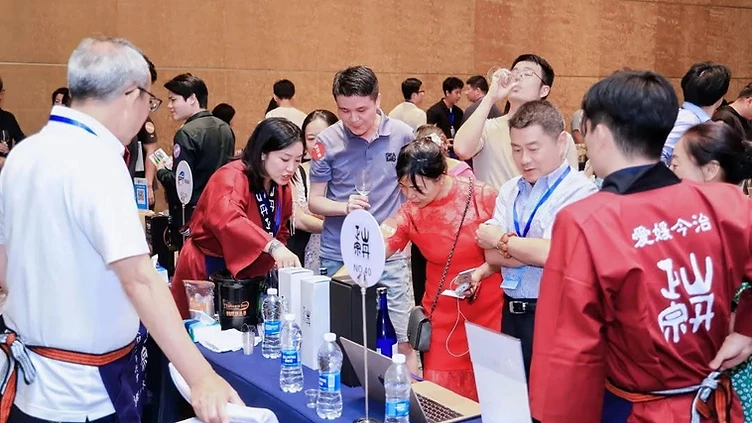
A comprehensive operational guide on wine sample management for international wineries exhibiting in China, detailing customs declarations, logistics, cold-chain handling, and on-site buyer engagement.
Professional wine sample management for wineries exhibiting in China determines whether an international brand successfully connects with qualified commercial distributors or encounters severe customs delays, spoiled vintages, and lost investments. China represents one of Asia's most sophisticated and demanding wine markets, with imports subjected to rigorous customs oversight governed by the General Administration of Customs of the People's Republic of China (GACC). Every bottle uncorked at an exhibition stand must pass through strict pre-shipment documentation, commodity inspections, and compliant tax calculations.
Navigating Chinese customs clearance for trade show display differs fundamentally from commercial pallet distribution. International producers must reconcile strict GACC regulatory compliance with precise on-site logistics, cold-chain freight preservation, and professional tasting workflows. Whether your winery is preparing for a landmark industry trade show like Interwine in Guangzhou or conducting localized private distributor roundtables, strategic sample management protects your product integrity and commercial return on investment.
Customs Import Pathways for Exhibition Wine Samples
When shipping promotional wine samples into mainland China, wineries face three distinct customs pathways. Each carries specific legal obligations, documentation thresholds, and cost implications:
1. ATA Carnet (Temporary Admission)
Under China Customs regulations, goods imported for official trade fairs and exhibitions can enter under an ATA Carnet. This internationally recognized customs document allows duty-free and tax-free temporary admission for exhibition goods.
- Commercial Realities: While ATA Carnets eliminate upfront duties, they require that all unconsumed goods be re-exported out of China under strict customs supervision. In the wine sector, customs officials must verify consumed bottles via formal "consumption certificates" or on-site destruction protocols witnessed by authorized exhibition agents. Due to paperwork complexity, ATA Carnets are generally preferred for non-consumable equipment or ultra-high-end masterclass bottles rather than broad tasting stock.
2. General Trade Clearance for Samples (Formal Duty-Paid Entry)
Most commercial wineries opt to clear exhibition samples under general trade mechanisms. Under this route, the wines are cleared as standard commercial imports, incurring standard customs duties and applicable taxes. According to guidelines compiled by Beverage Trade Network on China Wine Label and Import Requirements, even sample shipments sent to China must meet official import labeling standards and are subject to mandatory tariffs and domestic taxes.
- Tax Architecture: As outlined in customs guidelines published by BETTERluck Shipping on Wine China Customs Clearance, standard wine imports into China incur an import tariff (base rate typically 14% depending on country-of-origin free trade agreements), Value-Added Tax (VAT) of 13%, and a domestic Consumption Tax of 10%. Cleared bottles can remain in China post-fair for follow-up client tastings or private trade meetings without customs re-export penalties.
3. Official Exhibition Forwarder Consolidated Clearance
For major trade fairs, the event organizers designate an authorized official customs logistics broker. Under this framework, participating wineries ship their display samples to a consolidated warehouse hub in Europe, Oceania, or the Americas. The forwarder handles the group GACC entry, single-window commodity declaration, and delivery straight to the fair booth, mitigating individual consignee liabilities.
Mandatory Documentation and Pre-Clearance Compliance
Chinese customs clearance demands complete consistency across every operational document. Discrepancies between commercial invoices and back-label declarations lead to quarantine holds, laboratory re-testing, or return-to-origin mandates.
+-----------------------------------------------------------------------------------------+
|                    ESSENTIAL WINE SAMPLE DOCUMENTATION CHECKLIST                        |
+-----------------------------------------------------------------------------------------+
|  1. Certificate of Origin (Issued by national chamber or designated trade body)          |
|  2. Certificate of Analysis / Health Certificate (Oenological parameters & safety)       |
|  3. Commercial Invoice & Packing List (State: 'Samples for Exhibition Use - No Commercial|
|     Value', vintage, bottle volume, ABV %, and declared customs valuation)             |
|  4. Chinese Compliant Back Label Artwork (Pre-approved or registered)                   |
|  5. GACC Manufacturer Registration Number (Decree 248 compliance for wine producers)    |
|  6. Exhibition Official Booth Confirmation Letter & Customs Filing Permit               |
+-----------------------------------------------------------------------------------------+
Wineries must ensure that their manufacturing facility is registered with the GACC Single Window system, a requirement enforced across food and beverage imports under GACC Decrees 248 and 249. As detailed by the U.S. Alcohol and Tobacco Tax and Trade Bureau (TTB) on Wine Export to China, shipping descriptions require precise mandatory parameters, including brand name, geographical origin, vintage, net volume, alcohol by volume (ABV), and bottling date details.
Chinese Back-Label Regulations: Exhibition Exemptions vs. Rules
One of the most frequent friction points for international wineries is label compliance. The Standardization Administration of China enforces strict mandatory standards (such as GB 7718 and GB 15037) governing the labeling of prepackaged alcoholic beverages.
- The General Trade Requirement: All bottled wine cleared for commercial consumption in China must carry a permanent Chinese back label indicating product name, ingredients (including added sulfites), alcohol percentage, country of origin, net volume, bottling date, domestic importer/agent contact info, and health warnings.
- Exhibition Dispensation Realities: When shipping through an authorized exhibition channel under direct supervision, temporary waivers or simplified over-stickers may be permitted solely for closed-booth trade tastings. However, if the exhibitor intends to leave stock with prospective importers for post-fair commercial evaluation, formal compliant Chinese labels are strictly mandatory. International producers looking to evaluate regional compliance details can consult ongoing trade updates in Market Insights.
Logistics, Freight Selection, and Temperature Preservation
Preserving wine quality during international transit into China is paramount. Premature oxidation, heat spikes, and bottle shock ruin presentation-grade samples.
Air Freight vs. Temperature-Controlled Ocean Freight
- Air Freight (3–7 Days Transit): According to industry logistics analysis by Gerudo Logistics on Shipping Alcohol and Wine, air cargo offers the fastest delivery route and reduces thermal fluctuation risks during small batch launches and sample shipments. It remains the industry standard for sending 2 to 10 cases of high-value tasting samples ahead of critical buying deadlines.
- Reefer Ocean Freight (25–45 Days Transit): For large collective country pavilions or wineries shipping 50+ cases for multiple city roadshows, refrigerated sea containers (set firmly between 12°C and 16°C) offer economic viability. However, customs clearance at major coastal ports can add 7 to 14 days; wineries must budget departure dates at least 8 to 10 weeks prior to exhibition opening dates.
Avoiding the Summer and Holiday Thermal Traps
South China and coastal hubs experience elevated ambient temperatures and high humidity from late spring through early autumn. Samples transported in non-insulated vans or unconditioned dock warehouses will suffer rapid structural degradation. Ensure your freight partner contracts dedicated reefer road haulage from airport cargo facilities directly to the venue's bonded exhibition storage.
Booth-Level Sample Management and Tasting Protocols
Arriving with intact samples is only half the battle; how samples are staged at the booth determines commercial conversion with distributors, wholesalers, and hospitality buyers.
1. Volume Forecasting: The "Rule of 36"
For a standard three-day professional trade exhibition, allocate sample volumes based on focused tasting pours rather than open-bar hospitality:
- Standard Pour Size: 30 ml to 45 ml per prospective trade buyer.
- Bottles Per SKU: An average 750 ml bottle provides 16 to 20 professional tasting pours. For a featured flagship SKU, plan for a minimum of 6 to 8 bottles per exhibition day, equating to roughly 2 cases (24 bottles) per core SKU across the event duration.
- Tiered Allocation: Reserve ultra-premium or reserve vintage bottles under the counter, pouring them strictly for vetted buyers during pre-scheduled commercial discussions.
2. Thermal Recovery and Acclimatization
Samples arriving by air freight require 48 to 72 hours of stable, cool rest to recover from bottle shock before being uncorked. Coordinate early freight delivery through your booth partner or forwarder so that wines rest in a climate-controlled room prior to show opening.
3. Glassware, Preservatives, and Chilling Infrastructure
- Maintain dedicated dual-zone wine chillers or rapid-chill ice baths with water-ice mixtures to hold white, rosé, and sparkling wines at 6°C–9°C, while preventing red varietals from exceeding 18°C in heated exhibition halls.
- Utilize inert gas preservation systems (such as argon canisters or Coravin systems) for high-tier library samples to avoid discarding half-empty premium bottles between exhibition days.
Translating Sample Tastings into Concrete Commercial Orders
Exhibiting samples without a structured post-tasting commercial protocol results in wasted marketing expenditure. Chinese buyers expect clear, immediate commercial answers following a positive tasting:
- Bilingual Technical Sheets: Complement every sample bottle with digital (WeChat QR code) and laminated Mandarin-English tasting sheets detailing CIF/FOB pricing tiers, minimum order quantities (MOQs), pallet configurations, and laboratory analytical values.
- Sample Handover Agreements: When high-interest regional distributors request leftover unopened bottles to show their internal tasting committees, log their company credentials, regional distribution territory, and WeChat contact. Provide bottles with formal distributor sample receipts.
- Direct Trade Follow-Up: Use on-site buyer interactions to immediately arrange bilateral negotiations via Business Matching services, locking in post-show commitments while sensory impressions remain fresh.
To maximize brand exposure, connect with certified regional importers, and secure prime exhibition positioning across mainland China, brands are encouraged to Become an Exhibitor at Interwine.
Conclusion: Precision Operations Protect Brand Equity
Wine sample management for wineries exhibiting in China is an operational science that bridges strict GACC compliance, sophisticated temperature-controlled logistics, and disciplined trade booth execution. By selecting the appropriate customs clearance avenue, verifying documentation well in advance, protecting wines from thermal volatility, and implementing rigorous pouring protocols, international producers safeguard both their physical product and their commercial credibility in the world's most dynamic wine market.
Sources
- Beverage Trade Network (BTN): China Wine Label and Import Requirements – https://beveragetradenetwork.com/en/btn-academy/articles/china-wine-label-and-import-requirements-your-quick-guide-compliance-on-preparing-for-china-wine-market-530.htm
- U.S. Alcohol and Tobacco Tax and Trade Bureau (TTB): Wine Export to China: Regulatory Guidance and Requirements – https://www.ttb.gov/import-export/itd/wine-export-china
- Wine Australia: China Export Market Guide: Duties, Taxes and Compliance – https://www.wineaustralia.com/selling/export-market-guide-china
- BETTERluck Shipping: Wine China Customs Clearance, Pickup, Warehousing & Delivery – https://www.blshipping.com/agent/Wine_China_Customs_Clearance_Pickup_Warehousing_Delivery
Key Takeaways
- —Wineries must choose between ATA Carnet, General Trade, or Official Consolidated Forwarder clearance paths based on whether leftover bottles will be destroyed, re-exported, or kept for commercial follow-up.
- —China Customs (GACC) enforces mandatory registration (Decrees 248/249) and exact consistency across commercial invoices, certificates of origin, and laboratory health analyses.
- —Air freight is strongly recommended for 2–10 case tasting samples to avoid port delays, while temperature-controlled reefer storage (12°C–16°C) is non-negotiable in warm seasons.
- —Calculate sample stock requirements using a standard 30–45 ml pour, budgeting approximately 24 bottles per core SKU across a standard three-day exhibition.
- —Compliant Chinese back-labeling is legally required if samples are distributed directly to prospective commercial partners after the exhibition.
Frequently Asked Questions
Can I bring wine samples into China in my personal passenger luggage?
While Chinese customs permits incoming international passengers to carry limited quantities of alcohol duty-free for personal consumption (typically up to 1,500 ml / two standard bottles of wine), carrying commercial or exhibition samples in passenger luggage is strongly discouraged. Airport customs officials may confiscate quantities exceeding personal limits or demand commercial declaration, which requires an in-country licensed consignee.
What happens to unconsumed wine samples after an exhibition in China?
If entered under an ATA Carnet, unconsumed bottles must either be formally re-exported out of China under customs supervision or destroyed on-site with an official CIQ/Customs destruction record. If entered via standard general trade clearance with import duties and taxes fully paid, unconsumed bottles can remain legally in China for follow-up importer tastings or distributor presentations.
Do wine samples for exhibition require Chinese back labels?
If samples are shipped via official exhibition forwarders solely for controlled tastings at the trade show booth, temporary labeling dispensations or standard over-stickers are frequently accommodated. However, any bottle gifted, handed over, or distributed to prospective importers outside the bonded venue must bear fully compliant GB-standard Chinese back labels.
How long in advance should wineries ship wine samples to an exhibition in China?
For air freight shipments, wineries should dispatch samples 4 to 6 weeks before the fair opens to allow ample time for customs inspection, potential document queries, and wine rest. For sea freight (reefer containers), dispatch should occur 8 to 12 weeks prior to opening day.
How many sample bottles should a winery budget for an exhibition booth?
For an active 3-day wine fair, plan for 18 to 24 bottles (1.5 to 2 cases) per core SKU. With standard tasting pours of 30 ml to 45 ml, each 750 ml bottle yields 16 to 20 tastings. Higher-tier reserve wines can be limited to 3 to 6 bottles, reserved exclusively for pre-vetted buyer meetings.