Thailand Wine Market Entry Guide for International Brands
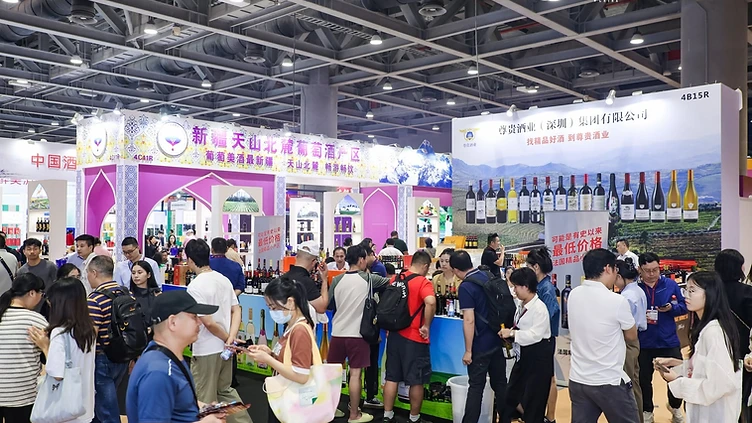
A commercial roadmap for international wineries entering Thailand, covering tariff cuts, sole importer deregulation, FDA compliance, and channel distribution.
Southeast Asia's wine landscape is experiencing a profound commercial realignment, and Thailand is leading that shift. For international wineries seeking sustainable export margins, the country has evolved from an overly protected, high-tariff niche into an accessible, premium-driven destination. Driven by surging luxury tourism, a flourishing urban dining scene in Bangkok, and sweeping regulatory overhauls enacted by the Thai Ministry of Finance, the country offers high-value commercial potential across the Association of Southeast Asian Nations (ASEAN) economic bloc.
Successfully scaling distribution within Thailand requires moving past simplified assumptions about tropical wine consumption. Importers and brand owners face strict packaging mandates, unique retail sales windows, complex excise calculations, and an evolving distributor ecosystem. This comprehensive operational guide outlines the market mechanics, tariff reforms, regulatory hurdles, and distribution strategies essential for entering Thailand's wine sector.
Thailand Macro Wine Market Dynamics: Tourism and Premiumization
Thailand's domestic wine production—principally known through limited "new latitude" vineyards in Hua Hin and the Asoke Valley—accounts for only a fraction of total domestic consumption. Consequently, Thailand relies heavily on imported wine across both retail (at-home) and hospitality (out-of-home) segments.
According to an attaché report from the USDA Foreign Agricultural Service (2026), Thailand's imported wine sector is expanding on the back of resilient luxury tourism, expanding hospitality infrastructure, and consumer trading-up. Demonstrating this momentum, USDA FAS data shows Thailand imported $14 million worth of U.S. wines in 2025 alone—representing a 25 percent increase over 2024. Furthermore, international tourist arrivals rebound to dozens of millions annually, driving high inventory turnover across luxury resorts in Phuket, Koh Samui, Chiang Mai, and upscale dining enclaves in Bangkok.
Consumer demographics have similarly diversified. Historically concentrated among affluent expatriates and elite business families, wine consumption is now embraced by upper-middle-class Thai professionals and younger legal-drinking-age consumers. This group actively explores medium-to-premium red wines, aromatic whites suited to spicy gastronomy, and sparkling varieties for social celebrations. Producers monitoring regional trends through Market Insights will note that Thailand exhibits high average retail spending per bottle, compensating for lower overall per-capita volume compared to Western markets.
Regulatory Landscape: Tariff Relief and the End of Sole Importers
The commercial landscape for international wine producers shifted significantly following key fiscal and structural policy updates by Thai authorities.
Import Duty Adjustments
Historically, imported wines faced compounding tariffs that often escalated retail shelf prices by two to three times their original Free On Board (FOB) valuation. However, the Thai government implemented significant tariff overhauls starting in 2024, eliminating or substantially cutting direct import duties on select wine categories to stimulate the broader tourism economy, as documented by the USDA Foreign Agricultural Service (2026).
While customs import duties have dropped, international brands must still account for Thailand's domestic excise structure, municipal taxes, health surcharges (such as the Thai Health Promotion Foundation levy), and a standard 7% Value Added Tax (VAT). In total, excise calculations remain based on declared retail selling price bands and alcohol-by-volume (ABV) tiers administered by the Thai Excise Department.
Dismantling the Sole Importer Restriction
In a landmark competitive shift reported by Vinetur (2026), Thailand moved to liberalize its market by ending the long-standing "sole importer" rule for wine. Under Ministerial Regulation on the Importation of Alcoholic Beverages (No. 3) 2026, issued on March 27, 2026, followed by Excise Department notifications, grape-based wine and sparkling wine were exempted from the mandatory single-agent requirement.
Previously, an overseas producer was legally tied to one exclusive Thai importer, making brand expansion vulnerable to underperforming representation. The end of the exclusive-license bottleneck allows international brands to allocate different product tiers across multiple regional distributors or separate on-premise hotel suppliers from off-premise supermarket chains.
Compliance, Thai FDA Approval, and Labeling Protocols
While commercial access has improved, technical and customs barriers require strict procedural adherence. Overlooking local compliance risks commercial shipment seizures at ports like Laem Chabang or Suvarnabhumi.
- Thai FDA Product Registration: Every Stock Keeping Unit (SKU) must be registered and approved by the Thai Food and Drug Administration (FDA) prior to customs clearance. Documentation requires an official Certificate of Analysis (CoA) from the country of origin detailing chemical parameters (ABV, total acidity, sulfur dioxide levels, and heavy metals testing).
- Mandatory Thai-Language Back Labels: As detailed by commercial legal analyses in Lexology (2025), labels must be submitted to the Thai FDA and must feature accurate Thai translations, alcohol percentages, volume contents, and mandatory graphic health warnings. Missing or inaccurate warning statements will halt clearance.
- Retail Price Registration: Importers must submit a formal retail price breakdown into the Excise Department's digital filing system. This declaration factors in FOB pricing, freight, clearance, storage, municipal levies, and planned trade margins. Because this declared baseline determines tax assessments, spot-check inspections enforce strict alignment with published pricelists.
- Retail Timing and Holiday Restrictions: Foreign producers must recognize operational constraints unique to Thailand's retail sector. By national law, off-premise alcohol sales are restricted to two daily windows: 11:00 AM to 2:00 PM, and 5:00 PM to 12:00 AM midnight. Additionally, alcohol sales are strictly prohibited nationwide during designated Buddhist holidays and national election days, which impact short-term on-premise turnover.
Route-to-Market: Structuring Distribution and Partnerships
Choosing an effective distribution channel is the central strategic decision for any wine brand expanding into Thailand. The market contains three primary routes to end consumers:
1. High-End On-Premise (HORECA)
Thailand's luxury hotels, rooftop bars, and Michelin-starred restaurants represent the most lucrative channel for family estates, organic wines, and boutique appellations. Operators in this sector require consistent temperature-controlled logistics (reefer containers and air-conditioned warehousing) to preserve wine quality in tropical heat. Importers operating in this tier emphasize staff education, wine-pairing menus, and regular visits by winemakers to build brand loyalty.
2. Modern Trade and Specialist Retail
High-end supermarket networks (such as Central Food Hall, Gourmet Market, and Villa Market) along with dedicated wine retail shops cater to middle-class Thai consumers and expatriates. Securing placement in this channel requires strong marketing budgets to support listing fees, localized point-of-sale tastings, and compliance with strict time-of-day sales rules.
3. Securing Pre-Screened Commercial Partners
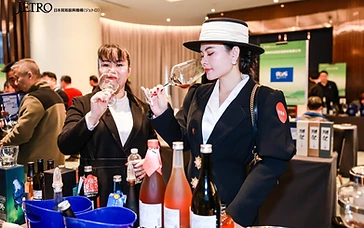
Navigating Thailand's commercial regulatory ecosystem without reliable local representation introduces significant risk. Rather than relying on cold outreach or unsolicited product samples, expanding producers use targeted Business Matching services to connect with verified Thai and Asian beverage importers, wholesalers, and hotel purchasing directors. Evaluating potential partners based on cold-chain warehousing capabilities, regional logistics, and existing portfolio alignment minimizes initial market-entry friction.
| Channel Type | Target Audience | Logistics Demand | Key Commercial Consideration | | :--- | :--- | :--- | :--- | | Luxury HORECA | Tourists, Affluent Diners | Strict 100% Temperature Control | High touch; requires sommelier education and masterclasses | | Modern Off-Premise | Urban Middle-Class, Expats | High-Volume Warehouse Distribution | Margin pressures, slotting fees, restricted daily sales hours | | Boutique Independent Retail | Connoisseurs, Collectors | Specialized Small-Batch Handling | High brand focus, niche story appeal, smaller initial volumes |
Commercial Execution Plan: Step-by-Step Entry
For international brand managers ready to initiate their Thailand market launch, a disciplined, phased approach reduces costly missteps:
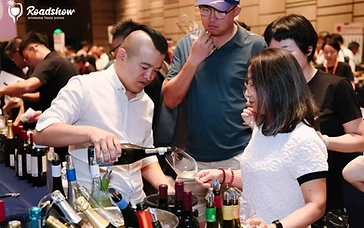
- Phase 1: Portfolio Selection and Market Testing: Curate a focused portfolio (3 to 6 SKUs) matched to Southeast Asian culinary profiles and climates—such as fruit-forward Pinot Noir, crisp Sauvignon Blanc, dry Riesling, Provence-style rosés, or classic sparkling wines. Connect with active Asian trade buyers through established industry gatherings and Interwine Events to assess real-time buyer demand.
- Phase 2: Partner Screening and Contract Setup: Leverage the end of the sole-importer restriction. Structure commercial distribution agreements that preserve regional flexibility or divide HORECA rights from modern retail channels, avoiding restrictive exclusivity clauses that slow growth.
- Phase 3: FDA Documentation and Import Filing: Prepare laboratory Certificates of Analysis, draft compliant Thai back labels with mandatory health warnings, and coordinate with your importer to enter declared retail figures on Excise Department portals.
- Phase 4: Logistics and In-Market Activation: Ship only via verified refrigerated sea-freight containers. Upon clearance, support your local partner with digital collateral, targeted sommelier tastings, and on-site hospitality training to establish consistent re-order velocity.
Conclusion: Capitalizing on the Thai Opportunity
Thailand represents one of Asia's most resilient and commercially attractive wine import sectors. The convergence of targeted import duty reductions, the elimination of monopolistic sole-importer rules, and an expanding consumer base has opened unprecedented access for agile wine producers. By mastering Thai FDA requirements, respecting local distribution dynamics, and connecting with pre-qualified regional buyers through structured platforms, international wine brands can establish a profitable, long-term commercial foothold in the center of Southeast Asia.
Sources
- USDA Foreign Agricultural Service (2026) - Global Agricultural Information Network (GAIN) Report: Thailand Growing Wine Market - Opportunities for US Exporters.
- Vinetur (2026) - Thailand Ends Sole Importer Rule for Wine: Regulatory and Market Analysis.
- Lexology (2025) - Comprehensive Guide to Registering a Company to Import Wine and Spirits into Thailand: Laws, Requirements, and Sales Permissions.
Key Takeaways
- —Import duties on wine were significantly restructured and eliminated on select categories starting in 2024 to stimulate tourism and hospitality.
- —Ministerial Regulation No. 3 of 2026 ended the sole-importer restriction, enabling overseas wineries to work with multiple distributors.
- —According to the USDA FAS (2026), Thailand imported $14 million of U.S. wine in 2025, a 25% year-over-year increase.
- —Every SKU requires Thai FDA product registration, a certified chemical Certificate of Analysis, and Thai-language warning labels before customs clearance.
- —Off-premise wine sales remain strictly regulated by daily retail windows (11:00 AM–2:00 PM and 5:00 PM–12:00 AM) and national holiday bans.
- —Reefer logistics and temperature-controlled storage are essential to prevent heat damage across Thailand's tropical supply chain.
Frequently Asked Questions
Can an international winery appoint multiple importers in Thailand?
Yes. Following the implementation of Ministerial Regulation on the Importation of Alcoholic Beverages (No. 3) in March 2026, Thailand officially ended the sole importer requirement for grape wine and sparkling wine, allowing producers to partner with multiple non-exclusive distributors.
What documentation is required to clear wine shipments through Thai Customs?
Importers must provide an import declaration (Form 99/1), commercial invoice, bill of lading, Certificate of Origin (for applicable tariff concessions), Thai FDA product registration approval, a laboratory Certificate of Analysis (CoA), and an Excise Department import permit.
How are wine excise taxes calculated in Thailand?
Thailand calculates wine taxes using a combined structure administered by the Excise Department, based on declared suggested retail prices (SRP) and alcohol-by-volume tiers, plus municipal taxes, health promotion surcharges, and a 7% VAT.
What are the rules regarding daily alcohol retail hours in Thailand?
Off-premise sales of alcoholic beverages in Thailand are legally permitted only between 11:00 AM and 2:00 PM, and from 5:00 PM to midnight. Retail sales are prohibited outside these hours and throughout designated religious holidays and election days.
Why is cold-chain logistics critical when exporting wine to Thailand?
Given Thailand's year-round tropical temperatures and high humidity, non-refrigerated sea shipping and ambient warehousing can quickly cause heat spoil, oxidation, and label degradation. High-end hospitality buyers specifically require verified reefer shipping and temperature-controlled storage.