Vietnam Wine Market Entry Guide for International Brands
A commercial roadmap for international wineries entering Vietnam. Learn route-to-market strategies, import tariffs, Special Sales Tax rules, off-trade trends, and buyer matching.
Vietnam has emerged as one of Southeast Asia's most compelling growth corridors for international wine producers seeking portfolio diversification across Asia. Historically characterized as a high-volume beer market, the country's rapid economic development, surging middle class, and expanding hospitality infrastructure have created structural demand for imported grape wine. According to trade data from the Observatory of Economic Complexity (OEC), Vietnam imported $73.5 million worth of wine in 2024, placing it among the top 50 wine-importing nations worldwide. Inkwood Research reports that the Vietnamese wine sector is anticipated to progress at a compound annual growth rate (CAGR) of 10.93% in revenue between 2023 and 2030, driven by urban consumer demand and a cultural shift toward premiumization. However, successfully capturing market share requires navigating intricate distribution layers, regional consumer bifurcations, and strict customs taxation frameworks.
Vietnam Wine Market Overview: Growth Catalysts and Consumption Drivers
The fundamental catalyst for wine consumption in Vietnam is urban demographic change. In commercial epicenters like Ho Chi Minh City (HCMC) and Hanoi, young affluent professionals and middle-tier consumers increasingly view wine as a healthier, more sophisticated alternative to traditional domestic spirits and beer. IMARC Group highlights that heightened exposure to international wine trends through tourism, social media, and modern dining has accelerated this preference. A landmark development occurred in November 2024, when premier regional importer Enoteca opened a dedicated 340-label retail boutique and event salon at Takashimaya Saigon Centre in HCMC, signaling institutional confidence in Vietnam's fine wine market.
Consumer perception strongly favors imported viticulture over local offerings. Market research published by Agriculture and Agri-Food Canada (AAFC) (drawing on Euromonitor 2024 data) indicates that while local brand Thang Long Wine JSC held a 16.2% volume share in 2023, the remaining retail volume is highly fragmented and dominated by small trading companies distributing overseas products. Vietnamese consumers perceive European, Australian, and American wines as status symbols and markers of superior product purity.
Gift-giving remains an indispensable seasonal accelerator. During the annual Lunar New Year (Tết Nguyên Đán) celebrations, imported wine gift sets account for an enormous proportion of annual off-trade turnover across both corporate and personal sales channels. International wineries must synchronize production lead times and shipping schedules around this critical sales window to capture maximum annual value.
Regional Commercial Dynamics: North vs. South
A critical mistake made by new entrants is treating Vietnam as a single, homogenous territory. The commercial ecosystem is segmented into three distinct commercial regions, primarily anchored by Hanoi in the North and Ho Chi Minh City in the South, as detailed in industry analyses by Vietnam Briefing.
- The Southern Market (Ho Chi Minh City & Mekong Delta): Highly westernized, commercially open, and driven by high consumer spending. Consumers in HCMC demonstrate an appetite for experimentation, embracing full-bodied reds (such as Australian Shiraz, Chilean Cabernet Sauvignon, and Italian Primitivo), modern white varietals, and sparkling wines. The vibrant on-trade hospitality scene demands broad wholesale assortments.
- The Northern Market (Hanoi & Red River Delta): Highly relationship-driven (quan hệ), brand-conscious, and status-oriented. Commercial decision-makers lean heavily toward established, prestigious Old World appellations—most notably Bordeaux Classé estates, Super Tuscans, and traditional sparkling wines. Packaging, pedigree, and gift-box presentation carry exceptional weight.
- The Central Corridor (Da Nang, Hoi An, Nha Trang): Heavily tied to international tourism and resort hospitality. While domestic consumer volume is lower, luxury resort properties require well-balanced international wine lists catering to foreign leisure travelers.
To align portfolio offerings with qualified distributors across these distinct micro-markets, producers regularly consult the latest regional data in our Market Insights section.
Regulatory Framework, Duties, and Import Compliance
Entering Vietnam's alcoholic beverage sector requires complete compliance with multi-tiered fiscal and regulatory gatekeepers. All commercial consignments must pass through authorized domestic distributors holding valid liquor import licenses issued by the Ministry of Industry and Trade (MOIT).
According to regulatory reporting from the U.S. Alcohol and Tobacco Tax and Trade Bureau (TTB) (updated May 2024), all imported beverages must enter through legitimate legal channels, carry comprehensive supporting documentation, and comply fully with Vietnamese food-safety and origin regulations. The core fiscal burdens include:
- Most-Favored-Nation (MFN) Customs Tariff: Standard import duties can reach up to 50% for bottled wines depending on customs classification. However, producers located in jurisdictions with signed Free Trade Agreements (such as CPTPP member countries or the European Union under the EVFTA) benefit from progressive tariff reductions down toward 0%, providing significant margin advantages.
- Special Sales Tax (SST): As outlined by Vietnam Briefing, wines with an alcohol by volume (ABV) under 20% are assessed an SST of 35%. Wines and spirits exceeding 20% ABV face an escalated 65% SST rate.
- Value Added Tax (VAT): A standard 10% VAT applies across the board on all alcoholic products sold within Vietnamese territory.
- Mandatory Labeling and Stamp Inspection: Every bottle must bear an official Ministry of Finance import tax stamp applied prior to retail distribution. Furthermore, products must display an authorized supplementary label in Vietnamese detailing importer particulars, product name, ABV, volume, origin, and relevant consumer health warnings.
Routes to Market: Structuring Your Distribution Architecture
Selecting the right operational route determines whether an overseas brand scales effectively or languishes in local customs warehouses. International producers typically employ one of three core entry vectors:
Exclusive Tier-1 Importer Partnerships
The prevailing entry model involves appointing a licensed national or regional master distributor. These established players hold the necessary MOIT wholesale licenses, manage customs clearances, own temperature-controlled storage facilities, and command direct logistics links into tier-2 wholesalers, retail chains, and hospitality groups. Wineries should negotiate distinct regional exclusivity (separating Hanoi and HCMC) rather than granting blanket nationwide rights unless the importer demonstrates verifiable infrastructure across all regions.
Direct Supply to On-Trade and Hotel Chains
With Vietnam's international visitor arrivals rebounding and luxury hotel development expanding, international hotel operators and high-end restaurant groups often negotiate corporate wine supply contracts. While deliveries must still clear customs through an authorized local license holder, working directly with luxury F&B directors enables brands to secure high-visibility placements without paying retail shelf listing fees.
Dedicated Representative Office (RO)
For large-scale wine conglomerates planning multi-year expansions, establishing an RO in Vietnam provides on-the-ground market oversight. While an RO cannot directly execute commercial sales contracts or invoice buyers, it permits brand ambassadors to conduct local marketing, manage importer relations, and oversee brand positioning. Discover recent case studies and operational trade profiles in our News and Magazine section.
Channel Strategy: Retail Off-Trade vs. On-Trade Dynamics
Channel balance in Vietnam has shifted noticeably over recent years. According to historical sector tracking published by Agriculture and Agri-Food Canada (AAFC), off-trade channels represented 60.2% of alcoholic drink volume sales in 2024, compared to 39.8% for on-trade premises. Euromonitor projections indicate off-trade dominance will persist through 2028, making structured retail distribution essential.
Within the modern off-trade grocery space, hypermarkets and supermarkets control the majority of retail distribution, capturing 31.3% and 25.7% of off-trade channel shares respectively in 2023. Food and beverage specialist shops account for 15.0%, serving as key points of purchase for mid-to-high tier connoisseurs seeking temperature-controlled storage and knowledgeable staff recommendations. Convenience store chains (14.4% share) are expanding their chilled entry-level wine selections, attracting millennial urbanites.
In the on-trade sector, fine-dining restaurants, izakayas, wine lounges, and luxury rooftop bars dominate wine consumption in downtown District 1 (HCMC) and Hoan Kiem (Hanoi). Winning this channel requires proactive sommelier engagement, staff training programs, and flexible consignment terms to secure placement on fast-turning by-the-glass (BTG) programs.
+-------------------------------------------------------------+
|        VIETNAM IMPORTED WINE MARKET ENTRY CHECKLIST         |
+-------------------------------------------------------------+
| [ ] Determine FTA Tariff Eligibility (e.g., EVFTA, CPTPP)   |
| [ ] Calculate Landed Cost (CIF + Import Duty + 35% SST + VAT) |
| [ ] Adapt Packaging & Mandated Vietnamese Back-Labels       |
| [ ] Split Distribution Mandates by Geography (North / South)|
| [ ] Align Production Timelines with the Tết Gifting Cycle   |
| [ ] Engage Pre-Screened Importers via Business Matching     |
+-------------------------------------------------------------+
Connecting with Qualified Vietnamese Wine Buyers
Cold-calling distributors in Vietnam yields notoriously low conversion rates due to the paramount importance of personal relationships and established commercial networks. Engaging successfully with high-tier Vietnamese beverage buyers demands face-to-face interaction and curated business settings.
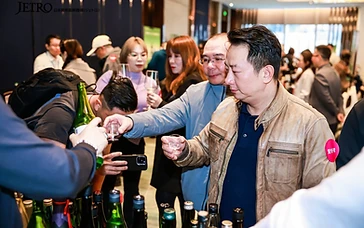
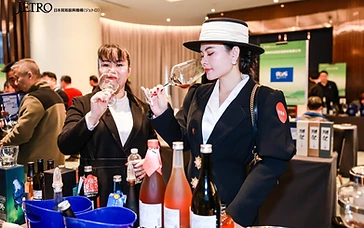
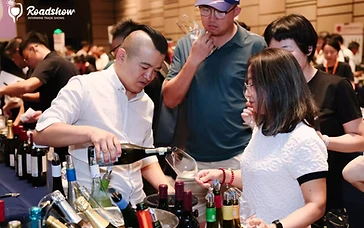
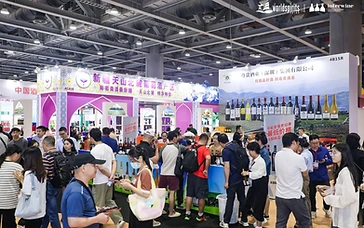
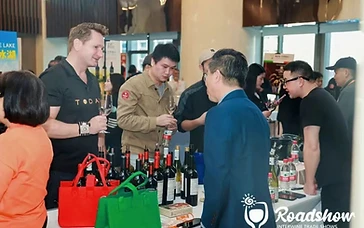
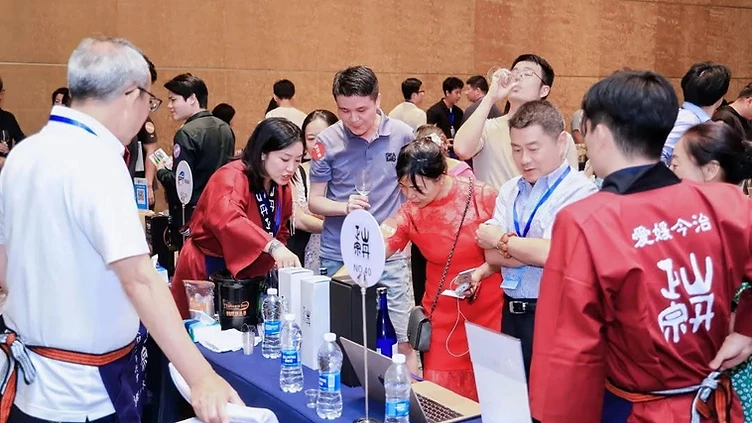
Exhibiting at major regional platforms like Interwine allows international wineries to interface directly with verified importers, provincial distributors, and key F&B purchasing managers from Vietnam and surrounding Asian markets. Wineries looking to accelerate their Asia-Pacific expansion should leverage tailored Business Matching services to secure scheduled one-on-one procurement meetings with authorized buyers actively seeking new agency representations. For producers ready to showcase their complete catalog to commercial trade delegates across China and Southeast Asia, exploring how to Become an Exhibitor offers an efficient path toward regional wholesale distribution.
Conclusion
The Vietnamese wine market offers strong fundamentals: steady economic growth, an aspirational middle-income class, and an established consumer appetite for imported wines. However, navigating the landscape requires technical diligence—accounting for the 35% SST on standard-strength wines, accommodating distinct regional consumer dynamics between Hanoi and Ho Chi Minh City, and choosing distributors with proven cold-chain integrity. International brands that pair strict regulatory compliance with face-to-face commercial relationship building will position themselves to capture lasting value in this high-growth market.
Sources
- Observatory of Economic Complexity (OEC) - Wine in Vietnam Trade Data 2024
- Agriculture and Agri-Food Canada - Sector Trend Analysis: Wine, Beer, and Spirits in Vietnam (2024)
- Alcohol and Tobacco Tax and Trade Bureau (TTB) - International Affairs Resources: Vietnam (2024)
- Vietnam Briefing - Vietnam’s Wine Industry and Opportunities for Foreign Investors
- IMARC Group - Vietnam Wine Market Size, Share, Growth, and Forecast
Key Takeaways
- —Vietnam imported $73.5 million worth of wine in 2024 according to OEC, driven by rapid urbanization and expanding modern retail.
- —Wines with an ABV below 20% are subject to a 35% Special Sales Tax (SST), standard 10% VAT, and varying import tariffs based on Free Trade Agreements like EVFTA and CPTPP.
- —Off-trade retail accounts for over 60% of alcoholic beverage sales volume, with hypermarkets, supermarkets, and specialty wine stores commanding the majority of distribution.
- —Regional demand diverges: Hanoi and northern buyers prioritize prestigious European appellations and luxury gift packaging, whereas Ho Chi Minh City embraces fruit-forward New World wines and dynamic on-trade concepts.
- —The Lunar New Year (Tết) gifting season accounts for a vital portion of yearly sales, requiring proactive supply-chain scheduling months in advance.
- —Partnering with pre-qualified, licensed importers via dedicated trade platforms and business matching is essential to overcome strict licensing barriers and cold-chain challenges.
Frequently Asked Questions
What import taxes and duties apply to wine imported into Vietnam?
Bottled wine imported into Vietnam faces three primary taxes: Most-Favored-Nation (MFN) import tariffs of up to 50% (which may be reduced to 0% under trade pacts like EVFTA or CPTPP), a 35% Special Sales Tax (SST) for wines with ABV under 20% (65% for ABV above 20%), and a 10% Value Added Tax (VAT).
Can foreign wineries sell directly to restaurants and retailers in Vietnam?
Foreign producers cannot sell directly to local retailers or restaurants without an authorized corporate presence and an alcohol distribution license issued by the Ministry of Industry and Trade (MOIT). Overseas wineries must partner with licensed local importers and wholesalers who hold valid import permits.
What is the commercial difference between the wine markets in Hanoi and Ho Chi Minh City?
Ho Chi Minh City represents a more experimental and open consumer market with strong demand for New World wines, diverse varietals, and active on-trade bar culture. Hanoi tends to be more conservative and status-driven, where prestigious European appellations (such as Bordeaux and premium Italian labels) and luxury packaging dominate.
How important is the Tết (Lunar New Year) season for wine sales in Vietnam?
Tết is the most significant sales peak of the year. Corporate and individual gift-giving drives substantial sales turnover in premium wine hampers and branded gift boxes. International producers must ensure inventory arrives in Vietnamese warehouses at least two to three months prior to the holiday.
How can international wine producers connect with verified Vietnamese wine importers?
Direct commercial trade fairs and professional B2B matchmaking programs, such as Interwine's business matching services, offer targeted opportunities to pitch portfolios directly to prescreened Vietnamese beverage importers, provincial distributors, and key retail procurement directors.