How to Find Fruit Wine Importers in China
Discover how international fruit wine producers can identify, verify, and secure fruit wine importers in China through trade data, regulatory compliance, and targeted trade exhibitions.
To find fruit wine importers in China, producers must look beyond the channels that serve traditional grape wine and connect with specialized distributors focused on low-ABV (alcohol by volume), RTD (ready-to-drink), and lifestyle beverage portfolios. The rapid rise of Chinese consumer interest in refreshing, sweeter, low-alcohol alternatives—spanning Japanese-style plum wine (umeshu), cider, berry wines, and tropical fruit fermentations—has created new commercial demand across modern retail, specialty on-trade venues, and e-commerce platforms.
However, securing a legitimate import partner requires disciplined execution: navigating General Administration of Customs of China (GACC) registrations, verifying import license categories, and conducting direct, face-to-face negotiations with licensed alcoholic beverage distributors. This practical B2B guide outlines how to profile, source, and sign the right fruit wine importers in mainland China.
Understanding China's Evolving Fruit Wine Market
Fruit wines occupy a unique position in China's alcoholic beverage landscape. While classic viticulture concentrates heavily on grape-based still and sparkling categories, fruit wines fall into a high-growth segment aligned with changing drinking habits among younger demographic groups, particularly women and urban Gen Z consumers. According to the Observatory of Economic Complexity (OEC), China imported $1.4 billion worth of wine in 2022, underscoring solid baseline demand for imported beverages even amid macroeconomic restructuring. Within this broader alcohol ecosystem, fruit-fermented beverages benefit from rising interest in low-alcohol lifestyles, social dining (such as casual bistro and hotpot formats), and home consumption.
Where Fruit Wine Sits in Distribution
Unlike traditional luxury Bordeaux or Burgundy vintages distributed primarily through high-end corporate banqueting networks, imported fruit wines move predominantly through:
- Modern Off-Trade: High-end supermarkets (Olé, City'super, Sam's Club China) and specialty convenience stores.
- Boutique On-Trade: Casual izakayas, fusion dining restaurants, dessert bars, and modern cocktail lounges seeking distinctive, lower-proof pairings.
- Social E-Commerce & Live Commerce: Tmall, JD.com, Xiaohongshu (RED), and Douyin, where visual presentation, flavor profile storytelling, and accessibility drive purchasing.
Producers seeking the right importers must target firms with infrastructure aligned with fast-moving beverage distribution rather than merchants dedicated exclusively to fine grape cellar allocations.
4 Practical Sourcing Routes for Fruit Wine Importers in China
Identifying qualified partners in China requires moving past passive directory listings and engaging active commercial channels.
1. In-Person Trade Fairs and Industry Matchmaking
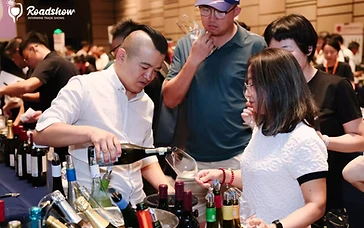
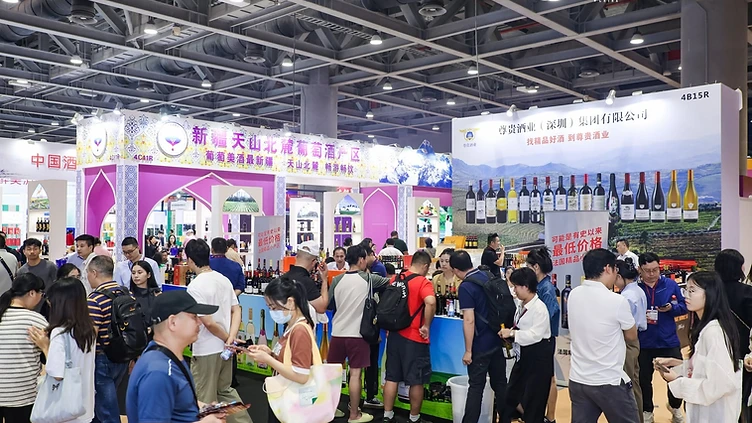
The single most effective method for establishing commercially viable relationships in China is face-to-face interaction at dedicated professional trade fairs. Established industry exhibitions attract registered domestic distributors, regional wholesalers, and supermarket category buyers seeking novel beverage categories.
When international brands become an exhibitor at specialized events like INTERWINE, they gain structured access to vetted procurement professionals. Participating in curated business matching sessions allows producers to present samples directly, evaluate distribution footprints, and qualify buyer credentials in real time, avoiding months of unreturned cold inquiries.
2. Chinese Customs and Trade Databases
Under General Administration of Customs of China (GACC) protocols, every legal shipment of imported alcoholic beverages must be cleared by a licensed domestic entity. Exporters can utilize customs clearance registries, commercial trade intelligence platforms, and bill-of-lading databases to identify companies actively clearing HS Code 2206 (other fermented beverages, including fruit wines, ciders, and perries). By analyzing declared container volumes and ports of entry (such as Shanghai, Shenzhen, Guangzhou, and Ningbo), producers can isolate active regional specialists.
3. Retail Shelf Auditing (Back-Label Sourcing)
Under China's national food safety labeling standards, all legitimately imported alcoholic beverages sold in China must carry a compliant Chinese back label stating the product name, ingredients, alcohol content, production date, and—crucially—the name, address, and contact details of the official domestic importer or distributor.
Conducting shelf audits in key tier-1 retail hubs (Shanghai, Guangzhou, Shenzhen, Chengdu) allows producers to review which companies handle competing or complementary foreign fruit wine brands. Brands visiting China to study distribution can plan their research trips using practical resources for arrival and transportation to inspect key retail hubs directly.
4. Trade Promotion Agencies and Chambers of Commerce
Export development bodies—such as Business France, ProChile, the Italian Trade Agency, and regional agriculture boards—regularly organize commercial delegations and maintain verified buyer registries. Collaborating with these bodies provides international producers with vetted leads and logistical coordination when approaching Chinese procurement teams.
How to Screen and Qualify Importers for Fruit Wine
Not every licensed beverage trading firm possesses the market reach or brand-building capability necessary to position fruit wine successfully. Due diligence should follow a rigorous four-pillar evaluation:
| Evaluation Area | Key Criteria | Risk Indicator | | :--- | :--- | :--- | | Licensing & Compliance | Valid Business License with Food Operation License (食品经营许可证) including alcoholic beverages. | Relies solely on third-party import agents without proprietary distribution licenses. | | Channel Alignment | Active accounts in modern retail, boutique dining, or specialized online retail. | Exclusive focus on traditional banquet channels or enterprise gifting. | | Cold-Chain Logistics | Temperature-controlled warehousing and inland transit capabilities. | Inability to guarantee climate protection for unpasteurized or sensitive fruit fermentations. | | Brand Investment | Willingness to co-invest in localized digital marketing, tasting workshops, and promotional point-of-sale materials. | Pure trader mentality demanding consignment stock or immediate deep discounting. |
During initial screening, consult broader market insights to understand typical gross margin expectations across domestic wholesale and retail tiers. Importers representing fruit wines generally require healthy margins (often 35%–50% at wholesale) to support the sampling campaigns, packaging adjustments, and digital promotions necessary to educate consumers.
Navigating Regulatory and Customs Compliance
Shipping fruit wine to China requires strict adherence to regulatory standards administered by the GACC and the State Administration for Market Regulation (SAMR).
GACC Producer Registration (Decree 248)
Overseas manufacturers and fermentation facilities producing fruit wines must complete manufacturer registration through the GACC Single Window system prior to dispatching cargo. Failure to secure this registration code before shipment will result in goods being held or rejected at the port of entry.
National Standards (GB Standards) and Food Additives
Fruit wines imported into China must comply with applicable national food safety frameworks, including:
- GB 2758: National Food Safety Standard for Fermented Alcoholic Beverages and Their Integrated Alcoholic Beverages.
- GB 2760: Standards for the use of food additives (specifically governing permissible preservatives such as sulfur dioxide, sorbic acid, and artificial colorants or acidity regulators).
- GB 7718: General standard for the labeling of prepackaged foods, which mandates exact layout specifications, font sizes, and ingredient transparency on Chinese back labels.
Exporters must verify that every raw material, juice base, and additive used in formulation complies strictly with the permissible dosage thresholds defined in GB 2760. Formulations should be pre-screened with a specialized Chinese customs broker before commercial printing of labels.
Strategic Steps to Close an Importer Agreement
Once potential partners are identified, international producers must approach negotiations with professional preparation tailored to the Chinese commercial environment:
- Prepare Bilingual Product Fact Sheets: Provide concise technical sheets detailing fruit provenance, production methods, residual sugar, acidity, ABV, and shelf life, accompanied by compliant draft Chinese labels.
- Offer Tailored Commercial Packaging: Younger Chinese consumers prioritize visual appeal, giftability, and modern bottle shapes. Discussing customized closures, single-serve formats (e.g., 375ml or 500ml), and protective outer packaging demonstrates commercial flexibility.
- Define Territorial and Exclusivity Terms: Avoid granting broad, nationwide exclusivity to unproven partners. Instead, structure distribution agreements regionally (e.g., East China, South China) or tie exclusivity to clear, time-stamped minimum order quantities (MOQs).
- Secure Face-to-Face Commitment: Remote email pitches rarely yield binding import contracts in China’s relationship-driven trade environment. Meeting decision-makers at scheduled industry gatherings remains the definitive step toward formal distribution agreements.
To meet qualified domestic importers, commercial buyers, and regional distributors actively expanding their low-ABV and fruit beverage portfolios, explore the official INTERWINE trade fair to become an exhibitor and establish a direct foothold in the market.
Sources
- Observatory of Economic Complexity (OEC) - China Wine Imports
- General Administration of Customs of the People's Republic of China (GACC)
- State Administration for Market Regulation (SAMR)
- China Wine Competition - China’s Leading Wine Importers Guide
Key Takeaways
- —Fruit wine imports in China require specialized distributors focused on modern retail, e-commerce, and casual dining rather than traditional grape-wine banquet channels.
- —Overseas production facilities must obtain GACC registration under Decree 248 and ensure compliance with GB 2758, GB 2760, and GB 7718 standards before shipping.
- —Conducting shelf audits on imported products in tier-1 cities provides verified contact information for active domestic import license holders.
- —Direct participation in trade exhibitions and structured business matching offers the most reliable route to screening creditworthy Chinese beverage buyers.
- —Exclusivity agreements should be tied to regional milestones and concrete volume minimums rather than nationwide rights.
Frequently Asked Questions
What customs classification (HS Code) covers fruit wine entering China?
Most fruit wines, ciders, perries, and fruit-fermented alcoholic beverages enter China under HS Code 2206.00.00 (Other fermented beverages). Proper classification depends on whether the beverage is naturally fermented, fortified, or blended with additional spirits.
Do fruit wine producers need GACC registration before exporting to China?
Yes. Under GACC Decree 248, all overseas food and beverage manufacturing, processing, and storage facilities exporting alcoholic beverages to China must be registered through the official GACC Single Window portal before products are dispatched.
Which distribution channels in China are best suited for imported fruit wines?
Fruit wines perform best in modern off-trade formats (high-end supermarkets, boutique grocers), casual dining establishments (izakayas, bistros, hotpot chains), and social e-commerce platforms (Tmall, JD.com, Xiaohongshu), where young adult and female consumers actively seek low-ABV beverages.
Can an overseas winery work with multiple regional importers in China?
Yes. Due to China's geographical size and fragmented regional distribution networks, many brands work with separate, non-competing importers in major regions such as East China (Shanghai), South China (Guangdong), and North/West China, establishing clear territorial boundaries in each contract.
How can an overseas producer verify if a Chinese importer is legally licensed?
Exporters should request the Chinese entity's Unified Social Credit Code (统一社会信用代码) and their Food Operation License (食品经营许可证). You can verify their registration status and scope of business through China's National Enterprise Credit Information Publicity System.