Japan Wine Market Entry Guide for International Brands
A commercial roadmap for international wine brands expanding into Japan, detailing import regulations, premiumisation dynamics, distributor relationships, and targeted business-matching routes.
Entering the Japanese wine market requires transitioning from volume-driven exporting to value-focused, compliance-intensive brand building. According to Japanese customs data reported by Vino Joy News (2026), Japan imported 234.4 million litres of wine in 2025, reflecting a 2.3% contraction in volume while total import value gained 1.5%. This shift encapsulates Japan's modern market condition: total volume is mature, but per-bottle spend and demand for authentic, premium, and distinctive wines continue to rise. For international wineries targeting Asian expansion, entering Japan demands rigorous preparation across food safety standards, strict packaging aesthetics, and specialized distributor matchmaking.
Market Dynamics: The Value vs. Volume Landscape
Japan remains Asia’s most sophisticated, discerning wine landscape. While historical consumption was driven by commercial-tier imports, modern shifts favor structural premiumisation. According to market analysis by Euromonitor International (2026), retail current value sales for fine wines, champagne, and spirits in Japan climbed to JPY 427 billion in 2025, driven by strong consumer appetite for provenance, low-intervention practices, and gastronomic pairing versatility.
Demographic shifts and younger legal-drinking-age consumers emphasize quality over sheer volume. White wine commands consistent demand alongside lighter-style reds and traditional-method sparkling wines (including Champagne, Cava, and Franciacorta) due to natural alignment with Japanese culinary profiles, such as sashimi, tempura, and dashi-forward cuisine. Concurrently, inbound tourism has expanded the on-premise footprint. Data published by the Japan National Tourism Organization (JNTO, 2024) showed monthly international visitor arrivals crossing 3.08 million in March 2024, providing consistent support to high-end dining, luxury hospitality, and international wine listings in metropolitan centers like Tokyo, Osaka, and Kyoto.
To identify relevant opportunities within broader regional shifts, producers can explore dedicated Market Insights to understand how multi-market portfolio strategies compare across Asian commercial hubs.
Regulatory Framework and Food Sanitation Compliance
Accessing the Japanese market requires strict adherence to two central pieces of legislation: the Food Sanitation Act (administered by the Ministry of Health, Labour and Welfare) and the Liquor Tax Act (supervised by the National Tax Agency).
Chemical Testing and Additives
Before wine clear customs, an official "Notification of Importation of Foods, etc." must be filed with Quarantine Stations. Japan regulates permissible additives far more stringently than standard OIV benchmarks. International exporters frequently face barriers regarding sulfur dioxide (SO2) maximum thresholds, sorbic acid restrictions, and unauthorized clarification or color-stabilization agents. A comprehensive Certificate of Analysis from an accredited laboratory in the exporting country is necessary to avoid border rejections or re-testing delays.
Packaging Perfection and Labeling Standards
Japanese commercial distribution enforces strict physical quality standards. According to a global survey reported by ProWein and Geisenheim University (2024), more than one-third of experienced wine exporters identified Japan's high quality standards as a primary challenge, noting that first-time entrants frequently underestimate domestic expectations.
Bottles with scratched capsules, bubbling labels, or minor transit scuffs are routinely rejected by Japanese warehouse receivers. Required Japanese back-labels must state the product category ("Fruit Wine"), alcohol percentage, total volume, ingredients, antioxidant designations, importer corporate name, and mandatory health notices in legible Japanese script.
Navigating Importers, Distributors, and Retail Channels
Unlike direct-to-consumer models common in Western territories, international brands entering Japan rely almost entirely on licensed alcoholic beverage importers. These licensed entities assume legal liability for customs clearance, product registration, warehousing, and channel placement.
[International Winery]
         │
         ▼
[Licensed Japanese Importer] ── (Customs, Testing & Cold Chain)
         │
         ├──► [Traditional Wholesalers: Kokubu, Mitsubishi Shokuhin]
         │          │
         │          ├──► [Off-Premise: Department Stores, Seijo Ishii, E-Commerce]
         │          └──► [On-Premise: Izakaya, Dining Chains]
         │
         └──► [Specialist Fine Wine Wholesalers / Regional Distributors]
                    │
                    └──► [Michelin Dining, Boutique Wine Bars, Independent Retail]
The Importer Archetypes
- Conglomerate Wholesalers & Trading Houses: Large operations like Kokubu, Mitsubishi Shokuhin, or Mercian manage substantial national volume across supermarket chains, convenience stores, and family restaurants. They require large production allocations, flexible pricing support, and aggressive promotional allowances.
- Specialist Fine Wine Importers: Boutique merchants focus on boutique estates, single-vineyard bottlings, organic, biodynamic, or natural wines. They supply independent sommeliers, high-end department store wine departments (depachika), and specialized e-commerce platforms. While order volumes are smaller, they preserve brand equity and maintain stable wholesale pricing.
Securing the right commercial tier requires deliberate matchmaking rather than unsolicited cold pitching. Producers aiming to accelerate this validation process can leverage structured Business Matching services to screen qualified buyers who actively manage gaps in their portfolios.
Commercial Decisions: Pricing, Margins, and Packaging
When calculating export viability, wineries must work backward from the Japanese shelf price (inclusive of 10% consumption tax). A sustainable price architecture typically breaks down across the value chain as follows:
- Ex-Cellar Price (FOB): 20% - 25% of final retail price.
- Ocean Freight, Insurance, and Temperature-Controlled Logistics: Critical factor; non-reefer transit often results in heat-damaged shipments that fail intake evaluations.
- Customs Duties & Liquor Taxes: Governed by bilateral trade agreements (e.g., EU-Japan EPA, CPTPP). The liquor tax applies on a specific volume rate per liter.
- Importer Margin: 25% - 35%.
- Secondary Wholesaler/Distributor Margin: 10% - 15%.
- Retailer/On-Premise Markup: 25% - 40% (Retail) to 150%+ (On-Premise Restaurant).
Packaging decisions also demand local adaptation. Standard heavy bottles are losing favor due to shipping freight costs and domestic handling preferences. High-end screw caps have gained broader acceptance in off-premise channels, though premium restaurant wine lists still prefer natural cork closures with demonstrable quality assurances.
Action Plan: Executing Market Entry Step-by-Step
International wineries expanding into Japan should follow a systematic, 12-month sequence:
- Conduct a Additive and Formulation Audit (Months 1–2): Benchmark laboratory analyses against Japan's Food Sanitation Act parameters to verify legal compliance of SO2 and preservative limits before sending commercial samples.
- Develop Japan-Specific Brand Assets (Months 3–4): Create localized product fact sheets emphasizing geographical indicators, sustainable viticulture certifications, terroir characteristics, and culinary pairing notes.
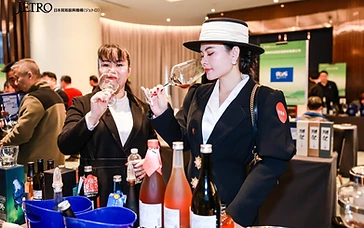
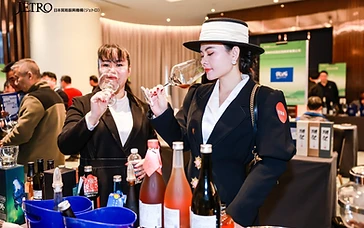
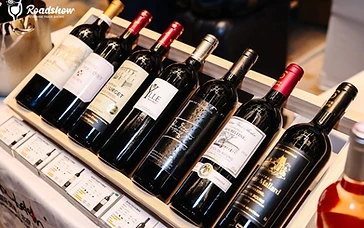
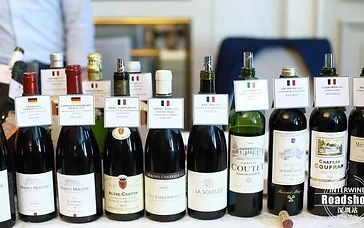
- Engage Targeted In-Person and Hybrid Trade Channels (Months 5–7): Meeting distributors face-to-face remains indispensable in Japanese business culture. Participating in industry hubs such as Interwine Events allows estates to conduct guided tastings and assess trade interest across Asian importers simultaneously.
- Sample Evaluation and Technical Feedback (Months 8–9): Dispatch pristine, temperature-controlled samples with clear specification sheets. Solicit direct feedback regarding acidity balance, packaging aesthetics, and target retail positioning.
- Establish Commercial Terms and Exclusivity Covenants (Months 10–12): Structure initial purchase orders with sustainable minimum volumes. Avoid granting blanket exclusivity across Japan unless the partner commits to explicit regional sales targets, defined channel scopes, and active marketing budgets.
Conclusion
Japan remains one of the world's most rewarding, financially secure wine markets for wineries willing to respect its regulatory rigor, packaging expectations, and partnership protocols. Success is rarely immediate, but brand relationships formed with Japanese distributors are exceptionally durable, leading to long-term repeat orders and insulated commercial value.
To build these strategic partnerships and present your portfolio directly to pre-vetted Asian buyers, explore curated Business Matching solutions to initiate your expansion with verified commercial partners.
Sources
- Vino Joy News (2026): What ProWine Tokyo Revealed About Japan's Wine Market
- ProWein / Geisenheim University (2024): Wine exports to Japan: Chances and Challenges
- Euromonitor International (2026): Fine Wines/Champagne and Spirits in Japan
- IMARC Group / JNTO (2024): Japan Wine Market Size & Share, Industry Report
Key Takeaways
- —Japanese wine imports demonstrate sustained premiumisation, with import value rising 1.5% despite a 2.3% drop in import volume in 2025 (Japanese Customs data reported by Vino Joy News, 2026).
- —Compliance with Japan's Food Sanitation Act requires accredited laboratory testing for additives like SO2 and strict label conformity.
- —Japanese distribution relies on licensed importers, making specialized distributor alignment far more effective than unsolicited mass outreach.
- —Physical packaging inspection standards are exceptionally high; exterior flaws often lead to container rejections.
- —Bilateral trade frameworks such as the EU-Japan EPA and CPTPP provide tariff advantages for compliant producers.
- —Face-to-face interaction and structured business matching remain essential to securing durable distributor partnerships in Japan.
Frequently Asked Questions
What are the primary regulations governing wine imports into Japan?
Wine imported into Japan is governed by the Food Sanitation Act (administered by the Ministry of Health, Labour and Welfare) and the Liquor Tax Act (administered by the National Tax Agency). Wineries must submit a 'Notification of Importation of Foods, etc.' to quarantine stations alongside an accredited Certificate of Analysis verifying compliant sulfur dioxide and additive levels, accompanied by compliant Japanese back-labels.
Why is the Japanese wine market shifting toward value over volume?
According to Japanese customs data reported by Vino Joy News (2026), wine import volumes fell 2.3% while value rose 1.5% in 2025. This reflects a maturing consumer base that prioritizes organic, biodynamic, regional, and fine dining wines over bulk-tier commercial offerings.
Can an international winery sell directly to Japanese retailers or restaurants?
Under Japanese law, only entities holding a dedicated alcohol import license issued by the National Tax Agency can clear foreign wine through customs. International wineries must partner with a licensed Japanese importer who handles customs, pays excise taxes, and delivers stock to wholesalers, retailers, or restaurant groups.
How important is packaging condition for the Japanese market?
Packaging integrity is critical. A 2024 ProWein Business Report survey highlighted that more than one-third of experienced exporters cite Japan's quality standards as a major commercial hurdle. Minor label tears, dented screwcaps, or scratched capsules that pass in other markets can cause shipment rejections in Japan.
How can international wineries connect with qualified Japanese wine importers?
Wineries can establish relationships through specialized B2B trade platforms, targeted wine expos, and structured commercial business matching services that screen domestic importers based on specific portfolio gaps.