Prosecco Distribution Opportunities in the Chinese Market
Explore high-growth prosecco distribution opportunities in the Chinese market. Understand distributor tiering, regional demand, retail channel selection, and how Italian sparkling producers can partner with qualified buyers at Interwine.
For Italian sparkling wine producers and regional brand consortiums, prosecco distribution opportunities in the Chinese market are expanding rapidly as consumer demographics, dining culture, and channel economics undergo structural shifts. Rather than competing directly with legacy red Bordeaux or ultra-premium French Champagne, Prosecco occupies a distinct commercial sweet spot: accessible luxury, food versatility, refreshing drinkability, and favorable unit economics for hospitality and modern retail. Capitalizing on this potential requires international vintners to navigate China's multi-layered distribution networks, clear import compliance protocols, and partner with regional wine merchants who maintain direct access to China's burgeoning Gen Z and millennial drinking culture.
Market Dynamics: Why Sparkling Wine Is Surging in China
China’s total wine import sector has experienced historic realignments, creating fertile ground for refreshing, accessible sparkling wines. According to customs data reporting published by Vino Joy News (2024), Chinese wine imports began exhibiting measurable turnaround dynamics in early 2024, with merchants showing heightened enthusiasm for Italian sparkling wine styles. While traditional full-bodied dry reds historically dominated official banqueting and formal corporate gifting, Italian sparkling imports—spearheaded by Prosecco DOC and DOCG—are outperforming broader category declines during key consumption windows.
Several commercial fundamentals drive this momentum:
- Youth-Driven Adoption: Academic research into Chinese demographic consumption cited by European Guanxi (2024) highlights that younger legal-drinking-age consumers (aged 18–29) exhibit significantly higher openness to Western beverage trends, informal socializing, and sparkling wine formats than older demographics.
- Lower Alcohol by Volume (ABV) & Refreshment: Compared to traditional spirits like Baijiu (typically 38–53% ABV) and high-tannin reds, Prosecco (typically 11–11.5% ABV) meets modern wellness and lifestyle preferences among urban professionals and female consumers.
- Daytime & Bistro Dining: The expansion of casual western dining, brunch cafes, modern Italian trattorias, and Southeast Asian fusion bistros across Tier-1 and New Tier-1 cities provides a natural operational habitat for Prosecco by the glass (BTG) and signature spritz cocktails.
Producers can review broader beverage category movements in the Market Insights section to align production cycles with current buyer demand.
Deconstructing China’s Distribution Architecture for Prosecco
One of the most critical pitfalls for overseas wineries is conflating Chinese customs clearing agents with genuine distribution networks. Research by Piscano (2013), highlighted in European trade analyses (European Guanxi, 2024), emphasizes that many licensed alcohol importers in China function strictly as logistics or clearing intermediaries without proprietary downstream wholesale networks. To secure sustainable volumes, Prosecco houses must structure their route-to-market across three distinct channels:
1. The On-Premise (HoReCa) Channel
On-premise hospitality remains the prestige engine for Prosecco. High-end hotel lounges, rooftop bars, and independent Italian dining establishments in metropolitan centers rely on Prosecco DOC for Aperitivo hours and spritz-based mixology. Because margins in HoReCa are sensitive to bottle pour costs, Prosecco’s price-to-quality ratio gives it a commanding commercial advantage over traditional method sparkling wines.
2. Modern Off-Premise & Boutique Retail
Mid-tier to premium Prosecco labels find traction in specialty supermarket banners (such as Ole’, City'super, and BLT), warehouse clubs (Costco and Sam’s Club), and independent fine-wine boutiques. In these venues, clear labeling indicating protected designation of origin (DOC or DOCG) functions as an essential consumer guarantee of authentic European craftsmanship.
3. Cross-Border & Domestic E-Commerce
China represents the world’s most advanced digital retail ecosystem for alcoholic beverages. Market analysis by China Briefing (2025) notes that according to the International Wine and Spirits Research (IWSR), China’s beverage alcohol e-commerce channel is projected to sustain a 6% compound annual growth rate through 2027. Major digital storefronts on Tmall, JD.com, and social commerce livestreams on Douyin (TikTok) serve as high-volume discovery engines, particularly when paired with direct-to-consumer (DTC) express cold-chain logistics.
Geographic Targeting: Beyond Beijing and Shanghai
While Shanghai remains China's epicenter for wine culture, over-indexing on Tier-1 cities leads to aggressive price discounting and crowded retail shelves. Savvy Italian producers are diversifying distribution footprints into affluent New Tier-1 and Tier-2 growth hubs.
Research from Wine Intelligence documented in regional studies (European Guanxi, 2024) indicates that digital purchasing penetration for wine is exceptionally vibrant in dynamic southern and central municipal hubs such as Shenzhen, Guangzhou, Chengdu, and Wuhan. Chengdu and Chongqing possess renowned leisure, nightlife, and culinary cultures where spicy Sichuan regional cuisine creates a compelling flavor contrast with the residual sugar and effervescence of Prosecco Extra Dry and Dry expressions.
Similarly, the Greater Bay Area (Guangdong-Hong Kong-Macao) represents an economic powerhouse with high disposable income, warm weather across three seasons, and close cultural ties to international food and wine trends. Targeting regional distributors who operate in South and Southwest China offers faster volume scale and stronger trade loyalty.
Brand Positioning: Education, DOC Protections, and Strategic Pairing
To capture enduring brand equity rather than participating in race-to-the-bottom commodity pricing, Prosecco exporters must invest in educational marketing and institutional storytelling. An academic study on Prosecco DOC marketing strategies conducted at the University of Padua (Ding, 2017) observed that the most effective display platforms are professional wine exhibitions, where masterclasses and guided tastings demonstrate the precise quality tiers of the Glera grape, the Charmat method, and the distinct terroir of northeastern Italy.
Producers should execute a three-pronged positioning strategy:
- Promote the "Made in Italy" Lifestyle: Associate Prosecco with the Italian Aperitivo lifestyle—informal, joyous, social, and culinary. This removes the intimidation factor often associated with traditional, ceremonial wine consumption in China.
- Culinary Pairing Roadshows: Partner with regional importers to host trade masterclasses pairing Prosecco DOC Rosé and Millesimato with Cantonese dim sum, Shanghainese seafood, and spicy hotpot. Bubbles cleanse the palate, offering a commercial angle that domestic distributors can easily pitch to Chinese restaurateurs.
- Certified Trademark & GI Enforcement: Ensure your brand trademark and Chinese-language phonetic transliteration are formally registered with the China National Intellectual Property Administration (CNIPA), leveraging bilateral protections for registered Geographical Indications.
Overcoming Regulatory and Commercial Barriers
Entering China’s sparkling wine market demands meticulous adherence to import compliance and customs standards managed by the General Administration of Customs of China (GACC):
- GACC Registration (Decree 248): All foreign overseas food and beverage manufacturing and storage facilities must secure active GACC registration numbers before shipping cargo.
- Labeling Standards (GB 7718): Chinese-language back labels must strictly comply with national food safety guidelines, declaring total alcohol, shelf stability, sugar content classifications (Brut Nature, Extra Brut, Brut, Extra Dry), sulphite warnings, and importer contact information.
- Pressure Resistance & Shipping Safety: Sparkling wines endure significant thermal variation across maritime routes through the South China Sea. Exporters must utilize temperature-controlled reefer containers and bottles certified to withstand standard pressure tolerances to prevent breakage and cork push-outs.
Producers interested in establishing operational readiness can consult our industry coverage in News and Magazine for up-to-date analysis on clearance rules.
Meet China's Top Wine Importers at Interwine
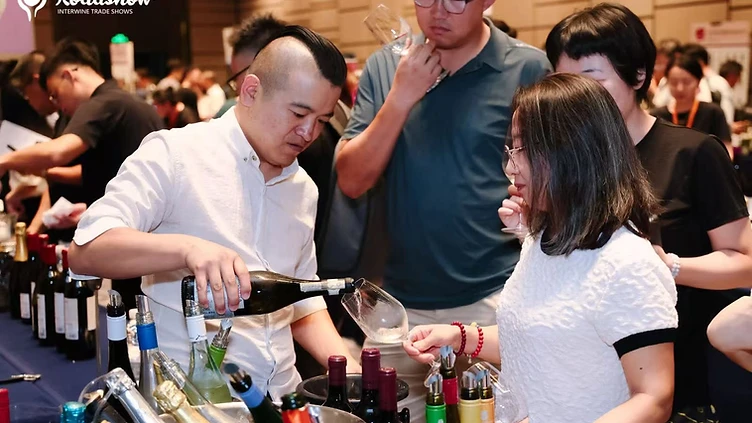
Securing commercial distribution across China’s vast geographical landscape requires face-to-face trust, product sampling, and direct negotiation with vetted buyers. Professional trade exhibitions serve as the primary bridge between Italian vineyards and verified regional distributors.
INTERWINE provides an authoritative B2B exhibition platform in Southern China, attracting thousands of verified national importers, supermarket beverage procurement directors, and HoReCa buyers. Through dedicated pavilion opportunities and tailored Business Matching services, exhibitors connect directly with pre-screened distributors actively looking to expand their sparkling wine portfolios.
Position your brand at the center of Asia's premier drinks gateway. Learn how to secure your stand and showcase your portfolio by choosing to Become an Exhibitor at the next INTERWINE expo.
Sources
- European Guanxi (2024) - Prosecco and China: Distribution Channels, Consumer Demographics, and E-Commerce Dynamics
- University of Padua (Ding, 2017) - Prosecco DOC Marketing Strategies for the Chinese Market
- Vino Joy News (2024) - China Wine Import Recovery Analysis and Italian Sparkling Wine Trends
- China Briefing (2025) - China's Wine Market Outlook: Trends, Channel Distribution, and Opportunities
Key Takeaways
- —Prosecco demand in China is increasingly driven by consumers aged 18–29 seeking lower-ABV, refreshing alternatives to heavy reds and traditional spirits.
- —Importers and distributors in China often operate distinct business models; exporters must secure partners with downstream wholesale networks in HoReCa and retail.
- —New Tier-1 and regional cities like Chengdu, Shenzhen, and Wuhan are showing faster digital wine adoption and high dining integration for sparkling wines.
- —Prosecco DOC and DOCG brands require active GACC facility registration, trademark filings, and compliant GB Chinese back-labels prior to export.
- —B2B trade platforms such as INTERWINE offer direct access to verified Chinese importers and curated business-matching sessions.
Frequently Asked Questions
Why is Prosecco gaining popularity in China compared to traditional red wines?
Prosecco offers a fruit-forward, approachable flavor profile, lower alcohol content (around 11% ABV), and a competitive price-to-quality ratio. Younger urban consumers and female drinkers in China increasingly favor it for casual socializing, brunch, and aperitivo occasions over formal banqueting red wines.
What is the difference between an importer and a distributor in China?
A licensed importer handles customs clearance, tariffs, and GACC regulatory compliance. However, many importers do not manage nationwide sales networks. A distributor purchases inventory from importers or directly holds stock to service regional sub-distributors, modern retail shelves, and on-premise HoReCa accounts.
What regulatory approvals are needed before shipping Prosecco to China?
Foreign wineries must obtain an enterprise registration code from the General Administration of Customs of China (GACC) under Decree 248, provide official certificates of origin and analysis, and apply compliant Chinese-language back labels meeting national food safety standard GB 7718.
Which Chinese cities offer the highest growth potential for Prosecco distribution?
While Shanghai and Beijing represent mature, highly competitive markets, rapid growth is concentrating in New Tier-1 and southern hubs including Shenzhen, Guangzhou, Chengdu, Hangzhou, and Wuhan, where vibrant dining cultures and high e-commerce adoption drive consumption.
How does exhibiting at INTERWINE help Prosecco producers enter the market?
INTERWINE connects foreign wineries directly with pre-qualified Chinese importers, regional wholesalers, modern retail buyers, and hospitality groups through curated booth showcases, targeted business-matching programs, and educational masterclass events.