
Distribution Strategy in China for Slovenian Wine Producers
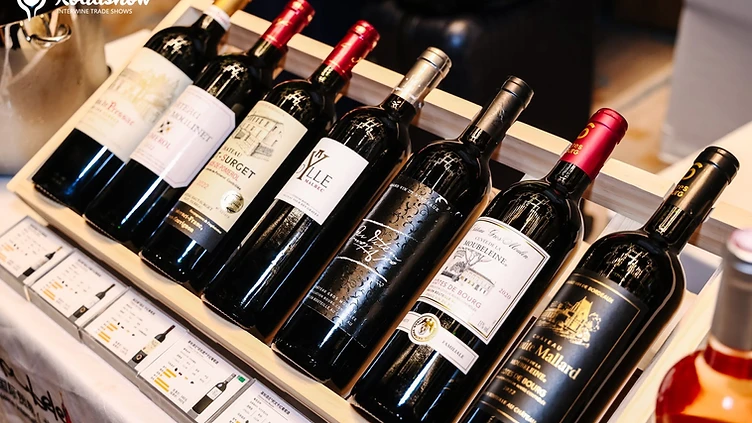
A commercial roadmap for Slovenian wine producers and export consortiums navigating China’s evolving import landscape, focusing on regional distributor models, niche positioning, and trade execution.
To succeed in China’s wine market, Slovenian producers must bypass generic, bulk-market volume plays and deploy a targeted multi-channel distribution strategy focused on boutique positioning, indigenous varieties, and specialized regional distributors. Slovenia’s production profile—distinguished by small family estates, sustainable viticulture, and unique terroirs across Primorska, Podravje, and Posavje—is not engineered to compete with entry-level volume exporters. Instead, entering China requires targeting discerning urban consumers, Michelin-starred and fine-dining HoReCa (Hotels, Restaurants, and Catering), specialized wine bars, and niche direct-to-consumer digital channels across Tier-1 and emerging Tier-2 hubs.
According to Market Insights: Chinese wine industry in 2025 by Jane Anson, the Chinese wine market has consolidated from approximately 120 billion yuan at its peak to roughly 20 billion yuan by 2025, triggering a pronounced structural shift toward qualitative consumption. In this environment, wine is no longer purchased solely for speculative business banqueting; rather, educated consumers increasingly demand authentic origins, organic and low-intervention certifications, and artisanal craftsmanship. Trade reporting from Beverage Trade Network notes that boutique, sustainable, and alternative Central and Eastern European wine regions are gaining strong traction among mainland buyers looking to differentiate their portfolios from standard commercial labels.
Deconstructing the Chinese Wine Distribution Landscape
Historically, imported wine flowed through massive state-owned conglomerates or mega-importers that distributed inventory across multi-tiered regional sub-wholesalers. Today, that intermediary-heavy structure has largely given way to streamlined, channel-focused networks. Foreign wineries entering the market must recognize three dominant importer archetypes:
- Specialist Boutique Fine-Wine Importers: These distributors focus heavily on curated portfolios of artisanal European estates, orange/skin-contact wines, and certified biodynamic labels. They maintain direct ties to high-end Western dining, boutique Chinese regional gastronomy, private collectors, and independent wine lounges in cities such as Shanghai, Shenzhen, Guangzhou, and Chengdu.
- Omnichannel Mid-Scale Importers: These operators combine regional HoReCa distribution with direct retail operations, corporate gifting contracts, and flagship online retail presences. According to analysis on digital retail models from Beverage Trade Network, distribution frameworks that bridge mobile social commerce (such as WeChat Mini-Programs) with online platforms like Tmall enable distributors to move curated inventory directly to consumers without traditional supermarket gatekeepers.
- Regional Sub-Distributors in Emerging Cities: Expanding beyond saturated coastal capitals, regional distributors in affluent secondary hubs—such as Hangzhou, Nanjing, Wuhan, and Changsha—are aggressively seeking boutique exclusives to differentiate themselves from commodity imports.
Strategic Positioning: Highlighting Slovenian Strengths
Slovenian wine associations and private cellars cannot scale like massive New World operations; their advantage lies in distinct story-driven product categories. Successful distribution requires positioning Slovenian lots into clear, high-margin commercial segments:
- Indigenous White Varieties: China’s coastal consumer markets show an increasing preference for crisp, high-acidity whites paired with regional Cantonese and seafood gastronomy. Varieties like Rebula (Ribolla Gialla), Zelen, and Pinela from Primorska (especially Goriška Brda and the Vipava Valley) represent distinctive alternatives to ubiquitous international whites.
- The Amber / Orange Wine Frontier: Slovenia is universally recognized among sommeliers as a historical pioneer of macerated white (orange) wines aged in oak, acacia, or amphorae. In modern Chinese metropolitan centers, natural and orange wine bars have emerged as major cultural gathering points for younger, affluent professionals. Positioning macerated Rebula or Malvazija within this category commands premium retail margins.
- Terroir-Driven Reds and Aromatic Whites: Distinctive reds like Teran from the Kras karst plateau, Modra Frankinja (Blaufränkisch), or complex aromatic Šipon (Furmint) and Renski Rizling from Podravje appeal to serious wine educators, WSET diploma holders, and boutique collectors.
Regulatory, Labeling, and Compliance Execution
Navigating Chinese customs requires meticulous regulatory preparation prior to dispatching containerized or consolidated freight. The General Administration of Customs of the People's Republic of China (GACC) enforces strict traceability under Decrees 248 and 249. Slovenian producers must register their manufacturing premises through the official CIFER platform, securing a registration number that must appear alongside standard shipment documentation.
Chinese back-label compliance is non-negotiable. Labels must explicitly detail the wine's Chinese legal designation, country of origin, importer/distributor contact details, net alcohol volume percentage, bottling date, and an allergen declaration (such as sulfur dioxide). Working alongside an experienced importer or customs broker ensures that testing for physical parameters, heavy metals, and residual additives matches Chinese National Food Safety Standards (GB standards).
Executing Route-to-Market: From Trade Exhibitions to Business Matching
For Slovenian export associations and independent estates, finding reputable distributors requires direct, in-person commercial negotiation. Importers in southern China’s Greater Bay Area—encompassing Guangdong, Hong Kong, and Macau—serve as the historical commercial gateway for European wine imports.
Participating in recognized trade events allows wineries to bypass multiple intermediary layers. Producers can engage verified professional buyers by planning to become an exhibitor at high-caliber exhibitions, utilizing pre-arranged business matching to evaluate vetted regional importers. Reviewing relevant industry developments through dedicated market insights provides producers with current data regarding consumer purchasing patterns and pricing dynamics across specific provinces.
Consortiums that combine high-level trade show booths with sommelier-led masterclasses maximize their return on investment. Importers rarely commit to unrepresented foreign origins without tasting the portfolio, hearing the estate’s narrative directly from the winemaker, and confirming that the commercial pricing tier supports sustainable margins across distribution channels.
Commercial Conclusion
Navigating China’s contemporary wine market requires precision, patience, and clear differentiation. Slovenian wine producers are well-positioned to capitalize on the market's transition toward premium, authentic, and low-intervention bottlings. By bypassing commodity volume strategies and aligning with dedicated boutique importers, participating in professional trade exhibitions, and executing rigorous regulatory compliance, Slovenian cellars can establish durable, highly profitable footholds in China’s premier commercial hubs.
Sources
- Jane Anson - Inside Bordeaux: Market Insights: Chinese wine industry in 2025
- Beverage Trade Network: Interwine China: Gateway to Global Wines in the Chinese Market
- Beverage Trade Network: The Chinese Tmall/WeChat Model: How to Tap New Wine Distribution Models in China
- Statista: Wine - China Market Forecast
- Williams & Marshall Strategy: Slovenia: Wine Industry Analysis, Trends, and Forecast
Key Takeaways
- —Slovenian producers must focus on boutique, high-margin niches rather than attempting to compete in high-volume commodity tiers.
- —China's wine market has contracted and matured, driving demand toward authentic, organic, skin-contact (orange), and indigenous grape varieties.
- —Boutique fine-wine importers and direct HoReCa distribution networks in Tier-1 and Tier-2 cities provide the most viable commercial routes to market.
- —Mandatory GACC facility registration (Decree 248/249) and rigorous Chinese back-label compliance must be completed prior to customs clearance.
- —Direct B2B engagement via trade exhibitions and structured business matching is essential for securing qualified distributor partnerships in mainland China.
Frequently Asked Questions
What makes Slovenian wines commercially attractive to Chinese wine buyers?
Slovenian wines appeal directly to the growing segment of Chinese buyers seeking boutique craftsmanship, organic and low-intervention certifications, and unique native varietals such as Rebula, Zelen, and Teran. In particular, Slovenia's reputation as a pioneer of skin-contact amber/orange wines provides high differentiation against mainstream bulk imports.
Which distribution channels in China should Slovenian wineries prioritize?
Slovenian producers should target boutique fine-wine importers catering to high-end HoReCa (Michelin-starred and Western restaurants), specialized natural and orange wine bars, corporate gifting channels, and niche online direct-to-consumer platforms via WeChat Mini-Programs rather than mass hypermarket retail.
What regulatory approvals are mandatory before shipping Slovenian wine to China?
Slovenian cellars must obtain facility registration with the General Administration of Customs of China (GACC) under Decrees 248 and 249 via the CIFER platform. Shipments must also adhere strictly to Chinese National Food Safety Standards (GB standards) and feature compliant Chinese-language back labels displaying importer information, alcohol percentage, and allergen declarations.
How can Slovenian wine consortiums and estates connect with vetted Chinese importers?
The most effective approach is participating directly in specialized B2B wine trade exhibitions such as Interwine in southern China. These events offer pre-qualified business matching sessions and masterclasses that connect wineries directly with professional regional distributors and sommeliers.