Bulgarian Wine Market Opportunities in China
Discover strategic commercial opportunities for Bulgarian wine in China. Learn how wineries can leverage indigenous grapes, competitive pricing, and targeted B2B trade channels.
Bulgaria’s winemaking heritage spans over three millennia, yet its modern commercial footprint in mainland China represents an underutilized competitive advantage. For Bulgarian estate wineries and export associations seeking sustainable global growth, China’s dynamic alcoholic beverage sector offers an expanding runway. According to market projections by Deep Market Insights (2025), the total wine market size in China reached approximately USD 36.59 billion in 2025 and is projected to expand toward USD 59.24 billion by 2034. As the broader market undergoes a recalibration away from speculative luxury toward rational, value-driven, and distinctive consumption, Bulgarian producers possess exactly what contemporary Chinese buyers are searching for: exceptional European quality, competitive factory-gate pricing, and unique indigenous varietals.
However, entering China requires more than quality wine in a bottle. Exporters must navigate evolving import regulations, structure distribution models beyond saturated tier-one coastal hubs, and establish verified relationships with qualified importers. This report examines the data-backed opportunities, commercial positioning strategies, regulatory realities, and B2B routes to market for Bulgarian wine brands.
Understanding the Chinese Wine Landscape
China's wine consumption ecosystem is evolving into a more mature, segmented landscape. According to historical bilateral trade data documented by the Observatory of Economic Complexity (OEC, 2024), Bulgaria exported approximately $21.3 million of wine globally in 2024, ranking as the 40th largest exporter globally. While traditional European markets and regional partners absorb substantial volumes, commercial efforts directed at China have demonstrated scalable demand over the past decade. Notably, reporting from CGTN and ECNS (2017) showed Bulgarian wine exports to China previously surpassed 5 million liters in volume during peak trade years, illustrating established logistical and consumer receptivity.
Today, consumer purchasing behavior across mainland China is prioritizing two distinct segments:
- High-Volume Everyday Value: Consumers demand authentic, European-certified wines that offer better price-to-quality ratios than traditional Old World giants like France or Italy.
- Curated Niche Distinctiveness: Discerning urban professionals, boutique sommeliers, and younger Gen Z consumers are actively seeking unexplored terroirs, indigenous grapes, and storied heritage over generic commercial blends.
Bulgaria sits at the intersection of both trends, provided wineries understand how to package, price, and position their portfolios for Chinese trade buyers.
The Commercial Case for Bulgarian Wine in China
1. Indigenous Grape Varieties as Strategic Differentiators
While Cabernet Sauvignon and Merlot represent safe entry points for Chinese corporate gifting, the modern imported wine market is saturated with international varieties. Bulgarian producers have a distinctive competitive advantage through indigenous and regional grape varieties:
- Mavrud: The flagship indigenous red grape of the Thracian Valley. Its deep ruby color, structured tannins, and dark fruit profiles match Chinese dining habits, particularly rich, savory banquet dishes.
- Melnik (Broad-Leaved Melnik / Melnik 55): Cultivated in the Struma River Valley, offering exotic spice notes, warmth, and aging potential that intrigue specialized wine clubs and private collectors.
- Rubin: A successful cross between Nebbiolo and Syrah, yielding approachable fruitiness, deep extraction, and smooth textures that appeal directly to China's red wine preference.
- Dimyat and Tamianka: Fresh, aromatic white varietals that align with the growing consumption of light, refreshing whites among younger female demographics and coastal seafood restaurants.
For more intelligence on varietal performance and shifting regional taste profiles in Asia, explore our Market Insights section.
2. Price-to-Quality Competitiveness
With production costs in Western Europe rising due to land, energy, and labor overheads, Bulgarian wineries maintain a competitive edge. Mid-range and entry-level premium Bulgarian PDO (Protected Designation of Origin) and PGI (Protected Geographical Indication) wines can enter Chinese ports at price points that allow distributors to capture healthy operating margins while retaining consumer-friendly retail shelf prices. In an era where Chinese distributors face tighter retail margins, an offering that guarantees European pedigree alongside viable commercial markups receives immediate buyer attention.
3. Diplomatic and Historical Warmth
Bulgaria shares long-standing diplomatic relations with the People's Republic of China, being the second country in the world to officially recognize the state in October 1949, as noted in trade reports by People's Daily Online (2015). This historical goodwill continues to support bilateral cultural and commercial ties, offering positive brand positioning across regional trade associations and commercial exchanges.
Navigating Distribution Channels and Tier-2 Expansion
To succeed commercially, Bulgarian export managers must deploy targeted route-to-market strategies tailored to mainland China’s evolving retail landscape.
                    ┌─────────────────────────────────────────┐
                    │      Bulgarian Export Association       │
                    │         / Independent Wineries          │
                    └────────────────────┬────────────────────┘
                                         │
                                         ▼
                    ┌─────────────────────────────────────────┐
                    │    Verified Chinese First-Tier Importer │
                    │      (Customs, CIQ & GACC Clearance)    │
                    └───────┬─────────────────────────┬───────┘
                            │                         │
             ┌──────────────┴──────────┐   ┌──────────┴──────────────┐
             ▼                         ▼   ▼                         ▼
   ┌───────────────────┐    ┌────────────────────┐     ┌───────────────────┐
   │ Regional Wholesaler│   │ Modern Off-Trade / │     │ Direct E-Commerce │
   │ (Tier 2/3 Cities) │    │ HoReCa Specialists │     │ (Douyin, JD, Tmall│
   └─────────┬─────────┘    └─────────┬──────────┘     └─────────┬─────────┘
             ▼                        ▼                          ▼
   ┌───────────────────────────────────────────────────────────────┐
   │                End Consumer / Private Clients                 │
   └───────────────────────────────────────────────────────────────┘
Look Beyond Tier-1 Metropolises
While tier-one hubs such as Shanghai, Beijing, Guangzhou, and Shenzhen remain critical for brand credibility, competition on store shelves and wine lists is cutthroat. Growth is increasingly shifting toward dynamic Tier-2 and Tier-3 urban centers across Guangdong, Zhejiang, Jiangsu, Sichuan, and Hunan provinces. In these secondary economic hubs, middle-class purchasing power is expanding, and local distributors are actively seeking exclusive regional import partnerships rather than competing over heavily discounted, commoditized Old World labels.
Omnichannel Integration: Modern Off-Trade and Digital
Traditional on-trade (hotel and formal restaurant dining) is complemented by specialized boutique bottle shops, casual bistros, and e-commerce livestreams. Packaging must feature crisp, culturally considered back-labels with certified Chinese translations, clear QR codes showing traceability, and authentic vineyard storytelling.
Regulatory Compliance and Logistics Checklist
Exporting wine from Bulgaria to China requires rigorous adherence to technical and customs protocols established by the General Administration of Customs of China (GACC).
- GACC Registration (Decree 248/249): All overseas alcoholic beverage production and storage facilities must be formally registered in the China Import Food Enterprise Registration system prior to dispatch. Ensuring registration codes are valid and properly recorded on commercial bills of lading is non-negotiable.
- Ingredient and Additive Compliance: China enforces strict national food safety standards (GB standards) governing chemical limits, including sulfur dioxide ($SO_2$) levels, sorbic acid, and heavy metals. Laboratory test certificates issued by recognized European laboratories must accompany each shipment.
- Labeling and Packaging Standards: Chinese back labels must comply with GB 7718 standards. The label must explicitly state the product name, ingredients, alcohol percentage, net volume, country of origin, manufacturing batch date, storage conditions, and the complete Chinese contact details of the registered domestic distributor/importer.
- Logistics and Cold-Chain Shipping: While bulk or ambient maritime freight via Mediterranean and Black Sea ports (e.g., Varna or Burgas) through the Suez Canal is standard, high-value estate wines require temperature-controlled reefer containers to prevent heat damage during transit through tropical waters.
Converting Opportunity into Revenue: The Trade Fair Advantage
In China's relationship-centric (guanxi) commercial environment, digital outreach and remote communications rarely yield sustained volume sales. Professional Chinese wine buyers, supermarket category managers, and regional distributors require direct sensory evaluation, face-to-face negotiations, and proof of an exporter's long-term market dedication.
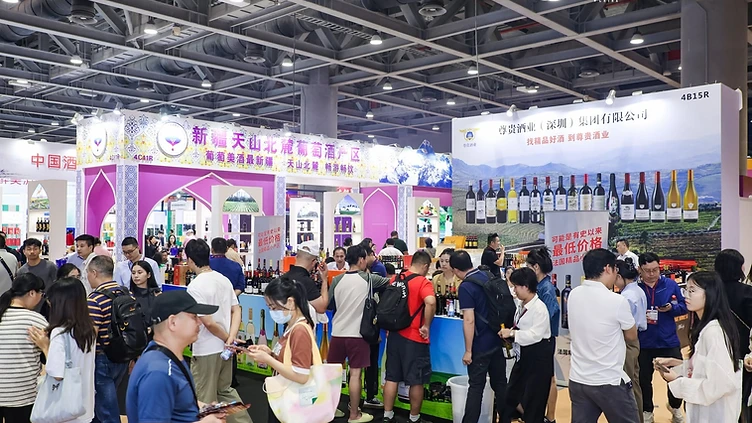
Participating in premier, specialized B2B trade platforms provides the fastest return on investment. As South China’s preeminent international beverage exhibition, Interwine delivers direct access to over 50,000 verified importers, regional distributors, and off-trade retail procurement teams. International wineries can secure booth locations, conduct masterclasses, and engage in high-impact pre-scheduled commercial meetings through our structured Business Matching services.
Producers ready to expand their commercial footprint can immediately apply to Become an Exhibitor and review upcoming showcases on our official Interwine Events schedule.
Conclusion
The Chinese market has moved beyond the era of blind prestige consumption. Today, it rewards quality, storytelling, margin sustainability, and commercial reliability. For Bulgarian wineries, the combination of competitive production economics, distinct varieties like Mavrud and Rubin, and growing consumer openness presents an extraordinary growth opportunity. By securing GACC compliance, identifying reliable regional distributors, and establishing a visible presence at premier trade exhibitions, Bulgarian producers can transform their historic winemaking heritage into profitable market share in mainland China.
Sources
- Deep Market Insights (2025): China Wine Market Size, Trends & Forecast Analysis (2025-2034)
- Observatory of Economic Complexity (OEC, 2024): Wine in Bulgaria Trade Profile
- ECNS / Xinhua (2017): Bulgaria eyes more wine export to China
- People's Daily Online (2015): Bulgarian wine enters China's market as domestic thirst for wine grows
- CGTN Business: Bulgaria eyes China's appetite for wine
Key Takeaways
- —China's wine market reached an estimated USD 36.59 billion in 2025 according to Deep Market Insights, offering vast expansion room for competitive European producers.
- —Bulgarian indigenous red varieties like Mavrud and Rubin provide a compelling point of difference against saturated Western European blends.
- —Bulgaria exported $21.3M in wine globally in 2024 (OEC), demonstrating steady international baseline production that can scale to Asian demands.
- —Expanding into Tier-2 and Tier-3 urban markets presents higher margin potential and less shelf congestion than saturated Tier-1 cities.
- —Compliance with Chinese GACC facility registration (Decree 248) and GB labeling regulations is an absolute prerequisite for market entry.
- —Direct B2B engagement through exhibitions like Interwine remains the most reliable mechanism to secure qualified Chinese importers.
Frequently Asked Questions
What grape varieties from Bulgaria have the highest potential in China?
Indigenous red varieties such as Mavrud and Rubin offer the greatest commercial traction. Chinese wine buyers appreciate full-bodied, fruit-forward red wines with structured tannins that pair well with regional banquet cuisine, making Mavrud and Rubin distinct alternatives to saturated Cabernet Sauvignon offerings.
What regulatory approvals are mandatory before exporting Bulgarian wine to China?
Bulgarian producers must register their manufacturing and bottling facilities with the General Administration of Customs of China (GACC) under Decree 248. Furthermore, wine shipments must comply with Chinese National Standards (GB standards) for food additives, including sulfur dioxide limits, and display approved Chinese-language back labels compliant with GB 7718.
Which regional markets in China offer the best entry points for Bulgarian wine?
While Tier-1 metropolises like Shanghai and Guangzhou drive brand awareness, fast-growing Tier-2 and Tier-3 cities in provinces like Zhejiang, Jiangsu, Sichuan, and Guangdong provide lower market entry barriers, less retail shelf competition, and distributors eager for exclusive regional import rights.
How does Bulgarian wine compete against major European producers like France and Spain?
Bulgaria offers genuine European quality (PDO and PGI classifications) with significantly lower production and land costs. This allows Bulgarian wineries to offer attractive factory-gate pricing, enabling Chinese importers to achieve sustainable operating margins while delivering strong value to consumers.
How can Bulgarian wineries find verified importers and distributors in China?
The most effective method is participating directly in dedicated B2B trade platforms such as Interwine in Guangzhou. In-person tasting, direct commercial negotiations, and pre-scheduled business matching provide direct access to verified national and regional wine buyers.