Why Uruguayan Wineries Should Exhibit at Interwine
Discover why Uruguayan wineries and export bodies should exhibit at Interwine China to diversify beyond regional borders, capitalize on premium Tannat demand, and connect directly with vetted Asian wine distributors.
Uruguayan wineries facing concentrated regional trade flows have a clear commercial rationale to exhibit at Interwine China: it provides the most direct, qualified B2B gateway to Asia's dynamic premium wine distribution network. Rather than competing in saturated bulk categories, Uruguayan producers can leverage their maritime terroir, distinctive Tannat varietals, and high average bottle valuations to secure dependable import partners across Greater China and the Asia-Pacific region.
The Strategic Imperative: Beyond Regional Concentration
For Uruguayan wine producers and institutional export associations, diversification is no longer an optional growth tactic; it is an economic necessity. According to trade figures consolidated by the Observatory of Economic Complexity (OEC), Uruguay exported $19.1 million of wine globally in 2024, placing it 44th among worldwide wine exporters. However, historical shipment flows tracked by the Instituto Nacional de Vitivinicultura (INAVI) demonstrate a heavy geographical reliance on neighbouring Mercosur nations, particularly Brazil, which consistently absorbs the majority of export volumes.
Academic assessments published in Beverages (MDPI) highlight that while Uruguay possesses unique competitive advantages—including temperate maritime microclimates, high environmental standards, and modern cellar infrastructure—its long-term export viability depends on mitigating dependence on neighbouring economies and establishing firm footholds in high-value consumer markets like China. Furthermore, empirical findings by Y. Nishiyama in the International Trade Journal (2024) show that Uruguayan export wines command higher unit price points than high-volume regional counterparts like Chile, proving that Uruguay's competitive edge lies strictly in differentiated, premium, and ultra-premium brand positioning rather than discount commodity pricing.
To translate this prestige into commercial contracts, vintners must choose channels that cater directly to buyers seeking boutique portfolios. This makes exhibiting at Interwine a targeted, high-ROI commercial strategy.
What Makes the Chinese Market Receptive to Uruguayan Wine?
China's imported wine sector has matured into an educated, value-conscious, yet prestige-driven landscape. Importers and on-premise sommeliers in Tier-1 and emerging Tier-2 hubs are shifting away from over-commercialized labels toward distinctive origins with compelling stories of authenticity and sustainability.
- The Tannat Differentiation: As noted in strategic research from Beverages (MDPI), Tannat serves as Uruguay’s flagship variety—introducing intense phenolic structure, deep color, and ageability that seamlessly aligns with traditional Chinese culinary pairings and banquet gift culture. While consumers are familiar with Cabernet Sauvignon and Merlot, Tannat provides importers with a fresh, proprietary narrative for their portfolios.
- Maritime Freshness and Boutique Craftsmanship: Bordered by the Atlantic Ocean and the Río de la Plata, Uruguayan vineyards benefit from cooling ocean breezes that yield vibrant acidity, moderate alcohol levels, and refined balance. In an era where younger Asian demographics demand fresher, food-friendly styles, Uruguay's coastal elegance stands apart from warm-climate New World profiles.
- Bilateral Diplomatic and Commercial Momentum: Commercial relationships between Montevideo and Beijing are reinforced at the highest levels. Trade dispatches from the national investment and export promotion agency, Uruguay XXI, confirmed that Uruguayan companies experienced surging buyer interest during state-level trade delegations to China in late 2023. Interwine serves as the specialized transactional platform to convert this macro bilateral goodwill into concrete purchase orders.
Commercial Advantages of Exhibiting at Interwine China
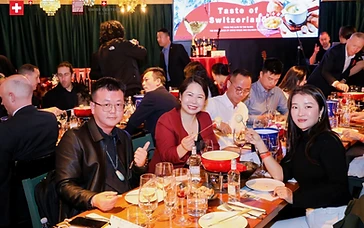
Entering a continent-sized marketplace demands targeted buyer access rather than passive consumer sampling. As China's longest-running international B2B wine and spirits exhibition with more than two decades of operating history, Interwine provides specialized trade infrastructure designed to de-risk international market entry.
Direct Access to Multi-Tier Importers and Distributors
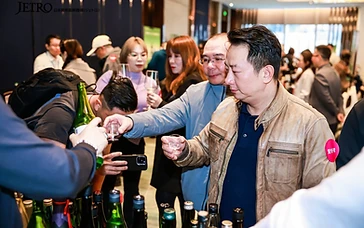
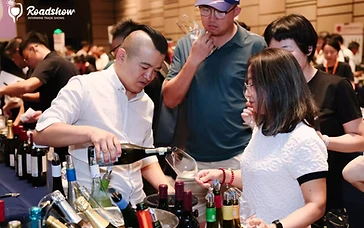
General retail fairs rarely produce institutional purchase contracts. Interwine gathers pre-vetted wine importers, regional wholesalers, HORECA hospitality procurement managers, and specialized private-label buyers from across southern China, the Greater Bay Area, and inland commercial capitals. Uruguayan bodegas can bypass multiple layers of intermediaries, securing direct dialogue with decision-makers who hold bonded warehouse licenses and established off-trade channels.
High-Impact Structured Business Matching
Wineries participating in Interwine do not leave trade outcomes to serendipity. By leveraging dedicated Business Matching services, producers are paired in advance with licensed buyers seeking South American fine wines in specific price brackets. This guarantees efficient use of time and maximizes scheduled face-to-face negotiations across the exhibition days.
Masterclasses and Terroir Education
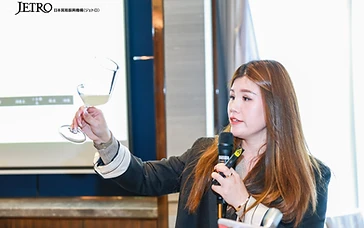
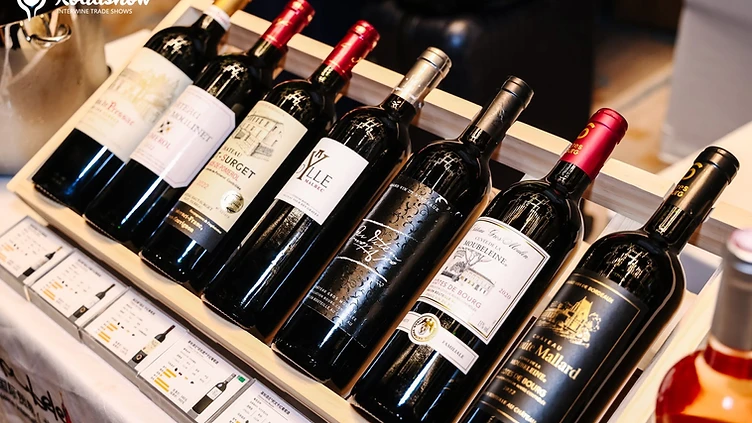
Because Uruguay produces boutique export volumes, education is paramount. At Interwine, producers and regional promotional bodies can host sommelier-led masterclasses, guided vertical tastings, and varietal showcases. Educating top-tier regional distributors on Canelones, Maldonado, and Colonia sub-regions transforms unfamiliar buyers into dedicated brand ambassadors across provincial markets.
Calculating the ROI: Boutique Wineries and Export Associations
For artisanal wineries producing limited annual cases, allocating export marketing budgets requires strict commercial discipline. A focused presence at Interwine yields distinct financial and operational efficiencies:
- Consolidated Delegation Economies of Scale: By coordinating with export bodies such as INAVI or regional consortia, wineries can share bespoke pavilion infrastructure, logistics costs, and sample freight, dramatically reducing the per-winery cost of exhibition.
- Premium Realization: By connecting with specialized distributors rather than hypermarket buyers, Uruguayan producers protect their pricing architecture, landing sales at unit economics that reflect their hand-harvested production values.
- Cross-Sector Synergies: Uruguayan wine benefits heavily from the country's world-class reputation in high-end agriculture, including grass-fed beef and artisanal caviar. Presenting wines at Interwine reinforces this unified national standard of culinary luxury.
Producers seeking to explore the market first-hand or evaluate current vintage competitiveness can also review the Market Insights hub to benchmark their varietal and price tiers against prevailing market trends.
Strategic Preparation: A Practical Roadmap for Uruguayan Exporters
To maximize the commercial return on exhibiting, wineries should follow a rigorous four-stage execution timeline:
[Stage 1: 4-6 Months Prior]
Portfolio selection (Estate Tannat, Albariño, Blends) & Chinese label compliance
               │
               ▼
[Stage 2: 2-3 Months Prior]
Secure booth placement; pre-schedule meetings via Interwine matchmaking platforms
               │
               ▼
[Stage 3: Exhibition Days]
Execute targeted tastings, masterclasses, and bilateral commercial contract talks
               │
               ▼
[Stage 4: Post-Fair Execution]
Sample dispatch to bonded zones, customs clearance guidance, distributor follow-up
- Curate a Focused Export Portfolio: Prioritize high-scoring single-vineyard Tannat, distinctive Tannat-Merlot or Tannat-Cabernet Franc blends, and Atlantic Albariño. Ensure technical sheets are professionally translated into Simplified Chinese, detailing vineyard altitude, maritime proximity, and aging profiles.
- Manage Regulatory and Sample Logistics: Partner with experienced logistics agents to clear sample shipments through Chinese customs early. Having CIQ-compliant sample stocks available immediately for buyer inspection during the fair avoids post-event lost momentum.
- Leverage Turnkey Event Services: International participants can take advantage of on-the-ground support, from Arrival and Transportation guidance to comprehensive Invitation Letter and Visa Support, streamlining attendance for winery principals and export directors.
Conclusion: Secure Your Brand’s Footprint in China
Global wine dynamics require agile, forward-looking export diversification. Uruguayan wineries cannot afford to concentrate commercial risk in volatile regional markets when Chinese trade buyers are actively seeking unique, high-character alternatives to legacy Old World labels. Exhibiting at Interwine provides the focused trade platform, targeted business matching, and industry visibility necessary to establish long-term, lucrative Asian distribution.
Ready to position your portfolio before qualified importers? Submit your registration to Become an Exhibitor at the upcoming Interwine edition and open your brand's pathway to the Asia-Pacific wine trade.
Sources
- MDPI Beverages: An Assessment of the Competitive Position of the Emergent Uruguayan Wine Industry (2021/2026 update)
- Observatory of Economic Complexity (OEC): Wine in Uruguay Trade Profile (2024 Trade Data)
- Uruguay XXI: Uruguay is on the radar of Chinese buyers (2023)
- The International Trade Journal: Uruguay's Wine Export Strategies, by Y. Nishiyama (2024)
Key Takeaways
- —Export Diversification: Reduces Uruguayan wineries' heavy commercial reliance on neighbouring Mercosur markets like Brazil by opening direct access to Greater China.
- —Higher Unit Economics: Academic trade research confirms Uruguayan export wines capture higher unit values than regional mass producers, aligning perfectly with premium Asian import tiers.
- —Flagship Tannat Positioning: Offers Chinese buyers a unique, full-bodied alternative with a compelling maritime terroir narrative and proven banquet pairing capacity.
- —Targeted B2B Engagement: Direct access to pre-vetted importers, distributors, and HORECA buyers through structured business matching and sommelier masterclasses.
- —Bilateral Trade Synergy: Leverages strong diplomatic ties and high brand regard established between Uruguay and China to de-risk market penetration.
Frequently Asked Questions
Why should Uruguayan wineries target the Chinese market now?
Uruguayan wineries currently experience high export concentration in neighbouring South American markets like Brazil. China offers a substantial, high-value consumer base seeking boutique, artisanal wines with unique varietal stories, making it an ideal destination for Uruguay's premium, higher-margin bottle exports.
How does Tannat perform among Chinese wine buyers?
Tannat performs exceptionally well with trade buyers looking for bold, structured red wines that pair naturally with Chinese culinary traditions and corporate banquets. Its high polyphenol content, rich color, and distinct terroir narrative offer an attractive alternative to standard international varieties.
Can smaller, family-owned Uruguayan bodegas benefit from Interwine?
Yes. Interwine specifically caters to specialized importers and regional distributors who seek boutique, estate-bottled wines rather than bulk commodity contracts. Family bodegas can exhibit individually or via joint national pavilions organized with export bodies to optimize costs.
What B2B support does Interwine provide to international exhibitors?
Interwine provides end-to-end trade infrastructure, including pre-scheduled business matching with licensed importers, masterclass and tasting presentation areas, professional on-site translators, and logistical support such as official visa invitation letters.
How should Uruguayan wineries prepare their portfolios for Interwine?
Wineries should highlight iconic, high-scoring Tannat, balanced red blends, and fresh coastal Albariño. Preparing technical data sheets in Simplified Chinese and ensuring compliance with local labeling standards prior to the fair will significantly accelerate purchase discussions.