Distribution Strategy in China for Lebanese Wine Producers

A commercial, compliance-focused B2B distribution strategy for Lebanese wine producers seeking long-term growth and verified channel partners in China.
A successful distribution strategy in China for Lebanese wine producers requires abandoning mass-retail aspirations in favor of specialized, high-margin routes: boutique on-trade gastronomy, dedicated fine-wine importers, and regional private client networks. As domestic currency devaluations and supply chain pressures at home drive Lebanese wineries to diversify beyond traditional European and Gulf export destinations (China Daily, 2022), China offers an expanding tier of curious, educated wine professionals. However, capturing this value requires navigating complex General Administration of Customs of China (GACC) compliances, avoiding generic retail dead-ends, and establishing vetted distributor relationships.
The Chinese Market Opportunity for Lebanese Wine
Lebanon produces approximately 7.5 to 9 million bottles of wine annually, heavily concentrated in the high-altitude Bekaa Valley and Batroun regions (Union Vinicole du Liban). Because of limited overall production volume, Lebanese vintners cannot compete on unit cost against commodity bulk exporters from Chile, Spain, or Australia. Instead, the country's strategic advantage lies in its compelling narrative: 5,000 years of Phoenician winemaking heritage, unique terroir, robust French-influenced winemaking styles (such as aged blends of Cabernet Sauvignon, Cinsault, and Carignan), and indigenous grapes such as Obeidi and Merwah.
In China, the wine import landscape has transitioned from indiscriminate gifting of top-tier Bordeaux toward an appetite for authentic storytelling, distinctive terroirs, and premium niche discoveries (China Briefing, 2025). According to projections published by China Briefing (2025) citing International Wine and Spirits Research (IWSR) data, China's online alcohol market is set to expand at a 6% compound annual growth rate (CAGR) from 2022 through 2027, driven by direct-to-consumer and specialized sales channels. To capture this segment, Lebanese wineries must position their portfolios strictly within the mid-to-premium brackets (RMB 250 to RMB 800+ retail).
Evaluating Distribution Route Models
Selecting the right commercial channel dictates whether an export venture succeeds or stalls in customs bonded warehouses. Lebanese wine exporters must evaluate three distinct operational routes:
1. National Importers vs. Regional Boutique Specialists
- National Conglomerates: Large state-owned or multi-province trading houses move volume, but niche appellations frequently become lost in their massive portfolios. They demand steep marketing allowances and extended credit terms.
- Regional Boutique Importers: The optimal entry point for boutique Mediterranean producers. Independent distributors operating in First-Tier and New First-Tier commercial hubs (such as Shanghai, Shenzhen, Guangzhou, Chengdu, and Hangzhou) cater directly to upscale bistros, independent wine bars, and private corporate clubs. They prioritize distinct regional identity over volume.
2. On-Trade and Specialized HoReCa Placement
Academic research comparing mature and developing channels shows that emerging wine markets like China rely heavily on on-trade venues—hotels, upscale restaurants, and specialist wine bars—to build brand credibility before off-trade retail takes hold (Bouzdine-Chameeva et al., ResearchGate). Placing Bekaa Valley whites and structured reds in luxury hotels, Mediterranean and Middle Eastern dining establishments, and high-end Cantonese restaurants establishes prestige pricing and allows sommeliers to educate consumers directly.
3. Cross-Border E-Commerce (CBEC) and Curated Digital Retail
While mainstream platforms like Tmall and JD.com host enormous consumer traffic, unassisted generic search visibility is costly. Lebanese producers benefit more from curated WeChat Mini-Programs run by fine-wine clubs, sommelier-curated livestream sessions, and niche cross-border e-commerce storefronts that showcase imported wines alongside educational backstories.
Regulatory Compliance, Customs, and Brand Protection
Executing an export distribution strategy in mainland China requires meticulous adherence to food safety and customs procedures administered by the General Administration of Customs of China (GACC) and the State Administration for Market Regulation (SAMR):
- GACC Decree 248 Registration: Overseas manufacturing and processing facilities must be registered with the GACC before dispatching shipments. Lebanese wineries must complete their producer filing via the China Import Food Enterprise Registration platform (FDI China, 2025).
- Mandatory Chinese Back-Labeling: Compliance labels must be affixed prior to customs inspection. Back labels must state the Chinese product name, country of origin (黎巴嫩 - Lebanon), ingredients, bottling date, shelf life (if applicable), alcohol by volume (ABV), importer/distributor contact details, and mandatory health warnings in simplified Chinese.
- Tariff and Tax Clearances: Imported wines entering China are subject to import customs duty (typically 14% for countries on standard Most Favored Nation terms without bilateral FTAs), Value-Added Tax (13%), and Consumption Tax (10%), creating a compounded landed tax burden of approximately 43–48% on CIF value.
- Trademark Defense: China adheres strictly to a "first-to-file" intellectual property regime. Exporters must register both their Latin script brand name and their registered Chinese phonetic trademark (中文商标) with the China National Intellectual Property Administration (CNIPA) before shipping samples or signing distribution contracts (China Briefing, 2025). Failing to protect Chinese naming exposes wineries to opportunistic trademark squatters.
Overcoming Market Entry Obstacles
Lebanese wineries face distinct headwinds that demand deliberate counter-strategies:
- Consumer Unfamiliarity: Many Chinese wine drinkers associate winemaking exclusively with Western Europe or major New World producers. Overcoming this friction requires targeted Masterclasses and sommelier education highlighting the ancient Phoenician heritage, mineral-rich limestone soils, and exceptional aging capacity of Lebanese cuvées.
- Financial Volatility and Trade Logistics: Navigating Lebanon's domestic economic turbulence requires disciplined payment structures. Exporters should secure confirmed Letters of Credit (L/C) or substantial upfront deposits (e.g., 30–50% upon purchase order, balance against Bill of Lading) rather than granting open credit terms.
- Distributor Exclusivity Pitfalls: Wineries should avoid awarding nationwide exclusive distribution rights to unverified agents. A preferred model is regional or milestone-based distribution contracts granting exclusivity only for specific territories (e.g., East China, South China) and conditional on minimum annual order volumes.
Activating Commercial Channels On the Ground
Building an enduring footprint in China cannot be achieved remotely. Importers, master sommeliers, and corporate procurement directors demand direct sensory evaluation and face-to-face commercial negotiations before committing capital.
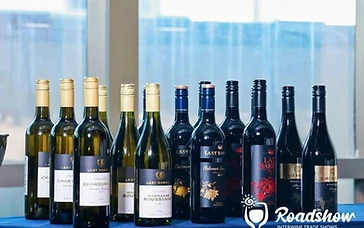
Trade bodies and independent wineries must proactively utilize premier international wine exhibitions in Southern China—the nation's primary gateway for wine consumption and import distribution. By joining established industry showcases, winemakers can leverage dedicated business-matching services, connect with verified regional buyers, and analyze emerging market segments through localized market insights. For Lebanese producers ready to establish long-term commercial trade networks, the most decisive operational step is to secure an exhibition presence and become an exhibitor at upcoming trade events.
Sources
- China Daily: Crisis-hit Lebanese wineries eye Chinese market (2022)
- China Briefing: China's Wine Market Outlook: Trends and Opportunities (2025)
- FDI China: Export Wine to China With a Wine Trading WFOE (2025)
- ResearchGate: Wine distribution channel systems in mature and newly growing markets: Germany versus China
Key Takeaways
- —Position Lebanese wine as a heritage, premium niche category (RMB 250–800+) rather than competing against high-volume commercial producers.
- —Prioritize regional boutique importers and fine-dining HoReCa channels in First-Tier and New First-Tier cities over nationwide commodity distributors.
- —Comply strictly with GACC Decree 248 facility registration, Chinese back-label requirements, and mandatory CIF-compounded taxes.
- —Secure Chinese phonetic trademarks with CNIPA before entering commercial talks to protect intellectual property under China's first-to-file regime.
- —Engage verified trade buyers directly through specialized industry exhibitions and structured B2B matchmaking programs.
Frequently Asked Questions
Why should Lebanese wine producers focus on niche channels rather than mass retail in China?
With national production averaging around 7.5 to 9 million bottles annually, Lebanese wineries cannot match the low production costs or container volumes of mass-market producers from Spain, Chile, or Australia. Specialized routes—such as boutique on-trade restaurants, private wine clubs, and premium regional distributors—allow producers to command healthy margins (RMB 250 to RMB 800+) by leveraging the unique heritage and character of Bekaa Valley and Batroun terroirs.
What regulatory filings are required to export Lebanese wine to mainland China?
Wineries must register their production facilities under GACC Decree 248 through the China Import Food Enterprise Registration system before shipping. In addition, each shipment requires compliant simplified Chinese back-labels, certificates of origin, phytosanitary/health certificates, and full customs and consumption tax clearances upon arrival at the port of entry.
How should Lebanese winemakers protect their brand name in China?
Because China enforces a strict 'first-to-file' system, producers should register both their original Latin brand name and a curated Chinese character equivalent (phonetic or semantic transliteration) with the China National Intellectual Property Administration (CNIPA) before beginning commercial negotiations or shipping tasting samples.
Which Chinese cities offer the strongest demand for Lebanese wine?
First-Tier cities (Shanghai, Guangzhou, Shenzhen, Beijing) and affluent New First-Tier cities (Chengdu, Hangzhou) offer the highest concentration of educated wine consumers, international culinary scenes, and independent wine bars receptive to indigenous varieties like Obeidi and historic Mediterranean blends.
How can Lebanese wineries find verified Chinese importers?
The most effective approach is participating in dedicated professional wine trade fairs in China, which provide on-the-ground business matchmaking sessions, sommelier masterclasses, and face-to-face meetings with vetted regional distributors and hospitality beverage directors.