Distribution Strategy in China for Uruguayan Wine Producers
A commercial roadmap for Uruguayan wine producers and export groups entering China, covering GACC compliance, route-to-market models, Tannat positioning, and trade fair engagement.
To succeed in mainland China, Uruguayan wine producers must navigate beyond generic New World export practices and implement a targeted, highly disciplined commercial distribution strategy. While mass-volume exporters from Chile or Australia compete predominantly on price point, container volume, and deep retail trade margins, Uruguay’s boutique production footprint—totaling $19.1 million in global wine shipments according to The Observatory of Economic Complexity (OEC)—dictates an agile, value-first market entry. Bilateral economic links between the two countries have never been stronger: according to Uruguay XXI, China stood as Uruguay's primary export destination in 2025, reaching USD 3.493 billion in bilateral trade value (26% of Uruguay's total goods exports). For wineries supported by INAVI (Instituto Nacional de Vitivinicultura) under the Wines of Uruguay banner, unlocking China requires translating this high-level geopolitical rapport into commercial presence across premium regional distribution channels.
Commercial Realities and Uruguay’s Niche Value Proposition
Navigating China’s imported wine landscape requires wineries to recognize that traditional volume-driven wholesale plays are largely ineffective for boutique origins. Industry analysis from MSA Asia shows China’s wine market reached $40.4 billion in 2024, projected to expand at a compound annual growth rate (CAGR) exceeding 11%. However, market growth is increasingly captured by differentiated, terroir-driven selections rather than generic entry-level labels. Uruguayan bodegas cannot afford distributor misalignments that commoditize their flagship grape varietals.
Uruguay’s distinct geographic identity—a maritime climate heavily influenced by the South Atlantic, situated between the 30th and 35th parallels south—gives Tannat, Albariño, and Cabernet Franc a specific point of differentiation compared to the continental styles typical of Mendoza or Chile’s Central Valley. Tannat, in particular, offers deep coloration, high polyphenol concentration, structured tannins, and natural aging potential. In Chinese gastronomic centers, these structural attributes pair exceptionally well with rich regional cuisines such as Cantonese braised dishes, Northern roasted meats, and Sichuan fare. Rather than competing against entry-level OEM bottlings, Uruguayan producers should position their portfolios directly in the mid-to-high tier (retail ¥250 to ¥600+), targeting educated collectors, boutique bistro sommeliers, and private corporate clients.
Route-to-Market Architecture: Evaluating China's Distribution Channels
Selecting the right commercial channel dictates whether an export venture thrives or results in stranded port stock. Uruguayan producers should weigh four primary distribution models:
1. National Importers and Category Aggregators
Partnering with national tier-one distributors offers extensive footprint across tier-1 hubs (Shanghai, Beijing, Guangzhou, Shenzhen). Historically, conglomerates handled end-to-end import clearances, national warehousing, and trade sub-wholesaling. However, for smaller producing countries like Uruguay, national aggregators frequently dilute brand focus, relegating specialized South American labels to passive catalogs behind French, Italian, or Australian commercial giants. A national exclusive agreement should only be granted if the importer commits to clear annual minimum purchase quotas and dedicated regional field activations.
2. Regional Specialty Wholesalers and City-Level Agents
For artisanal bodegas, collaborating directly with independent, regional fine-wine distributors in high-consumption economic corridors represents the most sustainable route. Coastal hubs throughout the Greater Bay Area (Guangdong-Hong Kong-Macao) and the Yangtze River Delta maintain strong consumer purchasing power, sophisticated Western and fusion dining scenes, and dynamic independent wine bars. Working with regional distributors preserves margin for both the winery and the local merchant while insulating the producer from single-distributor paralysis. In this framework, bodegas often divide representation geographically—appointing specialized partners across Southern, Eastern, and Northern zones.
3. Cross-Border E-Commerce (CBEC) and Curated DTC Retailing
While general domestic e-commerce on mainstream platforms like Tmall and JD.com demands prohibitive customer-acquisition spending and steep promotional discounts, Cross-Border E-Commerce (CBEC) provides a lower-risk avenue for pilot runs. CBEC allows overseas wineries to retail directly to Chinese end-consumers via bonded warehouses in free trade zones, bypassing certain domestic retail registration complexities. Complementing this with targeted WeChat Mini-Programs operated by local merchant partners enables wineries to serve niche private-client communities, digital wine clubs, and premium executive gifting channels without undermining traditional wholesale pricing.
4. The Direct-to-On-Trade (HoReCa) Boutique Model
Direct engagement with fine dining, five-star luxury hospitality chains, and independent bistro venues represents Uruguay’s fastest path to brand prestige. Sommelier-led distribution houses in cities like Guangzhou, Shenzhen, Shanghai, and Chengdu seek unconventional, high-storytelling New World terroirs to refresh their pairing menus. Because Tannat provides an exceptional narrative—highlighting antioxidant-rich profiles, cool-climate maritime elegance, and family-estate authenticity—this channel establishes early brand equity that naturally feeds secondary off-trade sales.
Producers seeking market intelligence and buyer connectivity can review curated commercial data via Market Insights and align direct meetings through structured Business Matching sessions.
Regulatory Compliance, Customs Clearance, and GACC Registration
Securing clearance through the General Administration of Customs of the People's Republic of China (GACC) requires strict attention to import protocols. Operational oversights at origin frequently lead to costly port delays, bonded demurrage fees, or rejected shipments.
- Decree 248 and 249 Registrations: Under GACC regulations, all overseas food and beverage manufacturing, processing, and storage facilities must be formally registered on the official China Import Food Enterprise Registration platform prior to shipment departure. Uruguayan bodegas must ensure their GACC registration number is active, accurately classified under alcoholic beverage codes, and valid across all export paperwork.
- Labeling Standards (GB 7718 & GB 2758): Compliance with national food safety standards requires all wine imported into mainland China to carry a fully compliant Chinese back label. Labels must correctly specify the product name, grape variety, harvest year, alcoholic strength, net volume, country of origin (Uruguay), producer name, domestic importer/distributor contact details, and mandatory health warnings in standardized simplified Chinese characters. Affixing labels accurately at origin or within qualified bonded warehousing prevents clearance impoundments.
- Physicochemical and Additive Limits: Bottling lines must adhere strictly to Chinese sanitary parameters. Tolerances for total sulfur dioxide ($SO_2$), residual sorbic acid, and heavy metal traces (such as copper and lead) must conform to Chinese national sanitary limits, which can be more stringent than domestic Uruguayan regulations or European baselines. Official laboratory certificates of analysis endorsed by authorized Uruguayan testing bodies must accompany each commercial bill of lading.
Commercial Negotiation and In-Market Activation
Signing an importer is only the preliminary milestone; sustainable sales velocity requires hands-on support. Chinese distributors increasingly avoid taking on upfront commercial risk without verified market resonance and producer-backed co-investment.
[Uruguayan Bodega]
       │
       ├─► Direct Regional HoReCa Importer (Tier-1 Coastal Hubs)
       ├─► Specialty Fine-Wine Distributor (Yangtze / Pearl River Deltas)
       └─► Cross-Border E-Commerce / Private Client WeChat Ecosystem
       │
       ▼
[Trade Activation: Masterclasses, Gastronomy Dinners & Interwine Trade Fairs]
       │
       ▼
[Educated Sommelier, Corporate Buyer & Retail Consumer]
- Structured Co-Marketing Budgets: Successful export contracts establish explicit joint-marketing funds (typically 3%–7% of FOB contract value) specifically earmarked for bilingual trade collateral, targeted digital tastings on WeChat/RED (Xiaohongshu), and localized sommelier masterclasses.
- National Tannat Day Leverage: Uruguayan wineries should capitalize on November 14, officially recognized by INAVI as National Tannat Day, to orchestrate coordinated importer promotions, restaurant pairing events, and specialized consumer tastings across key Chinese commercial centers.
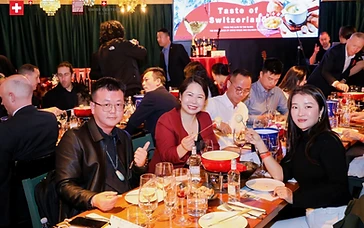
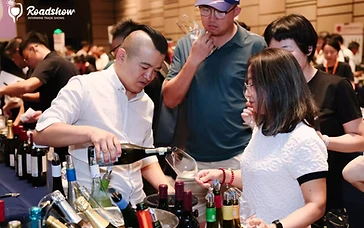
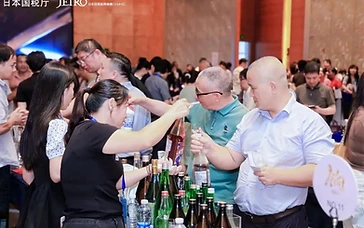
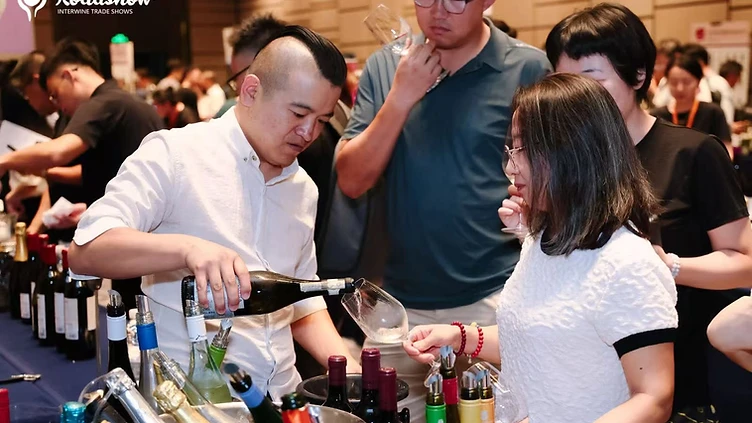
- Trade Fair Attendance: Developing lasting distributor relationships requires consistent, face-to-face commercial presence. Face-to-face engagement remains the cornerstone of B2B deal-making in China’s beverage sector.
To establish direct commercial inroads with regional distributors, retail importers, and HoReCa buyers across mainland China, global wineries are invited to explore trade booth opportunities and Become an Exhibitor at INTERWINE. Foreign winery principals preparing their travel and commercial delegations can streamline on-site operations using Invitation Letter and Visa Support as well as logistics information under Arrival and Transportation.
Conclusion
Uruguay’s path to commercial success in China does not involve competing on industrial container volumes, but rather establishing a secure, well-targeted boutique presence. By leveraging the country's strengthening bilateral trade position, securing full regulatory compliance with GACC standards, and targeting regional fine-wine distributors across Southern and Eastern China, Uruguayan bodegas can unlock reliable long-term margins. Direct trade engagement, focused education on maritime terroirs and Tannat expressions, and consistent trade-fair participation will ensure Uruguayan wines establish an enduring, premium footprint in the Chinese market.
Sources
- Uruguay XXI, "Uruguay inaugurates its stand at CIIE 2025 and strengthens its commercial presence in China" (2025): https://www.uruguayxxi.gub.uy/en/news/article/uruguay-inaugurates-its-stand-at-ciie-2025-and-strengthens-its-commercial-presence-in-china
- Uruguay XXI, "Uruguay advances its international integration with an official mission to China" (2026): https://www.uruguayxxi.gub.uy/en/news/article/uruguay-advances-its-international-integration-with-an-official-mission-to-china/
- Observatory of Economic Complexity (OEC), "Wine in Uruguay Trade Report" (2026): https://oec.world/en/profile/bilateral-product/wine/reporter/ury
- MSA Asia, "Wine Market in China: Trends, Growth, and Consumer Preferences" (2026): https://msadvisory.com/wine-market-in-china
Key Takeaways
- —Uruguay XXI recorded $3.493 billion in total bilateral exports to China in 2025, providing a strong diplomatic and commercial baseline for boutique wine exporters.
- —Boutique Uruguayan wineries should avoid hyper-commoditized national wholesale arrangements and prioritize regional distributors in coastal hubs like the Greater Bay Area and Yangtze River Delta.
- —Uruguay's maritime Tannat and Albariño offer distinct pairing advantages for rich regional Chinese cuisines, justifying premium retail positioning between ¥250 and ¥600+.
- —Strict GACC Decree 248/249 facility registration, compliant GB 7718 Chinese back-labeling, and adherence to additive limits are mandatory before shipping to avoid customs delays.
- —Direct participation in trade exhibitions such as Interwine accelerates brand visibility, matchmaking with certified distributors, and regional HoReCa integration.
Frequently Asked Questions
Why should Uruguayan bodegas focus on regional distributors rather than single national exclusive importers in China?
National importers often represent massive international portfolios where boutique regions get low visibility. Regional distributors in wealthy commercial hubs (such as Guangdong, Zhejiang, and Shanghai) possess specialized networks in the HoReCa and boutique retail sectors, providing dedicated brand focus, faster inventory turnover, and sustainable margin preservation for boutique Uruguayan producers.
What are the primary GACC requirements for exporting Uruguayan wine to China?
Producers must register their production and storage facilities under GACC Decrees 248 and 249 prior to shipment. Exported bottles must feature compliant Chinese back labels adhering to standards GB 7718 and GB 2758, accurately disclosing importer details, alcohol content, vintage, and sulfur dioxide levels, accompanied by certified laboratory analysis reports.
How can Uruguayan wineries position Tannat effectively against popular Chilean and Argentine wines in China?
Rather than competing on bulk price against Chilean Cabernet Sauvignon or Argentine Malbec, Uruguayan bodegas should emphasize Uruguay's cool Atlantic maritime climate, high natural polyphenol levels, elegant structure, and gastronomic pairing versatility with upscale Chinese cuisines, targeting the premium tier (¥250–¥600+).
How does attending specialized Chinese wine trade fairs accelerate market entry?
Direct exhibition at established trade shows like INTERWINE enables winery principals to conduct direct business matching, meet pre-screened importers and regional distributors, gain immediate feedback from Chinese sommeliers, and avoid commercial intermediaries that erode export margins.