How Slovenian Wineries Can Find Importers in China
Discover how Slovenian wineries can systematically identify, qualify, and sign reliable wine importers in mainland China using targeted regional strategies, compliance protocols, and trade exhibitions.
To secure reliable distribution in China's dynamic wine market, Slovenian wineries must avoid generic export outreach and adopt an approach rooted in regional targeting, strict regulatory compliance, and targeted trade-fair engagement. Rather than competing head-on against mass-market volume producers from major wine-producing countries, boutique Slovenian producers from Goriška Brda, Vipava Valley, and Štajerska Slovenija can capture specialized niches by aligning with fine-wine importers focused on distinctive indigenous varietals, orange wines, and high-altitude expressions.
Understand the Value Proposition of Slovenian Wine in China
Mainland China's imported wine sector has bifurcated significantly. According to a trade market analysis published by BestWineImporters in 2024, commercial mass-market wine consumption faces downward volume pressure, yet the premium and boutique segments remain resilient among educated, status-conscious consumers. For Slovenian wine producers, this structural shift creates direct opportunities.
Chinese consumers and professional buyers increasingly look beyond conventional Old World regions to discover authentic terroirs and artisanal production styles. Slovenia possesses a distinctive competitive edge in three principal categories:
- Skin-Contact (Orange) Wines and Natural Viticulture: Slovenia is internationally recognized as a pioneer in skin-contact winemaking, particularly within the Primorska region. First-tier metropolises like Shanghai, Shenzhen, and Guangzhou feature a growing concentration of natural wine bars, Michelin-starred hospitality groups, and boutique bottle shops where orange Rebula (Ribolla Gialla) commands premium pricing.
- Crisp, Aromatic Whites: Varietals such as Sauvignon Blanc, Furmint (Šipon), and Pinot Grigio from Štajerska Slovenija provide refreshing, mineral-driven profiles that pair naturally with diverse regional Chinese cuisines, from Cantonese seafood to spicy Sichuan dishes.
- Structured Single-Vineyard Reds: Deeply concentrated Refošk and complex Modri Pinot (Pinot Noir) offer unique narratives that stand out against generic, mass-produced imports.
To translate these strengths into viable distribution agreements, wineries must establish a systematic, commercially disciplined market-entry plan.
Target the Right Regional Hubs and Buyer Profiles
China cannot be approached as a single monolithic market. Importers and consumer behaviors vary widely across economic regions. According to trade import data published by Vino Joy News in 2024, Guangdong Province generated the highest GDP in China—surpassing 6.5 trillion RMB in the first half of 2024—with southern cities like Guangzhou, Shenzhen, and Zhuhai driving significant volumes of fine-wine imports due to high commercial wealth and historic proximity to Hong Kong.
When mapping partner targets, Slovenian wineries should prioritize three distinct importer categories:
- Niche Fine-Wine Specialists: Mid-sized importers with portfolios dedicated to Central and Eastern Europe, low-intervention wines, or boutique family estates. These buyers possess educated sales teams capable of presenting complex winemaking techniques directly to sommeliers.
- Regional Distributors in South and East China: Operators in the Greater Bay Area (Guangdong, Hong Kong, Macau) and the Yangtze River Delta (Shanghai, Hangzhou, Ningbo) that control direct allocations to top-tier on-premise venues, premium retail shops, and corporate VIP gifting accounts.
- Digital and Social-Commerce Curators: Importers specializing in specialized WeChat Mini-Programs, Xiaohongshu (RED) brand storefronts, and premium membership clubs that leverage digital storytelling to cultivate engaged consumer followings.
Reviewing our in-depth analysis of regional consumption patterns via Market Insights helps producers align their specific wine portfolios with geographic demand across tier-one and tier-two cities.
Master China Import Regulations and Cost Engineering
Securing an importer requires showing commercial viability and an understanding of Chinese customs standards. Wineries that supply compliant documentation and accurate landed-cost calculations immediately build credibility with prospective buyers.
Regulatory Compliance and Labeling Requirements
Before dispatching commercial shipments, Slovenian exporters must comply with General Administration of Customs of China (GACC) facility registration mandates (under Decrees 248 and 249). Furthermore, all imported bottles must bear back labels printed in Simplified Chinese, including:
- Exact legal product classification and grape varieties;
- Alcohol percentage by volume and bottle volume (ml);
- Producer name, country of origin, and GACC export facility registration details;
- Name, contact details, and registered Chinese business address of the domestic importer;
- Standard mandatory health and alcohol consumption warnings.
Tariff and Landed-Price Realities
Slovenian producers must avoid miscalculating import pricing. European Union wines imported into mainland China do not benefit from bilateral zero-tariff agreements. As outlined in BestWineImporters' 2024 exporter guidance, standard bottled wine entering China typically incurs a composite tax burden of approximately 48% to 50% on top of the CIF (Cost, Insurance, and Freight) value. This cumulative calculation comprises:
- Most-Favored-Nation (MFN) Customs Duty: ~14%
- Consumption Tax: ~10%
- Value Added Tax (VAT): ~13%
Because import taxes, logistics, importer margins (typically 20%–35%), sub-distributor fees, and retail markups accumulate sequentially, an ex-cellar or FOB bottle priced at €5.00 frequently commands €18.00 to €22.00 (approximately 140–170 RMB) on retail shelves. Wineries must reverse-engineer pricing to ensure products remain competitive against established European appellations within their selected retail tiers.
Transition from Cold Outreach to Direct B2B Engagement
Unsolicited cold emailing produces very low conversion rates among mainland Chinese wine buyers. Decision-makers prioritize personal relationships (guanxi), face-to-face evaluations, and mutual business trust. To build momentum, Slovenian producers should deploy a structured route-to-market funnel:
- Conduct Pre-Screening: Use verified trade resources to evaluate a prospective buyer's existing portfolio, active distribution channels, and license scope before sending samples.
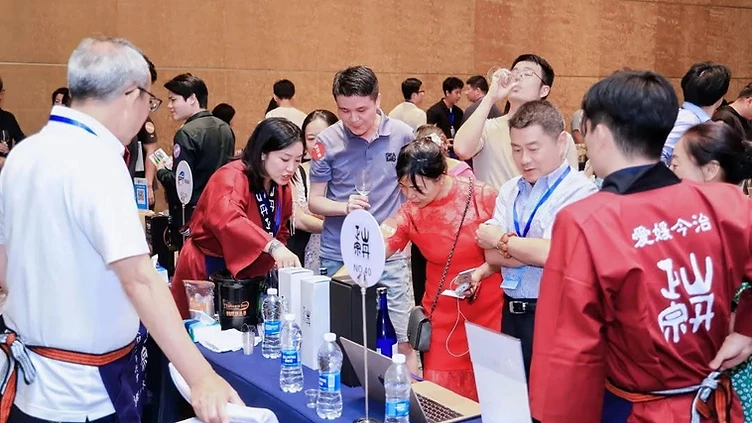
- Attend Specialized Trade Exhibitions: Professional expos remain the primary platform where Chinese wine buyers, national importers, and regional wholesalers gather to discover international brands. By choosing to Become an Exhibitor at major national fairs such as Interwine in Guangzhou, wineries place their bottles directly in front of vetted distributors operating throughout South China and the Greater Bay Area.
- Facilitate Targeted Networking: Take advantage of curated matchmaking to meet pre-qualified buyers whose commercial portfolio gaps align directly with Slovenian white, orange, and red varietals through dedicated Business Matching services.
- Curate Dynamic Masterclasses: Host guided tastings alongside established regional wine educators or sommeliers during major trade fairs. Presenting the historical context of Slovenian winemaking—such as the terraced slopes of Goriška Brda or the centuries-old cellars of Ptuj—provides commercial buyers with the educational tools they need to sell your wines downstream.
Protect Intellectual Property and Formalize Agreements
Before entering commercial negotiations or sending commercial volumes, wineries must protect their intellectual assets. China operates under a strict "first-to-file" trademark system. Unregistered brand names, logos, and their Chinese transliterations risk being registered preemptively by third parties, creating significant legal hurdles.
- Register Trademarks Early: Secure trademark protections for your original Latin brand name as well as a culturally tailored, phonetically harmonious Chinese name.
- Define Clear Distribution Scopes: In initial contracts, avoid granting exclusive national distribution rights to single regional distributors unless explicit, realistic annual minimum sales milestones are contractually guaranteed. Granting territorial exclusivity (e.g., East China, South China) maintains your commercial agility.
- Provide Local Marketing Assets: Chinese distributors expect brand owners to provide high-resolution digital assets, localized tasting notes, awards documentation, and social media content that can be distributed through digital channels such as WeChat.
Explore our latest industry reports and buyer sentiment analysis in the News and Magazine section to stay updated on shifting commercial patterns across China's wine markets.
Conclusion: Secure Your Foothold in China
Expanding Slovenian wine exports to mainland China requires patience, structural market understanding, and deliberate commercial execution. Rather than seeking rapid volume sales, Slovenian wineries should position their portfolio where it naturally excels: premium, artisan, and terroir-driven categories that resonate with a mature tier of Chinese wine consumers. By mastering landed pricing, protecting your intellectual property, and engaging directly with vetted commercial partners through leading industry platforms, Slovenian producers can establish enduring, profitable distribution channels across China.
Sources
- BestWineImporters, "A Wine Exporter’s Guide to Finding Buyers in China and Working with Chinese Wine Importers," (2024), https://www.bestwineimporters.com/blog/resources/a-wine-exporters-guide-to-finding-buyers-in-china-and-working-with-chinese-wine-importers/
- Vino Joy News, "China’s Top 10 Wine Importers in H1 2024," (2024), https://vino-joy.com/2024/08/05/chinas-top-10-wine-importers-in-h1-2024/2
- General Administration of Customs of the People's Republic of China (GACC), "Decrees 248 and 249: Provisions on the Administration of Overseas Manufacturers of Imported Food," (2021/2022), http://english.customs.gov.cn
Key Takeaways
- —Focus on Slovenia's distinctive strengths: skin-contact (orange) wines, fresh aromatic whites (Sauvignon Blanc, Šipon), and boutique natural wines that appeal to premium urban buyers.
- —Prioritize key economic regions such as Guangdong Province and Shanghai, which lead China in imported wine value and host sophisticated on-premise dining scenes.
- —Factor in the ~50% composite import tax burden (Tariff, VAT, Consumption Tax) when setting FOB and CIF export pricing to preserve importer and distributor margins.
- —Ensure strict regulatory compliance by securing GACC facility registrations and designing Simplified Chinese back labels prior to shipping.
- —Protect brand assets early by registering both Latin and Chinese-transliterated trademarks under China's first-to-file legal system.
- —Leverage professional B2B wine trade exhibitions and targeted business matching sessions to establish face-to-face trust with qualified importers.
Frequently Asked Questions
What styles of Slovenian wine have the highest market potential in China?
Skin-contact (orange) wines, organic/natural wines, and aromatic white varieties (such as Rebula, Šipon/Furmint, and Sauvignon Blanc) have the highest potential in first-tier cities like Shanghai, Shenzhen, and Guangzhou, where boutique restaurants and wine bars seek unique, story-driven Old World selections.
What taxes and tariffs apply to Slovenian wine imported into mainland China?
Bottled still wine from the European Union is subject to a Most-Favored-Nation (MFN) customs tariff of 14%, a 10% consumption tax, and a 13% Value Added Tax (VAT). Cumulatively, these compound to an effective tax rate of approximately 48% to 50% on top of the CIF value.
Do Slovenian wineries need to register with GACC before exporting?
Yes. Under GACC Decrees 248 and 249, overseas alcohol manufacturers must complete enterprise registration and secure a GACC facility registration number prior to customs clearance in mainland China.
Why should Slovenian wineries avoid granting single nationwide exclusivity to importers?
China is geographically and commercially fragmented. A single distributor rarely covers both the northern and southern retail channels effectively. Appointing regional distributors (e.g., East China, South China) tied to concrete sales performance targets reduces commercial risk.
How important is a Chinese trademark for a Slovenian winery?
Registering both the original Latin name and a chosen Simplified Chinese transliteration under China's first-to-file trademark system is critical to prevent trademark squatting and ensure clear intellectual property ownership before launching sales.