
Distribution Strategy in China for Israeli Wine Producers
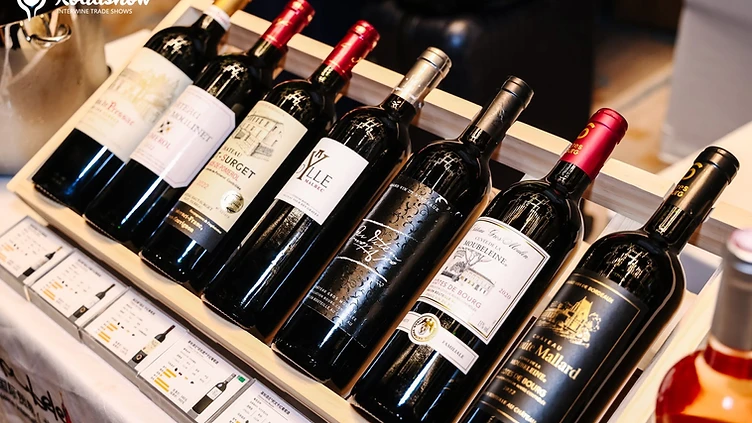
A commercial roadmap for Israeli wine producers entering mainland China, detailing route-to-market architecture, regulatory compliance, regional tiering, and B2B trade partnerships.
Building an effective distribution strategy in china for israeli wine producers requires pivoting away from broad volume-led plays toward high-value, highly targeted B2B trade corridors. According to data reported by the Observatory of Economic Complexity (OEC), Israel exported $57.3 million in wine globally in 2023, with traditional Western corridors—principally the United States ($36.4 million) and France ($5.66 million)—commanding the bulk of trade. However, as international brand awareness deepens and wineries pursue margin diversification, mainland China represents an under-penetrated commercial frontier for premium Mediterranean viticulture.
Simultaneously, the Chinese wine landscape has transitioned into a quality-first, value-conscious marketplace. As documented by China Briefing in 2024, following six years of inventory corrections and post-pandemic structural shifts, China remains the world’s ninth-largest wine-consuming nation, with the at-home retail sector forecasted by Statista to reach $9.7 billion. For boutique and premium Israeli producers—particularly those cultivating Mediterranean and Bordeaux varietals across the Galilee, Judean Hills, and Golan Heights—navigating this market requires clear operational alignment across import compliance, distributor selection, regional hub selection, and offline trade engagement.
Understanding the Market Environment for Israeli Wine in China
Israeli wine occupies a distinct niche in mainland China: an ultra-premium, low-volume, boutique category. Historically, foreign brand strategies in China relied on large promotional budgets dominated by French, Australian, and Chilean incumbents. However, as Euromonitor reported in their Chinese wine market study, the category remains fragmented, with consumers exhibiting a discernible shift toward boutique-style production, specialized terroirs, and unique brand narratives.
For Israeli wineries, entering China presents clear commercial realities:
- Niche Brand Footprint: Israel does not operate under a bilateral Free Trade Agreement (FTA) for wine, meaning shipments face standard Most Favored Nation (MFN) tariffs, consumption tax, and value-added tax (VAT). Israeli bottles cannot compete on volume pricing against tariff-exempt bulk imports from countries like Chile or New Zealand.
- De-emphasizing Kosher as a Primary Sales Pitch: While Kosher certification guarantees strict technical cleanliness and processing oversight, it holds minimal consumer value outside specialized expatriate enclaves in Shanghai or Beijing. Producers must reposition their commercial story around high-altitude terroir, cutting-edge agritech, and ancient Mediterranean winemaking heritage.
- Demand for Red Blends and Bold Whites: Chinese buyers continue to favor structured red varietals—Cabernet Sauvignon, Syrah, Petite Sirah, and Carignan—alongside crisp Mediterranean whites like Chenin Blanc and Viognier in coastal metropolitan restaurants. Evaluating real-time buyer preferences through curated Market Insights helps vintners refine product portfolios before committing stock.
Regulatory Compliance and Clearance Protocols
Navigating General Administration of Customs of the People's Republic of China (GACC) regulations is the first hurdle for Israeli wine exporters. Administrative compliance errors remain a primary cause of cargo quarantine or customs delays.
[GACC Winery Registration (Decree 248)]
                 │
                 ▼
[Chinese Back-Label Compliance (GB 7718 / GB 2758)]
                 │
                 ▼
[Import Declaration, CIQ Testing & Phyto Certification]
                 │
                 ▼
[Customs Clearance & CIQ Hygiene Certificate Release]
1. GACC Enterprise Registration (Decree 248)
Since January 1, 2022, all foreign food and beverage manufacturing, processing, and storage facilities exporting to China must register with the GACC under Decrees 248 and 249. Israeli wineries must secure their registration code through the China Import Food Enterprise Registration system prior to bill of lading generation. This registration code must appear on external shipping cartons and inner labels.
2. Mandatory Label Standardization (GB 7718 & GB 2758)
Labels must be compliant before arriving at Chinese ports of entry. Chinese back labels require specific Mandarin phrasing, including:
- Legal product name (e.g., 干红葡萄酒 - Dry Red Wine)
- Mandatory ingredient lists (including "sulfites" or 二氧化硫)
- Accurate alcohol percentage by volume (ABV)
- Net content in metric volume
- Origin country (原产国: 以色列 / Israel)
- Importer/distributor business name, address, and Mainland telephone number
- Health warnings regarding underage drinking and pregnancy
3. Customs Duty and Tax Calculation
Without an FTA, imported bottled wine from Israel incurs standard MFN duties (typically 14%), followed by domestic consumption tax (10%) and VAT (13%). Combined, these cumulative taxes add approximately 43% to 48% to the CIF (Cost, Insurance, and Freight) value. Israeli exporters must ensure their distributor has calculated these margins so retail pricing mirrors the target premium tier.
Selecting the Optimal Distribution Model
Selecting an import and distribution architecture depends on the winery’s scale, annual export volume, and financial runway. The traditional tier-one national distributor model has given way to modular, agile channels.
| Distribution Model | Commercial Margin Profile | Channel Reach | Risk & Working Capital Exposure | | :--- | :--- | :--- | :--- | | National Master Importer | Lower (Distributor captures 35–50%) | Broad tier-1 to tier-3 coverage via sub-dealer networks | Low operational overhead; high vulnerability to inventory stagnation | | Regional Boutique Importers | Balanced (Distributor captures 25–35%) | Concentrated in specific clusters (e.g., Greater Bay Area, Yangtze Delta) | Moderate risk; requires managing multiple accounts | | Direct-to-HoReCa Partners | Higher (Winery retains up to 60% gross margin) | High-end on-premise, luxury hotels, private wine clubs | Higher logistical coordination; slower inventory depletion | | Cross-Border E-Commerce (CBEC) | Highest direct retail margins | Nationwide digital reach bypassing conventional GACC testing | Significant marketing spend; demands localized platform management |
As recorded by China Briefing, the International Wine and Spirits Research (IWSR) projects China's alcohol e-commerce market to expand at a 6% compound annual growth rate through 2027, commanding 40% of the global online alcohol market. However, for premium Israeli boutique labels, an omnichannel hybrid strategy works best: partnering with regional fine wine importers who place inventory across high-end restaurants, independent wine bars, and select private digital channels (such as WeChat Mini-Programs) rather than discounting stock on open mass-market platforms.
Geographic Tiering: Where to Seed Israeli Wine
Mainland China is not a single market. Allocating initial inventories demands geographic discipline:
The Greater Bay Area (Guangdong, Shenzhen, Hong Kong Corridor)
Southern China remains the engine room of imported wine consumption. Guangzhou and Shenzhen boast sophisticated logistics, high per-capita disposable income, and trade openness. Furthermore, southern Chinese culinary customs—which favor premium Cantonese dining—pair naturally with structured Mediterranean red and white blends. Southern buyers are commercially pragmatic, value-oriented, and frequently search for unique boutique producers.
The Yangtze River Delta (Shanghai, Hangzhou, Ningbo)
Shanghai is the intellectual and commercial capital of China’s wine scene. It hosts the country's highest density of certified sommeliers, dedicated bistros, and independent bottle shops. Introducing Galilee Syrah or Judean Hills blends into Shanghai’s upscale on-premise venues builds brand prestige that trickles down into eastern tier-2 municipal hubs.
Emerging Tier-2 Hubs (Chengdu, Wuhan, Changsha)
Interior hubs show resilient growth in lifestyle-driven hospitality. However, breaking into these regions requires working alongside seasoned regional wholesalers who understand local corporate gifting and banquet cultures.
Physical B2B Engagement: The Bridge to Long-Term Contracts
Securing sustainable distribution in China requires face-to-face commercial vetting. Chinese fine wine buyers, distributors, and HoReCa procurement directors rarely sign contracts on digital outreach alone; tasting the vintage and establishing personal trade relationships remain essential.
[Pre-Fair Buyer Screening] ──> [On-Site Masterclasses & Tastings] ──> [Targeted Business Matching] ──> [Contractual Deal Closure]
Participating directly in specialized trade fairs offers foreign wineries an efficient pathway to meet vetted regional importers. For vintners exploring long-term China commitments, deciding to Become an Exhibitor at major industry exhibitions—such as Interwine in Guangzhou—provides immediate, multi-city exposure to qualified tier-1 and tier-2 wholesalers. Establishing presence through curated pavilions allows Israeli producers to present cohesive regional masterclasses, conduct private trade samplings, and access tailored Business Matching services that pair specific labels with regional commercial buyers.
Commercial Execution Checklist for Israeli Wineries
- Formalize Intellectual Property First: Secure Chinese trademark rights for your brand name, Hebrew transliterations, and Roman alphabet scripts prior to sharing technical sheets with prospective importers.
- Translate the Value Proposition: Craft marketing assets that highlight agricultural innovation, ancient winemaking history, arid-climate viticulture, and high-altitude terroirs rather than relying solely on Kosher credentials.
- Audit Importer Licensing: Confirm that your intended partner holds active licenses for food and beverage import, has access to bonded warehouse storage, and maintains an active sub-distribution network across your target territory.
- Commit to Market Education: Provide importers with translated collateral, sommelier tasting sheets, and digital assets optimized for WeChat and Xiaohongshu (RED).
Sources
- Observatory of Economic Complexity (OEC) - Wine in Israel Trade Profile (2023 Data)
- China Briefing - China’s Wine Market Outlook: Trends and Opportunities (2024)
- Euromonitor International - Wine in China Market Report
- Ms Advisory - Wine Market in China: Trends, Growth, and Consumer Dynamics (2024)
Key Takeaways
- —Reposition Israeli wines in China around boutique terroir, high-altitude viticulture, and Mediterranean blends rather than Kosher designations.
- —China's at-home wine retail sector reached an estimated $9.7 billion in 2024 (Statista), underscoring sustained premium consumer demand.
- —Without a Free Trade Agreement, Israeli imports face standard MFN tariffs and cumulative import taxes of 43-48%, mandating a premium margin structure.
- —GACC Decree 248 facility registration and strict Chinese back-labeling (GB 7718/GB 2758) are mandatory prior to export clearance.
- —Southern China's Greater Bay Area and the Yangtze River Delta serve as the most commercially receptive regional hubs for Mediterranean boutique wines.
- —Securing distribution deals in China relies heavily on in-person trade events, guided masterclasses, and pre-screened business matchmaking sessions.
Frequently Asked Questions
How should Israeli wineries position their products in mainland China?
Israeli producers should position their wines as ultra-premium, boutique Mediterranean expressions with a focus on ancient heritage, advanced viticultural technology, and unique microclimates (such as the Golan Heights, Judean Hills, and Upper Galilee). Relying on Kosher certifications is generally ineffective for Chinese mainstream consumers and should be reserved only for specialized niche segments.
What import taxes apply to Israeli wines entering China?
Because Israel does not currently have a Free Trade Agreement (FTA) with China, wine imports incur standard Most Favored Nation (MFN) tariffs (typically 14%), a 10% consumption tax, and a 13% Value Added Tax (VAT). Cumulatively, these compound to approximately 43% to 48% on top of the CIF value, requiring clear premium margin planning.
What certifications are required by Chinese customs under GACC Decree 248?
Under GACC Decrees 248 and 249, every foreign winery exporting to China must register their production and storage facilities in the official CIFER platform to obtain a GACC registration code. This code must appear on outer packaging and labels, alongside standard phytosanitary certificates, certificates of origin, and lab test reports confirming compliance with China's GB national food safety standards.
Which regional markets in China offer the highest return for Israeli wineries?
The Greater Bay Area (Guangzhou, Shenzhen) and the Yangtze River Delta (Shanghai, Hangzhou) offer the strongest opportunities. These regions feature high disposable income, well-developed wine appreciation cultures, strong on-premise dining scenes, and sophisticated regional importers actively seeking differentiated boutique labels.
How can Israeli wine producers connect with qualified Chinese distributors?
The most effective method is participating in verified physical trade exhibitions and targeted B2B matching sessions in key logistics centers like Guangzhou. Face-to-face tastings, sommelier education, and organized business matching events enable wineries to vet an importer's licensing, cold-chain capacity, and regional sub-distribution reach.