Guided trade tastings for Wineries Exhibiting in China
A commercial B2B masterclass on planning, structuring, and executing high-conversion guided trade tastings for wineries exhibiting in China, with focus on importer acquisition and market compliance.
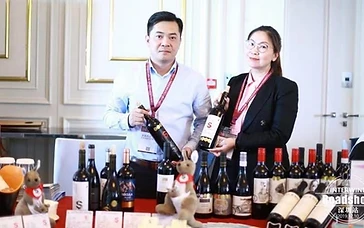
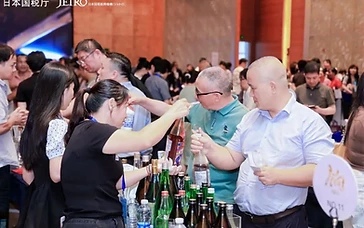
For international wineries entering or expanding across mainland China, generic walk-up booth traffic rarely generates binding distribution contracts. The most commercially decisive marketing tool on the exhibition floor is a structured masterclass or sommelier-led session. Implementing guided trade tastings for wineries exhibiting in China allows overseas producers to move beyond casual sampling, directly educating pre-screened importers, regional wholesalers, and on-premise procurement managers on terroir, margin potential, and food-pairing versatility in an environment designed for commercial negotiation.
Following transformative trade shifts—such as China lifting its 116.2% to 218.4% anti-dumping tariffs on Australian wine in March 2024 according to reporting by Reuters—international competition across China’s tiered distribution landscape has intensified. Importers evaluate foreign wineries through strict metrics: volume scalability, price-to-quality tiering, brand narrative, and regulatory readiness under General Administration of Customs of China (GACC) standards. A haphazard, passive booth setup fails to communicate these commercial advantages. A professionally moderated guided tasting delivers your portfolio with precision, commanding the undivided attention of qualified trade decision-makers.
The Strategic Value of Guided Trade Tastings in China's B2B Wine Market
China’s wine trade operates on established personal relationships (guanxi), certified provenance, and market education. Unlike established Western markets where regional appellation rules are intuitively understood by purchasing agents, the Chinese trade landscape features a broad spectrum of commercial partners. These range from veteran institutional importers in coastal hubs to newly capitalized Tier-2 and Tier-3 sub-distributors who require structured sensory and financial guidance.
Passive walk-up pourings create significant commercial liabilities:
- Audience Dilution: Valuable sample inventory is frequently consumed by non-buying trade visitors rather than commercial decision-makers.
- Loss of Narrative Framing: Nuanced discussions concerning vintage variance, cellar longevity, and production techniques get lost in noisy exhibition halls.
- Commercial Omission: Casual booth encounters rarely allow sufficient time to present distributor price sheets, container-load logistics, or incoterms.
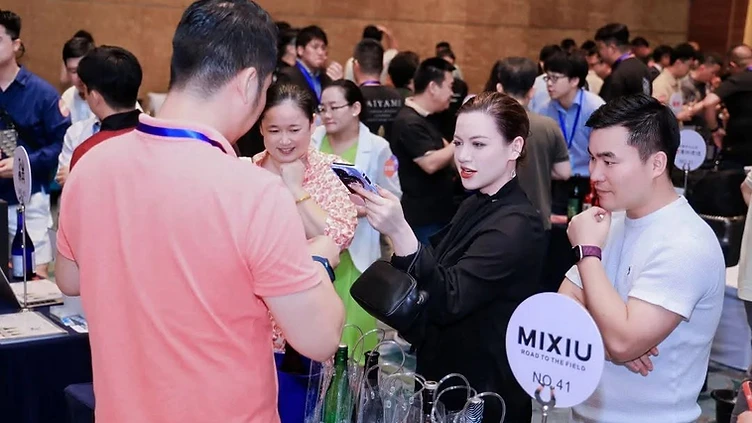
Executing formal guided trade tastings—either directly within an enclosed exhibition suite or as part of organized Interwine Events—fundamentally shifts this dynamic. Importers are seated in an analytical setting featuring tasting flights, translated visual presentations, and dedicated simultaneous interpretation. This academic yet commercially targeted format signals corporate commitment to the China market, establishing professional authority and elevating brand equity.
Structuring High-Conversion Guided Tastings: Step-by-Step Architecture
To translate tasting pours into wholesale purchase agreements, wineries must organize their sessions around commercial conversion rather than purely esoteric wine theory.
Session Architecture:
[10 Mins: Brand Heritage & GACC Readiness]
   ↓
[25 Mins: 5-Bottle Structured Flight & Localized Sensory Palate]
   ↓
[10 Mins: Commercial Modeling (CIF, Landed Costs, Margin Tiers)]
   ↓
[15 Mins: Direct 1-on-1 Distribution Inquiries]
1. Curating the Flight for Commercial Impact
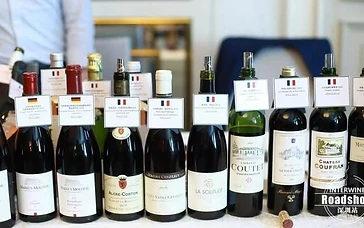
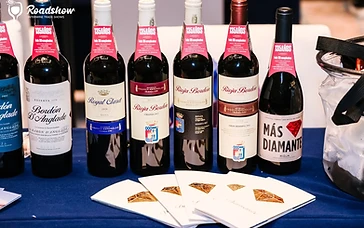
Avoid pouring an unfocused portfolio of eight to ten wines. Experienced mainland trade sommeliers recommend a targeted flight of four to six expressions that clearly illustrate your commercial hierarchy:
- The Volume Driver (Entry-Level/Bistro Tier): Demonstrates accessible landed pricing, approachable fruit character, and reliable supply for high-turnover casual dining, modern retail, or e-commerce channels.
- The Regional Flagship (Mid-Tier Single Vineyard or Reserve): Demonstrates authentic regional typology, awards pedigree, and favorable distributor margins suitable for independent wine shops and regional corporate hospitality.
- The Prestige Benchmark (Top-Tier Old Vine / Library Vintage): Validates brand prestige and status-gifting appeal, critical for banquet culture and ultra-premium private client networks.
2. Localized Sensory Communication
Direct translations of Western tasting notes often fail to resonate with mainland Chinese buyers. References to blackcurrant, gooseberry, or brioche carry far less commercial weight than sensory comparisons grounded in local culture, such as dried hawthorn, jujube, osmanthus, or preserved plum. Ensure your presentation highlights culinary versatility across regional Chinese cuisines (e.g., matching low-tannin reds or aromatic whites with Cantonese delicacies or spicy Sichuan dishes) rather than adhering exclusively to Eurocentric food-and-wine pairings.
3. Clear Financial and Commercial Disclosure
A guided trade tasting must conclude with transparent business terms. Buyers require immediate visibility into:
- Pricing Structure: Ex-Cellar (EXW) prices alongside estimated Cost, Insurance, and Freight (CIF) landed rates to major ports such as Guangzhou, Shanghai, or Shenzhen.
- Minimum Order Quantities (MOQ): Pallet-level minimums versus mixed-pallet options for introductory orders.
- Exclusive Regional Rights: Specific performance metrics required for city-level or provincial exclusivity agreements.
Review the latest regulatory developments and import trends via our curated Market Insights to calibrate your landed-cost figures accurately before presenting to buyers.
Key Logistics, Compliance, and On-Site Operational Controls
Delivering a flawless guided tasting in mainland China requires rigorous operational management. The country's regulatory and logistical environment leaves zero room for last-minute improvisations.
| Phase | Operational Milestone | Key Requirements & Regulatory Checkpoints | | :--- | :--- | :--- | | T-120 to T-90 Days | Compliance & Registration | Confirm overseas manufacturing facility registration under GACC Decree 248. Register import product formulas and secure bonded warehouse logistics. | | T-60 to T-30 Days | Sample Clearance & Material Localization | Ship exhibition samples marked with legitimate commercial invoices and Chinese back labels. Translate tasting booklets, digital presentation slides, and WeChat business cards into Simplified Chinese. | | T-7 to T-1 Days | Sensory Preparation & Glassware | Verify sample arrival at the venue. Audit glassware hygiene, decanting protocols, and temperature control (critical for white, sparkling, and full-bodied reds in southern China's climate). | | Day of Event | Registration & Follow-Up Capture | Scan attendee WeChat credentials, cross-reference trade licenses, distribute print and digital spec sheets, and initiate immediate B2B messaging. |
For international teams coordinating travel logistics, booth delivery, and exhibition registration, consult Interwine's practical guides on Arrival and Transportation as well as Invitation Letter and Visa Support.
Regional Market Dynamics: Why Southern China Sets the Pace
While Tier-1 metropolitan markets such as Beijing and Shanghai house corporate headquarters, Guangdong Province remains the commercial engine of China’s alcoholic beverage trade. According to industry records documented by Interwine on Wikipedia (updated 2025), over 60% of imported wine distributed in mainland China enters or routes through trade networks based in the Guangdong region.
Operating in Guangzhou and the broader Greater Bay Area gives producers direct access to an affluent consumer population exceeding 110 million people across Guangdong, Hong Kong, and Macau. Importers in this trade zone possess well-established logistics routes and deep distribution relationships penetrating inland Tier-2 and Tier-3 commercial centers. Conducting guided tastings at regional trade gatherings in Guangzhou exposes international portfolios to experienced high-volume distributors looking for fresh commercial representation.
To lock in an exhibition stand and secure dedicated masterclass tasting space before seasonal slots reach capacity, international wineries can register through Become an Exhibitor.
Following Up: Transforming Masterclass Leads into Signed Contracts
The primary failure point for overseas brands exhibiting in China occurs after the event concludes. In the West, B2B sales follow-ups rely heavily on corporate email. In mainland China, enterprise email is rarely checked with urgency; trade dialogue occurs overwhelmingly via WeChat.
- Capture WeChat Accounts on Site: Every winery representative, brand ambassador, and table sommelier must have a professional WeChat QR code readily accessible on their badge or desk.
- Immediate Group Creation: Within 4 hours of concluding the guided tasting, add each prospective buyer to an individual or small-group WeChat thread containing your localized sales director, digital product spec sheets in PDF format, and high-resolution bottle photography.
- Schedule Structured B2B Meetings: Capitalize on event momentum by scheduling dedicated follow-up negotiations via specialized Business Matching services or private meetings at your exhibition booth before the trade fair closes.
By uniting structured sensory education, rigorous customs compliance, culturally resonant tasting narratives, and disciplined digital follow-up, international producers transform wine sampling from an operational expense into a quantifiable, revenue-generating commercial engine.
Sources
- Reuters - China Lifts Tariffs on Australian Wine (2024)
- Interwine China - Wikipedia Entry (2025)
- China Briefing - China's Wine Market Outlook: Trends and Opportunities (2025)
- EU SME Centre - China's Wine Market: A Guide for Exporters (2026)
Key Takeaways
- —Guided trade tastings deliver significantly higher conversion rates than passive booth pouring by isolating pre-screened importers and wholesalers.
- —Wineries should structure tasting flights around a commercial hierarchy: high-turnover volume drivers, regional mid-tier flagships, and prestige banquet expressions.
- —Presenting landed CIF pricing, minimum order quantities (MOQs), and regional exclusivity terms during the session speeds up buyer decisions.
- —Guangdong Province and the Greater Bay Area account for over 60% of imported wine distribution across mainland China.
- —Post-tasting sales conversions depend on rapid WeChat communication and dedicated business matching rather than traditional email follow-ups.
Frequently Asked Questions
Why are guided trade tastings more effective than standard booth sampling in China?
Guided tastings isolate verified importers and trade buyers from casual attendees. This seated environment allows winemakers to present detailed brand stories, local culinary pairings, and commercial terms without noise and interruptions.
How many wines should be included in a commercial trade tasting flight?
A focused flight of four to six wines is ideal. This should include an entry-level volume driver, a mid-tier regional flagship, and a prestige cuvée, giving buyers a balanced look at your commercial portfolio.
What commercial pricing information do Chinese importers expect during a tasting?
Importers need transparent pricing, including Ex-Cellar (EXW) and estimated landed Cost, Insurance, and Freight (CIF) rates to major Chinese ports, minimum order quantities (MOQs), and terms for city or provincial exclusivity.
How should international wineries handle post-tasting follow-up in China?
Follow-up should take place on WeChat rather than email. Connect with attendees via QR codes during the tasting and send digital product sheets, pricing catalogs, and meeting invites within 4 to 24 hours.