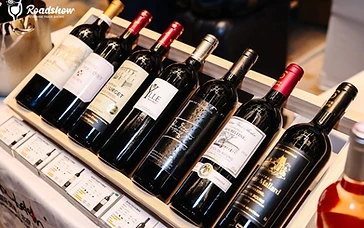
Which Wines Should You Bring to an Asian Trade Fair? Build a Buyer-Focused Portfolio
Learn which wines to bring to an Asian trade fair by structuring a commercially balanced, buyer-focused portfolio tailored to regional tariffs, margins, and market channels.
Building an Asian Trade Fair Portfolio: Strategic Architecture
When exhibiting across Asia, wineries often bring their home-market flagship bottles without considering local tariffs, distribution margins, and consumer palate trends. The result is typically commercial friction: wines that are either overpriced for the volume tier or misaligned with on-trade and gifting dynamics.
To convert booth conversations into recurring container orders, export managers must construct a balanced, multi-tier portfolio. Rather than showing your entire cellar, bring between six and eight distinct Stock Keeping Units (SKUs) mapped across three commercial roles: volume anchors, premium margin drivers, and brand-defining discovery labels. Aligning this architecture with local import tax structures and consumer behavior turns your booth from a passive tasting counter into a transactional B2B hub.
Producers preparing to engage regional buyers can coordinate their exhibition strategy through Interwine Events and register directly to Become an Exhibitor.
The Three-Tier Fair Portfolio Model
Asian importers and regional distributors assess your portfolio through strict unit economics, landed cost calculations, and channel adaptability. Structuring your selection into three strategic tiers ensures immediate relevance during initial meetings:
+-------------------------------------------------------------+
|                   1. The Volume Anchor                      |
|            (Entry-Level / Fast-Moving On-Trade)             |
|         Target Landed FOB: ~$3.00 - $5.50 per bottle        |
+-------------------------------------------------------------+
                               |
                               v
+-------------------------------------------------------------+
|                  2. The Commercial Core                     |
|           (Mid-Tier / Independent Retail & HORECA)          |
|         Target Landed FOB: ~$7.00 - $14.00 per bottle       |
+-------------------------------------------------------------+
                               |
                               v
+-------------------------------------------------------------+
|                 3. The Prestige & Discovery                 |
|           (Flagship / Corporate Gifting & Collectors)       |
|            Target Landed FOB: >$20.00+ per bottle           |
+-------------------------------------------------------------+
1. The Volume Anchor (2 SKUs)
- Purpose: Drives cash flow, fills container space, and secures listings in high-turnover dining or modern retail channels.
- Profile: Fruit-forward, clean, low-to-medium oak, accessible acidity, and screwcap or high-grade synthetic closure options for fast on-premise service.
- Pricing Target: Free on Board (FOB) pricing that can absorb double-digit import duties and value-added tax (VAT) without exceeding local retail thresholds.
2. The Commercial Core (3–4 SKUs)
- Purpose: Represents the regional appellation identity, earning healthy margins for distributors and independent wine merchants.
- Profile: Classic regional expressions (e.g., Bordeaux Supérieur, Chianti Classico DOCG, Barossa Valley Shiraz, Marlborough Sauvignon Blanc, or Rioja Reserva).
- Pricing Target: FOB range allowing a distributor gross margin of 35% to 50% while sustaining a competitive on-premise bottle price.
3. The Prestige / Brand Halo (1–2 SKUs)
- Purpose: Validates quality pedigree, attracts media, and serves the high-margin corporate gifting and luxury private-client sectors.
- Profile: Single-vineyard, old-vine, or numbered reserve releases packaged in heavy glass with premium embossing.
- Pricing Target: Premium pricing backed by international critical scores (92+ points) or competition accolades.
Market-by-Market Palate and Channel Match
Asia is not a monolithic market. Taste preferences, excise tax schedules, and culinary habits differ fundamentally between Mainland China and Southeast Asian nations. For deeper analysis into these destination markets, review our Market Insights and specialized Event Guides.
| Region / Country | Priority Categories & Styles | Key Regulatory & Commercial Realities | Best Channel Focus | | :--- | :--- | :--- | :--- | :--- | | Mainland China (Guangzhou, Tier 1 & 2 cities) | Full-bodied, structured reds (Cabernet, Syrah/Shiraz, Merlot); expressive white wines gaining traction in coastal dining. | China Customs mandates precise Chinese back labels and Consolidated Certificates of Origin (Alcohol and Tobacco Tax and Trade Bureau, 2026). Importers calculate cumulative customs tariffs, excise, and 13% VAT. | Corporate gifting, banquets, private enterprise, specialized e-commerce. | | Vietnam (Hanoi, Ho Chi Minh City) | Bold reds, accessible red blends, lightly sweet whites, and aromatic varieties suitable for warm climates. | Subject to Special Consumption Tax (SCT) and import tariffs, requiring licensed local import partners (Source of Asia, 2026). Vietnam imported over $73.5M of wine according to the Observatory of Economic Complexity (OEC, 2024). | Traditional HORECA, business banqueting, specialized wine lounges. | | Singapore & Malaysia | Crisp white wines (Sauvignon Blanc, Riesling), balanced Pinot Noir, sparkling wines (Prosecco, Champagne). | Singapore levies specific excise taxes based on alcohol content by volume (ABV), favoring higher-value, lower-ABV categories. Malaysia enforces strict excise duty schedules on alcohol. | High-end hospitality, international hotel groups, specialty retail. | | Indonesia (Bali, Jakarta) | Fresh, high-acid whites, rosé, approachable fruit-forward reds. | Stringent import quotas and excise taxes dictate high landed costs; demand is concentrated in international tourism centers like Bali. | International resorts, beach clubs, Western-style dining venues. |
Packaging, Logistics, and Presentation Checklist
When evaluating a brand, Asian buyers inspect the bottle before they take a sip. Packaging errors can derail distributor negotiations before sample tasting begins.
- Closure Strategy: Use premium natural cork for wines priced above entry level in Mainland China and Vietnam, where the uncorking ritual remains central to banqueting. For entry-level white and rosé SKUs, screwcaps are accepted in modern bars and retail channels across Singapore and Hong Kong.
- Label Articulation: Avoid hyper-minimalist labels that lack clarity. Importers need clear designations of origin, varietal names, vintage years, and identifiable branding that transliterates well into local vernaculars.
- Glass Weight and Capsule Quality: In the premium tier, heavy-gauge bottles and embossed capsules signal substance in corporate gifting networks. Avoid lightweight glass for halo products destined for China's gift market.
- Exhibition Sample Logistics: When packing fair samples, ship through bonded exhibition forwarders to avoid customs detention. Provide full commercial invoices and certificates of analysis matching shipment documentation.
Hypothetical Portfolio P&L and Fair ROI Model
To measure trade fair viability, evaluate unit contribution margins against total exhibition costs. Below is a clearly labelled hypothetical financial example for an estate participating in an Asian trade fair campaign.
Hypothetical Assumptions:
- Total Fair Investment: $12,500 (booth registration, sample logistics, travel, and promotional materials).
- Initial Commercial Target: Secure two new importer agreements ordering a combined trial volume of one 20-foot container (14,400 bottles / 1,200 12-bottle cases).
- Portfolio Mix:
- Volume Anchor: 60% of volume (8,640 bottles)
- Commercial Core: 35% of volume (5,040 bottles)
- Prestige SKU: 5% of volume (720 bottles)
Hypothetical Unit Economics Table:
| Portfolio Tier | Volume Share | Bottles | FOB Price / Unit | Production Cost / Unit | Gross Margin / Unit | Total Gross Contribution | | :--- | :--- | :--- | :--- | :--- | :--- | :--- | | Volume Anchor | 60% | 8,640 | $4.20 | $2.60 | $1.60 | $13,824 | | Commercial Core | 35% | 5,040 | $9.50 | $5.20 | $4.30 | $21,672 | | Prestige SKU | 5% | 720 | $26.00 | $12.00 | $14.00 | $10,080 | | Total Trial Order | 100% | 14,400 | -- | -- | -- | $45,576 |
Hypothetical Net Campaign Return:
- Gross Contribution Margin: $45,576
- Less Total Fair Costs: $12,500
- Net Contribution on First Order: $33,076
- Hypothetical ROI: ($33,076 / $12,500) × 100 = 264.6%
Note: This calculation is a hypothetical model demonstrating contribution margin mechanics. Actual commercial returns depend on individual production overheads, freight rates, local customs clearance, and subsequent distributor re-order velocity.
Strategic Schedule: Verified INTERWINE Routes
Brand owners can execute targeted buyer presentations along scheduled trade routes throughout Greater China and Southeast Asia:
- Guangzhou 2026: 16–18 November 2026
- Hanoi 2026 Roadshow: 20 November 2026
- Spring Guangzhou 2027: 7–9 May 2027 at the China Import and Export Fair Complex / Pazhou, Guangzhou
- Asia Roadshow 2027:
- Hanoi: 11 May 2027
- Kuala Lumpur: 13 May 2027
- Singapore: 15 May 2027
- Bali: 17 May 2027
- Vietnam 2027: 6–8 July 2027 at SECC, Ho Chi Minh City
- Autumn Guangzhou 2027: 31 October–2 November 2027 at the China Import and Export Fair Complex / Pazhou, Guangzhou
To plan individual meetings with pre-vetted regional buyers during these dates, leverage the Business Matching concierge service or view our global brand rosters in the Exhibitor Directory.
Conclusion: Convert Tasting Traffic into Long-Term Contracts
A buyer-focused portfolio eliminates guesswork for regional importers. By presenting a focused line of six to eight SKUs with balanced landed margins, compliant labeling, and styles suited to target channels, producers can transform initial fair conversations into long-term commercial relationships.
Ready to present your export portfolio to leading Asian distributors and retail buyers? Contact our international team today to Become an Exhibitor at an upcoming Interwine fair or roadshow.
Sources
- U.S. Alcohol and Tobacco Tax and Trade Bureau (TTB) – Wine Export to China (2026)
- Source of Asia – Southeast Asia Wine Market 2026 Analysis (2026)
- Observatory of Economic Complexity (OEC) – Bilateral Wine Trade Profile: Vietnam (2024)
- Wine Australia – China Export Market Guide
Key Takeaways
- —Focus your fair selection on a structured 3-tier portfolio: 2 volume anchors, 3-4 commercial core wines, and 1-2 prestige halo SKUs.
- —Tailor your product selection to distinct national markets, balancing structured reds for China and Vietnam with fresh, aromatic profiles for tropical Southeast Asian hubs.
- —Ensure landed unit economics give local distributors sustainable margins (35%-50%) after factoring in regional excise duties, customs tariffs, and local VAT.
- —Comply with market packaging norms: natural cork and heavy bottles remain essential for corporate gifting in China, while screwcaps are widely accepted for modern retail in Singapore.
- —Calculate export fair ROI using net contribution margin against total campaign costs to ensure trial container orders are commercially profitable.
Frequently Asked Questions
How many different wine labels should an exhibitor bring to an Asian trade fair?
Most successful exhibitors showcase between 6 and 8 SKUs. Presenting too many labels overwhelms buyers during rapid trade tastings, while bringing fewer than 5 limits your ability to cater to multiple sales channels such as on-premise dining, mass retail, and corporate gifting.
Are screwcaps acceptable for wine in the Asian market?
It depends on the target tier and destination. Screwcaps are widely accepted in modern retail, hospitality, and white/rosé categories in markets like Singapore, Hong Kong, and urban Vietnam. However, for mid-to-high tier red wines destined for business banqueting and corporate gifting in Mainland China, natural cork remains strongly preferred.
How should export managers calculate pricing for Asian wine importers?
Producers should quote Free on Board (FOB) prices and be prepared to assist with landed cost calculations. Regional importers factor in sea freight, domestic customs duties, excise or special consumption taxes, and local VAT. A commercial portfolio must leave distributors with a 35% to 50% gross margin to incentivize active representation.
What documentation is required to clear trade fair wine samples in China?
Wine samples shipped to Mainland China require commercial invoices, packing lists, and certified documentation such as a Consolidated Certificate of Origin/Sanitation. Shipments should be managed through an official bonded exhibition freight forwarder to ensure regulatory customs compliance.