How Importers Can Find Wineries Seeking Representation in Their Market


Discover how wine importers can systematically find and vet international wineries seeking representation through trade shows, bilateral export agencies, and structured business matching.
To find wineries actively seeking representation in your domestic market, implement an inverted sourcing strategy: target trade fair discovery zones, bilateral agricultural promotion agencies, and curated matchmaking services rather than sifting through unsolicited cold pitches. Importers who vet producers by examining export willingness, target FOB pricing, and financial stability filter out unviable brands before investing in logistics, compliance, and customs registration.
Building a profitable wine portfolio requires a systematic approach to identifying emerging estates, verifying commercial viability, and negotiating realistic agreements that protect cash flow and margin.
Why Sourcing Representation-Ready Wineries Requires a System
Global wine supply chains face significant operational shifts. According to industry analyses published by SevenFifty Daily (2026), modern wine importers operate under tighter working capital constraints, fluctuating ocean freight dynamics, and stricter compliance mandates. Taking on an unrepresented wine estate involves direct investments: label registration, customs clearance, warehouse allocations, and on-premise staff training.
Wineries seeking representation generally fall into two categories:
- Established regional brands seeking to replace an underperforming or discontinued import partner.
- Boutique or family-owned estates entering international distribution for the first time.
Unsolicited inquiries received via corporate email addresses rarely produce viable partnerships. Many producers lack an understanding of multi-tiered domestic taxes, local excise, currency risk, or retail margin structures. Establishing an inbound and proactive discovery framework ensures your team only assesses producers equipped for commercial compliance.
The Top Sourcing Channels for Active Exporters
1. In-Person Trade Expos and Specialized Pavilions
International wine exhibitions remain the most capital-efficient setting to assess product quality and producer seriousness in a single venue. As noted by SevenFifty Daily (2023), the primary reason export-oriented wineries participate in international expos is to secure dedicated distribution partners.
To optimize sourcing time:
- Focus on National and Regional Pavilions: Consortia and regional wine boards (such as ICEX, Business France, or regional Italian DOCGs) curate producers looking for regional market representation.
- Examine Exhibitor Catalogs Pre-Show: Major expos feature digital directories where producers specify whether they currently hold representation in your market. Review the Exhibitor Directory in advance to screen estates by region, certification, and export status.
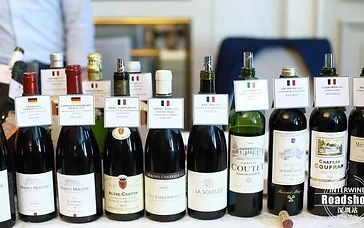
- Attend Roadshows and Focused Trade Gatherings: Target dedicated industry events, such as the upcoming Guangzhou session (16–18 November 2026), the Hanoi roadshow (20 November 2026), the Spring Guangzhou exhibition (7–9 May 2027 at China Import and Export Fair Complex / Pazhou), the Asia Roadshow 2027 (Hanoi 11 May, Kuala Lumpur 13 May, Singapore 15 May, Bali 17 May), Vietnam 2027 (6–8 July 2027 at SECC, Ho Chi Minh City), or Autumn Guangzhou (31 October–2 November 2027 at Pazhou).
2. Bilateral Trade Promotion Agencies and Consulates
Government-backed export development offices work specifically to place domestic producers in overseas markets. Key organizations include:
- Business France (France)
- Italian Trade Agency / ITA (Italy)
- ICEX Spain Trade and Investment (Spain)
- Wines of Portugal / ViniPortugal
- Wines of South Africa (WOSA)
- Austrade (Australia)
Commercial attachés maintain active registries of wineries with allocated export budgets seeking qualified importers. Contacting beverage trade desks directly places your firm on priority buyer invite lists for closed-door tastings and reverse trade missions.
3. Curated Business Matching and Industry Databases
Searching general search engines often yields outdated contact lists and inactive trading entities. As highlighted by BestWineImporters (2026), effective commercial matchmaking relies on verified data that tracks real export activity, certified pricing, and commercial capabilities.
Using structured Business Matching services allows importers to specify precise portfolio criteria—such as price brackets, varietals, organic certifications, and required production volume—to pre-screen estates actively seeking distributors before introductory calls take place.
Sourcing Channels Comparison:
┌──────────────────────┬────────────────────────┬─────────────────────────┐
│ Channel              │ Key Advantage          │ Operational Risk        │
├──────────────────────┼────────────────────────┼─────────────────────────┤
│ Trade Fair Pavilions │ Sensory evaluation +   │ Requires dedicated      │
│                      │ face-to-face vetting   │ travel and planning     │
├──────────────────────┼────────────────────────┼─────────────────────────┤
│ Bilateral Agencies   │ Subsidized samples &   │ Bureaucratic intake,    │
│                      │ pre-vetted legal status│ mixed portfolio quality │
├──────────────────────┼────────────────────────┼─────────────────────────┤
│ Business Matching    │ Pre-screened criteria  │ Limited sensory context │
│ Platforms            │ & verified capacity    │ prior to sample ship    │
└──────────────────────┴────────────────────────┴─────────────────────────┘
Sourcing Assessment: Evaluating Brand Viability
Before ordering samples or discussing territory terms, evaluate incoming candidates through four core commercial lenses:
Technical and Regulatory Compliance
Review local food and beverage labeling mandates. Does the winery have export bottling capabilities that comply with regional labeling laws (e.g., specific font sizes for warnings, ingredient listings, barcode standards)? Adjusting labels post-arrival at customs bonded facilities incurs handling fees that can erode gross margins.
Minimum Order Quantities (MOQ) and Pallet Flexibility
Can the producer supply consolidated mixed pallets, or do their terms require full single-SKU pallet orders? Importers managing cash flow benefit from producers willing to work with consolidation warehouses in logistics hubs like Le Havre, Rotterdam, or Barcelona.
Commercial Margin Architecture
Evaluate whether the winery's Free On Board (FOB) pricing leaves sufficient margin after ocean freight, insurance, tariffs, port handling, internal warehousing, and distribution sales splits.
Note: This calculation represents general financial guidance; specific customs duties, freight rates, and tax classifications vary by jurisdiction and require consultation with a certified customs broker or accountant.
Hypothetical ROI Model: Evaluating a New Producer Addition
To assess the financial viability of taking on a new boutique producer, importers must evaluate total landed costs against net contribution margin rather than simple markup.
Hypothetical Scenario: An importer evaluates an unrepresented estate offering an initial run of 300 cases (1,800 bottles) of DOC-level red wine.
- Incoterms / FOB Base Cost: €5.00 per bottle (€9,000 total)
- Freight, Insurance & Port Handling: €1.20 per bottle (€2,160 total)
- Landed Cost Before Customs/Excise: €6.20 per bottle
- Estimated Tariffs, Customs Fees & Domestic Excise: €1.80 per bottle (€3,240 total)
- Total Landed Cost: €8.00 per bottle (€14,400 total inventory outlay)
- Target Wholesale Price to Trade: €14.50 per bottle (€26,100 gross revenue)
- Allocated Sales & Direct Marketing Costs (samples, shelf-talkers, POS): €1,500
- Contribution Margin: Gross Revenue (€26,100) - Total Landed Cost (€14,400) - Allocated Sales/Marketing (€1,500) = €10,200
- Contribution Margin Ratio: €10,200 / €26,100 = 39.08%
If the projected sales velocity indicates inventory clearance within 120 days, a 39% contribution margin provides adequate risk coverage against warehouse storage and credit risk. If the winery's FOB exceeds €6.50 without market-recognized brand equity, the contribution margin drops below typical thresholds required for unrepresented labels.
Step-by-Step Importer Qualification Checklist
Before entering contract negotiations, run the estate through this intake checklist:
- [ ] Export Infrastructure: Has the winery exported outside the European Union or their domestic market within the past 24 months?
- [ ] Sample Policy: Does the winery provide trade samples via door-to-door air freight with DDP (Delivered Duty Paid) terms for initial assessment?
- [ ] Marketing Support Pool: Will the winery contribute a marketing support allowance (typically 3%–7% of invoice value or an agreed depletion support fund)?
- [ ] Packaging Standards: Do the bottles feature export-grade outer cartons, moisture-resistant labels, and verified barcoding (EAN/UPC)?
- [ ] Exclusivity Expectations: Are the winery's volume expectations aligned with realistic market ramp-up periods (e.g., 6–12 months for market testing before strict volume quotas apply)?
Explore strategic sourcing frameworks within our Wine Import & Distribution hub.
Structuring Representation Agreements
When a suitable brand is identified, structuring the initial representation agreement correctly prevents disputes. Avoid broad, multi-year national exclusive agreements without performance milestones.
Standard commercial clauses should include:
- Trial Period / Milestones: Offer a 12-month initial term granting regional or exclusive rights, conditional upon achieving agreed depletions.
- Exclusivity Carve-Outs: Define clear channel parameters. If your firm focuses on HoReCa (hotels, restaurants, and catering), decide whether direct-to-consumer or airline concessions remain open or included.
- Brand Asset Provision: The contract should mandate high-resolution bottle photography, technical specification sheets, winemaking notes, and harvest reports in the importer's operating language.
By systematizing intake and actively participating in curated industry channels, importers can identify and onboard high-performing producers that deliver sustainable margins.
Prepare your sourcing pipeline and register for targeted commercial introductions through Business Matching.
Sources
- SevenFifty Daily: The New Rules of Wine Importing (2026)
- SevenFifty Daily: A Winery Guide to Trade Show Success (2023)
- BestWineImporters: How to Find Wine Importers (2026)
- ProWein Business Report / Trade Platform (2026/2027)
Key Takeaways
- —Unsolicited emails yield low conversion; focus sourcing on organized export pavilions, trade missions, and targeted business matching.
- —Evaluate winery readiness using regulatory compliance, FOB margin flexibility, and pallet consolidation capabilities before requesting samples.
- —Bilateral promotion bodies like Business France, ITA, and ICEX maintain verified registries of export-ready wineries seeking partners.
- —Always model profitability using full landed costs and net contribution margin rather than simple markup.
- —Structure initial representation agreements with 12-month performance milestones rather than open-ended exclusivity.
Frequently Asked Questions
What is the best way for a wine importer to find unrepresented wineries?
The most effective approach combines attending dedicated trade fair discovery pavilions, engaging with bilateral export promotion agencies (such as ICEX, Business France, or ITA), and using curated business matching services that pre-vet estates based on export willingness and price brackets.
What information should an importer request from a prospective winery immediately?
Request an export price list with defined Incoterms (typically FOB or EXW), product technical sheets, current international distribution footprint, packaging compliance data, and minimum order requirements (such as whether mixed-pallet consolidation is supported).
How should an importer determine if an unrepresented brand has a viable margin?
Calculate total landed cost per bottle—including base FOB, international shipping, insurance, import tariffs, excise taxes, and local drayage—and subtract these, along with sales support costs, from your target wholesale selling price to establish the net contribution margin.
Why should initial representation agreements include trial milestones?
Granting immediate long-term national exclusivity creates commercial vulnerability if the winery fails to supply inventory reliably or the brand fails to gain traction. A 12-month milestone agreement ensures both parties prove commercial commitment before long-term exclusivity is formalized.