Planning a Productive Day at Interwine: Supplier Meetings and Tastings
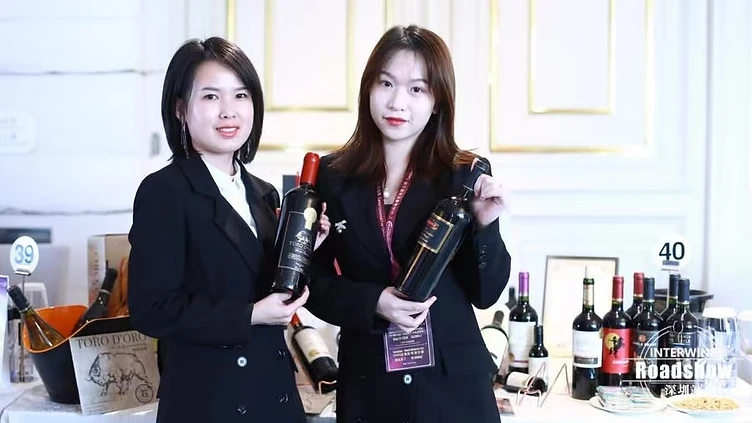
A tactical B2B guide for wine and spirits buyers, importers, and distributors to organize a high-efficiency day at Interwine across meetings, tastings, and logistics.
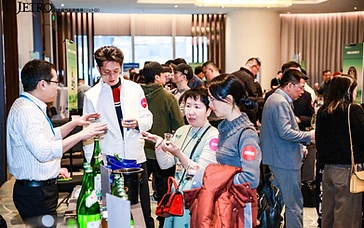
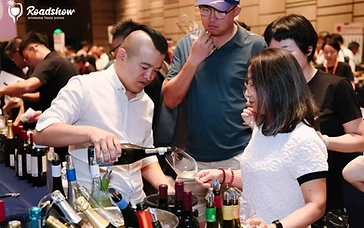
For professional wine and spirits importers, distributors, and on-trade procurement managers, walking into a high-volume international trade fair without an operational itinerary results in palate fatigue, missed commercial terms, and wasted travel expenditure. At major industry exhibitions such as Interwine—hosted across key hubs like the China Import and Export Fair Complex in Guangzhou and international roadshow destinations—the physical scale demands calculated execution.
Navigating an intensive trade floor requires balancing two conflicting objectives: maintaining sensory precision during tastings and securing enforceable commercial commitments during supplier negotiations. Structuring your sourcing itinerary into chronological operational blocks turns chaotic floor traffic into a high-return procurement pipeline. Importers and beverage directors can organize their travel via Book Your Visit to establish access ahead of trade floor opening.
Strategic Pre-Show Preparation (T-Minus 14 Days)
Commercial productivity is won before stepping onto the exhibition floor. A common operational failure among beverage buyers is relying on ad-hoc booth visits, which forces senior purchasing managers to negotiate alongside casual foot traffic.
1. Curating the Sourcing Hit-List
Two weeks prior to the event, review your portfolio gaps against the published exhibitor catalogue using the Exhibitor Directory. Categorize targets into three distinct tiers:
- Tier 1 (High Priority): Producers fulfilling immediate assortment needs (e.g., regional European estates, high-growth global spirits, or bulk wine contracts requiring immediate CIF price quotes).
- Tier 2 (Emerging & Discovery): Trend-driven categories such as organic/biodynamic certifications, alternative regional spirits, or niche appellations.
- Tier 3 (Market Intelligence): Established competitors and macro-distributors to benchmark current regional wholesale pricing.
Advance outreach should secure structured 30-minute meetings directly at supplier booths. This process can be streamlined by leveraging official Business Matching channels to verify that brand principals or export directors with pricing authority will be present.
2. Commercial Intake Sheets
Equip each procurement team member with standardized commercial evaluation forms rather than unorganized notebooks. Ensure these sheets record both technical and commercial criteria simultaneously: Incoterms (EXW vs. FOB vs. CIF), Minimum Order Quantities (MOQs by pallet or container mix), shelf-life/vintage turnover parameters, and regional exclusivity requirements.
Master Schedule: The Anatomy of a High-Yield Day
A disciplined floor schedule separates sensory evaluations from heavy commercial negotiations to preserve cognitive and physical endurance.
| Time Window | Operational Focus | Primary Objective | Sensory & Cognitive State | | :--- | :--- | :--- | :--- | | 09:30 – 11:30 | Benchmark & Light Tastings | Whites, sparkling, lower-alcohol SKUs, Tier 1 walk-throughs | Palate fresh; low floor congestion | | 11:30 – 13:00 | Structured B2B Sourcing | Pre-booked supplier negotiations, commercial terms | Peak mental focus; commercial review | | 13:00 – 14:00 | Sensory Recalibration & Lunch | Off-floor neutral meal, hydration, note digitization | Rested; zero alcohol intake | | 14:00 – 15:30 | Robust Tastings & Masterclasses | Reds, high-tannin profiles, fortified wines, baijiu/spirits | Tolerant of intense sensory profiles | | 15:30 – 17:00 | Commercial Wrap-Up & Discovery | Tier 2 follow-ups, sample requests, logistical verification | Informal negotiations; final sweeps |
Managing Palate Fatigue and Sensory Protocol
According to technical tasting principles outlined by the Wine & Spirit Education Trust (WSET), systematic discipline during large-scale trade events is critical. When sampling dozens of SKUs daily, palate exhaustion and low-level alcohol absorption severely distort an evaluator's judgment of acidity, tannin balance, and residual sugar.
- Spit Consistently: Never ingest trade samples, regardless of how prestigious the cuvée is. Consistent expectoration prevents intoxication and cumulative palate deadening.
- Tasting Sequence: Structure sampling from high acid/light body (dry sparkling, crisp whites) to heavier extraction (oaked whites, young reds), concluding with high-alcohol spirits or sweet profiles.
- Neutralization Protocol: Cleanse the palate exclusively with ambient, non-carbonated water and plain crackers. Avoid strongly seasoned foods, mints, or coffee during tasting blocks, as they alter sensory thresholds.
- Sample Hygiene: Ensure that the glassware provided is properly rinsed with water or primed with a drop of the incoming wine rather than contaminated by lingering detergent residues.
Conducting Supplier Meetings: Commercial Due Diligence
A 30-minute meeting at a trade booth should not be spent discussing tasting notes that can be read off a tech sheet. Professional buyers must direct discussions toward supply stability, compliance, and distribution margins.
PROMPT QUESTIONS FOR SUPPLIERS:
1. "What is your export pricing structure based on FOB port vs. CIF destination?"
2. "What are your current MOQs per SKU, and do you allow mixed-pallet consolidation?"
3. "Do you currently hold existing trademark registrations or exclusive agency agreements in our territory?"
4. "What percentage of marketing support or sample allowances do you provide against annual volume commitments?"
5. "What is your production capacity, and can you guarantee vintage continuity across consecutive orders?"
Hypothetical Buyer ROI Calculation
Note: The following calculation is an illustrative hypothetical model intended to assess the commercial viability of an exhibition sourcing trip.
Assume an importer sends a two-person purchasing team to negotiate direct supplier contracts at Interwine:
- Total Logistics & Attendance Cost: $5,000 (airfare, accommodation, registration, on-site expenses).
- Target Procurement: One 20-foot container (14,000 bottles) of estate-bottled wine.
- Direct Sourcing Cost (Ex-Cellar/FOB negotiated at fair): $4.50 per bottle.
- Alternative Intermediary Cost (Domestic broker import): $5.80 per bottle.
- Landed Cost Difference (Cost Savings): $1.30 per bottle.
- Gross Procurement Savings on 14,000 bottles: $18,200.
- Calculated Net Return: $$\text{Net Sourcing Margin} = $18,200 - $5,000 = $13,200$$
- Hypothetical Sourcing ROI: $$\frac{$13,200}{$5,000} \times 100 = 264%$$
Achieving this return relies heavily on confirming distribution rights on the floor rather than paying downstream broker markups. For a broader overview of how regional travel fits into an annual procurement schedule, consult our Event Guides.
On-Site Logistics and Event Navigation
Interwine's calendar spans major exhibition cycles, including the flagship Guangzhou editions at the China Import and Export Fair Complex (Pazhou) as well as strategic Asian roadshows. Navigating these vast convention halls demands strict operational discipline:
- Badge Pre-Registration: Retrieve passes through online channels prior to arrival to bypass general queues.
- Digital Backup: Photograph business cards and physical specification sheets immediately. Physical collateral accumulated on the floor is heavy, prone to loss, and inefficient to process post-show.
- Sample Shipping Coordination: For wines identified as high-potential, do not transport heavy bottles personally during subsequent travel. Request that the supplier send formal commercially packaged samples directly to your domestic testing facility or bonded warehouse for secondary panel review.
Buyers planning their operational schedule should cross-reference verified tour dates. Following the Guangzhou autumn cycle (16–18 November 2026) and Hanoi roadshow (20 November 2026), the 2027 calendar includes Spring Guangzhou (7–9 May 2027), the Asia Roadshow (Hanoi 11 May, Kuala Lumpur 13 May, Singapore 15 May, Bali 17 May), Vietnam (6–8 July 2027 at SECC, Ho Chi Minh City), and Autumn Guangzhou (31 October–2 November 2027). Aligning travel windows across multiple hubs secures strategic access while minimizing multi-trip operational costs.
The Post-Show Execution Framework (T-Plus 48 Hours)
The commercial value generated during an event deteriorates rapidly without structured post-fair follow-through. Exhibiting producers interface with hundreds of procurement teams; prompt communication separates decisive buyers from passive browsers.
1. The 48-Hour Email Protocol
Within 48 hours of fair closing, issue formal follow-ups to all Tier 1 leads. Reference specific points discussed (e.g., agreed FOB terms, preferred packaging specifications, or requested label adjustments) and request pro-forma commercial invoices or sample tracking numbers.
2. Blind Panel Verification
Once shipment samples arrive at your home facility, evaluate them under standardized blind conditions. Verify whether the commercial liquid sent matches the profile evaluated at the booth, ruling out discrepancies caused by vintage shifts or bottle variation.
3. Legal and Regulatory Clearance
Before signing contracts, ensure compliance with national labeling, import clearance certificates, and ingredient registration standards. Professional sourcing guidance remains general; specific customs declarations and market-access requirements require direct coordination with certified customs brokers.
By framing trade show attendance as a structured procurement exercise rather than an open-ended tasting trip, buyers turn exhibition attendance into quantifiable gross margin growth.
Sources
- Wine & Spirit Education Trust (WSET) - Survival Guide to Wine Trade Shows
- SevenFifty Daily - A Winery Guide to Trade Show Success
- Interwine China Official Portal
Key Takeaways
- —Pre-schedule high-priority supplier meetings two weeks in advance to secure commercial decision-makers.
- —Split show days into sensory-focused morning tastings and commercially intensive afternoon negotiations.
- —Implement strict tasting protocols (spitting, water cleansers) to prevent palate fatigue and impaired assessment.
- —Utilize standardized intake templates to capture FOB/CIF pricing, MOQs, and distribution exclusivity on-site.
- —Execute a mandatory 48-hour post-show follow-up protocol to convert booth handshakes into formal contracts.
Frequently Asked Questions
How many supplier meetings should a buyer schedule per day at Interwine?
A realistic target is 4 to 6 pre-booked 30-minute meetings per day. This allows sufficient operational buffer for spontaneous booth discoveries, transit between complex halls, and structured sensory evaluation.
How do professional buyers combat palate fatigue during full-day tastings?
Buyers spit all samples consistently, prioritize lighter, higher-acid wines earlier in the day, hydrate continuously with still water, and avoid heavily spiced foods or coffee during active tasting windows.
What core commercial terms must be clarified during an initial booth meeting?
Key commercial inquiries include pricing under specified Incoterms (such as FOB origin port or CIF), minimum order quantities (MOQs) by container or pallet layer, vintage continuity guarantees, and regional channel exclusivity.
How should buyers handle samples offered by producers at the event?
Avoid carrying full commercial bottles across the floor. For high-potential products, request that producers ship unopened representative bottles directly to your corporate tasting office or bonded facility for formal panel review.