2025 Interwine & Spirits Asia Concluded with a Success
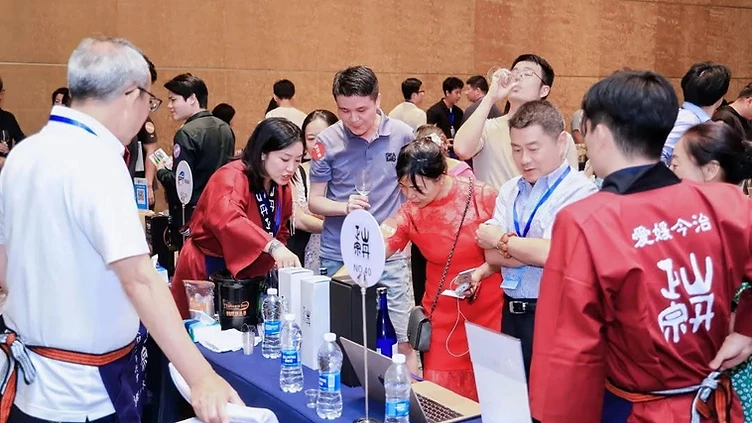
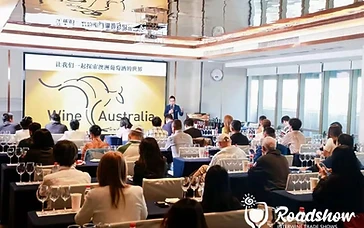
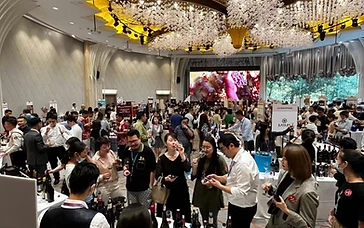
The 35th Interwine & Spirits Asia concluded on November 2, 2025, at Guangzhou's Poly World Trade Center, marking a transformative milestone as the event rebranded to reflect its expanded influence across the Asian market.
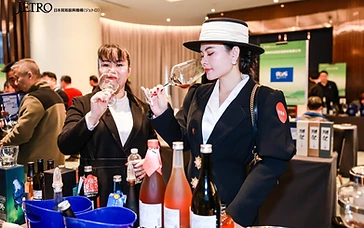
A New Era for Pan-Asian Wine and Spirits Trade The 35th Interwine & Spirits Asia exhibition concluded on November 2, 2025, at the Poly World Trade Center in Guangzhou, signaling a significant evolution for the region’s wine and spirits industry. This edition was defined by its official rebrand from Interwine Guangzhou to Interwine & Spirits Asia, a transition that highlights the organizers' commitment to elevating the event from a regional fixture to a comprehensive pan-Asian trade platform. For international producers and domestic buyers alike, this shift represents a deeper integration with the evolving demands of the Asian consumer and a broader commitment to cross-border collaboration. The event served as a focal point for industry leaders to analyze shifts in trade dynamics and consumer preferences. By broadening the scope to include a more robust spirits selection alongside traditional viticulture, Interwine has positioned itself at the nexus of the current premiumization trend sweeping across Asian markets. Attendees witnessed a diverse array of international exhibitors, reflecting a global consensus that despite current economic headwinds, the long-term value of the Asian market remains undisputed. ## Strategic Rebranding and Market Expansion The transition to Interwine & Spirits Asia is not merely a change in nomenclature; it is a strategic response to the shifting trade patterns in the Asia-Pacific region. As supply chains and consumption habits evolve, the necessity for a centralized, high-quality hub has never been more pressing. The 2025 exhibition demonstrated that international wineries and distilleries are increasingly looking toward this platform to navigate the complexities of the Chinese and greater Asian markets. The integration of deeper market intelligence sessions provided exhibitors with the tools required to manage market entry and expansion. For international brands, this indicates a pivot toward localized strategies, where understanding the nuances of consumer behavior is prioritized over mass-market volume. The event layout and business matching sessions were specifically tailored to facilitate these critical connections between producers who offer high-quality, niche products and buyers who are looking to diversify their portfolios in a competitive retail and HoReCa landscape. ## Industry Trends and Consumer Shifts A consistent theme throughout the 2025 event was the rise of the conscious, knowledgeable consumer. Across Asia, there is an observable shift toward premiumization, where value is measured not by price alone, but by heritage, production methods, and sustainability. Exhibitors highlighted that buyers are increasingly interested in the technical aspects of winemaking and the history behind spirits brands. This change in demand necessitates a move toward educational marketing and experiential selling. Throughout the exhibition, the masterclass series and panel discussions underscored the importance of storytelling in the wine and spirits business. Retailers and distributors are no longer just seeking products; they are seeking narratives that resonate with their specific demographics. The successful conclusion of this event confirms that brands capable of articulating their unique value proposition in clear, culturally relevant terms are the ones gaining traction in the current economic climate. ## Optimizing Commercial Opportunities for Professionals The 35th edition of Interwine & Spirits Asia provided a robust environment for real-time commercial engagement. For importers and distributors, the event served as a discovery phase for emerging regions and categories that have historically been underrepresented in China. The business matching services were instrumental in streamlining the connection process, allowing for more productive networking and long-term partnership cultivation. Furthermore, the presence of major HoReCa decision-makers highlighted a trend toward collaborative purchasing, where restaurants and hotel groups are seeking exclusive access to international labels to differentiate their beverage programs. For producers, the recommendation remains consistent: consistency in brand presence and a willingness to adapt to the local market’s specific logistical and regulatory requirements are key. Attending such exhibitions is not a one-off marketing expense but a prerequisite for building the long-term trust that governs successful commercial relationships in the Asian wine industry. ## Looking Ahead to Future Trade Cycles The conclusion of the 2025 exhibition marks a departure point for future strategies. As the industry looks toward the next cycle, the focus will undoubtedly shift toward digital transformation and the seamless integration of online and offline sales channels. The feedback received during this event suggests that the appetite for premium spirits and fine wines remains resilient. However, the requirement for professional trade platforms to offer deeper insights, data-driven connections, and sustained educational support will continue to grow. Interwine & Spirits Asia has successfully established itself as a cornerstone of this requirement. By providing a stable, professional environment for exchange, the exhibition continues to facilitate the movement of quality products into one of the world's most dynamic consumer regions. We look forward to building on this year's successes as we continue to support our global partners in navigating the nuances of the Asian wine and spirits landscape, ensuring that every participant leaves with actionable intelligence and tangible growth opportunities. The success of the November 2nd conclusion serves as a testament to the enduring strength and adaptability of the industry, proving that face-to-face commerce remains the heartbeat of the wine trade, even in an increasingly digitized world.
Key Takeaways
- —The rebranding to Interwine & Spirits Asia signifies a strategic shift toward a broader, pan-Asian trade influence.
- —Premiumization is the dominant trend across Asian markets, with buyers prioritizing heritage, sustainability, and production stories.
- —Successful market entry requires a deep commitment to localized brand narratives and long-term relationship building.
- —The 2025 edition highlighted the growing importance of spirits integration alongside traditional viticulture within the regional trade.
- —Business matching and professional networking services remain the most effective tools for facilitating successful trade partnerships.
Frequently Asked Questions
What is the significance of the rebranding from Interwine Guangzhou to Interwine & Spirits Asia?
The transition reflects the exhibition's growth from a city-focused event to a comprehensive pan-Asian platform. It acknowledges the deepening integration of the Asian wine and spirits market and the need for a singular, high-quality hub that addresses the evolving needs of both international producers and regional distributors.
Who should attend the upcoming editions of Interwine & Spirits Asia?
The exhibition is tailored for a professional B2B audience, including international wineries, spirits distillers, regional importers, distributors, wholesale buyers, and HoReCa (Hotel, Restaurant, and Catering) decision-makers who are looking to expand their portfolios and network with key industry stakeholders in the Asian market.
What were the primary market trends observed during the 2025 exhibition?
The 2025 edition highlighted a clear trend toward premiumization. Buyers are increasingly seeking products with strong provenance, unique historical narratives, and sustainable production credentials. There was also a notable increase in interest regarding the integration of spirits into the traditional wine-heavy trade focus.
How can exhibitors better prepare for the Asian wine market?
Success in the Asian market requires more than just high-quality product; it requires a localized strategy. Exhibitors should focus on storytelling, educational outreach, and understanding the specific regulatory and logistical requirements of the region. Engaging with business matching services can help identify the right partners.
Is the focus of Interwine & Spirits Asia strictly on wine?
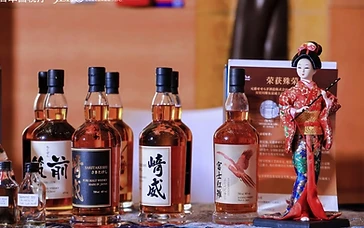
No. As indicated by the rebranding, the exhibition has placed a significant emphasis on spirits, including Baijiu and international spirits categories. This dual-focus approach ensures that the exhibition remains relevant to the evolving preferences of Asian consumers who are exploring a wider range of high-end beverage products.