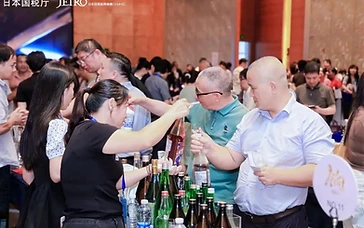
Interwine exhibitor announcement: Commercial highlights
Explore the official Interwine exhibitor announcement and commercial highlights, detailing regional buyer demographics, GBA distribution networks, and key strategies for wine trade expansion.
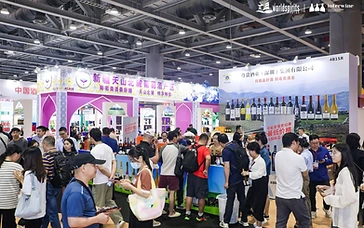
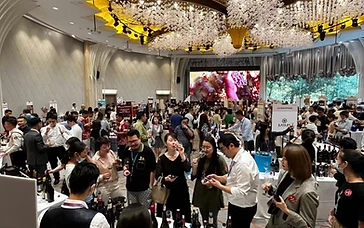
China's premium alcoholic beverage landscape is experiencing a structural transition characterized by portfolio rationalization and an emphasis on verified brand authenticity. According to market analysis published by MS Advisory (2024), China's wine market was valued at $40.4 billion in 2024 and is projected to expand at a compound annual growth rate (CAGR) exceeding 11%. This macroeconomic expansion provides an opportunistic landscape for producers, importers, and regional distributors to build high-margin trade pipelines. The latest official Interwine exhibitor announcement commercial highlights confirm that upcoming editions will leverage more than 50,000 square meters of exhibition space in Guangzhou, assembling over 1,000 international exhibitors and 50,000 professional trade buyers to address shifting commercial demands across Southern China and the broader Asia-Pacific region.
Navigating this scale requires actionable market intelligence. Participating producers and brand principals cannot approach mainland China with a one-size-fits-all model. To maximize commercial outcomes, wine industry stakeholders must evaluate exhibitor participation through the lens of procurement geography, commercial segment demands, bilateral customs logistics, and dedicated schedule coordination.
Buyer Demographics and Greater Bay Area Market Density
The commercial foundation of Interwine rests on the economic weight of the Guangdong-Hong Kong-Macao Greater Bay Area (GBA). The Guangdong provincial market represents a population base exceeding 110 million consumers with well-established direct access to international trade channels in Hong Kong and Macau. Demographically, China's working-age demographic (ages 15–64) represents roughly 82% of the total population, forming a dense base of prospective beverage consumers who increasingly gravitate toward imported wines, premium spirits, and craft beverages, as detailed by industry data from Beverage Trade Network (2024).
Historical post-show buyer analytics demonstrate that domestic attendance at Interwine shows intense concentration in high-liquidity commercial hubs. Independent fair audit figures indicate that over 79% of visiting professional buyers originate directly from Guangdong province, led heavily by Guangzhou (47.9%), Shenzhen (23.0%), and Dongguan (6.0%). The remaining 20.5% comprises active buying delegations traveling from key neighboring and regional commercial corridors, including Guangxi, Hunan, Fujian, Shandong, and Zhejiang.
For commercial directors, these numbers underline a crucial operational reality: Interwine provides a targeted conduit into Tier-1 and affluent Tier-2 commercial channels across Southern China. Wine trade professionals seeking to structure their roadmaps can plan meetings and access specialized business matchmaking programs by reviewing official Interwine Events.
+-------------------------------------------------------------+
| Interwine Buyer Geographic Concentration (South China Focus) |
+-------------------------------------------------------------+
| Guangzhou:        [====================] 47.9%              |
| Shenzhen:         [==========] 23.0%                        |
| Dongguan:         [==] 6.0%                                 |
| Rest of Guangdong:[=] 2.6%                                  |
| External Provinces (Guangxi, Hunan, etc.): [====] 20.5%     |
+-------------------------------------------------------------+
Sector Categories and Shifting Trade Preferences
The commercial highlights outlined in the Interwine exhibitor announcements reflect deep shifts in domestic distribution portfolios. The exhibition covers five dedicated core categories across international and domestic alcohol sectors:
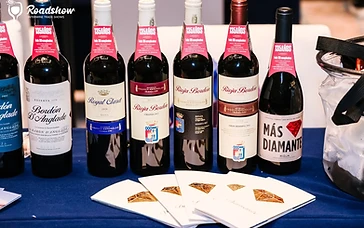
- Imported Still and Sparkling Wines: Terroir-focused Old World estates (France, Italy, Spain, Germany) alongside prominent New World representation (Chile, Argentina, Australia, South Africa).
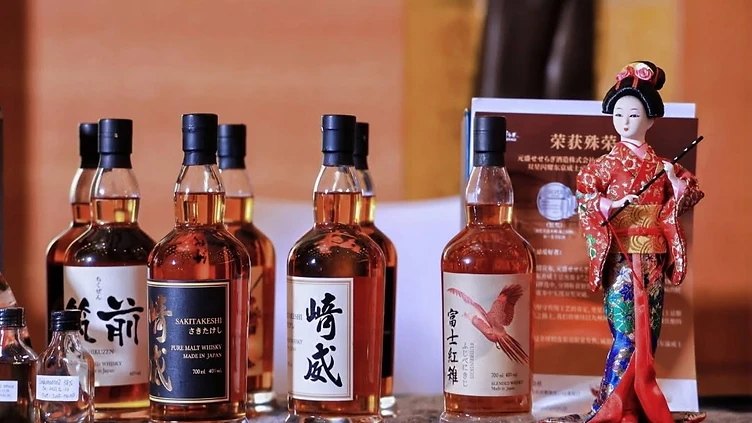
- High-Proof Spirits and Brandies: Cognac, Armagnac, single-malt whiskies, and craft gin, which continue to capture premium corporate gifting and high-end on-premise accounts.
- Traditional and Modern Baijiu: Highlighting cross-category synergy between traditional Chinese national spirits and international beverage programs.
- Emerging Low-ABV & Alternative Categories: Sake, RTDs (ready-to-drink), premium ciders, and dealcoholized wines catering to younger, lifestyle-driven urban consumers.
- Ancillary Wine Supplies and Infrastructure: Commercial temperature-controlled storage cabinets, preservation systems, professional glassware, and cold-chain packaging.
Domestic wine production has recalibrated. Data reported by Jane Anson (2025) indicates that China's domestic wine output stood at 1,180,000 hectoliters in 2024, down from 1,435,000 hectoliters in 2023. As domestic production volume contracts, regional distributors are actively seeking reliable imported brand relationships to satisfy sustained consumer demand for high-quality table and estate wines. Exhibitors who understand this shift can review the comprehensive list of registered regional trade partners via the Exhibitor Directory to evaluate competitive positioning.
Capitalizing on Canton Fair Synergy
A critical commercial highlight of Interwine's calendar is its strategic synchronization with international supply chain cycles. Autumn editions held at the Poly World Trade Expo Center and the China Import and Export Fair Complex (Pazhou Complex) in Guangzhou regularly coincide with Phase III of the multi-sector Canton Fair. According to logistical event briefs documented by the China Business Forum (2024), this timing places exhibitors directly adjacent to a commercial foot-traffic ecosystem of over 240,000 international buyers spanning more than 200 countries and territories.
This concurrent scheduling creates a multi-layered procurement environment. Overseas wine producers not only meet designated Chinese beverage distributors, but they also interface with international buying offices, major hotel procurement leads, airline catering executives, and foreign retail chains already present in Guangzhou. Commercial directors can review the overall macroeconomic trajectory of this regional ecosystem through current Market Insights.
Bilateral Partnerships: Enhancing Global Market Access
Interwine continues to expand structured international pipelines through cross-border trade collaborations. A notable example is the formalized strategic partnership between Interwine China and the China Wine Competition, organized by the Beverage Trade Network. Under this agreement, medal-winning wines from international competitions in Hong Kong receive dedicated showcase placements and direct B2B buyer exposure at Interwine editions in mainland China.
Additionally, international producer associations, regional export boards, and trade chambers coordinate national pavilions across 50+ represented countries. These coordinated pavilions aggregate mid-sized and boutique wineries that would otherwise face high initial market-entry barriers, giving them immediate credibility with regional sub-distributors across Guangdong, Guangxi, and Hunan.
Commercial Risk Mitigation: Logistics and Regulatory Realities
While commercial highlights demonstrate substantial expansion potential, wine trade professionals must navigate operational and regulatory risks to protect transaction margins:
- Label Compliance and Customs Registration: All overseas production facilities must maintain active registration with the General Administration of Customs of China (GACC). Standardized Chinese back-labels must strictly conform to food safety and additive notification standards before clearance.
- Channel Inventory Management: Distributors remain cautious regarding high-volume minimum orders. Exhibitors should present flexible container configurations (e.g., mixed pallets, consolidated shipping) rather than demanding full single-SKU 20-foot container commitments.
- Brand Intellectual Property Safeguards: Producers must secure trademark registration in mainland China under both their Latin brand name and phonetically recognized Chinese characters well in advance of public showcase exhibitions.
- Duty and Tax Calculation Accuracy: Ensure accurate landed-cost calculations that factor in tariff schedules, consumption taxes, and value-added tax (VAT) to present viable pricing matrices during B2B buyer meetings.
For international delegates finalizing participation arrangements, logistics guidelines and regional travel requirements can be coordinated directly through the portal for Invitation Letter and Visa Support.
Strategic Preparation for Trade Participants
Converting trade show interactions into long-term commercial contracts requires systematic pre-fair preparation. Successful exhibitors follow a rigorous four-stage execution framework:
1. Pre-Event Importer Profiling
Avoid entering the exhibition floor without pre-scheduled appointments. Utilize show platforms to screen regional importers, departmental buyers, and e-commerce supply aggregators at least four weeks prior to opening day.
2. Commercial Pricing Matrix Localization
Equip booth sales representatives with FOB, CIF (Guangzhou/Shenzhen), and DDP price lists. Ensure commercial terms clearly designate foreign currency exchange thresholds, sample allocation policies, and marketing support allowances.
3. Integrated Digital Touchpoints
Implement local digital communication tools. Ensure booth collateral features clear links to WeChat Enterprise channels, localized digital catalogs, and mobile-friendly brand profiles that buyers can instantly archive on their personal devices.
4. Direct Show Ground Follow-Up
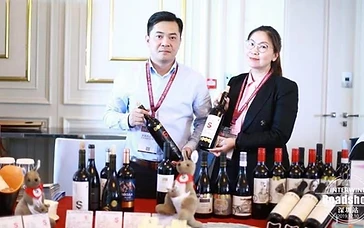
Post-show deal attrition remains a primary risk for overseas exhibitors. Establish a rapid 48-hour follow-up protocol for all verified leads collected during tasting masterclasses and pavilion meetings, addressing commercial inquiries while the brand impression is fresh.
Conclusion
The commercial highlights emerging from Interwine exhibitor announcements underscore Guangzhou's role as the definitive B2B nexus for China's imported wine and spirits sector. By combining high-density regional buyer exposure, Canton Fair logistical synergy, and targeted buyer demographics, the exhibition offers wine trade professionals an unrivaled platform to drive commercial growth. Capitalizing on these opportunities requires a rigorous commercial posture: verified customs preparedness, localized pricing flexibility, and disciplined post-event execution.
Sources
- MS Advisory: Wine Market in China: Trends, Growth, and Consumer Behavior (2024), https://msadvisory.com/wine-market-in-china/
- Beverage Trade Network: China Wine Competition Partners With Interwine China (2024), https://beveragetradenetwork.com/en/events/wine-77/china-wine-competition-partners-with-interwine-china-1727.htm
- China Business Forum: 2024 China International Wine Exhibition (Interwine China) Autumn Edition Overview (2024), https://cnbusinessforum.com/event/2024-china-international-wine-exhibition-interwine-china-autumn-edition/
- Jane Anson - Inside Bordeaux: Market Insights: Chinese Wine Industry in 2025 (2025), https://janeanson.com/market-insights-chinese-wine-industry-in-2025
Key Takeaways
- —China's wine market was valued at $40.4 billion in 2024, maintaining a projected CAGR above 11% according to MS Advisory (2024).
- —Over 79% of professional buyers at Interwine originate from Guangdong province, providing targeted access to Guangzhou, Shenzhen, and Dongguan.
- —Strategic synchronization with Phase III of the Canton Fair connects exhibitors with over 240,000 international trade buyers.
- —Bilateral initiatives like the China Wine Competition and Beverage Trade Network partnership facilitate verified international routes to market.
- —Domestic wine production contracted to 1,180,000 hl in 2024 according to Jane Anson (2025), driving distributor demand for high-quality imported allocations.
Frequently Asked Questions
What are the primary commercial highlights of exhibiting at Interwine?
Commercial highlights include direct access to over 50,000 professional trade visitors, concentrated buyer density across the Guangdong-Hong Kong-Macao Greater Bay Area, and foot-traffic synergy with the Canton Fair.
Which buyer demographics dominate Interwine China?
According to fair demographic audits, over 79% of visiting trade buyers originate from Guangdong province (notably Guangzhou, Shenzhen, and Dongguan), with an additional 20.5% traveling from commercial hubs in Guangxi, Hunan, Fujian, Shandong, and Zhejiang.
How does Interwine synchronize with other major trade events?
Interwine's autumn sessions are held concurrently with Phase III of the Canton Fair in Guangzhou, allowing wine and spirits exhibitors to engage over 240,000 cross-industry global buyers attending the Pazhou complex.
What product categories feature most prominently in Interwine exhibitor announcements?
Core exhibition sectors include imported still and sparkling wines, high-end spirits (Cognac, whisky, brandy), Chinese baijiu, low-ABV/RTD beverages, and commercial wine storage accessories and cellar equipment.
What regulatory preparation is required before exhibiting wine in mainland China?
Exhibiting brands must ensure their manufacturing facilities hold active registration with the General Administration of Customs of China (GACC), conform to Chinese back-labeling regulations, and have landed pricing matrices (CIF/DDP) calculated in advance.