Interwine exhibitor announcement: Business opportunities for wineries

Interwine officially announces new exhibition dates and expanded B2B matchmaking programs for wineries seeking entry and commercial expansion across China and Asia.
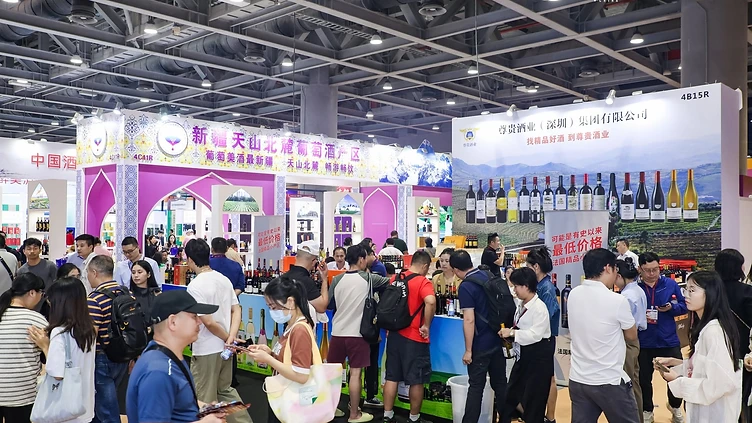
For estate owners, export directors, and international wine brand managers evaluating Asian market distribution, timing and route-to-market infrastructure dictate commercial viability. Interwine has issued its latest exhibitor announcement, highlighting strategic trade matchmaking, dedicated importer delegations, and specialized exhibition zones across its major editions at the Canton Fair Complex and Poly World Trade Expo Center in Guangzhou. As international producers face evolving consumer preferences and changing tariff landscapes, securing a high-yield physical presence provides direct access to qualified distribution channels across Mainland China and the broader Asia-Pacific region.
According to market research published by MS Advisory in 2024, China's wine market was valued at $40.4 billion in 2024 and is projected to expand at a compound annual growth rate (CAGR) exceeding 11%. Despite macroeconomic adjustments across luxury consumer goods, demand for bottled wine continues to diversify beyond traditional Bordeaux labels into boutique terroirs, sustainable viticulture, and value-driven Old and New World appellations. Participating in curated trade expos enables wineries to convert market interest into formal purchase orders and sustainable distribution contracts.
The Commercial Context: Navigating China's Evolving Wine Import Landscape
Navigating mainland distribution requires an understanding of regional purchasing power and structural shifts in buyer demographics. Historically centralized in primary tier-one hubs, wine consumption and wholesale distribution have decentralized into dynamic regional clusters. The Guangdong-Hong Kong-Macao Greater Bay Area (GBA) remains the undisputed core of China's imported wine ecosystem. Trade records from Wikiland's Interwine Profile highlight that over 60% of mainland China's imported wine trade infrastructure and licensed importers are concentrated across the Guangdong region.
Simultaneously, trade buyers are adapting to younger demographic profiles. Younger millennial and Gen Z consumers increasingly favor organic certifications, distinctive indigenous grape varieties, biodynamic farming, and approachable modern packaging over legacy gift-box branding. For mid-sized and family-owned wineries, bypassing fragmented trading intermediaries to negotiate directly with licensed regional distributors, hotel chains, national e-commerce aggregators, and private dining groups represents the most reliable route to margin preservation.
Interwine Exhibitor Announcement: Strategic Features for Global Wineries
The latest exhibitor announcement positions upcoming editions of Interwine—including flagship gatherings in Guangzhou and regional Asian expansions—as strategic transaction platforms rather than passive sampling events. Officially approved by China's Ministry of Commerce for alcohol trade in the Greater Bay Area, the exhibition deploys specialized programming designed to match global supply with pre-qualified regional demand.
Targeted Buyer Matchmaking and VIP Delegations
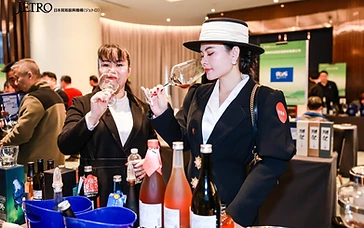
To ensure commercial productivity for international wineries, Interwine organizes tailored one-on-one trade introductions. Rather than relying entirely on generalized footfall, registered exhibitors receive advance matchmaking support linking winery profiles with licensed tier-one importers, regional sub-distributors, and modern retail procurement managers through dedicated Business Matching services. These closed-door sessions allow commercial directors to review volume minimums, customs compliance requirements, and exclusive provincial distribution terms before sampling takes place on the trade floor.
Curated 90+ Scoring and Global Terroir Pavilions
Trade buyers navigating high-volume trade expos require clear quality benchmarks. Interwine features curated thematic zones, notably the designated 90+ Awarded Wine Zone and national pavilions. Producers holding accolades from Decanter, Concours Mondial de Bruxelles, or the Interwine Grand Challenge (IGC) are positioned directly in front of procurement teams searching for accredited high-margin inventory. Wineries representing emerging origins—including Georgia, Moldova, South Africa, and regional European IGPs—receive focused positioning that emphasizes authenticity, indigenous varieties, and commercial price-to-quality ratios.
Commercial Masterclasses and Brand Education
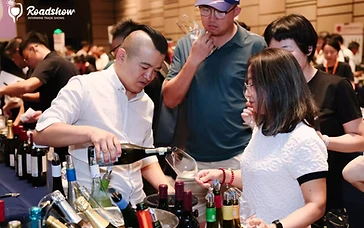
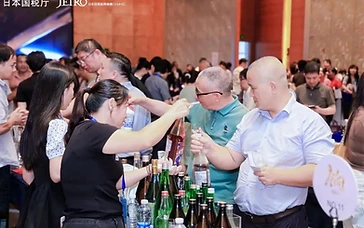
Brand equity across Chinese provincial markets relies on professional education. As documented in event reviews by the Beverage Trade Network in 2024, Interwine regularly hosts dozens of concurrent educational sessions, masterclasses, and forums led by certified sommeliers, Masters of Wine, and key industry influencers. Wineries participating in on-site educational tastings establish direct rapport with regional distributor sales teams, teaching them how to position specific terroirs and food pairings to local restaurant groups and retail accounts.
Key Commercial Decisions and Operational Planning for Exhibitors
Transitioning from exhibition registration to finalized distribution requires disciplined operational execution. Export directors should address four critical decision phases prior to booth deployment:
- Portfolio Selection and Pricing Architecture: Importers evaluate landed costs rather than cellar-door figures. Calculate clear Ex-Works (EXW) and Free On Board (FOB) terms alongside estimated Cost, Insurance, and Freight (CIF) landed rates. Maintain an accessible portfolio of entry-level volume lines paired with high-scoring prestige cuvées for private client portfolios.
- Customs Clearance and Bonded Sample Logistics: Bottled wine samples must clear Chinese customs in compliance with National Standards (GB standards), sanitary certification, and front/back labeling mandates. Work with Interwine's authorized freight forwarders to ensure samples arrive in bonded warehousing well ahead of exhibition opening dates.
- Intellectual Property and Chinese Trademark Registration: Securing international brand trademarks in your country of origin does not confer automatic legal protection in China, which enforces a strict "first-to-file" trademark framework. Register Latin-alphabet brand names alongside appropriate Chinese phonetic or semantic transliterations before public promotional exposure.
- Provincial Exclusivity vs. Multi-Regional Distribution Models: Wineries frequently make the mistake of assigning blanket national exclusivity to single regional importers who lack national wholesale coverage. Structure distribution agreements around provincial performance quotas, granting rights for key commercial zones such as Guangdong, East China (Zhejiang, Jiangsu, Shanghai), and North China before considering nationwide exclusivity.
Maximizing ROI: Aligning Exhibitor Participation with Trade Events
Exhibition presence yields the strongest return when integrated into a structured commercial campaign. To maximize commercial outcomes, wineries should coordinate their presence with concurrent industry forums, sommelier competitions, and networking banquets highlighted in the official calendar of Interwine Events. Engaging with trade associations, consular commercial attaches, and purchasing consortiums during scheduled calendar milestones ensures higher visibility among top-tier buying delegations.
Producers seeking to solidify trade relationships can reinforce their participation through supplementary initiatives such as specialized distributor dinners or participation in the multi-city roadshows that travel to secondary and tertiary consumer markets. Prospective exhibitors can evaluate available booth formats, turnkey pavilion configurations, and early-registration incentives through the portal to Become an Exhibitor.
Conclusion: Capitalizing on Long-Term Asian Trade Expansion
The Chinese and Asian wine markets offer substantial long-term volume for wineries willing to invest in direct market intelligence, disciplined partner screening, and on-the-ground relationship building. As highlighted in the latest Interwine exhibitor announcement, participating in professional trade exhibitions provides a direct, risk-managed gateway to vetted regional distributors, commercial off-trade buyers, and the growing luxury hospitality segment. Commercial directors ready to establish or expand their presence in the region should align their distribution roadmaps with upcoming industry gatherings to capture actionable market share.
Sources
- MS Advisory: Wine Market in China: Trends, Growth, and Consumer Preferences (2024), https://msadvisory.com/wine-market-in-china/
- Beverage Trade Network: Interwine China: Gateway to Global Wines in the Chinese Market (2024), https://beveragetradenetwork.com/en/btn-academy/articles/interwine-china-bridging-global-wines-and-the-chinese-market-739.htm
- Interwine Official Portal: Professional B2B Wine Fair Overview (2024), http://www.interwine.org/en/
- Wikiland: Interwine China Trade Profile & Industry Statistics, https://www.wikiland.org/wiki/Interwine
Key Takeaways
- —China's wine market was valued at $40.4 billion in 2024 with a projected compound annual growth rate exceeding 11%, according to MS Advisory.
- —Over 60% of mainland China's imported wine trade infrastructure and distributors remain concentrated in the Guangdong-Hong Kong-Macao Greater Bay Area.
- —Interwine provides structured business matching, national tasting pavilions, and accredited masterclass platforms to connect international wineries directly with verified buyers.
- —Exhibiting wineries must prepare FOB/CIF landed pricing, secure Chinese trademark registrations under first-to-file laws, and establish clear provincial distributor boundaries.
- —Integrating physical booth space with concurrent trade masterclasses and VIP networking sessions maximizes qualified sales lead generation.
Frequently Asked Questions
What business opportunities does the Interwine exhibitor announcement highlight for international wineries?
The announcement details direct access to vetted Chinese importers, regional wholesalers, modern off-trade retail buyers, and e-commerce platforms. Interwine provides curated one-on-one business matching, dedicated high-scoring tasting zones, and certified masterclass platforms designed to convert brand exposure into formalized import agreements.
Why is the Greater Bay Area critical for wine distribution in China?
According to trade records from Wikiland's industry profile, over 60% of China's imported wine trade infrastructure, licensed importers, and distribution networks are concentrated across Guangdong province and the Greater Bay Area, making Guangzhou the most efficient logistics and commercial hub for national distribution.
What documentation and compliance steps must wineries complete before exhibiting?
Wineries must arrange customs clearance for exhibition samples adhering to China's GB food safety standards, provide official certificates of origin and sanitary inspection documents, and complete preliminary Chinese trademark registration to protect their brand under China's first-to-file legal system.
How does Interwine match exhibiting wineries with qualified buyers?
Interwine conducts pre-fair buyer screening, categorizing regional distributors, hotel beverage managers, and corporate purchasing groups by portfolio preferences and budget. Exhibitors receive scheduled one-on-one matchmaking sessions alongside open-floor buyer interaction.
Where can wineries review upcoming exhibition schedules and concurrent forums?
Wineries can examine scheduled trade fairs, thematic masterclasses, and networking conferences directly on the official Interwine Events calendar.