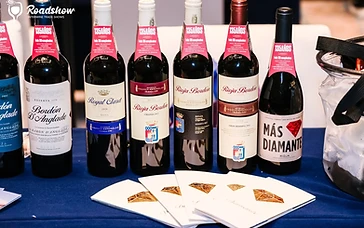
Red Wine Market in China

A commercial roadmap for wine producers and distributors navigating the red wine market in China, analyzing import shifts, buyer criteria, and trade show entry strategies.
The red wine market in China has transitioned from speculative volume-driven bulk shipments to a value-led, brand-conscious commercial landscape. Historically commanding up to 95% of domestic consumption, red wine remains the uncontested anchor of China’s imported wine landscape according to market research documented by China Briefing (2025). However, shifting consumer demographics, tariff adjustments, and changing retail channels mean that exporting to China requires a clear commercial strategy. For wineries, regional exporters, and distribution networks, succeeding in China requires selecting suitable varietals, aligning price tiers, strictly observing regulatory compliance, and establishing vetted importer partnerships.
Current Market Sizing and Import Dynamics
China’s imported wine ecosystem has undergone significant recalibration following years of supply chain restructuring and tariff shifts. According to the USDA Foreign Agricultural Service (2026), China’s total wine imports settled at approximately $1.4 billion in 2025, declining 11% year-on-year as distributors rationalized inventory and purged slow-moving stock. Despite the contraction in overall volume, premiumisation continues to protect margins for quality-focused producers.
+-------------------------------------------------------------+
|         CHINA RED WINE MARKET: COMMERCIAL SNAPSHOT          |
+-------------------------------------------------------------+
| Total Wine Import Value (USDA FAS, 2025): ~$1.40 Billion   |
| Red Wine Market Share (China Briefing / MSA): ~95% of Total |
| Leading Red Varietal: Cabernet Sauvignon                    |
| E-Commerce CAGR Growth (IWSR / China Briefing): ~6%         |
| Major Sourcing Regions: France, Chile, Australia, Italy     |
+-------------------------------------------------------------+
Trade policy adjustments have also reshaped category shelf space. The lifting of anti-dumping duties on Australian wine in 2024 reintroduced strong competition across commercial and mid-tier red categories, shifting trade dynamics for French, Chilean, and Italian suppliers who gained ground during the tariff period (MSA Advisory, 2026). Exporters must now compete on clear distinctiveness, reliable distribution channels, and regional brand equity rather than opportunistic trade vacuums.
Consumer Shifts: The Evolution of China's Red Wine Drinker
Historically, red wine consumption in mainland China was heavily tied to corporate gifting, government banquets, and status-driven entertainment. Traditional buyers prioritized prestigious Bordeaux classifications or recognizable visual markers denoting luxury. While red wine retains its cultural affinity—partially reinforced by the auspicious nature of the color red and widespread perceptions of red wine’s health benefits—the target audience is evolving.
Today, consumer purchasing is increasingly driven by younger, urban middle-class professionals in Tier-1 and Tier-2 cities such as Shanghai, Guangzhou, Shenzhen, Chengdu, and Hangzhou. As observed in the VVR International 2026 Market Analysis, long-term growth across China’s wine scene centers on targeting younger consumers, designing educational tasting experiences, and building culturally resonant digital narratives. Modern consumers look beyond traditional Bordeaux blends to explore fruit-forward profiles, organic certifications, single-vineyard bottlings, and alternative reds like Pinot Noir, Syrah, and Tempranillo.
TRADITIONAL DRIVER                  MODERN VALUE DRIVER
[Banqueting / Prestige Gifting] --> [Personal Consumption / Social Gatherings]
[High Tannin / Oak Heavy]      --> [Balanced Palate / Fruit-Forward / Low Sulphite]
[Tier-1 Exclusive Distribution] --> [Emerging Tier-2 & Tier-3 City Demand]
[Offline Wholesale Layers]      --> [Integrated Omnichannel & Social Commerce]
Channel Strategy: On-Trade, Modern Off-Trade, and Digital Commerce
Formulating an entry or expansion plan requires matching red wine styles and price points with the correct commercial sales channel:
1. Traditional On-Trade & Fine Dining
High-end hotels, private banquet clubs, and traditional Chinese dining establishments remain vital for premium red wines (ex-cellar above €15–20). These venues demand established brand storytelling, structured sommelier education, and reliable allocation programs.
2. Modern Bistro and Casual Wine Bars
In first-tier hubs, independent wine bistros and Western-style dining have grown rapidly. These accounts prefer lower-intervention reds, diverse varietals, and expressive labels that allow for rotating by-the-glass menus.
3. E-Commerce and Social Retail
China represents one of the world's most sophisticated online alcohol markets. As detailed by China Briefing (2025), IWSR projects China’s beverage alcohol e-commerce to expand at a 6% compound annual growth rate through 2027. Platforms like Tmall and JD.com handle high-volume commercial retailing, while Douyin (TikTok China) and Xiaohongshu (RED) drive direct-to-consumer discovery through curated tastings, brand livestreams, and creator partnerships.
For ongoing analysis of channel performance and regional purchasing trends, producers can review specialized data via Market Insights and track emerging sector movements in News and Magazine.
Regulatory and Compliance Realities
Entering the Chinese wine trade requires rigorous compliance with domestic labeling standards and customs clearance protocols. Non-compliant shipments risk inspection holds, customs fines, or forced re-export.
- GACC Manufacturer Registration: Under General Administration of Customs Decree 248/249, all overseas food and beverage manufacturing, processing, and storage facilities must be registered with China Customs before dispatching cargo.
- GB Standards Compliance: Wines must comply with National Food Safety Standards, notably GB 2758 (fermented alcoholic beverages) and GB 7718 (pre-packaged food labeling). Strict maximum residue limits (MRLs) apply for preservatives like sulphur dioxide.
- Chinese Back Labels: Legally required Chinese back labels must detail product name, net content, alcohol percentage, production date, shelf-life/storage advice, country of origin, importer/distributor contact details, and relevant allergen statements.
- Brand Name Protection: Securing trademark registrations with the China National Intellectual Property Administration (CNIPA) in both Latin characters and transliterated Chinese characters is vital before goods enter bonded zones.
Commercial Sourcing and Importer Selection: Why In-Person Trade Matters
While digital marketing accelerates brand discovery, commercial distribution contracts in China depend on personal relationships, professional credibility, and physical product validation. Chinese wine buyers, regional distributors, and sub-wholesalers rarely finalize supply agreements without direct evaluation of liquid quality, bottle packaging weight, label aesthetics, and face-to-face negotiations with vineyard principals.
Navigating China’s vast distributor network can be challenging for foreign wineries operating remotely. Trade fairs provide an efficient setting to aggregate regional distributors, corporate gifting brokers, and retail category managers. Wineries intending to establish or scale their presence should review options to Become an Exhibitor at INTERWINE to secure commercial meetings with pre-screened importers.
To maximize returns during market entry campaigns, producers can take advantage of curated Business Matching services, which pair export-ready portfolios directly with licensed regional distributors seeking specific red varietals and price tiers.
Step-by-Step Strategic Checklist for Red Wine Producers
[Step 1: Portfolio Audit]  --> Identify red blends/varietals fitting Chinese palate trends
[Step 2: IP Protection]    --> Register brand trademarks in English and Chinese
[Step 3: GACC Compliance]  --> Complete facility filing and adjust Chinese label specs
[Step 4: Importer Meeting] --> Showcase samples at verified B2B trade platforms
[Step 5: Channel Rollout]  --> Support importer with digital assets, masterclasses, tastings
- Tailor Your Palate Architecture: Focus on balanced, approachable fruit concentration with well-integrated tannins. Cabernet Sauvignon, Merlot, Shiraz, and increasingly Malbec and Pinot Noir hold distinct commercial appeal.
- Establish Price Discipline: Build a clear FOB-to-retail pricing structure that allows sufficient distributor margins (typically 40–60% across intermediate tiers) while keeping final bottle prices competitive against domestic and international rivals.
- Support Education and Storytelling: Equip your Chinese trade partners with educational assets, video content from the vineyard, and localized tasting notes that translate effectively across modern digital touchpoints.
Conclusion: Capitalizing on the Next Cycle of Red Wine Growth
China’s red wine sector is a mature, discerning marketplace where informed category positioning and direct trade relationships decide long-term success. While import volumes have adjusted downward compared to prior peaks, red wine still represents the core revenue driver for international wine portfolios operating in China. Wineries that pair regulatory preparation with active distributor engagement will find reliable, long-term commercial avenues across the country's major economic corridors.
Sources
- USDA Foreign Agricultural Service: China: Wine Market Update 2026 (Published July 2026)
- China Briefing (Dezan Shira & Associates): China's Wine Market Outlook: Trends and Opportunities (Published October 2025)
- MSA Advisory: Wine Market in China: Trends, Growth, and Consumer Behavior (Published July 2026)
- University of Adelaide Wine Economics Research Centre: What's Happening to China's Wine Market? Wine Brief No. 38 (Published 2024/2025)
Key Takeaways
- —Red wine continues to dominate China's imported wine consumption, representing approximately 95% of total volume.
- —China's total wine imports stood at approximately $1.4 billion in 2025, according to the USDA Foreign Agricultural Service.
- —The lifting of punitive tariffs on Australian wine has reshuffled distributor portfolios and intensified category competition.
- —Consumer purchasing is moving toward younger, urban demographics who prioritize balanced styles, brand authenticity, and online discovery.
- —Commercial success requires compliance with GACC Decree 248/249, national GB standards, and proactive Chinese trademark registration.
- —Participating in dedicated B2B trade platforms and targeted business matching remains essential for securing qualified distributor contracts.
Frequently Asked Questions
Why does red wine dominate wine consumption in China?
Red wine accounts for nearly 95% of China's wine consumption due to cultural associations of the color red with luck and prosperity, early consumer education focusing on Bordeaux classifications, and perceived cardiovascular health benefits among Chinese consumers.
What is the import market size for wine in China?
According to the USDA Foreign Agricultural Service, China's total wine imports reached approximately $1.4 billion in 2025. While down from historical peaks, China remains one of the world's most lucrative value markets for bottled wine.
Which red grape varietals are most popular in mainland China?
Cabernet Sauvignon remains the dominant red varietal in China. However, Merlot, Shiraz/Syrah, Pinot Noir, and distinctive regional blends from France, Chile, Australia, and Italy are seeing steady demand among younger consumers.
What mandatory regulations must foreign wine exporters comply with in China?
Exporters must complete manufacturing facility registration under GACC Decree 248/249, meet National Food Safety Standards (including GB 2758 and GB 7718), prepare accurate Chinese back labels, and ensure their trademark is registered locally with CNIPA.
How can wineries find verified wine distributors in China?
Wineries find qualified distributors by participating in professional trade exhibitions like INTERWINE, engaging in pre-vetted business matching sessions, and collaborating with local trade associations and commercial chambers.