Wine Market and Trade Opportunities in Chongqing

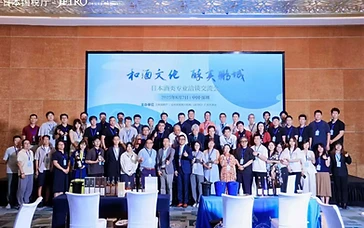
A commercial B2B guide exploring the wine market and trade opportunities in Chongqing. Discover Southwest China's inland logistics, shifting consumer preferences, and route-to-market strategies for wineries and distributors.
For international wineries, export consortiums, and national brand managers seeking expansion beyond China's Tier-1 coastal hubs, the inland megacity of Chongqing represents one of the most commercially strategic frontiers in Asia. As a direct-administered municipality with an administrative population exceeding 32 million people, Chongqing is not merely an expansive consumer base; it is the strategic hinge of the Chengdu-Chongqing Economic Circle and the primary logistics gatekeeper for the New International Land-Sea Trade Corridor.
While historic volume plays in China have consolidated, regional distribution across Southwest China is experiencing distinct premiumization and route-to-market modernization. According to trade data synthesized by the Observatory of Economic Complexity (OEC), China imported approximately $1.42 billion worth of wine annually as consumption recalibrates toward discerning, lifestyle-oriented occasions. For brand owners evaluating where to allocate commercial budgets, unlocking the wine market and trade opportunities in Chongqing requires an understanding of municipal import routes, evolving on-premise trade, and the operational realities of local distribution.
Chongqing's Strategic Position in the Southwest Wine Corridor
Chongqing functions as the industrial, financial, and logistical hub of Upper Yangtze commerce. Unlike coastal entry points such as Shanghai, Shenzhen, or Guangzhou, which often face market saturation and cutthroat channel competition, Chongqing offers access to an underserved, rapidly urbanizing interior. Together with neighboring Chengdu, the twin-city economic engine forms an inland economic cluster boasting over 100 million consumers.
The city’s geographic advantage is amplified by multimodal freight infrastructure. Through the China-Europe Railway Express (Yuxinou) and bonded logistics zones like the Chongqing Lianglu Guoyuan Port Comprehensive Bonded Zone, imported wine shipments can enter inland China directly via rail from Europe or via deep-water river barges from coastal ports. This logistical autonomy enables regional distributors in Chongqing to clear customs locally under the supervision of Chongqing Customs, reducing transit warehousing costs and coastal clearance bottlenecks.
To see how commercial producers are deploying regional strategies across China’s macro-regions, explore Market Insights.
Market Dynamics: Consumer Profiles and Consumption Settings
Historically dominated by Baijiu and local beer culture, Chongqing's beverage sector is diversifying rapidly. Understanding the commercial landscape requires analyzing the specific demographics and settings driving imported wine turnover.
1. The Rise of Casual and Lifestyle Consumption
As observed in national market outlooks, including research by Dezan Shira & Associates / China Briefing (2024), wine consumption across China is transitioning from rigid official gifting to authentic lifestyle, home consumption, and casual social dining. In Chongqing, a younger demographic of urban professionals—bolstered by disposable income and international exposure—is gravitating toward accessible, refreshing wine styles.
2. Gastronomic Pairing Realities
Chongqing cuisine (Yu cai) is globally renowned for its bold, spicy, and numbing (mala) flavor profiles centered around hot pot, chilies, and Sichuan peppercorns. Heavy, overly tannic, oak-dominant reds frequently clash with local dining habits. Consequently, regional distributors report growing commercial traction for:
- Aromatic and High-Acid Whites: Riesling, Sauvignon Blanc, and dry Torrontés.
- Off-Dry and Low-Tannin Profiles: Gewürztraminer, Moscato d'Asti, and fruit-forward Pinot Noir.
- Sparkling and Carbonated Styles: Prosecco, Cava, and Champagne, which cut through rich broths and provide an effervescent palate cleanser.
3. Shift from Heritage Labels to Value-Driven Quality
While Classified Growths and benchmark Australian labels retain prestige in corporate hospitality, the broader commercial volume in Chongqing is migrating toward certified organic, boutique estate, and biodynamic wines positioned between RMB 150 and RMB 400 retail. Buyers demand high cost-to-quality ratios, authentic provenance, and distinctive packaging.
Regulatory Compliance and Clearance via Chongqing Customs
Accessing Chongqing’s regional channels requires rigorous compliance with General Administration of Customs of China (GACC) mandates. Foreign wineries cannot afford compliance missteps during cross-border transit.
[Overseas Winery / Supplier]
             │
             ▼ (GACC Decree 248 Registration: CIFER Platform)
[Multimodal Inbound Freight] (Rail via Yuxinou or Maritime via Coastal Ports)
             │
             ▼ (Declaration & Inspection: Chongqing Customs District)
[Bonded Logistics Hub] (Lianglu Guoyuan Port Bonded Zone)
             │
             ▼ (Mandatory Chinese Back-Labeling & Testing: Decree 249)
[Customs Clearance / Certificate of Inspection]
             │
             ▼
[Tier-2 Regional Distributor / HORECA Direct Wholesaler]
- GACC Decree 248 & 249: All overseas manufacturing and processing facilities must hold valid registration numbers through China's CIFER system prior to export. Product packaging must conform to Decree 249 label mandates, displaying origin, importer details, ingredients, and storage conditions in simplified Chinese.
- Import Tariffs and VAT: Depending on trade agreements, basic customs tariffs vary (e.g., preferential 0% import tariffs for countries like Chile and New Zealand under bilateral FTAs, while standard MFN duties apply to others), coupled with a 13% Value-Added Tax (VAT) and a 10% consumption tax.
- Local Testing Protocols: Chongqing Customs conducts sampling for heavy metals, sulfur dioxide tolerances, and microbiological safety. Maintaining immaculate laboratory analysis certificates prior to dispatch eliminates demurrage charges in bonded facilities.
Evaluating Channel Architecture: Coastal Brokers vs. Local Chongqing Partners
When entering Southwest China, foreign producers typically choose between two primary distribution architectures:
| Commercial Factor | Coastal Mega-Importer Route | Direct Chongqing Regional Distributor Route | | :--- | :--- | :--- | | Supply Chain Velocity | Slower; dependent on coastal re-warehousing and secondary domestic logistics. | Direct clearance through Chongqing bonded ports; immediate deployment into regional cities. | | Channel Focus | Often prioritizes coastal Tier-1 markets (Shanghai, Guangdong); Southwest can be neglected. | 100% focused on local Tier-2/Tier-3 Southwest network (Chongqing, Guiyang, Luzhou, Yibin). | | Pricing Control | Multi-tiered markup (importer ➔ sub-distributor ➔ retailer) inflates shelf price. | Fewer intermediary margins allow competitive shelf pricing and healthier producer margins. | | Local On-Premise Access| Limited direct access to specialized Chongqing bistros, hot pot chains, and boutique wine bars. | Direct, long-standing relationships with regional HORECA decision-makers and regional retail. |
For most mid-sized wineries, establishing direct relationships with authorized Tier-1 and Tier-2 importers based directly in Southwest China prevents product lines from being buried in sprawling coastal catalogs. Selecting specialized regional distributors ensures that sales teams receive dedicated brand education and focused marketing push.
Actionable Route-to-Market Strategy for Exporters
To translate market potential into sustained case sales within Chongqing, brand principals should execute a phased, four-step expansion program:
- Portfolio Auditing for Regional Palates: Calibrate SKUs to ensure competitive entries in sparkling, fruit-forward aromatic whites, and soft-tannin reds. Ensure back labels comply strictly with GB 7718 standards before containerization.
- Inland Logistics Optimization: Evaluate the economics of shipping via rail through Central Asia directly into Chongqing’s inland dry port versus maritime shipping to Ningbo/Shenzhen followed by Yangtze barge transport. For premium wines sensitive to heat, temperature-controlled multimodal containers are non-negotiable.
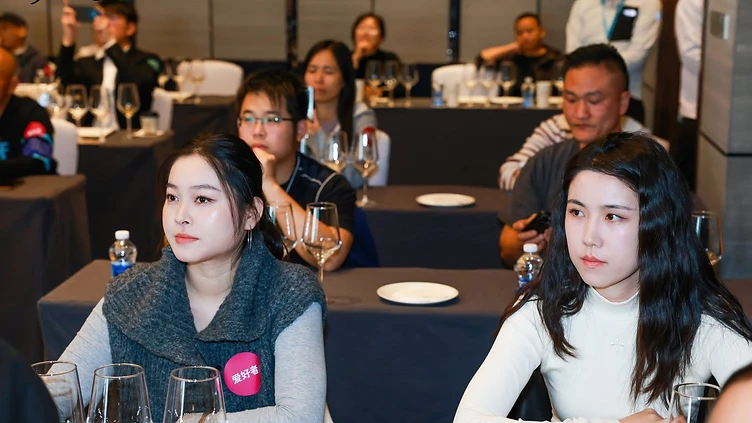
- Direct Engagement via Premier Trade Platforms: Entering secondary and tertiary regional networks requires face-to-face commercial vetting. Participating in major Chinese professional fairs enables wineries to meet verified regional buyers from Sichuan, Chongqing, Guizhou, and Yunnan. Brands looking to secure accredited commercial representation can Become an Exhibitor at Interwine's specialized expos.
- Structured Channel Support: Provide localized digital assets (WeChat brand booklets, food-pairing guides customized for spicy gastronomy) and commit co-op marketing support to assist regional distributors with local masterclasses and sommelier activations.
Wineries planning on-site market research and distributor negotiations can streamline their commercial travel arrangements through Book Your Visit and secure official facilitation via Invitation Letter and Visa Support.
Strategic Conclusion
The wine market and trade opportunities in Chongqing are expanding on the back of rising personal consumption, robust bonded logistics, and municipal trade modernization. While the market requires disciplined adherence to import protocols and an astute understanding of local culinary pairings, it offers an agile, high-growth alternative to China's saturated coastal entry points. Wineries and regional distributors that engage local trade partners now will build enduring channel advantages across Southwest China.
Sources
- Observatory of Economic Complexity (OEC): Wine in China Trade Data
- China Briefing / Dezan Shira & Associates: China's Wine Market Outlook (2024)
- EU SME Centre: China's Wine Market(s): Drivers, Technical Requirements and Opportunities
- Cambridge University Press / Journal of Wine Economics: What's Happened to the Wine Market in China? (2023)
Key Takeaways
- —Chongqing serves as the multimodal logistics hub for Southwest China, enabling direct customs clearance via rail and river bonded zones.
- —Local gastronomic habits favor high-acid whites, aromatic varieties, sparkling wines, and low-tannin reds that complement spicy Yu cuisine.
- —Lifestyle and personal consumption among urban millennials and professionals are outperforming traditional corporate banqueting volumes.
- —Partnering with dedicated Southwest regional distributors offers better margin protection and channel focus than generic coastal sub-distribution.
- —Strict regulatory compliance under GACC Decrees 248 and 249 is essential for seamless customs processing through Chongqing Customs.
Frequently Asked Questions
Why should international wineries target Chongqing instead of only coastal cities?
Coastal markets like Shanghai, Shenzhen, and Guangzhou face severe brand saturation and high distributor acquisition costs. Chongqing, an inland municipality of over 32 million people, serves as the commercial engine of Southwest China with less saturated channels, growing purchasing power, direct international logistics via the China-Europe Railway, and an expanding base of young lifestyle consumers.
What wine styles demonstrate the strongest commercial demand in Chongqing?
Due to the fiery and numbing profile of local Chongqing cuisine, high-acid white wines (such as Riesling and Sauvignon Blanc), aromatic varieties (Gewürztraminer, Moscato), sparkling wines (Prosecco, Cava, Champagne), and soft, low-tannin, fruit-forward reds perform significantly better in on-premise dining than heavily oaked, astringent red wines.
How are imported wines cleared into Chongqing?
Wines can enter Chongqing directly through multimodal bonded logistics zones, such as the Chongqing Lianglu Guoyuan Port Comprehensive Bonded Zone. Overseas producers must be registered under GACC Decree 248 (via the CIFER portal), provide compliant simplified Chinese back labels under Decree 249, and clear official sanitary inspection and testing conducted by Chongqing Customs.
What is the primary barrier for foreign wineries trying to sell in Southwest China?
The primary challenge is finding reliable regional distributors who actively develop local on-premise (bistros, wine bars, modern dining) and boutique retail accounts, rather than relying on coastal brokers who treat inland China as an afterthought. Attending major wine trade events like Interwine allows producers to meet pre-vetted regional buyers directly.
How does the China-Europe Railway Express impact wine logistics into Chongqing?
The China-Europe Railway Express (Yuxinou) connects Chongqing directly to European freight nodes (such as Duisburg and Madrid) in approximately 12 to 16 days. This provides a substantially faster shipping transit than maritime sea freight (which takes 35-50 days), reducing working capital cycles for mid-to-high-value wine consignments when temperature-controlled containers are utilized.