How to Find Wine Importers and Distributors in Xiamen
Discover how to identify, evaluate, and partner with leading wine importers and distributors in Xiamen. Learn about customs hubs, FTZ platforms, and strategic distribution in Fujian.
To find reliable wine importers and distributors in Xiamen, overseas producers must tap into Fujian province’s unique commercial ecosystem. This requires targeting bonded logistics hubs in the China (Fujian) Pilot Free Trade Zone, engaging state-backed supply-chain conglomerates like Xiamen C&D, accessing specialized digital platforms such as the Xiamen International Wine Trading Platform, and meeting prescreened buyers at premier South China trade events.
As one of mainland China’s top three entry points for bottled wine, Xiamen combines deep maritime logistics infrastructure, a wealthy local consumer base, and strong distribution ties reaching inland across Fujian, Jiangxi, and Guangdong. For international wineries seeking sustainable commercial growth, Xiamen provides an efficient gateway into the greater South China market.
Why Xiamen Is a Critical Gateway for China's Wine Trade
Xiamen has long served as a vital maritime trade gateway for foreign merchandise entering China. According to historical customs tracking reported by The Drinks Business, Xiamen quickly established itself as mainland China's third-largest port of entry for imported wine. Its geographical position directly across from Taiwan and adjacent to Guangdong and Zhejiang gives it substantial distribution reach into affluent coastal provinces and developing central markets.
The commercial core of Xiamen’s drinks trade is anchored in the China (Fujian) Pilot Free Trade Zone (FTZ). Within the FTZ, the Xiamen International Wine Exchange (XIWE) and the Xiamen International Wine Trading Platform operate comprehensive facilities designed for medium- and high-end imported wines. According to Xiamen C&D Inc. corporate disclosures, the digital international wine platform in Xiamen integrates whole-category product data, logistics infrastructure, and digital distribution connections to facilitate customs-cleared entry into Chinese channels.
Furthermore, according to market analysis published by MS Advisory in 2024, the overall Chinese wine market was valued at $40.4 billion in 2024 and continues to expand its digital and retail footprint. While Tier-1 metropolitan areas like Shanghai and Shenzhen experience intense brand saturation, Xiamen provides international wineries with an agile, commercially focused hub characterized by streamlined bonded warehousing, established trade routes, and lower entry friction.
Key Importers and Distributor Profiles in Xiamen
To develop a profitable route-to-market in Xiamen, wine exporters must understand the distinct operational categories of distributors active in the region:
-
State-Backed Supply Chain Conglomerates
Firms such as Xiamen C&D Inc. (Xiangyu Group and related trade divisions) offer extensive financial strength, automated customs clearance, and vast nationwide downstream networks. These conglomerates provide LIFT supply-chain financing, bonded storage, and nationwide freight distribution. They suit high-volume commercial producers capable of meeting rigorous delivery timetables and minimum order quantities. -
Specialized Brand Builders and Fine-Wine Importers
Established regional players such as Fond Wine, founded in Xiamen in 2007, build long-term brand equity across China. As noted by Vino Joy News reporting, Fond Wine manages premier global agency portfolios, representing major international wineries like Cono Sur and Trapiche. Specialist agencies of this tier focus on direct off-trade listings, regional restaurant channels, and corporate gifting networks across Fujian. -
Independent Regional Wholesalers and Trading Houses
Firms such as Fujian Moi Wines Co Ltd (headquartered in Xiamen's Xiangyu Building, as documented in the Beverage Trade Network directory) serve dedicated local wholesale accounts across Xiamen, Quanzhou, Zhangzhou, and Fuzhou. These mid-sized distributors specialize in mid-priced wines suited for corporate banquets, weddings, and local hospitality networks.
Practical Strategies: How to Find Qualified Buyers in Xiamen
Finding verified partners requires moving beyond unsolicited cold emails and leveraging China-specific commercial channels.
1. Leverage Bonded Free Trade Zone Platforms
Begin prospecting directly through the infrastructure established by the Xiamen Free Trade Zone Management Committee. The Xiamen International Wine Trading Platform provides dedicated bonded showroom space, climate-controlled warehousing, and administrative support for import compliance. Working with an operator licensed within the Xiamen FTZ allows foreign wineries to ship consolidated samples into bonded storage, enabling regional buyers to inspect and taste stock prior to paying domestic customs duty and consumption taxes.
2. Utilize Direct B2B Importer Databases and Customs Feeds
Commercial trade intelligence databases provide verified purchasing contacts for Chinese drinks merchants. Industry platforms like BestWineImporters profile over 35,000 verified global wine and spirits importers, detailing active Chinese buying operations, customs shipment tracking, and corporate leadership. Cross-referencing Fujian customs shipment declarations allows wineries to pinpoint which Xiamen traders actively clear wine consignments.
3. Participate in Face-to-Face Trade Platforms and Business Matching
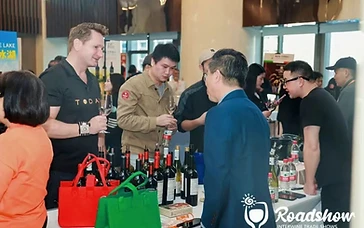
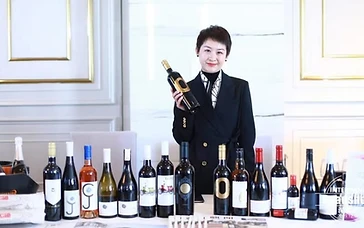
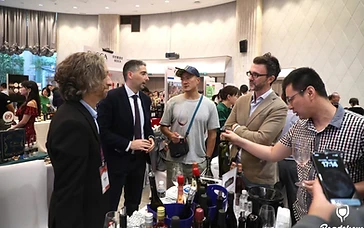
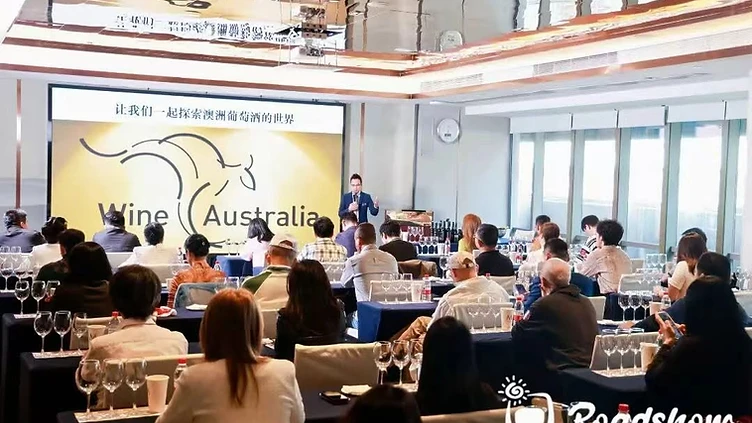
While online research helps build a prospect list, wine contracts in China rely heavily on personal relationships (guanxi) and sensory appraisal. Participating in specialized wine fairs gives producers immediate access to qualified regional procurement teams. Engaging in structured Business Matching connects international wineries directly with prescreened Fujian distribution directors. Producers looking to formalize their presence across South China can evaluate booth formats and buyer demographics by choosing to Become an Exhibitor at an upcoming Interwine trade event, where commercial buyers from Fujian regularly source new stock.
4. Monitor Regional Trade Dynamics via Industry Press
Fujian distributors adjust their inventory commitments around commercial consumption cycles, notably the Mid-Autumn Festival and Chinese New Year. Trade journalists at Vino Joy News (September 2024) observe that seasonal gifting seasons dictate annual purchasing targets among Xiamen distributors. Following vetted regional reports through News and Magazine keeps overseas export directors informed about pricing shifts and stock depletion rates before negotiating agency contracts.
Due Diligence: Vetting Xiamen Distribution Partners
Before executing commercial supply contracts or shipping ocean freight containers to Xiamen Port, conduct thorough due diligence across three core pillars:
- Regulatory Verification via GACC Registration: Ensure your import partner possesses a valid import-export license and active filing with the General Administration of Customs of China (GACC). Your foreign winery facility must also be registered under GACC Decree 248/249 before goods leave origin.
- Channel Specialization and Reach: Clarify whether the prospective partner focuses on on-trade venues (hotels, high-end restaurants), traditional wholesale networks, corporate B2B gifting, or e-commerce (such as JD.com or Douyin live-streaming). Aligning your wine’s pricing tiers with the distributor's primary selling environment prevents shelf discounting and brand erosion.
- Payment Terms and Currency Clearances: Clearly establish payment parameters. Reliable Chinese distributors typically work via irrevocable documentary Letters of Credit (L/C) or structured Telegraphic Transfer (T/T) deposits (e.g., 30% upfront on order placement, 70% against Bill of Lading copy prior to customs clearance).
Conclusion: Building Your Footprint in South China
Xiamen offers a compelling balance of modern logistics infrastructure, established bonded trade facilities, and a commercial pathway into the Fujian market. By partnering with vetted state logistics platforms, targeting specialist regional agency houses like Fond Wine, and building verified face-to-face buyer relationships, foreign producers can establish a lasting commercial presence in China's dynamic drinks sector.
Sources
- Xiamen C&D Inc. Corporate Communications (2022): Xiamen International Wine Operation Center: Digitalization + Innovation of Imported Wine Industry Facilitate the Upgrading of Core Chains — https://www.chinacnd.com/en/news-478.html
- MS Advisory (2024): Wine Market in China: Trends, Growth, and Consumer Behavior — https://msadvisory.com/wine-market-in-china
- Vino Joy News (February 2026): What China’s Top Wine Importers Are Saying About CNY Demand — https://vino-joy.com/2026/02/11/what-chinas-top-wine-importers-are-saying-about-cny-demand/4/
- Vino Joy News (September 2024): China’s Mid-Autumn Wine Market Faces Sluggish Sales, Importers Say — https://vino-joy.com/2024/09/06/chinas-mid-autumn-wine-market-faces-sluggish-sales-importers-say/
- The Drinks Business: Xiamen aims to become China’s biggest wine import city — https://www.thedrinksbusiness.com/2017/09/xiamen-aims-to-become-chinas-biggest-wine-import-city
- Beverage Trade Network Directory: Wine Importers in China — http://beveragetradenetwork.com/en/wine-importers-china-242.htm
Key Takeaways
- —Xiamen serves as mainland China's third-largest import port for bottled wine, supported by the Fujian Pilot Free Trade Zone.
- —Major local players range from state-backed supply-chain enterprises like Xiamen C&D Inc. to brand agency specialists like Fond Wine.
- —Bonded infrastructure, such as the Xiamen International Wine Trading Platform, offers lower tax friction and integrated logistics for overseas brands.
- —Vetting distribution partners requires verifying GACC import registrations, trade channel focus, and payment credit terms.
- —In-person commercial trade exhibitions remain the most effective vehicle to meet verified Fujian buyers and sign distribution contracts.
Frequently Asked Questions
Why is Xiamen an attractive entry port for imported wine in China?
Xiamen is ranked among China's top three entry ports for bottled wine. It provides advanced bonded logistics in the Fujian Pilot Free Trade Zone, fast customs clearance, and deep distribution reach into Fujian, Jiangxi, Zhejiang, and Guangdong.
What regulatory filings are needed before exporting wine to a Xiamen distributor?
Overseas wine producers must register their manufacturing facility under GACC Decrees 248 and 249 with Chinese Customs. Labels must comply with national food safety standards (GB standards), and the local importer must hold an official food business operation license.
Who are some established wine import and trading companies in Xiamen?
Notable players include state-backed supply chain enterprise Xiamen C&D Inc., international brand agency Fond Wine (representing producers like Cono Sur and Trapiche), and regional distributors like Fujian Moi Wines Co Ltd.
How do trade fairs help wineries secure distributors in Fujian?
Professional wine trade fairs provide direct, pre-screened meetings with active procurement managers from Xiamen and surrounding South China cities, bypassing cold communication and building critical commercial relationships through guided tasting.