Wine Market and Trade Opportunities in Shenzhen
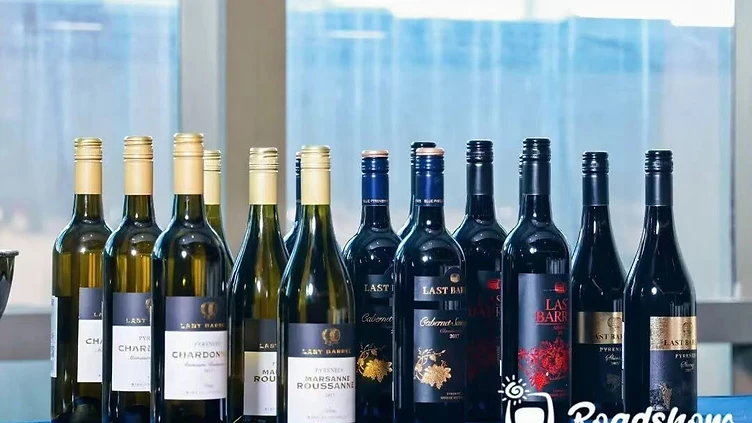
Discover how Shenzhen has transformed into the primary engine of South China's imported wine sector. Explore key data, trade dynamics, GBA logistics, retail channels, and market entry strategies for international producers.
Shenzhen stands at the strategic center of China’s dynamic alcoholic beverage trade. Driven by high disposable incomes, proximity to free-trade bonded ecosystems, and an adventurous demographic profile, the city offers international wineries and exporters a direct gateway to South China and the broader Guangdong-Hong Kong-Macao Greater Bay Area (GBA).
According to data from the USDA Foreign Agricultural Service (2025), China imported approximately $1.6 billion worth of wine and related products under HS Code 2204 in 2024, with tier-one hubs such as Shenzhen, Shanghai, Beijing, and Chengdu serving as core consumption and distribution centers. While lower- and mid-tier commercial labels face market consolidation across the country, Shenzhen displays a strong resilience driven by younger, digitally savvy professionals, sophisticated dining scenes, and high-volume retail buyers seeking premium selections.
Navigating this market requires an understanding of localized consumer shifts, compliance standards governed by the General Administration of Customs of the People’s Republic of China (GACC), and multi-channel distribution pathways.
The Greater Bay Area Engine and Shenzhen's Trade Status
Shenzhen is not merely a regional consumer market; it is an international logistics platform. Within the GBA—an economic megalopolis home to over 86 million residents—Shenzhen functions as the critical connection point between Hong Kong’s zero-tariff fine wine infrastructure and the vast mainland consumer base.
The city’s advanced bonded warehouse zones, such as Qianhai Comprehensive Bonded Zone and Yantian Free Trade Zone, allow wine suppliers to manage inventory with deferred duties and taxes. Wineries can ship mixed containers or pallets into Shenzhen’s bonded facilities, execute domestic compliance labeling, and dispatch inventory to distributors across South and Central China as orders materialize.
Customs clearance efficiency in Shenzhen is among the highest in mainland China. Leveraging digital tracking, dedicated cold-chain corridors, and consolidated GACC inspections, cross-border import timelines have shrunk significantly compared to historical standards. This logistics reliability protects high-value wines from heat damage and operational bottlenecks.
Consumer Dynamics: The Rise of Adventurous Consumption
Unlike traditional northern markets where imported red wine historically dominated formal banquet culture, Shenzhen's consumer demographic is distinctly younger, cosmopolitan, and exploratory. According to the USDA FAS Wine Market Update (2025), trade surveys in China highlight an increasing demand for white and sparkling wines, creating opportunities for diversified portfolios.
Several clear demand segments drive Shenzhen’s local scene:
- Aromatic Whites and Sparkling: Driven by warm, sub-tropical climates and Cantonese cuisine, demand for chilled Sauvignon Blanc, Riesling, Prosecco, Champagne, and pet-nat styles has expanded significantly across casual dining venues, coastal bistros, and hotel bars.
- Organic, Biodynamic, and Natural Wines: Shenzhen's affluent millennial and Generation Z demographic actively seeks sustainable viticulture, lower alcohol levels, and distinctive brand storytelling.
- Boutique and Regional Diversity: Rather than relying entirely on established Bordeaux classifications, local sommeliers, independent bottle shops, and wine bars in Futian and Nanshan districts curate selections featuring Burgundy, Barolo, Priorat, Marlborough, and Washington State.
Modern Distribution Channels: Retailers, Social Commerce, and On-Trade
Distribution models in Shenzhen are shifting rapidly away from traditional multi-tiered wholesale networks toward direct sourcing and digital integration.
Direct-Sourcing Warehouse Giants
Shenzhen hosts the most productive Sam's Club in the world (located in Futian), alongside Costco China hubs. The USDA Foreign Agricultural Service (2025) identified that mega-retailers like Sam’s Club and Costco are aggressively self-sourcing wine selections, accounting for a notable share of volume off-trade sales by offering vetted quality, private labels, and competitive consumer pricing.
Social Commerce and Livestreaming Integration
As highlighted in research from China Briefing (2024), e-commerce has emerged as a frontline distribution pillar, with data from IWSR projecting that China’s online beverage alcohol sector will expand at a compound annual growth rate (CAGR) of 6% through 2027. Shenzhen acts as the technological core of this ecosystem. Brands leverage local Multi-Channel Networks (MCNs) and Key Opinion Leaders (KOLs) on Douyin and Xiaohongshu (RED) to tell direct terroir stories, launch flash sales, and drive direct-to-consumer (D2C) brand awareness.
Premium On-Trade and Independent Specialty Retail
Shenzhen’s tech clusters in Nanshan and financial centers in Futian support hundreds of specialized wine bars, Michelin-recommended establishments, and modern Cantonese restaurants. These on-trade accounts look for authentic boutique imports with exclusive territory allocations, demanding agility and localized education from regional wine brand representatives.
Regulatory Requirements and Risk Mitigation
Operating successfully in Shenzhen requires compliance with Chinese trade and import regulations. Overlooking these baseline rules can cause customs delays or cargo rejection:
- GACC Decree 248 Registration: In compliance with GACC Decree 248 enforced since 2022, all foreign food and beverage manufacturing and storage facilities must be formally registered via the China Import Food Enterprise Registration system before shipping products.
- Standardized Chinese Back Labels (GB 7718): Finished goods must carry compliant Chinese labels detailing the legal product name, alcohol percentage, ingredients (including allergens like sulfites), net volume, vintage, country of origin, shelf life, and local importer credentials.
- Brand Trademark Protection: China operates strictly under a "first-to-file" intellectual property regime. Wineries must secure both their Latin brand name and their recognized Chinese phonetic transliteration with the China National Intellectual Property Administration (CNIPA) before introducing inventory to the market.
- Fluctuating Channel Margins: Producers must avoid channel conflict by establishing clear pricing architecture between wholesale distributors, on-premise accounts, and online retail operations.
Executing Market Entry and Scaling Distribution
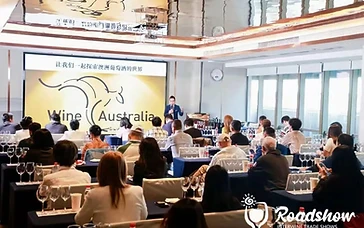
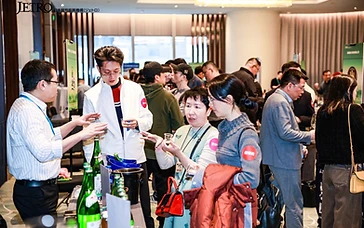
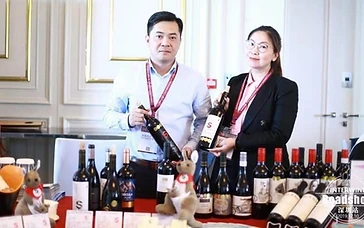
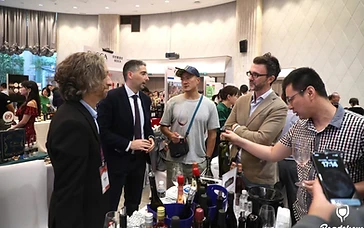
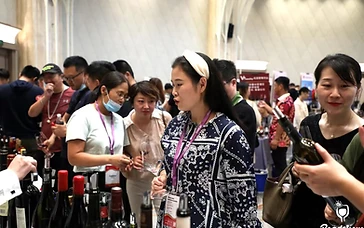
For international producers seeking entry into Shenzhen and the greater South China market, direct business-to-business engagement is vital. Digital channels build brand awareness, but sustainable commercial contracts with dependable GBA distributors rely heavily on face-to-face tastings, transparent pricing structures, and bilateral commercial alignment.
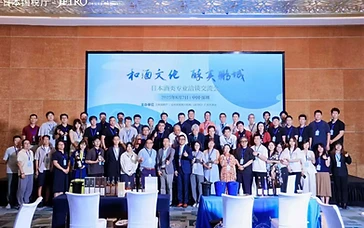
To establish long-term trading relationships in this active region, wine producers can analyze emerging consumer patterns via Market Insights and organize dedicated meetings with verified South China importers through tailored Business Matching services. For vintners prepared to capture direct wholesale, hotel, and retail buyers across the Greater Bay Area, securing a presence to Become an Exhibitor at upcoming regional trade fairs provides direct commercial momentum.
Sources
- USDA Foreign Agricultural Service: Wine Market Update 2025
- China Briefing: China's Wine Market Outlook: Trends and Opportunities
- EU SME Centre: China's Wine Market: Drivers, Technical Requirements and Opportunities
Key Takeaways
- —China imported $1.6 billion of wine in 2024 according to USDA FAS data, with Shenzhen serving as a prime consumption engine in South China.
- —Shenzhen benefits from the Greater Bay Area's integrated free-trade logistics, enabling bonded warehousing and fast domestic fulfillment.
- —Local consumer preferences are tilting toward aromatic whites, sparkling wines, and low-intervention bottlings driven by younger demographics.
- —Large warehouse retailers like Sam's Club and Costco are bypassing traditional wholesalers through direct sourcing, reshaping off-trade volume.
- —Compliance with GACC Decree 248 facility registration and early CNIPA trademark filings remain mandatory for market entry.
- —B2B trade fairs and dedicated business matching provide international wineries with vetted distribution partners across Guangdong.
Frequently Asked Questions
Why is Shenzhen an important entry port for imported wine in China?
Shenzhen provides advanced bonded logistics hubs like the Qianhai and Yantian zones, direct proximity to Hong Kong, and serves as the economic hub of the 86-million-resident Greater Bay Area with high per capita purchasing power.
What wine styles are seeing the fastest growth in Shenzhen?
According to the USDA FAS (2025), white and sparkling wines are witnessing rising demand, matching Shenzhen's warm climate, coastal dining culture, and younger demographic interest in pet-nat, Champagne, and refreshing varietals.
What are the mandatory customs requirements for importing wine into Shenzhen?
Wineries must be registered with China's GACC under Decree 248, provide compliant Chinese back labels meeting national food safety standard GB 7718, submit certificates of origin and analysis, and clear standard customs inspections.
How are major retail clubs changing wine distribution in Shenzhen?
Warehouse clubs such as Sam's Club and Costco increasingly bypass secondary brokers through direct bulk sourcing and private labeling, offering consumers high-value wines while moving large product volumes directly from overseas producers.
How can international wine producers connect with verified Shenzhen buyers?
Wineries can participate in premier B2B trade platforms like Interwine, leverage curated business-matching sessions, and collaborate with regional GBA distributors handling retail, e-commerce, and premium on-premise accounts.