How to Find Wine Importers and Distributors in Shanghai
A commercial B2B guide for wineries and spirits producers on identifying, vetting, and pitching wine importers and distributors in Shanghai, China's largest wine hub.
To successfully secure wine importers and distributors in Shanghai, international wine producers must combine targeted digital profiling, structured B2B matchmaking, on-the-ground trade show meetings, and rigorous commercial due diligence. Shanghai stands out as mainland China's most mature and concentrated import gateway, driven by a sophisticated on-trade hospitality scene, dynamic wine bars, and established retail channels.
According to Vino Joy News (2024), Shanghai continues to rank as the largest destination for wine imports in China, maintaining its leading hub status since 2019. However, navigating this market requires navigating beyond generic distributor listings. Export managers must target the tier of distribution that aligns with their winery's scale, price architecture, and brand narrative.
Understanding the Shanghai Wine Distribution Landscape
Shanghai serves as the corporate headquarters for national distribution powerhouses and specialized regional importers alike. Understanding who controls volume versus who drives boutique brand-building is the first step in positioning your portfolio.
National Tier-1 Importers vs. Boutique Specialists
As highlighted by trade analyses from Asia Pro Distribution (2026) and industry directories such as Beverage Trade Network, China's premium import landscape features a handful of dominant national operators—such as ASC Fine Wines, Torres China, and Summergate Fine Wines—alongside specialized regional firms like Roque Fine Wines.
- Tier-1 National Importers: Maintain multi-city logistics platforms, institutional corporate accounts, and extensive retail distribution. They seek brands with established international brand equity, large output volume, and marketing budget co-investment.
- Mid-Sized Regional Importers: Focus specifically on East China, supplying premium restaurants, private clubs, corporate gifting networks, and specialty retail shops across Shanghai, Jiangsu, and Zhejiang.
- Boutique & Natural Wine Importers: Catering directly to Shanghai’s independent bistros, natural wine bars, and trend-focused millennials. They focus heavily on provenance, low-intervention techniques, and sommelier education.
Key Channels to Find Shanghai Wine Importers
Finding active, licensed wine distributors requires using multiple, verifiable sourcing channels rather than relying on unsolicited cold outreach.
1. Curated Trade Fairs and Dedicated Business Matching
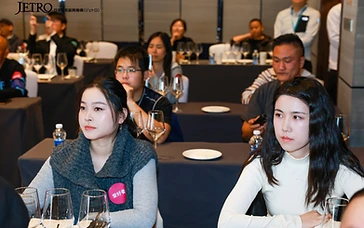
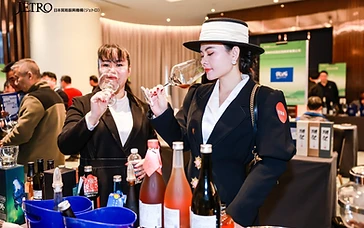
While Shanghai hosts major regional exhibitions, trade fairs across China provide direct access to East China buyers who travel across provinces to build their portfolios. Leveraging structured sourcing platforms—such as pre-vetted Business Matching—ensures export teams secure scheduled meetings with decision-makers before arriving on site.
Wineries evaluating the wider Chinese and Asian trade circuit should note key upcoming commercial dates:
- Guangzhou 2026: 16–18 November 2026
- Hanoi 2026 Roadshow: 20 November 2026
- Spring Guangzhou 2027: 7–9 May 2027 at the China Import and Export Fair Complex / Pazhou, Guangzhou
- Asia Roadshow 2027: Hanoi (11 May), Kuala Lumpur (13 May), Singapore (15 May), Bali (17 May)
- Vietnam 2027: 6–8 July 2027 at SECC, Ho Chi Minh City
- Autumn Guangzhou 2027: 31 October–2 November 2027 at China Import and Export Fair Complex / Pazhou, Guangzhou
Reviewing established directories such as the Exhibitor Directory also offers insight into which importer brands and regional distributors are currently expanding their supply partnerships.
2. Commercial B2B Importer Databases
Platforms such as BestWineImporters (2026) maintain verified datasets of Chinese wine and spirits importers, complete with purchasing director contacts, channel specializations (e.g., on-trade vs. e-commerce), and import histories. When utilizing database outreach, wineries must begin commercial preparation 6 to 10 weeks prior to any planned market visit.
3. Diplomatic Commercial Sections and Trade Boards
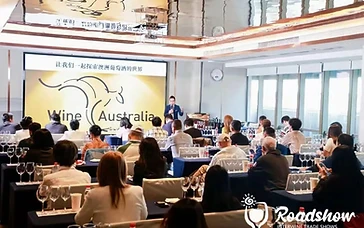
National export boards (such as Business France, ICEX, Italian Trade Agency, Wine Australia) and bilateral chambers of commerce in Shanghai maintain updated lists of licensed importers. They frequently organize private masterclasses and B2B table-top tastings matching domestic producers with Shanghai distributors.
How to Vet and Qualify Potential Importers
In China's fast-evolving beverage sector, having an import business license does not necessarily mean a company has active distribution infrastructure. Many entities function merely as parallel brokers or single-order traders. Comprehensive vetting is mandatory.
Verification Checklist for Shanghai Distributors
- Licensing & CIQ Compliance: Ensure the importer possesses valid business licenses with registered food/beverage import rights, GACC (General Administration of Customs China) overseas facility registration experience, and familiarity with China Inspection and Quarantine (CIQ) customs clearing protocols.
- Channel Specialization: Does their portfolio match your product tier? A distributor heavily weighted toward entry-level volume may struggle with single-vineyard biodynamic estates.
- Omnichannel Capability: As noted by Asia Pro Distribution (2026), online platforms account for roughly 28% of wine purchases in China. Modern distributors must possess active digital storefronts (such as Tmall, JD.com, or WeChat Mini Programs) or direct relationships with regional e-commerce operators, alongside traditional on-premise contacts.
- Warehousing & Cold Chain: Shanghai's humid, hot summers necessitate temperature-controlled warehousing, particularly for fine and un-oaked wines.
Distributor Evaluation Matrix
| Criteria | High Capability Partner | Moderate / Developing Partner | High Risk / Low Alignment | | :--- | :--- | :--- | :--- | | Channel Focus | Strong presence in Shanghai on-trade & boutique retail | Mainly corporate gift box sales | Pure online discounter or passive broker | | Sales Team | In-house WSET/sommelier trained team | General FMCG sales team | Sub-contracted third-party agents | | Storage | Dedicated temperature-controlled warehouse | Standard shared dry goods warehouse | Unregulated transit depot | | Portfolio Breadth | Balanced selection across origins; non-conflicting | Dominated by one monopolistic brand | Thousands of SKUs without marketing focus | | Brand Support | Active tasting events, masterclasses, WeChat presence | Only basic listing creation | Demands exclusivity with zero marketing spend |
Structuring Commercial Proposals for Shanghai Buyers
When presenting to Shanghai buyers, general brand folklore carries less weight than structured unit economics and channel margin protection.
Core Commercial Documentation Required
- Incoterms & Currency: Clarify EXW (Ex Works) or FOB (Free on Board) quotations in EUR or USD. Note whether your pricing accommodates Shanghai port customs clearance assistance.
- Channel Price Ladders: Shanghai sommeliers and premium retailers demand strict price protection. Clearly illustrate the margin progression from FOB to Landed Cost (including customs duty, 10% consumption tax, and 13% VAT), wholesale distribution price, and recommended on-trade/retail pricing.
- Sampling Protocol: Provide commercially registered sample shipments with proper Chinese back-label translation sheets to expedite customs sample inspections.
Hypothetical ROI and Contribution Margin Model
Disclaimer: The following financial calculation is a clearly labelled hypothetical example designed solely for commercial illustration. Actual margins depend on negotiated contracts, logistics rates, and tax categories.
- Annual Volume Exported: 1,200 9-liter cases (14,400 bottles)
- FOB Price to Importer: $6.00 per bottle
- Gross Export Revenue: $86,400
- Cost of Goods Sold (Production, Bottling, Packaging): $3.20 per bottle ($46,080 total)
- Gross Margin: $40,320 (Gross Margin %: 46.7%)
- Export Overhead & Marketing Support:
- Sample shipments & customs clearance: $3,500
- Exhibition presence & Business Matching participation: $6,500
- Importer masterclass and brand-launch allowance: $4,000
- Total Dedicated Costs: $14,000
- Net Contribution Margin: $40,320 – $14,000 = $26,320
- Contribution Margin Ratio: 30.5%
By running this analysis, brand owners can clearly understand how much promotional support they can offer their Shanghai partner while retaining profitable export returns.
Common Pitfalls When Partnering with Chinese Importers
- Granting Exclusive National Rights Too Early: Avoid granting exclusive mainland China distribution rights to an importer whose commercial reach is confined solely to Shanghai and the Yangtze River Delta. Limit exclusivity by territory, brand tier, or initial annual sales milestones.
- Failing to Register Chinese Trademarks: Secure your brand's international trademark and its Chinese transliteration (Chinese character trademark) directly with the CNIPA (China National Intellectual Property Administration) before shipping commercial samples.
- Neglecting Localized Education: Unlike markets with long-standing domestic cellar traditions, Shanghai consumers value sommelier engagement and educational dinners. Provide your importer with localized digital assets and Chinese tasting sheets.
Producers seeking deeper insights into market structures and retail trends can consult our dedicated Wine Import & Distribution section.
Conclusion: Accelerating Your Shanghai Market Entry
Entering Shanghai’s competitive wine sector demands rigorous vetting, clear commercial pricing ladders, and focused face-to-face engagement. Rather than spending months on unverified cold contacts, wineries achieve the fastest commercial traction by participating in targeted sourcing platforms.
Wineries and brand owners looking to schedule structured buyer meetings across Greater China and Asia are invited to explore specialized Business Matching programs to connect directly with pre-qualified regional distributors.
Sources
- Vino Joy News - China's Top 10 Wine Importers
- Beverage Trade Network - Wine Importers and Distributors in China
- Asia Pro Distribution - How to Find a Wine Importer in China
- BestWineImporters - ProWine Shanghai & Directory Resource
Key Takeaways
- —Shanghai remains the largest port of destination and retail consumption market for imported wine in mainland China.
- —Importers range from national powerhouses (ASC, Torres, Summergate) to boutique fine wine specialists catering to Shanghai's on-trade scene.
- —Online retail accounts for approximately 28% of Chinese wine purchases, making omnichannel capability an essential qualification for modern distributors.
- —Export managers must protect intellectual property by registering both Western and Chinese character trademarks prior to entering distribution contracts.
- —Structured business matching and trade fairs provide the most reliable pipeline for vetted, commercial distributor discussions.
Frequently Asked Questions
Why is Shanghai considered the central hub for wine imports in China?
According to trade reports from Vino Joy News (2024), Shanghai has consistently ranked as China's largest import destination for wine since 2019. The city features a high density of international dining venues, specialized wine bars, affluent consumers, and sophisticated cold-chain logistics hubs.
Should a winery grant national exclusivity to a Shanghai-based importer?
Generally, no. Unless the partner is a nationwide distributor with documented sales infrastructure across Tier-1 and Tier-2 provinces, it is advisable to grant territorial distribution rights (e.g., Shanghai and East China) tied to annual purchase volume benchmarks.
What regulatory approvals are needed before selling wine to an importer in Shanghai?
Foreign producers must be registered under China's GACC overseas food facility framework. The domestic importer must hold a licensed food circulation permit, custom declaration registration, and manage Chinese back-label compliance and CIQ sanitary inspection.
How early should a winery begin reaching out to importers before a trade event?
BestWineImporters recommends initiating structured outreach and targeted B2B contact between 6 to 10 weeks prior to a major exhibition or business trip to pre-schedule qualified buyer meetings.