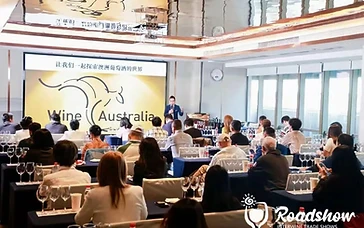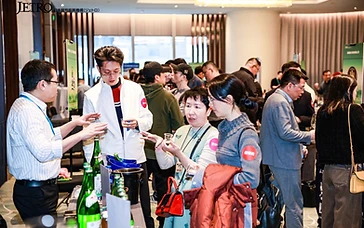
Chinese-language localization for Wineries Exhibiting in China
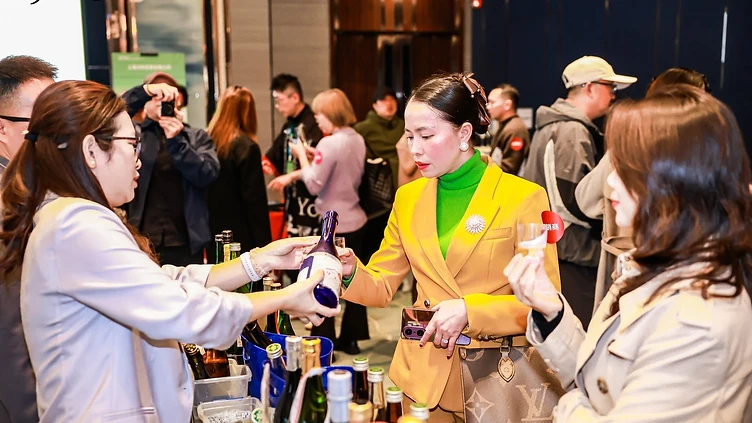
Mastering Chinese-language localization for wineries exhibiting in China is essential to turn trade show conversations into distribution agreements. Discover proven strategies for brand transliteration, mandatory GB 7718 back-label compliance, and digital B2B collateral.
For international wineries entering mainland trade fairs, language is either the primary barrier or the decisive competitive advantage. When professional buyers, importers, and regional distributors visit trade show floors in Guangzhou, Shanghai, or Shenzhen, booths that rely solely on English or European tasting collateral lose immediate momentum. Achieving successful Chinese-language localization for wineries exhibiting in China demands far more than verbatim machine translation. It requires strategic brand naming, regulatory alignment with National Food Safety Standards (GB 7718), sensory description adaptation, and digital integration tailored to Chinese B2B workflows.
Wineries that invest in thorough market localization accelerate business negotiations, reduce downstream compliance disputes, and establish credibility with regional partners. Before you become an exhibitor at upcoming expos, understanding how to communicate your portfolio in Simplified Chinese will determine your return on investment.
The Strategic Value of Chinese Localization on the Trade Show Floor
Mainland China remains a distinct, nuanced marketplace for imported wine. According to research published in Agribusiness by Bretherton and Carswell examining foreign wine strategies in China, language and cultural adaptation are pivotal to market penetration. The study highlighted that Chinese consumers and buyers respond most favorably to a combined approach: preserving the prestige of the original foreign brand name while backing it with an intentional Chinese transliteration that carries positive semantic connotations.
On the exhibition floor, Chinese wine buyers—encompassing tier-one importers, provincial distributors, hotel food and beverage directors, and private corporate procurement leads—review dozens of booths daily. While national corporate heads may speak conversational English, regional sub-distributors responsible for volume movement across second- and third-tier cities conduct transactions almost exclusively in Mandarin. Providing professional collateral in Simplified Chinese removes cognitive friction, demonstrates serious long-term commitment to the market, and empowers distribution representatives to pitch your portfolio accurately to their downstream accounts.
To maximize face-to-face engagements during organized business matching sessions, your brand must offer immediate clarity regarding terroir, price tiers, logistics, and flavor profiles in the local commercial vernacular.
Chinese Brand Naming: Transliteration, Meaning, and Legal Protection
Selecting a Chinese brand name (中文名) is a foundational brand asset. A poorly chosen name creates confusion, whereas a strong localized name evokes sophistication, heritage, and auspicious associations.
1. The Three Approaches to Wine Brand Naming
International producers generally employ one of three methodologies:
- Pure Phonetic Transliteration (音译): Matching the phonetic sounds of the original name using Chinese characters. While phonetically faithful, it can result in neutral or meaningless character combinations if not handled thoughtfully.
- Semantic Adaptation (意译): Translating the literal meaning or imagery of the winery (e.g., translating a name like "Black Ridge" or "Valley View" directly into Chinese natural descriptors).
- Combined Phonetic-Semantic Transliteration (音意结合): The gold standard in luxury and wine marketing. This method mimics the original phonetic pronunciation while deliberately selecting characters that convey elegance, prestige, nature, or prosperity. Examples in the market include renowned brands adapting their identities to incorporate characters like Lafite (拉菲 - Lā fēi), invoking refinement and fragrance.
2. Trademark Clearance and China's First-to-File System
Never print marketing banners or attend expos with a Chinese name that has not been subjected to formal trademark clearance. Mainland China operates strictly under a "first-to-file" intellectual property regime via the China National Intellectual Property Administration (CNIPA). International brands that have unveiled Chinese names publicly before securing class 33 trademark registrations have frequently fallen victim to trademark squatting, leading to prolonged legal battles or costly buyouts.
Technical Translation: Adapting Tasting Notes for Local Palates
One of the most frequent missteps by overseas wine estates is the direct translation of Western sensory metaphors. Descriptors standard in European tasting notes often fail to resonate or convey unappealing imagery when translated literally into Simplified Chinese.
As reported by The Drinks Business in an industry analysis on language barriers in China, literal translations of wine vocabulary create significant comprehension hurdles. Wine descriptors rely heavily on cultural nuance; capturing sensory dimensions requires culturally resonant metaphors rather than mechanical word-for-word rendering.
Sensory Equivalencies in Chinese Localization
- Gooseberry and Blackcurrant: Blackcurrant and gooseberries are largely unfamiliar to consumers outside specific northern pockets of China. Professional localized tasting sheets substitute or complement these terms with recognizable native flora and fruits, such as bayberry (杨梅 - yángméi), dried hawthorn (山楂 - shānzhā), Chinese plum, or dark wolfberry.
- Oak, Forest Floor, and Earth: Western descriptions referencing "damp earth" or "barnyard" risk sounding unhygienic or defective when directly converted into Chinese. Professional copywriters reframe these attributes around refined terminology like cedarwood (雪松), aged tea notes, dried mushrooms (香菇), or noble mineral terroir (矿物质感).
- Acidity and Tannin Framing: Describing a wine as having "sharp, aggressive acidity" can be perceived as an operational flaw. Chinese tasting materials often frame high acidity as crisp, lively, and appetite-stimulating (爽脆、生津), and tannins as silky, rounded, and dense (如丝绒般顺滑、紧致).
Reviewing relevant sector analyses across our market insights can assist producers in refining their stylistic presentation for local buyer expectations.
Mandatory Chinese Back-Label Compliance: National Food Safety Standard GB 7718
While exhibition samples entering China under temporary exhibition customs bonds or ATA Carnets may occasionally be granted display exemptions, any wine intended for commercial distribution, customs clearance, or direct delivery must comply with China’s National Food Safety Standard for the Labeling of Prepackaged Foods (GB 7718-2011) and related standards like GB 2758 for alcoholic beverages.
Presenting mockups or samples with fully compliant Chinese back-labels during an exhibition signals to professional importers that your winery is export-ready.
Required GB 7718 Label Elements
- Standardized Chinese Product Name (食品名称): Clearly indicating the true nature of the beverage (e.g., 干红葡萄酒 - Dry Red Wine).
- Ingredients List (配料表): Mandatory declaration starting with grape juice (葡萄汁) and declaring processing aids or additives such as sulfur dioxide (二氧化硫).
- Alcohol Content (酒精度): Expressed as percentage by volume (e.g., 14.0% vol).
- Origin and Production Details: Country of origin (原产国), production date (生产日期), and bottling date.
- Importer/Distributor Information: The registered name, address, and Mainland contact telephone of the Chinese distributor or agent (mandatory for final customs clearance).
- Storage Conditions and Mandatory Health Warnings: Temperature storage guidelines and standard regulatory warnings, including "Excessive drinking is harmful to health" (过量饮酒有害健康) and "Pregnant women and minors should not drink" (孕妇和未成年人请勿饮酒).
Ensuring that your printed sell-sheets accurately reflect these technical parameters reassures prospective partners that your supply chain will not experience customs delays.
B2B Marketing Collateral Checklist for Chinese Expos
Exhibitors must modernize their physical and digital trade collateral. In mainland China's mobile-first business ecosystem, handing a prospective distributor an English-only tri-fold paper brochure is virtually ineffective. Importers prioritize speed, digital shareability, and concise commercial specifics.
+-----------------------------------------------------------------------------------+
|                         EXHIBITOR B2B LOCALIZATION MATRIX                         |
+-----------------------+----------------------------------+------------------------+
| Asset Category        | Traditional Western Approach     | China Market Best      |
|                       |                                  | Practice               |
+-----------------------+----------------------------------+------------------------+
| Physical Collateral   | English multi-page booklet;      | Simplified Chinese     |
|                       | long family histories            | 1-page sell sheet;     |
|                       |                                  | clear FOB/CIF grids    |
+-----------------------+----------------------------------+------------------------+
| Digital Contact       | Business card with email address | Corporate WeChat QR    |
|                       | and phone number                 | Code + digital catalog |
+-----------------------+----------------------------------+------------------------+
| Brand Assets          | Native European estate name      | Dual English & cleared |
|                       |                                  | CNIPA Chinese trademark|
+-----------------------+----------------------------------+------------------------+
| Sensory Profile       | Cassis, gooseberry, brioche      | Hawthorn, bayberry,    |
|                       |                                  | red dates, tea tannins |
+-----------------------+----------------------------------+------------------------+
| Compliance Mockup     | Original producer back-label     | GB 7718-aligned mock   |
|                       |                                  | back-label attached    |
+-----------------------+----------------------------------+------------------------+
Essential Trade Assets to Localize
- B2B Tech Sheets (One-Pagers): Prepare individual A4 sheets in Simplified Chinese highlighting: regional appellation, vine age, annual production cases, harvesting method, oak maturation months, packaging formats, and logistics specifications (cases per pallet, container loading volumes).
- Commercial Pricing Tiers: Transparent pricing structures outlining Ex-Cellar, FOB (Free on Board) port of origin, and indicative CIF (Cost, Insurance, and Freight) pricing to major Chinese ports (e.g., Guangzhou, Shanghai, Shenzhen). Chinese distributors expect immediate clarity on margin potential.
- WeChat-Integrated Digital Mini-Sites or H5 Pages: Rather than heavy PDF downloads that load slowly behind international firewalls, create a localized mobile landing page or WeChat mini-program profile. Prospective buyers scanning your stand's QR code can instantly save your portfolio, press awards, and tasting notes to their personal accounts.
- Bilingual Table Tents and Badges: Clearly display the phonetic and Chinese names of your wines directly in front of the tasting bottles so visitors can immediately connect the liquid with the written name.
On-Site Execution: Staffing, Interpreters, and Commercial Follow-Up
Even with exemplary translated print materials, real-time booth engagement determines deal velocity. A winery principal who cannot communicate with non-English-speaking buyers risks missing lucrative supply contracts with provincial wholesalers.
Working with Specialized Wine Interpreters
Avoid hiring generic student interpreters unfamiliar with the wine trade. A commercial wine interpreter must understand technical terminology such as malolactic fermentation (苹乳发酵), residual sugar (残糖), maceration (浸渍), and vintage variations. Brief your interpreters thoroughly one day prior to the trade fair opening, covering wholesale price floors, regional distribution exclusions, and target volumes.
Mastering Post-Show WeChat Protocol
In the West, commercial follow-ups occur via corporate email over subsequent business weeks. In China, B2B deals happen dynamically inside WeChat. Ensure your booth personnel connect directly with buyers' personal or enterprise WeChat accounts during the meeting. Categorize contacts with clear tags (e.g., "Guangdong Distributor - Cabernet 500 cases") and follow up within 24 to 48 hours with localized digital tech sheets and high-resolution bottle photography.
Conclusion: Position Your Portfolio for Commercial Success
Localizing your wine brand for the Chinese market is not a mere cosmetic adjustment; it is an active risk-mitigation and sales-acceleration strategy. By securing compliant brand names, translating sensory characteristics into culturally rich descriptors, adhering strictly to GB 7718 standards, and delivering WeChat-ready commercial materials, international wineries stand out from competitors on the expo floor.
For wine producers ready to expand their footprint across mainland distribution networks, taking deliberate steps toward professional localization is the fastest route to meaningful commercial partnerships. Secure your stand and become an exhibitor to showcase your portfolio directly to verified regional buyers.
Sources
- Agribusiness (Wiley) / ResearchGate: Market Entry Strategies for Western Produced Wine into the Chinese Market
- The Drinks Business: Language and Brand Awareness Highlighted for China Market
- Beverage Trade Network: Interwine China: Gateway to Global Wines in the Chinese Market
Key Takeaways
- —Chinese brand naming requires a balanced transliteration-meaning approach and must be legally secured through CNIPA under China's first-to-file trademark rules.
- —Sensory tasting notes must be culturally adapted; replacing unfamiliar Western fruits like gooseberry with local analogs like hawthorn and bayberry drives comprehension.
- —Trade show collateral should emphasize commercial terms (FOB/CIF pricing, pallet counts) on single-page Simplified Chinese tech sheets rather than complex English narratives.
- —Displaying Chinese back-label mockups compliant with National Food Safety Standard GB 7718 reassures buyers of regulatory readiness and smooth customs clearance.
- —B2B follow-ups in mainland China rely on immediate WeChat integration rather than conventional email communication.
Frequently Asked Questions
Why is English-only marketing collateral ineffective at Chinese wine exhibitions?
While top-tier import executives may understand English, regional and provincial distributors who purchase significant volumes across second- and third-tier markets primarily conduct business in Mandarin. Providing Simplified Chinese tech sheets and digital materials eliminates communication friction and enables buyers to pitch your brand directly to downstream clients.
What is the best strategy for translating an international winery name into Chinese?
The most effective approach is combined phonetic-semantic transliteration (音意结合). This preserves the auditory recognition of the original foreign brand while selecting Chinese characters that convey positive, prestigious connotations such as nature, heritage, or prosperity.
Do wines brought only for trade fair exhibition need Chinese back-labels?
Wines strictly displayed under temporary customs bonds or ATA Carnet may receive display exemptions, but any bottles distributed as commercial samples, sold locally, or entered into normal commerce require Chinese back-labels compliant with GB 7718 and GB 2758. Showing pre-compliant mockups signals to importers that your winery is logistically prepared.
How should Western sensory descriptors be adapted for Chinese wine buyers?
Literal translations of unfamiliar Western fruits like gooseberry, blackcurrant, or elderflower often fail to resonate. Localization experts replace or pair these with recognizable local references such as Chinese hawthorn, bayberry (yangmei), dried plum, osmanthus, and distinct tea-like tannins.
What digital tools are mandatory for B2B buyer follow-ups at Chinese wine expos?
WeChat is the universal B2B communication tool in China. Exhibitors must feature clear WeChat QR codes on business cards and booth signage, directing buyers to mobile-friendly digital tech sheets, WeChat enterprise contacts, or dedicated mini-programs, followed by rapid 24- to 48-hour check-ins.