Where Chinese Wine Buyers Discover New Brands
Discover where Chinese wine buyers actively source new brands in 2025–2026. Explore data on domestic trade expos, digital ecosystems, B2B roadshows, and key importer buying criteria.
For international winery export directors, entering or rebuilding footprint in China requires understanding a fundamental shift: the Chinese wine trade has transformed from passive catalog buying to highly selective, channel-specific discovery. According to research published by Daxue Consulting (2026), China imported roughly 207 million liters of wine valued at USD 1.4 billion in 2025, with the average import price rising 21.79% to USD 6.86 per liter. This demonstrates that while speculative, low-end bulk volume has contracted, Chinese buyers are actively concentrating capital on distinctive, value-driven, and high-margin brands.
To secure distribution, export executives must know exactly where Chinese wine buyers discover new brands, how their evaluation criteria have shifted, and how to position a winery effectively across both physical trade environments and digital sourcing platforms.
The Shift in China's Wine Buyer Discovery Journey
Historically, Chinese importers relied heavily on visiting European production hubs or ordering established commercial labels. However, macroeconomic shifts, localized dining dynamics, and the rise of boutique wine bars have decentralized product discovery. As reported by Vino Joy News (2026), leading importers—ranging from national platforms like Wajiu Group and on-trade specialists like EMW Fine Wines to agile regional distributors—are pivoting away from banquet-driven volume toward personal consumption, dry white wines, sparkling categories, and authentic regional storytelling.
To capture market share in this disciplined climate, producers must understand the multi-channel discovery touchpoints where Chinese commercial buyers, regional sub-distributors, and sommeliers evaluate new portfolios.
1. Premier Domestic Trade Exhibitions and Regional Showcases
While overseas fairs (such as ProWein Düsseldorf or Wine Paris) draw top-tier national importers, the vast majority of China’s Tier-2, Tier-3, and regional distributors do not travel abroad to source wine. Instead, domestic exhibitions serve as their primary discovery engine.
In-Market Professional Expos
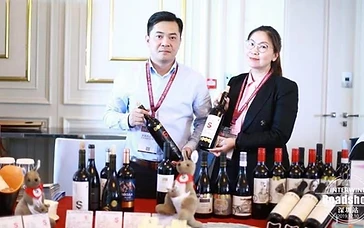
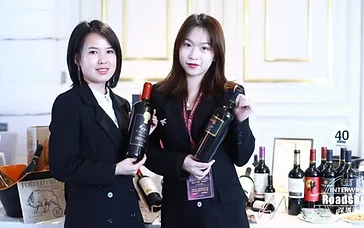
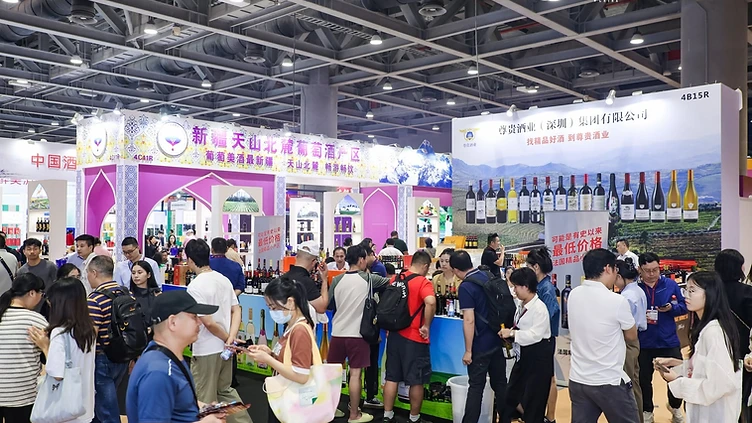
National and regional trade exhibitions hosted within mainland hubs—such as Guangzhou, Shanghai, and Chengdu—remain indispensable. In Southern China's Greater Bay Area, flagship gatherings such as INTERWINE provide direct access to thousands of registered importers, provincial distributors, corporate gift procurers, and high-end on-trade buyers. Export directors evaluating on-the-ground platforms can review the Exhibitor Directory to evaluate how peers position their portfolios.
Domestic expos allow buyers to conduct immediate sensory evaluation, verify origin credentials, and negotiate shipment parameters directly with brand owners or their accredited representatives.
Structured B2B Matchmaking
Modern Chinese buyers operate under severe time constraints. General exhibition foot traffic is increasingly supplemented by curated, pre-scheduled business meetings. Through dedicated initiatives like Interwine's Business Matching program, wineries are paired directly with verified importers seeking specific price bands, varieties, and regional styles, eliminating cold outreach inefficiencies.
2. City Roadshows and Sommelier-Led Masterclasses
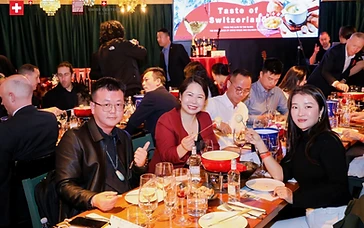
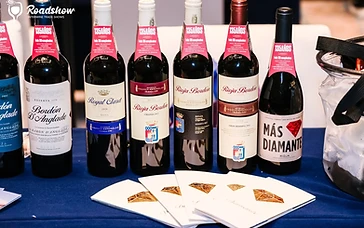
China’s wine market is not monolithic. Sourcing preferences in Southern China (Guangdong, Shenzhen) differ markedly from those in Eastern coastal centers (Shanghai, Hangzhou) or inland distribution hubs (Chengdu, Wuhan). Consequently, focused city-level roadshows have emerged as an essential channel where regional buyers discover boutique and premium producers.
- Regional Importer Association Tastings: Provincial beverage associations regularly organize regional showcases to connect local sub-distributors with newly cleared imported labels.
- Masterclasses & Educational Tastings: Chinese trade buyers frequently attend technical masterclasses conducted by Masters of Wine, renowned sommeliers, or certified educators. Wineries featured in these curated educational sessions gain immediate academic credibility and trade validation. Export directors can track regional promotional programs via Interwine Events.
3. The Digital Sourcing Ecosystem: WeChat, Little Red Book, and B2B Portals
Digital discovery among Chinese trade professionals operates entirely differently from Western sourcing channels. Traditional email campaigns and western trade directories generate minimal engagement; discovery in China is anchored in localized mobile platforms.
WeChat Mini-Programs and Ecosystems
Virtually all professional communication and commercial discovery among Chinese distributors occurs on WeChat. Importers use specialized B2B Mini-Programs and supplier groups to discover landed inventories, check real-time bonded warehouse stocks, and view wholesale price sheets. Establishing a verified corporate presence or partnering with an importer leveraging WeChat-integrated ordering systems is essential for ongoing trade visibility.
Little Red Book (Xiaohongshu) and Douyin Trends
While historically consumer-facing, platforms like Xiaohongshu (RED) have become critical market-intelligence tools for trade buyers. Importers and on-trade beverage directors monitor RED to identify viral lifestyle trends, trending varietals (such as dry whites, pet-nats, and German Rieslings), and novel packaging concepts before placing bulk import orders. Trade buyers use social engagement as a proxy for consumer receptivity.
4. Key Factors Chinese Buyers Evaluate When Discovering a New Brand
Discovering a brand is only the first step; commercial commitment requires passing rigorous operational filters. As noted by BestWineImporters (2026), Chinese importers function as gatekeepers who must navigate complex regulatory and fiscal environments. Successful brand integration depends on several critical elements:
| Evaluation Metric | What Chinese Importers Look For | Strategic Recommendation for Wineries | | :--- | :--- | :--- | | Landed Margin Viability | Cushion to absorb combined customs tariffs, 13% VAT, and 10% consumption tax. | Structure clear FOB pricing that allows tiered distribution margins across distributor levels. | | Regulatory Readiness | Compliance with GACC enterprise registration and GB label standards. | Prepare simplified Chinese back labels and required production documentation prior to buyer meetings. | | Localized Storytelling | Memorable brand narrative and culturally resonant Chinese brand name (zhongwen ming). | Establish an auspicious, phonetic Chinese brand identity (such as Penfolds' Ben Fu) to facilitate consumer recall. | | Channel Conflict Protection | Exclusive territorial or channel rights (on-trade vs. corporate gifting vs. e-commerce). | Avoid multi-distributor overlap within single provinces without distinct SKU separation. | | Co-Marketing Support | Tangible commitment to brand-building materials, tasting samples, and digital assets. | Allocate a dedicated promotion budget to support distributor tastings, local social seeding, and staff training. |
Translating Buyer Discovery into Sustainable Market Presence
For international wineries aiming to establish resilient distribution in China, waiting for overseas inquiries is no longer a viable strategy. Chinese buyers actively evaluate new brands in environments where they can touch the product, verify supplier commitment, and negotiate terms within their regulatory framework.
By combining focused participation in premier trade platforms with structured Business Matching and robust digital collateral, export managers can turn discovery into long-term commercial partnerships. Review our latest commercial intelligence in Market Insights and take the decisive step to meet qualified Chinese importers face-to-face by choosing to Become an Exhibitor.
Sources
- Daxue Consulting (2026): Chinese wine market: How consumers are drinking differently. https://daxueconsulting.com/chinese-wine-market/
- Vino Joy News (2026): What China’s Top Wine Importers Are Saying About CNY Demand. https://vino-joy.com/2026/02/11/what-chinas-top-wine-importers-are-saying-about-cny-demand/
- BestWineImporters (2026): A Wine Exporter’s Guide to Finding Buyers in China and Working with Chinese Wine Importers. https://www.bestwineimporters.com/blog/resources/a-wine-exporters-guide-to-finding-buyers-in-china-and-working-with-chinese-wine-importers/
- China Wine Competition (2024): China's Leading Wine Importers - A Comprehensive Guide for International Brands. https://chinawinecompetition.com/en/blog/insights-1/chinas-leading-wine-importers-a-comprehensive-guide-for-international-brands-238.htm
Key Takeaways
- —Chinese wine imports are skewing toward higher value, with average import prices rising 21.79% to USD 6.86 per liter in 2025 according to Daxue Consulting.
- —Regional distributors and second-tier buyers discover new brands predominantly at domestic exhibitions and city roadshows rather than international trade fairs.
- —B2B discovery in China is deeply integrated into mobile channels, notably WeChat Mini-Programs, business networks, and lifestyle platforms like Little Red Book (Xiaohongshu).
- —Importers prioritize commercial readiness, including GACC registration compliance, healthy distribution margins, and localized Chinese brand names.
- —Proactive participation in structured matching sessions and major regional expos remains the most reliable gateway to verified Chinese wine buyers.
Frequently Asked Questions
Where do Chinese wine importers primarily discover new international wineries?
Chinese wine importers discover new brands primarily through major domestic trade exhibitions (such as INTERWINE), regional sommelier masterclasses, specialized B2B matching events, and localized mobile ecosystems like WeChat and Little Red Book.
Do Chinese regional distributors attend international wine expos in Europe or America?
While top-tier national importers may attend major overseas fairs, the majority of regional, provincial, and Tier-2/Tier-3 city distributors rely almost exclusively on domestic Chinese trade fairs and local roadshows to discover and sample new labels.
What documentation do Chinese wine buyers require before signing an import contract?
Buyers require the foreign winery to have valid General Administration of Customs of China (GACC) facility registration, official Certificates of Origin, sanitary/health certificates, accurate laboratory analysis reports, and compliant Chinese back-label translations.
Why is a localized Chinese brand name essential for buyer discovery?
A well-crafted Chinese name (Zhongwen ming) facilitates phonetic recall, conveys positive cultural associations, protects brand trademarks locally, and makes it practical for domestic sales teams, sommeliers, and retailers to market the wine across internal networks.
How has product demand changed among Chinese wine buyers recently?
Buyers have diversified from traditional heavy red wines toward lighter varietals, crisp dry whites, and sparkling styles, driven by younger consumers, independent wine bars, and personal dining occasions rather than formal government banquets.