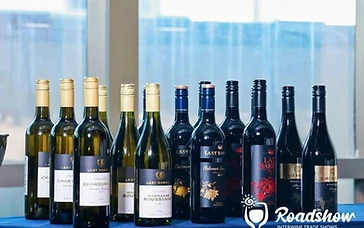
How Australian Wineries Can Enter China

A commercial roadmap for Australian wineries entering mainland China following tariff removal, covering GACC compliance, route-to-market strategies, and B2B expansion.
For Australian wineries, the reopening of the mainland Chinese market represents a high-potential export frontier, yet succeeding requires a modernized commercial strategy rather than relying on pre-tariff legacy playbooks. Following the formal removal of punitive anti-dumping tariffs in early 2024, Australian producers face a transformed beverage landscape. According to Wine Australia's 2024 Market Bulletin (Issue 309), mainland China's total domestic and imported wine consumption contracted significantly between 2017 and 2022, while competing import sources like France, Chile, Italy, and Spain experienced notable declines in 2023 import values.
However, consumer brand sentiment remains distinctly favorable: Wine Intelligence research cited by Wine Australia in 2024 reported that 88% of imported wine drinkers in China remained proud to serve or recommend Australian wine, assigning the country's portfolio an average quality score of 8.49 out of 10. Navigating this demand successfully hinges on rigorous regulatory execution, an aligned pricing architecture, and direct engagement with reliable regional importers.
Step 1: Navigating Customs and GACC Compliance
Regulatory protocols for mainland China have tightened substantially over recent years. Australian producers entering or re-entering the market must address strict documentation and registration frameworks before shipping commercial stock.
General Administration of Customs China (GACC) Decrees 248 and 249
Effective January 1, 2022, the General Administration of Customs China (GACC) mandated that all overseas food and beverage manufacturing, processing, and storage facilities register under Decree 248 before clearing Chinese customs. Australian wineries must secure their enterprise registration number via the China Import Food Enterprise Registration (CIFER) portal. Shipments lacking an active registration number will face port rejections or immediate return.
National Food Safety Standards (GB Standards) and Additives
Australian winemakers must ensure all exported lots comply with China's National Food Safety Standards (GB Standards), specifically GB 2758 (fermented alcoholic beverages) and GB 2760 (use of food additives). Certain oenological practices, sulfur dioxide threshold limits, processing aids, and residual parameters that meet domestic Australian standards or international Codex guidelines require meticulous laboratory verification to ensure conformity with Chinese maximum residue limits.
Label Compliance and Mandatory Chinese Back Labels
Every commercial bottle cleared for retail distribution must feature a compliant Chinese back label. Key regulatory details required under Chinese packaging laws include:
- The exact Chinese product name and wine style.
- An accurate list of ingredients (including processing aids or preservatives like sulfur dioxide/sulfites).
- Alcohol by volume (ABV) stated as a precise percentage.
- Name, address, and verified contact details of the registered Chinese importer/distributor.
- Country of origin, production batch date, and storage guidance.
- Mandatory health warning statements.
Wineries should verify translations and label designs with experienced regulatory clearance specialists before printing to prevent warehouse relabeling costs upon arrival.
Step 2: Route-to-Market and Regional Segmentation
Selecting the appropriate distribution model is decisive for long-term commercial margins and volume sustainability. China is not a uniform market; distribution strategies must account for tiered regional differences.
Tier 1 Hubs vs. Tier 2 and Tier 3 Cities
While Tier 1 powerhouses (Shanghai, Beijing, Guangzhou, and Shenzhen) offer high baseline wine literacy, mature sommelier cultures, and modern retail ecosystems, they also feature fierce competition and saturated on-premise lists. Conversely, expanding commercial hubs across the Greater Bay Area, Yangtze River Delta, and select Tier 2 provincial capitals present higher distributor loyalty and steady off-premise banquet consumption. Australian regional varieties—such as Barossa Shiraz, Coonawarra Cabernet Sauvignon, and Margaret River Chardonnay—benefit from targeting provincial distribution partners with established corporate, gifting, and regional hospitality networks.
Selecting the Right Commercial Importer
Wineries must evaluate prospective Chinese partners beyond immediate purchase order volume. Key operational benchmarks include:
- Warehousing Infrastructure: Verified temperature-controlled logistics throughout seasonal extremes, safeguarding premium wine integrity during transit through southern and inland ports.
- Market Transparency: Open traceability into secondary wholesale tiers, ensuring the brand avoids unchecked discounting in distressed sub-channels.
- Channel Focus: Alignment between your winery's scale and the importer's strengths (e.g., direct corporate hospitality, private client clubs, high-end gastronomy, or national modern trade).
To review and monitor target buyer segments across China, Australian exporters can consult Market Insights and study historical trade data on the Exhibitor Directory.
Step 3: Portfolio Pricing and Market Positioning
China's imported wine sector has embraced structural premiumization. Competing solely at the extreme bulk or budget commodity tier presents compressed margins due to domestic liquor competition and value-driven South American imports.
The Growth of Premium and Regional Identities
Export Finance Australia observed in its 2024 World Risk Developments analysis that global beverage consumers increasingly drink less volume while paying more per bottle. For Australian producers, commercial leverage rests on verified regional narratives, estate-grown heritage, and certified organic or sustainable practices. Single-vineyard expressions and regional flagships command stronger price realization and shelf insulation against macroeconomic shifts.
Tariffs, Duties, and Landed Cost Modeling
While the punitive anti-dumping duties imposed in 2020 have been dismantled, standard import duties, Value Added Tax (VAT), and domestic consumption taxes remain payable upon customs clearance. Exporters must develop comprehensive landed-cost calculators that project retail pricing after factoring in maritime freight, customs handling, distributor markups, and local transport logistics. Maintaining consistent pricing integrity across online platforms and offline channels is essential to prevent distributor conflicts.
Step 4: Establishing In-Market Presence and Trade Engagement
Export relationships in mainland China depend heavily on direct business engagement, relationship cultivation (guanxi), and firsthand sensory evaluation. Long-distance communication rarely replaces in-person wine presentation.
In-Person Buyer Sourcing
Chinese beverage distributors, enterprise purchasing directors, and regional wholesalers prioritize sampling wines directly with estate winemakers and principal export managers. Organizing dedicated masterclasses, structured tastings, and participating in focused trade fairs across top commercial hubs enables wineries to establish brand credibility.
Producers seeking qualified regional distributors should evaluate exhibiting at major industry trade gatherings. Wineries can directly Become an Exhibitor at INTERWINE to engage face-to-face with professional importers, provincial wholesalers, and enterprise buyers across southern China and the Greater Bay Area. Exporters requiring commercial matchmaking support can also leverage curated Business Matching programs, while management teams planning their travel schedule can review formal logistical arrangements via Invitation Letter and Visa Support.
Practical Market-Entry Checklist
- GACC Entity Registration: Ensure your facility's CIFER registration is completed and approved before shipping commercial samples or containers.
- Laboratory Compliance: Obtain full analytical testing for standard limits and food additive compliance (GB 2758 and GB 2760) from accredited Australian oenological laboratories.
- Label Review: Finalize compliant Chinese back labels with designated importer details, batch coding, and mandatory warnings prior to production runs.
- IP Trademark Safeguards: Register Chinese and Latin trademarks directly with the China National Intellectual Property Administration (CNIPA) to prevent predatory trademark squatting.
- On-the-Ground Trade Sourcing: Meet prospective distribution partners in person through high-level trade platforms to negotiate clear sales boundaries, volume targets, and channel allocations.
Conclusion
Rebuilding distribution in China offers substantial commercial upside for Australian wineries equipped with disciplined regulatory compliance, targeted geographic focus, and a strong brand narrative. By securing mandatory GACC approvals, engineering realistic landed price models, and meeting verified commercial buyers face-to-face, Australian wine businesses can capture enduring distribution across the country's most lucrative regional markets.
Sources
- Wine Australia – The new opportunities for Australian wine in China (Market Bulletin Issue 309, 2024): https://www.wineaustralia.com/news/market-bulletin/issue-309
- Wine Australia – China Export Market Guide: https://www.wineaustralia.com/selling/export-market-guide-china
- Export Finance Australia – Australia—Wine exports rise as markets diversify beyond China (September 2024): https://www.exportfinance.gov.au/resources/world-risk-developments/2024/september/australia-wine-exports-rise-as-markets-diversify-beyond-china
- Wine Australia – Export Report June 2024: https://www.wineaustralia.com/news/media-releases/export-report-june-2024
Key Takeaways
- —Overseas wineries must complete GACC registration under Decree 248 via the CIFER portal before commercial wine exports can clear Chinese customs.
- —Wine formulations and analytical parameters must strictly adhere to China's GB Standards (GB 2758 and GB 2760) for alcohol content, additives, and residue tolerances.
- —Wine Australia (2024) data indicates that 88% of imported wine consumers in China maintain high sentiment toward Australian wine quality despite historical import hiatuses.
- —A successful route-to-market requires balancing saturated Tier 1 metropolitan areas with high-growth Tier 2 and Tier 3 regional distribution hubs.
- —In-person buyer engagement and verified trade trade shows remain the most effective methods to secure stable, professional Chinese wine importers.
Frequently Asked Questions
What registrations are mandatory before shipping Australian wine to China?
Wineries must register their production and storage facilities with the General Administration of Customs China (GACC) under Decree 248 using the CIFER platform. Shipments must also adhere to National Food Safety Standards (GB 2758 and GB 2760) and display compliant Chinese back labels detailing importer credentials and product specifications.
What is consumer perception of Australian wine in China following the tariff removal?
Consumer sentiment remains strong. According to Wine Australia's 2024 market analysis citing Wine Intelligence research, 88% of surveyed imported wine drinkers in mainland China were proud to recommend or serve Australian wine, awarding it an average quality rating of 8.49 out of 10.
Should Australian wineries focus on Tier 1 or Tier 2 cities in China?
A balanced strategy is recommended. While Tier 1 cities like Shanghai and Guangzhou offer sophisticated dining cultures and baseline wine awareness, regional Tier 2 and Tier 3 cities across coastal provinces and the Greater Bay Area present significant demand for corporate gifting, private clubs, and banquet distribution with less retail shelf saturation.
How can Australian wine producers connect directly with qualified Chinese wine importers?
Producers can establish verified distribution ties by participating in dedicated B2B trade platforms such as INTERWINE, engaging in curated business matching sessions, and organizing direct educational masterclasses with regional beverage associations and commercial distributors.