How Brazilian Wineries Can Find Importers in China
Discover how Brazilian wineries can secure qualified importers in China. Learn market positioning, GACC compliance, pricing tiers, and direct buyer matchmaking routes.
To succeed in China's dynamic beverage ecosystem, Brazilian wineries must move beyond opportunistic sample shipping and deploy an integrated, region-specific route-to-market strategy. Finding reliable Chinese importers requires establishing distinct product differentiation—spearheaded by Brazil's world-class sparkling wines (Espumantes) and elegant, low-tannin reds—while securing regulatory compliance under General Administration of Customs of China (GACC) Decree 248 and engaging buyers through verified, in-person trade networks.
Historically overshadowed by regional neighbors like Chile and Argentina, Brazilian viticulture possesses an exceptional value proposition: fresh, fruit-forward profiles, award-winning Traditional Method and Charmat sparkling wines, and distinctive terroir from Serra Gaúcha, Campanha Gaúcha, and the São Francisco Valley. Capturing distribution in mainland China requires aligning this product offering with the distinct operational and commercial expectations of Chinese wine distributors.
Understanding the Chinese Wine Buyer and Portfolio Fit
Chinese wine importers operate as regional commercial gatekeepers, managing customs clearance, domestic logistics, bonded warehousing, and offline distribution into tier-1, tier-2, and tier-3 hospitality and corporate gifting networks. According to market analysis by the EU SME Centre (2024), the Chinese wine market is undergoing a structural self-adjustment: demand for generic, low-cost bulk wine has declined, while trade buyers increasingly prioritize authentic branding, distinct regional typicity, and high perceived value.
For Brazilian producers, competing head-to-head in entry-level, heavy-tannin Cabernet Sauvignon against tariff-advantaged Chilean labels is rarely commercial viable. Instead, Brazilian exporters find success across two defined niches:
- Premium Sparkling Wine (Espumante): China's younger, urban demographic in major coastal cities shows rising affinity for celebratory, refreshing, low-alcohol, and sparkling categories. Brazil's high-acidity Moscatel and crisp Brut sparkling wines provide a compelling counterpoint to Prosecco and Champagne.
- Boutique Terroir Expressions: Micro-cuvées, Merlot, Tannat, and Marselan from southern Brazil appeal to independent specialty distributors, boutique wine bars, and fine-dining establishments in tier-1 metropolises like Shanghai, Guangzhou, and Shenzhen.
Importers evaluate foreign suppliers primarily on margin reliability, brand consistency, and cooperative promotional support. Reviewing current macro trade shifts on the Market Insights hub will help export directors formulate viable volume and price-tier benchmarks before pitching Chinese trade buyers.
Navigating GACC Regulations, Certification, and Labeling
Operational preparedness is the first filter an importer uses to assess supplier viability. Regulatory oversights at Chinese ports can result in sample confiscation or prolonged customs delays, eroding distributor confidence before shipments even depart Santos or Rio Grande.
Single Window GACC Registration (Decrees 248 & 249)
All overseas production, processing, and storage facilities exporting wine to China must register with the General Administration of Customs of China (GACC) via the official CIFER (China Import Food Enterprise Registration) platform. As an alcoholic beverage producer, your facility must be registered and approved before customs paperwork is lodged. The issued 18-digit GACC registration number must appear both on the outer export packaging and on the commercial shipping documentation.
Labeling Standards (GB 7718 and GB 15037)
Imported wine must conform to Chinese National Food Safety Standards, specifically:
- GB 7718: General standard for the labeling of prepackaged foods.
- GB 15037: Specific national product standard governing wine production, volatile acid thresholds, total sulfur dioxide limits, and classification metrics.
Chinese back labels must state the wine type, legal product name, country of origin, alcoholic strength by volume (ABV), grape varietals, vintage (if applicable), net content, production date, storage conditions, and the domestic importer’s registered name, address, and contact details. Brazilian producers should coordinate closely with their importer's customs broker to verify label proofs prior to printing commercial runs.
Channels for Identifying and Qualifying Chinese Wine Importers
Building an effective distribution pipeline requires engaging qualified trade partners rather than relying on unverified internet directories. Brazilian wineries should approach buyer acquisition through a multi-tiered framework.
1. Dedicated B2B Matching and Industry Trade Fairs
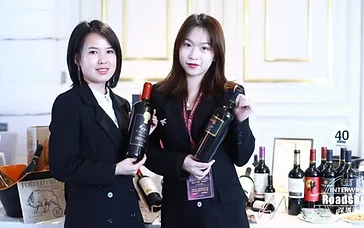
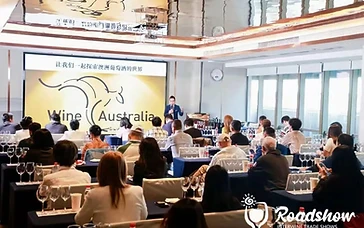
Nothing replaces face-to-face interaction when establishing commercial relationships (guanxi) with domestic distributors. Brazilian trade missions organized under collective banners—such as the historic participation of Wines of Brasil at Interwine China—demonstrate how national pavilions elevate brand prestige and attract municipal-level distributors seeking novel origins. Rather than walking vast halls passively, producers can secure qualified meetings by joining a pre-scheduled Business Matching program, linking directly with thoroughly vetted buyers from regional wholesale associations.
Producers seeking to plant a physical commercial flag in southern China's high-volume market can learn how to Become an Exhibitor at upcoming expos to engage multi-province distributor networks in one centralized forum.
2. Specialized Trade Buyer Databases
Platforms such as BestWineImporters (2026) provide verified company listings with historical import records, contact personnel, and existing portfolio structures. Cross-referencing prospective partners against customs shipping bills ensures your sales team pitches firms with active alcohol import licenses and demonstrable solvency.
3. Diplomatic and Institutional Trade Initiatives
Wineries should actively engage Brazil’s Ministry of Foreign Affairs (Itamaraty) through the Trade Promotion Sectors (SECOM) at the Brazilian Embassy in Beijing and Consulates-General in Shanghai and Guangzhou, alongside ApexBrasil (Brazilian Trade and Investment Promotion Agency). These entities routinely organize targeted B2B roadshows, retail pop-ups, and sommelier masterclasses that introduce qualified buyers to Brazilian regional wines.
Screening Partners: Commercial Due Diligence
Selecting the wrong importer can stall a winery's presence in China for years. When evaluating prospective distributors, wineries should conduct rigorous commercial checks:
| Assessment Area | Key Diligence Questions | Critical Red Flags | | :--- | :--- | :--- | | Geographic Reach | Does the buyer control logistics across multiple provinces, or are they dominant in a specific regional hub (e.g., Greater Bay Area, Yangtze River Delta)? | Promises of immediate nationwide coverage without dedicated sales teams. | | Portfolio Synergy | Do they currently carry competing South American brands, or does Brazilian Espumante plug an obvious white space? | Overcrowded portfolios where your label will languish without dedicated brand managers. | | Channel Specialization | Are their primary accounts situated in high-end on-premise (hotels, restaurants), corporate gifting, or e-commerce? | Demanding steep promotional discounts for high-churn, price-slashing e-commerce flash sales. | | Financial Stability | Are they willing to conduct transactions under standard international credit or trade finance terms (e.g., 30% deposit with balance against Bill of Lading)? | Reluctance to provide trade references or requesting open-account payment terms on initial orders. |
Conducting commercial research on peer participation in the Exhibitor Directory can also reveal which tier-1 distributors are actively expanding their global wine representation.
Structuring Pricing, Exclusivity, and Joint Marketing
Chinese wine distributors operate with substantial logistics overheads, warehousing tariffs, and channel rebates. For Brazilian producers accustomed to Mercosur tariff advantages, entering China means facing standard Most-Favored-Nation (MFN) tariff structures:
- Import Customs Duty: 14% on bottled still and sparkling wine
- Value-Added Tax (VAT): 13%
- Consumption Tax: 10%
Because the cumulative tax compounding increases landed wholesale prices by approximately 40–45% over CIF values, your export pricing structure must preserve sufficient operating margins for the domestic tier:
- Protect Realistic Price Cascades: Set factory-gate (EXW) or FOB pricing that enables the Chinese importer to offer competitive margins (typically 25–40%) to regional sub-distributors and retailers while maintaining a coherent retail price point (RMB).
- Manage Exclusivity Pragmatically: Avoid offering broad, nationwide exclusive distribution contracts to untested partners. Instead, structure exclusivity around clear regional milestones (e.g., Guangdong or East China) or specific product SKUs, tying contract renewals to minimum order volume (MOV) quotas.
- Commit to Shared Brand Building: As highlighted by trade veteran Michele Taccetti via EU SME Centre (2024), long-term brand equity in China depends fundamentally on continuous marketing, tasting education, and localized collateral. Allocate a discretionary 3–5% marketing rebate fund per container shipment, earmarked specifically for bilingual brand sheets, digital masterclasses, and local hospitality events.
For additional operational perspectives and brand strategies, browse the latest features in the News and Magazine section.
Conclusion: Accelerating Your Path to Market
China represents a rewarding but exacting export market for Brazilian wineries. By focusing on competitive advantages—notably high-quality sparkling wines and terroir-driven boutique varietals—maintaining strict GACC and GB regulatory adherence, and pursuing targeted, face-to-face buyer discovery, Brazilian cellars can establish durable, highly profitable distribution pipelines. Establishing a presence at primary industry gatherings and building long-term institutional relationships remains the single fastest route to turning initial commercial interest into sustained container shipments.
Sources
- EU SME Centre. (2024). China's Wine Market Case Study Series: Michele Taccetti on Exporting Wine, Forging Alliances, and Branding. https://www.eusmecentre.org.cn/publications/chinas-wine-market-case-study-series-michele-taccetti/
- General Administration of Customs of the People's Republic of China (GACC). (2021). Decrees 248 & 249: Regulations on the Registration and Administration of Overseas Producers of Imported Food. http://www.customs.gov.cn/
- BestWineImporters. (2026). A Wine Exporter’s Guide to Finding Buyers in China and Working with Chinese Wine Importers. https://www.bestwineimporters.com/blog/resources/a-wine-exporters-guide-to-finding-buyers-in-china-and-working-with-chinese-wine-importers/
- ApexBrasil & Wines of Brasil. (2019). Brazil Pavilion: Expanding Exports and Target at China Market. https://m.10100.com/article/98606322
Key Takeaways
- —Prioritize Brazilian sparkling wines (Espumantes) and unique boutique reds to avoid direct volume competition with tariff-favored Chilean and Australian entries.
- —Ensure strict compliance with GACC Decree 248 facility registration via the CIFER portal before exporting commercial samples or containers.
- —Formulate transparent export price cascades that accommodate China's ~40-45% compound import duty, consumption tax, and VAT structure.
- —Avoid granting nationwide exclusivity out of the gate; structure contracts around geographical regions or specific SKUs tied to clear volume benchmarks.
- —Engage qualified Chinese distributors through structured B2B matching events, verified trade platforms, and diplomatic support channels.
Frequently Asked Questions
What documentation is required to export Brazilian wine to China?
Producers must obtain GACC facility registration via CIFER under Decree 248, provide a Brazilian Certificate of Origin, Certificate of Health/Sanitation, Certificate of Free Sale, detailed packing lists, commercial invoices, and bilingual back labels compliant with GB 7718 and GB 15037 standards.
Which Brazilian wine categories perform best in the Chinese market?
Brazilian sparkling wines (Espumante Traditional Method and Charmat) show strong commercial traction due to rising consumer preference for light, refreshing categories. Additionally, boutique, high-character reds such as Merlot, Tannat, and Marselan appeal to niche specialty retailers and fine-dining on-premise accounts.
How do import tariffs affect Brazilian wine pricing in China?
Brazilian wine is subject to China's standard Most-Favored-Nation (MFN) tariffs, consisting of a 14% customs tariff, 10% consumption tax, and 13% VAT, producing an effective compounded tax burden of approximately 40–45% on CIF value. Producers must factor these costs into their FOB pricing models to leave sufficient margin for domestic distributors.
Should a Brazilian winery sign a nationwide exclusive contract in China?
Generally, no. China is a massive, fragmented market composed of distinct regional sub-markets. Granting nationwide exclusivity to a single distributor risks freezing distribution in regions outside the partner's core territory. Wineries should negotiate regional exclusivity (e.g., South China, East China) tied to minimum annual purchase volumes.
How can Brazilian wine producers verify the credibility of a prospective Chinese buyer?
Wineries should inspect the importer's official Chinese Business License (Unified Social Credit Code), alcohol circulation permit, active customs record, past import history, and client portfolio. Participating in verified trade fairs and face-to-face business matching programs provides added security.