How to Identify Wine wholesalers in China

A commercial B2B guide for winery export directors on how to identify wine wholesalers in China, verify distributor licenses, evaluate tiers, and secure distribution.
To successfully identify wine wholesalers in China, winery export directors must navigate a complex, multi-tiered commercial ecosystem rather than treating the country as a single, uniform market. The most reliable approach combines customs-backed shipping intelligence, official Chinese corporate registry verification, and targeted face-to-face engagements at established trade exhibitions. By vetting prospective partners on their regional sub-distribution reach, cold-chain infrastructure, and regulatory compliance, overseas producers can avoid costly logistical pitfalls and secure distribution agreements with solvent, capable partners.
According to the Observatory of Economic Complexity (OEC), China imported $1.42 billion worth of wine in 2024, maintaining its position as one of the world's most lucrative, value-driven markets for bottled imports. Meanwhile, research published by Anderson and Puga (2024/2025) highlights that while overall import volumes have rationalized in recent years, average unit prices per liter have risen significantly. This structural shift reflects a bifurcated market where mass commercial bulk imports have contracted, but discerning urban consumers continue to seek premium estate-bottled wines. For foreign producers seeking reliable wholesalers, understanding how to target, screen, and engage regional distribution partners is critical.
Understanding the Chinese Wine Distribution Hierarchy
Foreign wine producers often stumble by assuming that a company calling itself an "importer" is also a national wholesaler. In China, beverage alcohol distribution is divided across clear functional tiers. Knowing which tier you are negotiating with determines your margin architecture and route to market.
Tier 1: Primary Importers and National Wholesalers
First-tier operators hold direct foreign trade rights, maintain registered customs clearance accounts (General Administration of Customs of China, or GACC), and manage national warehousing hubs in tier-1 logistics gateways like Guangzhou, Shanghai, Shenzhen, and Ningbo. While these legacy players have broad national visibility, they often demand steep commercial allowances and exclusivity, and their large portfolios may cause smaller family wineries to get overlooked.
Tier 2: Regional Wholesalers and Provincial Distributors
Regional wholesalers dominate specific provinces or economic clusters such as the Greater Bay Area (Guangdong, Hong Kong, Macau), the Yangtze River Delta (Shanghai, Zhejiang, Jiangsu), and the Chengdu-Chongqing economic belt. These wholesalers purchase either directly from foreign wineries or from tier-1 port clearance agents. For mid-sized boutique wineries, regional wholesalers often make ideal distribution partners because they hold direct relationships with local food and beverage operators, private corporate buyers, and specialty retail chains without demanding massive brand marketing subsidies.
Tier 3: Sub-Distributors, City Wholesalers, and Specialty Niches
Operating in tier-2 and tier-3 cities, these players focus on localized distribution networks: high-end banqueting venues, local corporate gifting clubs, independent retail shops, and regional hospitality accounts. They rarely possess direct customs import licenses, relying instead on larger wholesalers to clear inventory. While they generate strong volume, overseas brands generally reach them through a regional wholesale partner rather than via direct contracts.
Step-by-Step Methodology to Identify Qualified Wholesalers
Finding genuine distributors requires a disciplined research strategy that moves from broad discovery down to rigorous due diligence.
[1. Discovery] Customs data & regional trade registries
      ↓
[2. Pre-Qualification] Channel fit & portfolio conflict screening
      ↓
[3. Legal Verification] NECIPS credit checks & food circulation licenses
      ↓
[4. Commercial Negotiation] In-person audit & structured tasting meetings
1. Cross-Reference Customs and Trade Flow Data
Do not rely solely on general online directories. Use customs trade modules and bill-of-lading intelligence tools to verify active importers. As highlighted by BestWineImporters, evaluating actual shipping data allows wineries to confirm whether a prospective wholesaler has cleared live alcohol consignments within the last 12 months. This eliminates shell agencies and intermediaries who collect brand agency rights without maintaining active retail placement.
2. Screen for Portfolio Fit and Channel Alignment
Review a wholesaler's existing catalog before initiating outreach:
- Complementary versus Conflicting Portfolios: A distributor heavily invested in high-volume Chilean Cabernet Sauvignon might not prioritize a boutique Margaret River or Napa Valley Cabernet, but they might welcome an estate-grown Pinot Noir or organic Riesling to complete their portfolio.
- Channel Strength: Verify whether the wholesaler’s core strength lies in modern off-premise retail (supermarkets, hypermarkets), luxury on-premise (hotels and fine dining), corporate direct-sales networks, or digital livestreaming channels. Align your product's positioning with their primary revenue stream. Consult ongoing Market Insights to compare how shifting channel preferences across regional China impact inventory turnover.
3. Conduct Administrative and Legal Due Diligence
Before shipping samples or signing letters of intent, verify the company’s legal status through China's official enterprise monitoring platforms:
- NECIPS Verification: Search the National Enterprise Credit Information Publicity System (NECIPS) to confirm legal registration, paid-in registered capital, business scope (yèwù fànwéi), and clean regulatory records. Ensure their business license explicitly permits wholesale food and beverage distribution (shípǐn jīngyíng xǔkězhèng).
- Trademark Registration Protection: Verify that your trademark is registered in mainland China under Class 33 (Alcoholic Beverages). Never rely on a prospective wholesaler to file trademarks on your behalf, as bad-faith registrations remain a major commercial hazard for foreign exporters.
4. Evaluate Financial Architecture and Import Margins
China's tax structure significantly impacts final retail pricing. According to trade guidelines published by the BestWineImporters Exporter's Guide, standard bottled wine imports are subject to an import duty of approximately 14%, a Value-Added Tax (VAT) of 13%, and a 10% consumption tax. Cumulatively, these compound to roughly 50% on top of the Cost, Insurance, and Freight (CIF) value.
When evaluating a wholesaler, discuss margin expectations transparently. An import partner operating realistically will account for import taxes, local transit, warehouse temperature control, and a 25% to 35% wholesale margin. If a distributor promises nationwide distribution without discussing tax structures, warehousing, or local margin allocations, treat their proposal with skepticism.
In-Person Qualification: Why Physical Trade Fairs Remain Essential
While digital directories provide contact leads, personal commercial interaction (guanxi) remains indispensable when closing wholesale contracts in China. Wholesalers demand physical evaluation of the wine, verification of packaging weight, and direct conversations with winery principals.
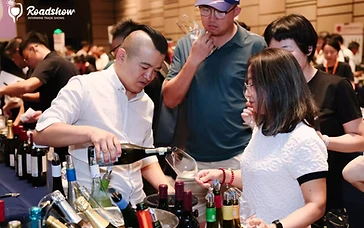
Participating as an exhibitor at dedicated international wine platforms allows foreign wineries to screen dozens of regional wholesalers over several days. When you Become an Exhibitor at an established gateway exhibition like INTERWINE, you gain structured access to pre-screened importers and provincial wine distributors who travel specifically to secure agency rights. Combining booth presence with targeted Business Matching sessions lets export managers interview commercial buyers directly, review real-time feedback on bottle aesthetics and taste profiles, and verify distribution capacity before committing to inventory allocations.
Key Wholesaler Verification Checklist
Before concluding an agreement with a Chinese wine wholesaler, export managers should verify the following points:
- GACC Registration & Import Licenses: Does the partner hold current customs documentation to clear wine imports directly, or do they rely on a third-party import-export forwarding agent?
- Cold-Chain Logistics: Does the distributor maintain temperature-controlled warehousing and refrigerated freight options, particularly for summer distribution across southern and central China?
- Localized Marketing Investment: What percentage of their sales budget is allocated toward localized marketing, such as Chinese-language product sheets, WeChat mini-programs, tasting dinners, and masterclasses?
- Sample Follow-up Discipline: Professional distributors provide structured feedback on samples within two to three weeks, including pricing assessments and target client segments. Indifference or failure to provide feedback often indicates speculative sourcing rather than real purchasing intent.
Conclusion
Identifying reliable wine wholesalers in China requires a systematic blend of verified customs intelligence, legal due diligence, and targeted in-person relationship-building. By targeting regional operators aligned with your price category and inspecting their regulatory bona fides, your winery can build a resilient, long-term commercial footprint in one of the world's most dynamic wine markets.
To meet pre-qualified Chinese wine wholesalers and schedule face-to-face commercial matching sessions, explore upcoming trade opportunities and Become an Exhibitor with INTERWINE.
Sources
- Observatory of Economic Complexity (OEC): Wine in China Trade Data (2024)
- Anderson and Puga: China's Wine Market: Recent Shocks, Long-Term Prospects (ResearchGate, 2024/2025)
- BestWineImporters: A Wine Exporter’s Guide to Finding Buyers in China (2026)
- BestWineImporters: Global Beverage Import and Customs Intelligence
Key Takeaways
- —China's imported wine sector remains a high-value market requiring regionalized, tier-specific wholesale partner strategies.
- —Verify potential wholesalers through official systems like the National Enterprise Credit Information Publicity System (NECIPS) and verify valid food circulation licenses.
- —Factor in statutory import costs: compounded tariffs, VAT, and consumption taxes typically add approximately 50% over CIF value before wholesale markups.
- —Direct customs shipment data helps verify whether a wholesale lead is actively importing or merely maintaining an inactive listing.
- —In-person commercial vetting at trade exhibitions combined with pre-arranged B2B business matching remains the most effective method for securing trustworthy distributor relationships.
Frequently Asked Questions
What is the difference between an importer and a wholesaler in China?
An importer holds direct foreign trading and customs clearance rights (GACC registration) to clear international freight into China. A wholesaler operates distribution networks supplying sub-dealers, restaurants, and retailers. Many national firms perform both functions, but regional wholesalers frequently use specialized import clearance agencies to bring consignments into the country before managing local wholesale distribution.
How can I verify if a Chinese wine wholesaler is legally registered?
You can verify corporate registration through the National Enterprise Credit Information Publicity System (NECIPS). Check that their business license includes wholesale food and beverage distribution, verify their paid-in registered capital, review their legal representative, and ensure there are no severe administrative penalties or financial red flags listed.
What import duties and taxes apply to wine imports into China?
Bottled still wine imported into China is generally subject to a 14% customs tariff, a 13% Value-Added Tax (VAT), and a 10% consumption tax. These taxes compound to approximately 48% to 50% above the Cost, Insurance, and Freight (CIF) landed value, which directly influences wholesale margin calculations.
Why is relying on a single national distributor risky in China?
China is geographically and culturally diverse, with distinct regional trade hubs across the Greater Bay Area, Eastern Seaboard, and Western China. Very few distributors possess true nationwide reach. Appointing multiple regional distributors often provides superior market coverage, more attentive brand representation, and lower credit concentration risk.