How to Identify Chain restaurant procurement teams in China
Discover how winery export directors can identify, target, and convert chain restaurant procurement teams in China through centralized supply chains, licensed national importers, and dedicated B2B trade platforms.
To identify and successfully engage chain restaurant procurement teams in China, winery export directors must target centralized corporate headquarters—primarily located in Tier-1 hubs like Shanghai, Beijing, and Guangzhou—rather than approaching individual store managers. Modern Chinese restaurant chains operate on strict supply chain standardization, requiring wineries to engage procurement directors through authorized Tier-1 wine importers or via specialized trade events that pre-screen commercial off-premise and on-premise buyers.
For international wine brands, the chain food and beverage (F&B) sector represents recurring high-volume purchases, reliable cash flows, and immediate brand visibility across multiple locations. However, penetrating this channel demands a clear understanding of corporate hierarchy, regulatory compliance, pricing structures, and route-to-market strategies.
Understanding the Structure of Chain Restaurant Procurement in China
China’s dining landscape has undergone massive consolidation. Academic research on the Chinese chain catering sector published in BCP Business & Management (2023) indicates that restaurant chains achieve market dominance through standardized menus, centralized supply chains, and unified brand governance. This means individual outlets rarely possess purchasing autonomy.
Procurement decisions for wine and alcoholic beverages typically sit across three primary organizational titles:
- Head of Central Procurement / Supply Chain Director (采购总监): Focuses on margin integrity, payment terms (typically 60 to 90 days), nationwide cold-chain delivery capabilities, and supplier financial solvency.
- Group Beverage Director / Executive Sommelier (饮品总监 / 侍酒师): Evaluates sensory profiles, food-and-wine pairing compatibility, label aesthetics, and table-turn suitability.
- Category Manager – Alcohol & Imported Goods (酒水类目经理): Runs commercial tenders, monitors stock rotation across regional central kitchens, and liaises directly with authorized import partners.
Understanding this hierarchy prevents foreign wineries from wasting resources pitching to individual store managers or regional franchise operators who do not control product onboarding.
Commercial Sourcing Models: Direct Buying vs. Two-Tier Import Channels
Foreign producers often mistakenly assume Chinese restaurant chains import shipping containers of wine directly from source. In practice, the vast majority of chain restaurant brands source via licensed domestic import distributors.
[ Foreign Winery ]
       │
       ▼ (Customs Clearance, CIF/DDP, Warehousing)
[ Tier-1 Chinese Importer / Distributor ]
       │  (e.g., Summergate, EMW, ASC, Roque)
       ▼ (Consolidated Delivery, Central Billing)
[ Chain Restaurant Procurement Headquarters ]
       │
       ▼ (Internal Distribution Logistics)
[ Regional Outlets / Multi-Unit Restaurants ]
As documented in industry sourcing analyses such as the BestWineImporters Guide to China (2026), top national importers act as essential commercial gatekeepers. Chain restaurant procurement teams rely on these established distributors—including nationwide operators like EMW Fine Wines and Summergate Fine Wines & Spirits—because they provide crucial services:
- Compliance and Chinese Back-Labeling: Managing mandatory General Administration of Customs of China (GACC) documentation, customs clearance, and statutory back-labels.
- Consolidated Invoicing (Fapiao): Issuing compliant national VAT invoices (fapiao) across multi-unit operations.
- Buffer Warehousing: Storing inventory across regional bonded hubs to prevent supply chain disruptions.
Winery export directors must demonstrate that their wines either already have distribution partners capable of servicing national accounts, or they must meet chain procurement teams in forums where designated Tier-1 distributors are present to co-negotiate.
4 Practical Steps to Identify and Target Chain Procurement Decision-Makers
1. Map Corporate Headquarters Across Commercial Hubs
Large hospitality groups, Western-style bistro chains, and modern Chinese restaurant brands operate procurement centers out of specific Tier-1 cities. Targeting procurement offices in Shanghai (Jing'an, Xuhui, Pudong), Beijing (Chaoyang), and Guangzhou/Shenzhen (Greater Bay Area) allows wineries to arrange focused B2B roadshows and executive tasting pitches.
2. Verify Importer Footprints via Sector B2B Directories
Cross-reference chain beverage menus with distributor portfolios. Leading distributor tracking platforms and Beverage Trade Network Directories reveal which domestic importers supply premier dining groups. Identifying which distributor currently stocks a competitor allows you to target alternative distributor-chain pairings looking for fresh, exclusive SKUs.
3. Leverage Structured Face-to-Face Matchmaking
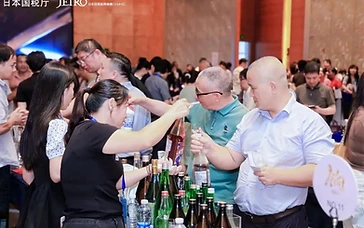
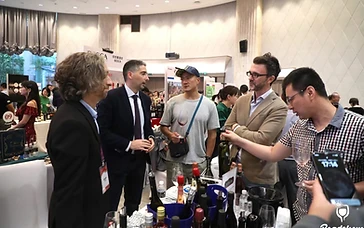
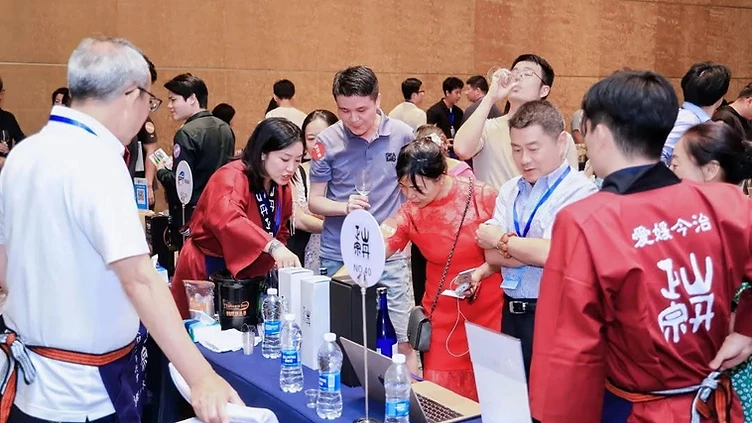
Cold-calling Chinese enterprise headquarters yields very low conversion rates due to language barriers and strict corporate gatekeeping. Instead, export managers should participate in verified trade exhibitions and structured commercial events. Utilizing targeted Business Matching services allows wineries to sit directly with pre-qualified beverage directors and national restaurant buyers seeking new agency contracts.
Reviewing relevant sector updates through Market Insights provides data on which casual dining chains are expanding, enabling wineries to tailor volume pitches accordingly.
4. Attend Industry-Specific National Exhibitions
Trade exhibitions remain the primary venue where enterprise procurement executives evaluate annual tenders. When you Become an Exhibitor at an international wine trade platform like INTERWINE, your brand secures direct access to thousands of verified on-premise beverage directors, restaurant group owners, and national distributor accounts that service high-end and casual dining networks.
Commercial Realities: What Chain Restaurant Buyers Actually Require
Chain buyers operate under distinct commercial pressures compared to independent boutique wine bars. In an analysis of chain wine buying published by WineBusiness Monthly, multi-unit restaurant buyers prioritize consistency, reliable multi-market inventory, and accessible price-to-quality ratios over rare, micro-lot vintages.
| Sourcing Criteria | Independent Restaurant | Multi-Unit Chain Restaurant Group | | :--- | :--- | :--- | | Order Volume | 1–5 cases per order | 50–500+ cases per replenishment round | | Menu Stability | Frequent, monthly or weekly updates | Fixed 6- to 12-month menu cycles | | Vintage Continuity | Welcomes vintage variations | Demands taste profile and vintage consistency | | Staff Support | Ad-hoc sommelier discussions | Comprehensive digital training & tasting sheets | | Financial Terms | COD or short credit | Strict 60–90 day payment cycles |
To close an agreement with a chain buyer, your pitch must clearly address:
- Stock Availability: Guaranteed continuity of supply across minimum 12-month cycles.
- Localized Training Materials: Chinese-language tasting notes, staff serving guidelines, and digital sales tools for front-of-house staff.
- Custom Packaging / Gimmick Resistance: Sturdy, distinctive packaging that stands out on back-bars without complicating kitchen storage or service logistics.
Navigating Compliance, Logistics, and Risks
Entering multi-unit dining chains involves structural operational risks that foreign wineries must actively mitigate:
- GACC Producer Registration: Under China Customs Decree 248, wineries exporting to mainland China must be formally registered with China's GACC. Without an active registration number, shipments will be detained at the port of entry.
- Listing Fees and Markdown Allowances: Large restaurant groups may demand listing fees, free opening stock (bonus stock), or marketing allowances. Factor these promotional deductions into your export pricing margin models upfront.
- Dual-Sourcing & Supply Chain Continuity: Global enterprise trends documented by DirectIndustry e-Magazine (2026) emphasize that modern procurement departments prioritize supply chain flexibility and dual-sourcing to counter delivery risks. If your winery cannot guarantee steady container fulfillment, partner with an established domestic distributor with bonded warehousing in China.
Position Your Winery for Long-Term Chinese Market Success
Securing listings with Chinese chain restaurant groups is a strategic pathway toward achieving sustained volume sales in the world's most dynamic catering market. By aligning your brand with qualified import distributors, preparing enterprise-ready commercial proposals, and engaging buyers in structured B2B environments, you can successfully turn casual conversations into multi-unit listing agreements.
To interface directly with verified enterprise hospitality procurement teams and key Chinese wine importers, Become an Exhibitor at INTERWINE, or browse the current buyer landscape in our Exhibitor Directory.
Sources
- BCP Business & Management (2023): A Comprehensive Analysis of the Chinese Chain Restaurant Market
- BestWineImporters (2026): A Wine Exporter’s Guide to Finding Buyers in China and Working with Chinese Wine Importers
- WineBusiness Monthly: What Chain Buyers Want
- DirectIndustry e-Magazine (2026): Procurement Strategies: China, Dual Sourcing, and Supply Chain Risk
- Beverage Trade Network: Wine Distributors in China
Key Takeaways
- —Target centralized corporate procurement offices in Tier-1 cities like Shanghai, Beijing, and Guangzhou rather than approaching store managers.
- —Most multi-unit restaurant chains require wineries to sell through licensed Chinese Tier-1 distributors who manage customs, bonded warehousing, and VAT invoices.
- —Chain buyers value volume reliability, vintage continuity, approachable sensory profiles, and menu-cycle stability over limited-edition micro-lots.
- —Participation in structured B2B matchmaking programs and national trade platforms is the most direct method to bypass corporate gatekeepers.
Frequently Asked Questions
Do Chinese chain restaurants import wine directly from international wineries?
Generally, no. The vast majority of Chinese chain restaurant groups procure through established domestic Tier-1 or regional wine importers. These distributors manage customs clearance, bonded warehousing, GACC compliance, and the issuance of formal Chinese tax invoices (fapiao) across multiple outlet branches.
What titles should wineries target in Chinese chain hospitality groups?
Wineries should direct pitches to the Head of Central Procurement (采购总监), Group Beverage Director (饮品总监), or the Category Manager for Alcohol & Imported Goods (酒水类目经理). In multi-unit chains, on-site outlet managers rarely hold purchasing authority.
What product attributes are most important to chain restaurant buyers in China?
Chain buyers require high-volume continuity, price consistency over 6 to 12 months, approachable and food-friendly flavor profiles, clear Chinese-language training collateral for staff, and prompt local order replenishment.
How can an overseas winery meet verified chain beverage directors in China?
The most effective approach is exhibiting at dedicated trade exhibitions such as INTERWINE and participating in targeted B2B business matching sessions where commercial procurement buyers are pre-screened.