Interwine Guide to Buyer appointment setting
Master B2B buyer appointment setting for wine exhibitions. Learn how international wineries qualify trade buyers, optimize pre-show matchmaking, and maximize commercial ROI.
Pre-booked buyer appointments represent the single most reliable driver of trade show return on investment (ROI) for international wineries and spirits brands. Rather than depending on passive foot traffic across exhibition aisles, commercial producers secure verified wholesale, distribution, and retail partners weeks before arriving on the show floor. Achieving this requires understanding the structured workflow of wine buyer appointment setting: qualifying decision-makers, navigating digital matchmaking tools, tailoring commercial propositions to target sales channels, and orchestrating punctual follow-ups.
According to research published by McKinsey & Company (2021), modern B2B buyers now navigate an average of 10 distinct interaction channels during their purchasing journey, up from five in 2016. Furthermore, industry data compiled by Martal Group (2026) indicates that approximately 37% of B2B decision-makers receive over 10 cold sales solicitations weekly, but only 24% consider those pitches relevant. In high-value beverage sectors, generic outbound outreach yields negligible engagement. To build an active order pipeline, wine producers must execute strategic, research-backed appointment setting tailored to the buying habits of regional trade buyers.
Why Scheduled Trade Meetings Outperform Walk-Up Foot Traffic
Trade fair foot traffic provides brand visibility, but scheduled bilateral meetings deliver signed import contracts. When wineries rely purely on walk-up visitors, senior export executives spend disproportionate time fielding inquiries from non-trade consumers, minor sub-agents, or service vendors.
Conversely, dedicated appointment setting guarantees that winery representatives sit directly across from credentialed procurement leads: commercial import managers, hotel beverage directors, off-premise retail category buyers, and regional distributors. Strategic exhibitors leverage the dedicated Business Matching system to pre-schedule structured 20- to 30-minute commercial consultations. This transforms an exhibition stand into an active transaction lounge rather than a passive tasting bar, locking in commercial value before setting foot on-site. Producers seeking this focused commercial environment should review the prerequisites to Become an Exhibitor.
The Anatomy of an Effective Wine Buyer Appointment Pipeline
Securing confirmed meetings with established wine merchants involves a multi-stage execution model. Exhibitors who approach the process methodically navigate three core phases:
[Pre-Show Qualification: 8-4 Weeks]
   │ ── Filter Attendee & Buyer Directories by Category, Volume, Tier
   │ ── Craft Commercial Channel Value Propositions (FOB, Logistics, Region)
   ▼
[Direct Scheduling & Confirmation: 4-1 Weeks]
   │ ── Send Targeted Matchmaking Invitations via Digital Portal / WeChat
   │ ── Lock 30-Minute Agenda-Driven Dedicated Stand Slots
   ▼
[On-Site Negotiation & Immediate Cadence: Show Days + 72 Hours]
   │ ── Execute Tasting & Margin Alignment on Stand
   │ ── Transmit Technical Sheets & Wholesale Price Lists within 24 Hours
1. Pre-Filtering and Target Account Qualification
Before drafting an invitation, export teams must segment the buyer database. A high-volume bulk buyer or supermarket procurement team demands entirely different pricing, certifications, and bottling flexibility than a boutique on-premise distributor supplying Michelin-starred dining venues.
Review the Exhibitor Directory and official buyer lists to identify:
- Distribution Footprint: Does the buyer supply coastal tier-one metropolises, or do they hold entrenched distribution networks across regional interior provinces?
- Channel Focus: Off-trade retail, specialized wine retail, direct-to-consumer e-commerce, or hospitality (HoReCa).
- Product Category Gaps: Portfolio imbalances in their existing catalog, such as an absence of Old World biodynamic references or high-demand Southern Hemisphere varietals.
2. Crafting the High-Conversion B2B Outreach Message
Decision-makers disregard poetic tasting notes during commercial procurement review. A successful appointment pitch outlines precise commercial parameters. Outreach should explicitly communicate:
- Commercial Fit: Why your SKU portfolio aligns with their distribution tier.
- Pricing Competitiveness: Clear Free on Board (FOB) or Ex Works (EXW) baseline parameters and minimum order quantities (MOQ).
- In-Market Support: Marketing budget allocations, trade staff training programs, and customized packaging adaptation.
- Logistical Readiness: Verified supply continuity, existing customs clearance documents, and compliance with local market labeling regulations.
3. Utilizing Dedicated Event Matchmaking Platforms
Modern international trade exhibitions provide proprietary matching software. Leading exhibitions—such as Vinexposium and professional Asian trade fairs—deploy dedicated matchmaking modules where buyers and producers filter by production country, price bracket, and certification (Vinexposium, 2024–2026). Exhibitors should assign designated sales staff profiles within the platform rather than keeping the account under a general company profile. This ensures individual calendar synchronization and instant notification when a procurement director accepts or reschedules a booking.
Channel-Specific Meeting Agendas: Structuring the Discussion
When conducting a 30-minute stand meeting, time management determines conversion success. Dividing the meeting into disciplined blocks guarantees that technical, sensory, and margin evaluations occur simultaneously.
| Meeting Segment | Duration | Objective | Key Deliverables | | :--- | :--- | :--- | :--- | | 1. Strategic Discovery | 5 Minutes | Validate buyer volume, existing sales channels, and target margins | Target customer profile and distribution gap analysis | | 2. Curated Tasting | 10 Minutes | Present max 3–4 targeted SKUs aligned with buyer's requested price bracket | Product spec sheets, technical vintage details | | 3. Commercial Review | 10 Minutes | Discuss FOB/CIF pricing, lead times, exclusive territory requests | Wholesale price matrices, volume tier incentives | | 4. Action Plan Lock | 5 Minutes | Confirm concrete sample dispatch, regional follow-up, or trial order timeline | Logged contact data, agreed 48-hour deliverables |
Producers can evaluate broader market dynamics affecting channel demand by reviewing regional Market Insights prior to finalizing wholesale matrices.
Navigating Logistical and Commercial Bottlenecks
Executing international buyer meetings requires anticipation of structural trade barriers:
- Sample Availability: Ensure that physical bottles earmarked for scheduled buyer tastings have cleared local customs weeks in advance. Missing sample shipments severely undermine scheduled tastings.
- Language and Cultural Negotiation: Relying on automated translation during high-stakes contract discussions creates costly ambiguities. Secure certified bilingual wine professionals familiar with standard import nomenclature.
- Post-Meeting Dissipation: Industry data indicates that up to 60% of event leads stall because suppliers take more than five business days to deliver FOB rate cards, lab analyses, or sample tracking codes. Maintain a standardized digital deal room containing technical sheets, high-resolution bottle photography, and wholesale logistics data ready to dispatch within two hours of meeting conclusion.
Leveraging Regional Roadshows and Major Exhibition Platforms
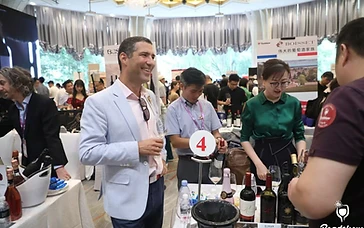
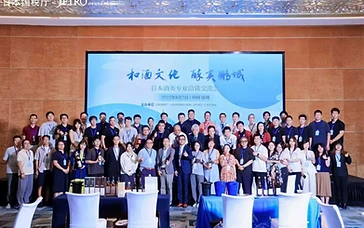
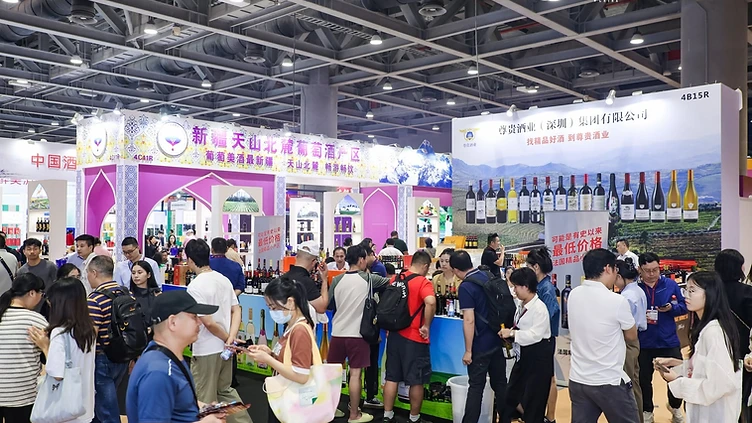
While stand-alone digital outreach yields gradual results, concentrated business-matching platforms multiply conversion efficiency. For example, trade shows operating across China's major wine-importing hubs leverage high buyer concentration; Guangdong province alone processes over 60% of China Mainland's imported wine, creating an exceptional density of qualified distributors and retail buyers (Wikipedia, 2025). Major platforms like Interwine organize specialized B2B roadshows spanning dozens of commercial cities alongside flagship trade expos, running targeted buyer-matching programs that facilitate direct sit-down meetings between foreign producers and pre-screened importers.
To discover upcoming matchmaking sessions and regional procurement summits, explore the full calendar of Interwine Events. For international wineries seeking sustainable commercial growth in Asia's competitive beverage landscape, structured pre-arranged meetings represent the definitive boundary between standard brand exposure and profitable long-term distribution agreements.
Sources
- McKinsey & Company (2021). Five fundamental truths: How B2B winners keep growing. https://www.mckinsey.com/capabilities/growth-marketing-and-sales/our-insights/five-fundamental-truths-how-b2b-winners-keep-growing
- Martal Group (2026). B2B Appointment Setting Tips: 6 Proven B2B Strategies for 2026. https://martal.ca/appointment-setting-tips-lb/
- Vinexposium (2026). Tutorial: How to arrange a meeting with a buyer? https://www.vinexposium.com/wp-content/uploads/2026/04/Tuto-Meeting-with-buyer_EN.pdf
- Wikipedia (2025). Interwine. https://en.wikipedia.org/wiki/Interwine
Key Takeaways
- —Pre-scheduled buyer appointments ensure sales teams engage directly with verified decision-makers, avoiding wasted time on non-trade foot traffic.
- —B2B buyers use an average of 10 interaction channels; successful wineries implement multi-touch, tailored outreach rather than generic cold emails.
- —High-converting meeting requests focus on commercial margins, FOB/CIF terms, channel suitability, and supply chain reliability over poetic tasting notes.
- —Structuring stand appointments into strict discovery, tasting, commercial, and action-plan phases dramatically improves meeting conversion rates.
- —Fast post-meeting follow-up within 24 to 48 hours with digital rate cards and technical sheets prevents commercial momentum from stalling.
Frequently Asked Questions
How far in advance should an exhibitor start booking buyer meetings?
Exhibitors should initiate buyer research and matchmaking outreach 4 to 6 weeks before the exhibition. Digital matchmaking platforms typically open attendee directories one month prior to the event, providing ample time to secure high-priority time slots on the buyer's calendar.
What information should be included in an outreach message to a wine buyer?
Keep outreach concise and commercially focused. Highlight product style, origin, typical FOB/EXW pricing ranges, relevant international awards, logistical readiness, and specific margin opportunities for the buyer's distribution channels.
How long should an on-stand trade meeting last?
A standard B2B trade show appointment should last 20 to 30 minutes. This provides sufficient time for a structured 5-minute discovery, a focused 10-minute tasting of 3–4 selected SKUs, and 10–15 minutes of commercial and pricing negotiation.
How do wineries handle language barriers during buyer meetings?
Wineries should prepare bilingual sales literature, clear price matrices, and technical spec sheets. When exhibiting in international markets like China, engaging professional, bilingual wine trade interpreters on the stand ensures accurate commercial negotiations.
What is the most effective post-show follow-up cadence?
Follow up within 24 to 48 hours following the meeting. Provide a personalized summary of the discussion, digital technical sheets, agreed wholesale pricing matrices, and sample dispatch tracking to maintain commercial momentum.