How to Identify Duty-free wine buyers in China

A commercial B2B guide for winery export directors on how to identify duty-free wine buyers in China, navigate travel retail licensing, and evaluate regulatory frameworks.
Identifying duty-free wine buyers in mainland China requires an understanding of state licensing, travel retail procurement hierarchies, and distinct regulatory zones. Unlike standard domestic wine importers who distribute through fragmented regional wholesale channels, duty-free buyers operate within tightly regulated corporate concessions, state-sanctioned travel retail enterprises, and bonded port operations. To enter this channel profitably, international wine brand owners and export directors must navigate distinct procurement groups, understand the practical mechanics of Hainan Free Trade Port regulations, and approach buyer qualification with clear commercial terms.
The Structure of China's Duty-Free and Travel Retail Channels
To identify and engage genuine duty-free purchasers, wine exporters must first segment the channel into its core operational models:
-
State-Authorized Duty-Free Concessionaires (CDF Group, CNSC, Zhuhai Duty Free, Shenzhen Duty Free): China Duty Free Group (CDFG) is by far the dominant state-owned enterprise in this sector, operating hundreds of airport, border, and downtown outlets across the country. Other licensed operators, including China National Service Corporation for Chinese Personnel Working Abroad (CNSC), Zhuhai Duty Free, and Shenzhen Duty Free, hold regional or demographic mandates. Sourcing for these giants is conducted through centralized category procurement committees alongside authorized master travel-retail distributors.
-
Hainan Free Trade Port Offshore Duty-Free Operators: Hainan's offshore duty-free shopping policy represents one of China's largest tourism-driven retail ecosystems. However, regulatory shifts require careful monitoring. According to reporting by Vino Joy News (2025), a joint policy notice issued in July 2025 by the Ministry of Finance, General Administration of Customs, and the State Taxation Administration clarified that while Hainan advances its "first-line liberalization, second-line control" customs model for over 6,600 product categories, wine and spirits were excluded from the blanket zero-tariff intra-island list. Consequently, commercial wine entering standard mainland circulation remains subject to normal duties, meaning offshore retail concessions continue to operate under designated duty-free quota frameworks rather than an unrestricted island-wide tax haven.
-
Bonded Zone Logistics and Port Supply Specialists: Bonded warehouses located within comprehensive bonded zones (CBZs) in hubs like Shanghai, Guangzhou, Shenzhen, and Ningbo act as transshipment centers. Buyers operating in this sub-tier service cruise lines, international flights, diplomatic corps, and cross-border e-commerce (CBEC) bonded platforms. They hold customs bonded licenses, allowing wines to be stored prior to duty settlement or cleared directly into exempt commercial streams.
How to Vet and Identify Qualified Duty-Free Wine Buyers
Many intermediate trading companies claim to have "direct duty-free procurement access." To separate speculative brokers from legitimate procurement managers, export directors should follow an audit framework:
- Verify Concession Supplier Coding: Legitimate tier-1 suppliers to CDFG or regional operators hold verified supplier vendor codes (gongyingshang bianma). If an entity claims to buy for duty-free shops, ask whether they are the licensed concessionaire itself or an appointed category consolidator. Consolidators must provide documentation proving an active vendor relationship with the duty-free retailer.
- Audit Customs Registration Numbers (CR Code): Every legitimate importer in China must hold an 11-digit Customs Registration (CR) code with the General Administration of Customs of China (GACC). Cross-reference their corporate registration on the National Enterprise Credit Information Publicity System to verify their business scope encompasses bonded warehousing, duty-free retail supply, or international logistics management.
- Examine Channel Portfolio Fit: Duty-free wine listings heavily prioritize giftability, internationally recognized regional credentials (such as Grand Cru Classé Bordeaux, Napa Valley, Barolo, or Penfolds-style recognition), and unique packaging (e.g., twin packs, exclusive 1-liter formats, or gift boxes). Importers specializing exclusively in budget bulk wine rarely possess entry points into prestige travel retail shelves.
Domestic Taxation vs. Duty-Free Margin Calculations
Understanding buyer margins requires calculating the disparity between standard importation and travel-retail operations. As documented in exporter research from BestWineImporters (2026), standard bottled wine imported into mainland China faces approximately a cumulative 50% tax burden on top of Cost, Insurance, and Freight (CIF) value—combining standard Most-Favored-Nation (MFN) tariffs (typically 14%), Value-Added Tax (VAT at 13%), and Consumption Tax (10%).
In travel retail, these fiscal layers are removed or credited within the duty-free concession structure. However, this does not mean the winery achieves a 50% price premium. Duty-free concessionaires demand higher retail operating margins (frequently 35% to 55%) to support airport concession fees and terminal floor rentals. Wineries must calculate their Free On Board (FOB) or CIF commercial quotes to ensure that retail shelf pricing aligns with domestic parity without eroding the brand's general market positioning.
Strategic Routes to Direct Buyer Engagement
Cold email outreach to travel retail conglomerates yields low conversion rates due to centralized corporate firewalls and strict compliance protocols. Commercial brand owners must employ structured business matching and industry participation routes:
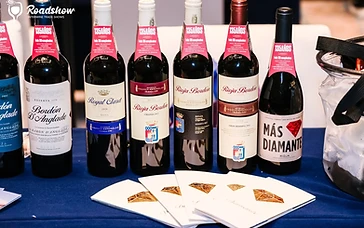
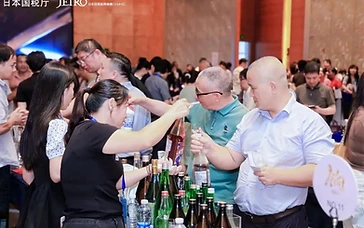
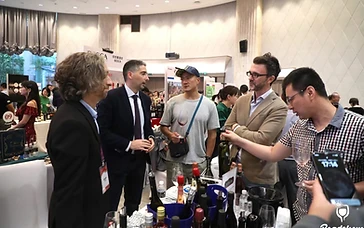
- Direct B2B Trade Exhibitions: Engaging directly with enterprise procurement officers requires presence at major industry trade gatherings in mainland China. Wineries looking to interface with commercial partners, national distributors, and regional travel-retail consolidators should explore opportunities to Become an Exhibitor at targeted beverage industry platforms like INTERWINE. Direct physical exhibitions allow producers to sample flagship vintages directly with commercial category managers.
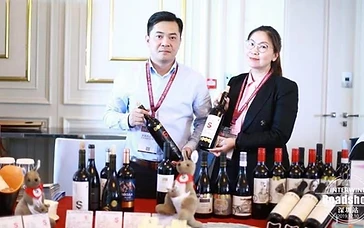
- Pre-Scheduled Buyer Matching: Rather than relying on speculative booth visits, wineries should participate in structured Business Matching sessions. Verified meetings connect export sales leads directly with corporate wine buyers holding verified distribution credentials.
- Leveraging Regional Port Showcases: Utilizing trade intelligence and analyzing macroeconomic reports via dedicated Market Insights helps producers identify which coastal entry hubs are leading bottled wine clearance, tailoring presentations to the specific demands of southern and eastern Chinese maritime ports.
Commercial Risks and Compliance Warnings
When negotiating contracts with travel retail distributors, brand owners must establish legal and operational safeguards:
- Parallel Grey-Market Leakage: The most severe risk in duty-free contracts is channel diversion. If a trader secures export volume under discounted duty-free pricing and subsequently diverts stock into domestic general commerce, it can collapse domestic distributor pricing. Contracts must stipulate strict end-destination tracking, serial-numbering requirements, and clear penalties for cross-channel diversion.
- GACC Manufacturer Registration Decree 248: Even if goods enter bonded zones or travel retail channels, foreign production facilities must be registered under Decree 248 on the GACC Single Window platform. Shipments lacking active registration cannot clear bonded inspection facilities.
- Stringent Payment and Consignment Terms: State-owned concessionaires and large duty-free groups frequently request extended payment terms (90 to 120 days) or operational consignment arrangements. Export managers must verify whether credit risk is held directly with the state entity or absorbed by a third-party intermediary, securing adequate trade credit insurance where appropriate.
Conclusion: Building a Sustainable Duty-Free Strategy
Identifying duty-free wine buyers in China is not about mass-distributing price lists to trading houses; it is a discipline of identifying authorized concessionaires, navigating complex bonded logistics frameworks, and protecting domestic pricing structures. By auditing buyer licensing, verifying vendor credentials, and securing verified face-to-face engagements, international wine brands can build a credible, high-margin travel retail footprint across mainland China's premier hubs.
Sources
- Vino Joy News (2025) - Wine and Spirits Left Off Hainan's Duty-Free List
- BestWineImporters (2026) - A Wine Exporter's Guide to Finding Buyers in China
- EU SME Centre (2023) - China's Wine Market(s): Drivers, Technical Requirements and Opportunities
Key Takeaways
- —Duty-free procurement in China is dominated by state-authorized concessionaires like CDFG, regional airport authorities, and authorized bonded consolidators.
- —Hainan Free Trade Port rules clarified in 2025 that wine and spirits are excluded from the blanket zero-tariff intra-island list, requiring sales to operate via structured offshore duty-free concessions.
- —Standard wine importation incurs ~50% in cumulative taxes (import duty, VAT, consumption tax); while duty-free channels bypass these, retailers demand 35-55% commercial margins.
- —Exporters must verify potential partners' GACC customs registration (CR code) and vendor credential codes to avoid uncertified middlemen.
- —Brand owners must strictly safeguard against channel diversion and parallel grey-market re-entry into the domestic retail market.
Frequently Asked Questions
Who are the primary licensed duty-free wine operators in mainland China?
The dominant enterprise is China Duty Free Group (CDFG), alongside regional state-backed operators including Shenzhen Duty Free, Zhuhai Duty Free, and CNSC. These entities manage procurement directly or via certified master consolidators.
Can wine enter Hainan Free Trade Port completely duty-free?
While Hainan operates special customs regimes, joint regulatory announcements in 2025 confirmed wine and spirits were excluded from the blanket zero-tariff goods list. Wine sold in Hainan offshore travel retail operates strictly under designated duty-free quota systems rather than total deregulation.
How can an exporter verify if a Chinese wine buyer is genuine?
Request their GACC Customs Registration (CR code) and official concession vendor supplier code. Cross-reference their corporate registration in the National Enterprise Credit Information Publicity System to confirm their authorized scope includes bonded trade or duty-free distribution.
What product profiles perform best in Chinese travel retail wine channels?
Travel retail consumers prioritize prestige, gifting suitability, distinct packaging, and globally recognized brands. Fine wines from renowned classifications, luxury gift sets, and limited editions achieve significantly better traction than generic commercial table wines.