How to Identify Corporate gifting buyers in China
A commercial roadmap for winery export directors to identify, qualify, and secure Chinese corporate gifting buyers through B2B channels, regional importers, and tailored procurement strategies.
To successfully capture corporate gifting budgets in China, foreign wine brands must look past generic on-trade listings and penetrate the specialized domestic distributors, B2B procurement portals, and regional commercial networks that manage corporate gifting procurement. In China, corporate wine purchasing operates as a relationship-driven, highly seasonal ecosystem dictated by cultural festivals, corporate milestones, and strict status signifiers. For winery export directors, mastering how to identify corporate gifting buyers in China requires shifting from general consumer marketing to targeted B2B supplier positioning, strategic packaging customization, and structured matchmaking.
According to import data published by Best Wine Importers (2025), China imported an estimated 154 million liters of wine between January and July 2025; while total volumes decreased by 33% year-on-year, the average import price jumped by 38%. This shift underscores a bifurcated market: volume-driven table wine is contracting, but premium, high-perceived-value wines intended for business banquets and executive gifting maintain robust resilience.
The Anatomy of the Corporate Gifting Sector in China
Corporate gifting in China is not an ad-hoc purchase; it is a structured mechanism for maintaining client guanxi (business relations), rewarding employee loyalty, and reinforcing commercial alliances. Procurement generally peaks around major annual events:
- Mid-Autumn Festival (Zhongqiu Jie): Late September to early October, marked by mid-to-high-tier premium gift boxes often paired with luxury mooncakes or tea sets.
- Chinese New Year (Spring Festival): January to February, the largest volume and highest budget cycle for executive appreciation and staff end-of-year welfare packages.
- Annual Corporate Galas and Client Appreciation Events: Typically November through January, when enterprises order wine in double-digit to triple-digit case lots for corporate dining and VIP take-away gifts.
Understanding who controls these budgets is essential to targeting the right commercial gatekeepers.
The Three Tiers of Corporate Gifting Decision-Makers
Wineries cannot simply approach an enterprise's headquarters directly without local import infrastructure. Instead, export managers must evaluate the three operational layers that fulfill corporate demand:
- Specialized Corporate Welfare & Procurement Agencies: Platforms and agency aggregators (such as corporate procurement service providers handling Fortune 500 tech, banking, and real estate clients) manage pre-approved internal enterprise welfare catalogs. These platforms demand reliable year-round inventory, strict compliance, and automated logistics.
- Regional B2B Importers and Exclusive Distributors: As reported by Vino Joy News (2024), wine companies importing under US$10 million annually account for more than 82.3% of China's total wine imports, with dynamic regional importers expanding through inland commerce hubs such as Henan, Sichuan, and Chongqing. These regional distributors maintain exclusive, deeply rooted relationships with local chambers of commerce, private manufacturing hubs, and state-backed enterprises.
- High-End Hospitality & Private Club Sommeliers: Luxury hotel banqueting managers and private dining clubs frequently act as corporate procurement agents for VIP business dinners, orchestrating bespoke corporate consignments.
Step-by-Step Methodology: How to Identify Corporate Gifting Buyers in China
1. Map Corporate Buyers Through Specialized Regional Importers
Rather than chasing massive national FMCG conglomerates whose margins are razor-thin, target medium-sized importers who specialize in the B2B "group buying" (tuan gou) market. Group buying distributors maintain catalogs specifically curated for private enterprise procurement directors, regional industrial federations, and financial services firms.
When evaluating distribution partners, analyze their existing portfolio channels. Inquire specifically: What percentage of your sales volume goes through on-premise dining versus off-premise corporate group buying? Importers with high corporate sales will possess established warehousing, custom kitting capabilities, and existing sales teams pitching directly to HR and executive procurement desks. Exporters can analyze verified industry profiles through the Exhibitor Directory to benchmark established distribution models.
2. Leverage Trade Fairs and Dedicated Business Matching
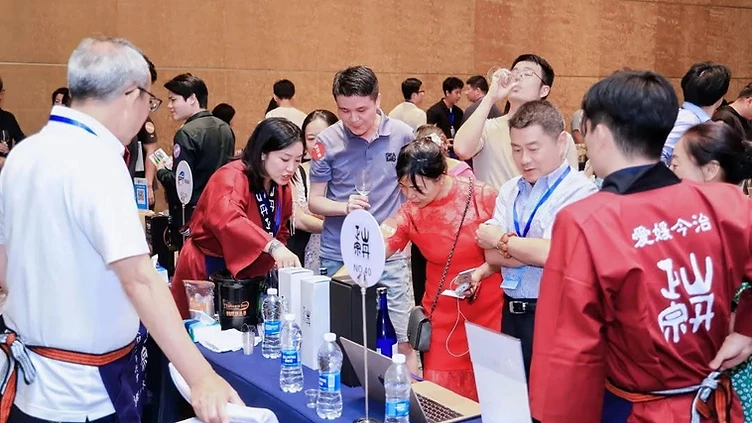
Corporate procurement buyers rarely respond to cold emails or international phone calls. They rely on tactile product verification, visual packaging inspection, and face-to-face trust. Participating in focused trade expos provides direct access to qualified procurement agents.
At trade events, corporate gifting buyers typically look for clear cues: prestige packaging, double-bottle wooden gift boxes, distinctive brand heritage, and awards credentials. Utilizing pre-screened Business Matching services allows wineries to sit down directly with domestic procurement buyers who are looking for portfolio exclusives before the Mid-Autumn and Spring Festival buying windows open.
3. Screen Digital B2B Procurement and Enterprise Gift Portals
China's corporate procurement infrastructure has digitized rapidly. Enterprise buyers source bulk seasonal gifting through specialized channels on platforms like JD Corporate (Jingdong Qiye Gou), Alibaba's B2B ecosystem (1688.com enterprise procurement tiers), and targeted WeChat Mini Programs operated by specialized wine merchants.
Exporters should check if their potential import partner operates an active presence on these enterprise channels. Importers serving these platforms require wines that feature stable supply, strong visual appeal, and authenticated anti-counterfeit measures on the back labels.
4. Engage Provincial Chambers of Commerce and Industry Associations
China's private sector relies on regional business networks—such as the Zhejiang Chamber of Commerce, the Guangdong Federation of Industry and Commerce, and cross-border trade councils. Importers who sponsor or supply these association banquets capture recurring annual gifting contracts. Wineries can track domestic consumption behavior across different economic zones by referencing current Market Insights.
Commercial Requirements: What Corporate Gifting Buyers Look For
To win corporate gift contracts, a brand must align with the operational needs of Chinese purchasing managers:
Packaging Aesthetics and Symbolic Value
Corporate gifts represent the face (mianzi) of the giver. Standard six-bottle cardboard cartons do not work for individual gifting. Buyers demand:
- Rigid wooden gift cases, single- or double-bottle leatherette cases, or bespoke presentation gift boxes.
- Culturally resonant design accents that avoid inappropriate color schemes (e.g., predominantly white packaging, traditionally associated with mourning) and lean toward auspicious hues (deep red, gold, royal blue).
- Heavy glass bottles, embossed deep-punt bases, and premium foil capsules that communicate tactile luxury before the bottle is opened.
Margin Buffers and Tariff Structuring
According to import data synthesized by the EU SME Centre / Best Wine Importers (2026), imported bottled still wine incurs a compounding tax stack comprising an import tariff (~14%), Value-Added Tax (13%), and Consumption Tax (10%), which cumulatively adds approximately 50% on top of the CIF (Cost, Insurance, and Freight) value.
Corporate procurement agents require attractive price-to-quality ratios that leave room for distributor group-buying margins (typically 25% to 40%) while remaining competitive against domestic luxury spirits (baijiu).
| Procurement Consideration | Mass Retail / E-commerce | Corporate Gifting Channel | | :--- | :--- | :--- | | Primary Decision Driver | Price promotion & immediate consumption | Perceived brand prestige, status, and packaging aesthetics | | Order Seasonality | Steady year-round with promotional spikes | Heavily concentrated around Mid-Autumn Festival & Chinese New Year | | Packaging Requirements | Standard 6-bottle cartons, light glass | Wooden gift boxes, double-bottle cartons, branded collateral | | Key Intermediary | Online platforms, supermarket buyers | Specialized B2B importers, corporate welfare procurement desks | | Margin Tolerance | Tight, aggressive discounting required | Moderate-to-high, provided packaging and branding look luxurious |
Due Diligence and Managing Commercial Risk
When negotiating corporate gifting deals with Chinese intermediaries, brand owners must exercise diligence to mitigate risks:
- Verify Buyer Credentials: Verify that the buyer or distributor holds an active commercial business license with an authorized food and alcohol distribution scope, as well as an official customs registration code (CR Code).
- Manage Seasonality and Inventory Cycles: Production and shipping lead times must factor in shipping schedules to ensure arrivals occur at least 60 to 90 days ahead of festive holidays. Corporate clients finalize orders well before regional distribution deadlines; missed holiday deadlines can leave importers holding stagnant stock.
- Enforce Trademark Protection: Brand owners must register their trademarks—both original Latin names and official simplified Chinese transliterations—with the China National Intellectual Property Administration (CNIPA) prior to sending samples or commercial proposals.
Position Your Brand for Corporate Procurement at Interwine
Navigating China’s fragmented distribution matrix requires meeting verified decision-makers who control direct routes into corporate procurement. Interwine serves as China's established B2B platform connecting international wine producers with qualified national importers, regional wholesale distributors, and institutional buyers.
Exporters ready to secure distribution partnerships and access lucrative corporate procurement budgets can Become an Exhibitor at the upcoming Interwine Expo, gaining direct exposure to the buyers shaping China's imported wine trade.
Sources
- Best Wine Importers - Wine Import Trends and Wine Importers in China (2025)
- Best Wine Importers - A Wine Exporter’s Guide to Finding Buyers in China (2026)
- Vino Joy News - China’s Top 50 Wine Importers Analysis (2024)
Key Takeaways
- —Corporate gifting in China is driven by cultural milestones, peaking heavily ahead of the Mid-Autumn Festival and Chinese New Year.
- —China's imported wine landscape has bifurcated: while total volumes have softened, average import values rose by 38% in early 2025, favoring premium gifting wines.
- —Over 82% of China's wine imports are managed by small-to-medium distributors, making regional B2B networks and 'tuan gou' (group buying) partners the primary gateway to corporate clients.
- —Corporate procurement buyers prioritize physical prestige cues—such as custom wooden boxes, heavy-weight glass, and award credentials—over standard retail packaging.
- —Direct B2B engagement through targeted business matching and specialized wine trade expos offers the most reliable route to vetted procurement intermediaries.
Frequently Asked Questions
When do Chinese corporate buyers purchase wine for corporate gifting?
Procurement occurs primarily around two major windows: July through August for the Mid-Autumn Festival (Zhongqiu Jie), and October through December for the Chinese New Year (Spring Festival) and corporate annual banquets. International wineries must ship stock months in advance to ensure customs clearance and distribution ahead of these periods.
What packaging adjustments are necessary for Chinese corporate gift wine?
Corporate buyers favor premium, heavy-weight bottles, embossed branding, and presentation packaging such as single- or double-bottle wooden gift boxes or bespoke leatherette cases. Auspicious color schemes like deep red and gold are preferred, while predominantly white or plain cardboard cartons should be avoided.
How do regional importers differ from national wine distributors in China?
National distributors often focus on broad FMCG retail and national supermarket chains, which squeeze producer margins. In contrast, dynamic regional importers in inland and tier-2/tier-3 cities cultivate direct personal relationships (guanxi) with local business owners, state-owned entities, and chambers of commerce, controlling lucrative 'group buying' (tuan gou) allocations.
How does the Chinese tax stack affect corporate gift wine pricing?
Bottled still wine imported into China incurs import duty (typically ~14%), Value-Added Tax (13%), and Consumption Tax (10%), which cumulatively compound to roughly 50% above the CIF value. Exporters must account for this tax stack alongside distributor group-buying margins when structuring commercial offers.