How to Identify Hotel beverage directors in China
Discover how winery export directors can identify, evaluate, and connect with hotel beverage directors and luxury hospitality decision-makers in mainland China.
To successfully sell wine into China’s lucrative five-star hospitality sector, export directors must look beyond generic executive rosters and decipher the dual-track corporate hierarchy governing on-premise procurement. Sourcing decisions in mainland China’s luxury hotels are rarely made in isolation. Instead, listing decisions are co-determined by on-property tastemakers—such as the Director of Food & Beverage, Beverage Manager, or Head Sommelier—and institutional corporate purchasing divisions constrained by pre-approved vendor lists. Identifying these beverage directors requires wine producers to master local title nuances across Tier-1 and Tier-2 hubs, leverage domestic digital platforms like WeChat, partner with qualified domestic importers, and engage target buyers directly through organized face-to-face commercial forums.
According to an analysis of luxury hotel operations published by Hospitality Net in 2026, food and beverage divisions generate between 25% and 40% of total hotel revenues in top-tier luxury establishments. This high financial contribution makes hotel beverage programs high-stakes, margin-critical operations where decision-makers demand absolute supply chain reliability, brand cachet, and compliant distribution. For international wine brands looking to establish prestigious listings across luxury chains such as Marriott, Mandarin Oriental, Hyatt, and The Peninsula, navigating these institutional buyer personas is essential.
Understanding the China Hospitality Beverage Hierarchy
International wineries often make the mistake of cold-pitching General Managers or junior service staff. In China's luxury hotel sector, beverage purchasing authority is distributed across distinct operational tiers, each handling specific commercial responsibilities:
1. Director of Food & Beverage (F&B Director)
As highlighted in executive recruitment specifications from The Peninsula Shanghai and Mandarin Oriental Pudong, luxury F&B Directors hold end-to-end P&L accountability. They manage operating gross operating profit (GOP) margins, departmental budgets, banquet contracts, and luxury brand alignment. While they may not select every boutique varietal for an à la carte wine list, they approve overall procurement budgets, high-volume banquet house pours, and corporate partner listings.
2. Beverage Director / Director of Wines
In ultra-luxury, flagship, or resort properties (such as The Langham Shenzhen, Waldorf Astoria Shanghai, or luxury properties across Guangzhou), a dedicated Beverage Director or Director of Wines curates the wine program. This individual designs the wine list, leads sommelier training, orchestrates wine pairings for signature fine-dining venues, and directly evaluates wine samples.
3. Head Sommelier / Wine Category Specialist
Operating on the restaurant floor, the Head Sommelier recommends wine list additions and identifies gaps in current inventory (e.g., organic selections, biodynamic labels, niche appellations). While they are primary influencers, they typically cannot approve new vendors on their own; their recommendations must pass upward to the Beverage Director and the Purchasing Department.
4. Purchasing / Procurement Manager
As detailed by Procurement Tactics in 2026, hospitality procurement requires strict adherence to operating policies, spend categories (F&B, OS&E), and risk management protocols. The Purchasing Manager oversees credit terms, local customs documentation, food safety compliance, and official VAT tax invoicing (fapiao). A hotel beverage director cannot buy wine from an unverified overseas winery directly; purchases must flow through a licensed Chinese importer-distributor already registered in the hotel group’s centralized procurement vendor matrix.
Practical Methods to Identify and Map Hotel Beverage Directors in China
Identifying who holds these titles in Chinese hotels requires a tailored methodology, as western enterprise prospecting tools do not operate with the same fidelity in mainland China.
Method 1: Mapping Key Luxury Hotel Clusters by Region
Begin by mapping properties by geographic luxury density. The highest concentration of five-star wine buyers resides across Tier-1 metropolitan markets and premier coastal hubs:
- Shanghai: Pudong and Puxi clusters (Mandarin Oriental Pudong, The Peninsula Shanghai, Waldorf Astoria, Bulgari Hotel).
- Beijing: Chaoyang and Dongcheng districts (Park Hyatt, Hilton Beijing, The Ritz-Carlton).
- Greater Bay Area (Guangzhou & Shenzhen): International commercial engines with heavy banquet and business dining volumes (Guangzhou Tianhe Marriott, The Langham Shenzhen, Four Seasons Guangzhou).
- Emerging New Tier-1 Hubs: Chengdu, Hangzhou, and Wuhan, where affluent consumer segments are driving rapid luxury hotel expansion.
Method 2: Professional Social Platforms and WeChat Ecosystems
While western platforms like LinkedIn host profiles for senior hotel executives in mainland China—such as beverage and wine directors across international brands—outreach on these channels often stalls due to China's Great Firewall. To engage meaningfully, wine exporters must operate within WeChat. Beverage directors and sommeliers frequently join specialized WeChat industry groups, follow lifestyle hospitality publications, and interact via professional WeChat Mini Programs.
Method 3: Sommelier Competitions and Culinary Associations
Chinese beverage directors frequently participate in national sommelier competitions, the Court of Master Sommeliers (CMS) educational circuits, and organizations such as the China Sommelier Association. Tracking awards, judging panels, and masterclass schedules offers a direct window into who currently leads the beverage rosters at the nation's premier hotels.
Method 4: Working Backwards from Licensed Importer Portfolios
Because five-star hotels require domestic logistics, bonded warehousing, and compliant fapiao invoicing, luxury beverage directors primarily buy from established national or regional wine importers. According to trade insights highlighted by the Sommeliers Choice Awards, logistics in China can deliver from bonded warehouse to Tier-1 hotel cellars within 12 to 48 hours. By partnering with leading domestic distributors who already maintain vendor accounts at hotel groups like Marriott, Accor, or Hyatt, wineries gain immediate, frictionless access to those groups' on-property beverage buyers.
Commercial Alignment: What Chinese Beverage Directors Actually Look For
Once an export director identifies the relevant beverage decision-maker, pitching generic accolades is rarely effective. Chinese hotel beverage directors manage complex operational environments and assess prospective wines against four core operational criteria:
| Criteria | Operational Requirement | Why It Matters to Hotel Buyers | | :--- | :--- | :--- | | Supply Chain Stability | Guaranteed inventory in mainland bonded warehouses | Hotels run out of cellar space quickly and demand 24–48 hour replenishment for banquets and weekend rushes. | | Regulatory Compliance | Complete CIQ documentation, Chinese back-labels, and VAT fapiao | Hotels cannot legally accept or sell inventory lacking full customs clearance and official local invoicing. | | Staff Training Support | Educational collateral, tasting notes, and sommelier masterclasses | Front-of-house staff turnover requires continuous brand-led training to maintain upselling momentum on the floor. | | Exclusivity & Margin Protection| Strict price controls preventing grey-market e-commerce discounting | Luxury properties will immediately de-list wines if retail consumers find identical bottles deeply discounted on open online channels. |
Export directors who can demonstrate reliable local availability through existing partner importers, price stability, and marketing activation collateral stand out immediately against competitors.
Accelerating Direct Connections via Dedicated B2B Platforms
While remote research can identify who holds the title of Beverage Director, converting contacts into commercial listings requires in-person relationship building (guanxi), certified sample tastings, and direct negotiation with purchasing committees. Cold emailing hospitality executives in China produces notoriously low response rates.
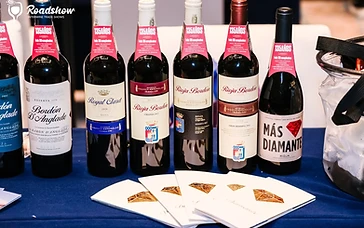
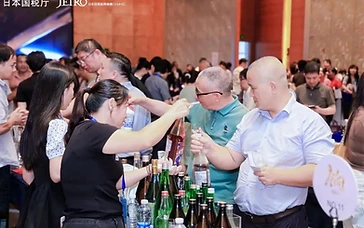
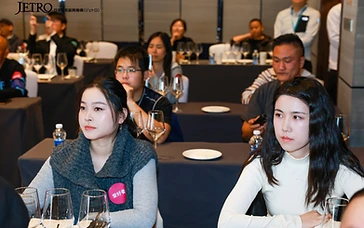
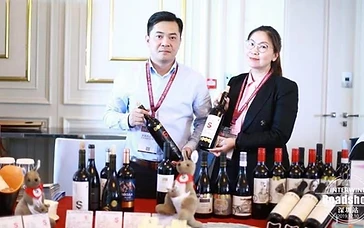
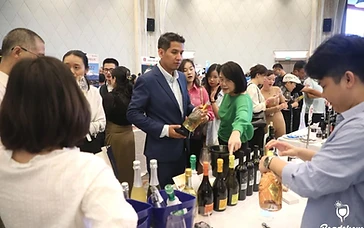
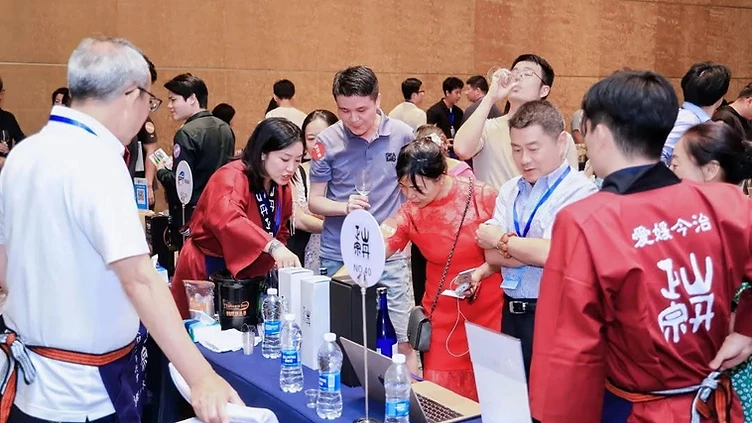
This makes focused trade exhibitions and structured business matching critical for wine brands. Participating as an exhibitor at major Chinese trade events allows international wineries to bypass the digital gatekeepers and present their portfolios directly to verified hotel beverage professionals.
By leveraging curated industry hubs, wine exporters can explore comprehensive Market Insights into evolving regional palate trends, use dedicated Business Matching suites to pre-book private tastings with verified five-star hospitality buyers, and examine current market presence through the Exhibitor Directory.
If your winery aims to secure high-visibility listings across five-star hotels and luxury hospitality groups across Southern China and beyond, join the leading international producers who actively showcase their wines to qualified trade buyers: Become an Exhibitor at INTERWINE.
Summary of Strategic Steps for Wine Exporters
- Differentiate Title Roles: Target the Beverage Director or Head Sommelier for wine curation and tasting approval, while pitching the F&B Director for large-volume banquet and house wine contracts.
- Verify Hotel Procurement Rules: Determine whether the hotel operates under centralized corporate brand procurement mandates or enjoys property-level listing autonomy.
- Secure Compliant Importer Routes: Ensure your wines are backed by an importer capable of providing rapid regional delivery, legal Chinese back-labeling, and standard VAT tax receipts.
- Engage in Person: Cement credibility by meeting hospitality buyers face-to-face during premier trade gatherings and structured tasting sessions across mainland China.
Sources
- Hospitality Net (2026) — Food & Beverage Analysis & Luxury Hotel Operations: https://www.hospitalitynet.org/food-beverage
- Procurement Tactics (2026) — Hotel Procurement: Definition, Process & Frameworks: https://procurementtactics.com/hotel-procurement/
- Sommeliers Choice Awards / Beverage Trade Network (2019) — 14 Secrets of Building Your Wine Business in China: https://sommelierschoiceawards.com/en/blog/insights-1/14-secrets-of-building-your-wine-business-in-china-259.htm
- The Peninsula Shanghai / HSH Group Careers — Director of Food & Beverage Job Specifications: https://careers.hshgroup.com/ThePeninsula/job/Shanghai-Director-of-Food-&-Beverage/1362409566/
Key Takeaways
- —Hospitality F&B in China contributes 25% to 40% of luxury hotel revenue, making beverage procurement highly structured and margin-sensitive.
- —Decision-making is split between creative curators (Beverage Directors/Sommeliers) who approve flavor profile and quality, and commercial managers (F&B Directors/Purchasing Managers) who oversee P&L, supply stability, and VAT compliance.
- —Western email and phone cold-outreach rarely work; mapping buyers requires regional clustering in Tier-1/2 hubs, WeChat-centric communication, and engagement with domestic sommelier networks.
- —Hotels cannot import directly; wine brands must partner with licensed domestic importers that maintain approved vendor status and deliver orders within 24 to 48 hours.
- —Exhibiting at organized B2B trade platforms and attending curated business-matching sessions provides international wine brands with the highest-converting access to verified hotel beverage decision-makers.
Frequently Asked Questions
Can a luxury hotel in China import wine directly from an overseas winery?
Generally, no. Luxury hotels in mainland China purchase wine through licensed domestic importers or distributors. International properties require complete customs clearance (CIQ documentation), compliant Chinese back-labels, and official VAT invoices (fapiao), which requires an established domestic distribution partner.
What is the difference between an F&B Director and a Beverage Director in a Chinese hotel?
The Director of Food & Beverage oversees total departmental P&L, banquet operations, restaurant concepts, and overall commercial margins. A Beverage Director or Director of Wines focuses specifically on beverage list architecture, sommelier training, cellaring, and vendor wine sample evaluations, reporting directly to the F&B Director.
How do hotel beverage directors in China discover new international wine brands?
Beverage directors identify new wines through specialized domestic trade fairs (such as INTERWINE), portfolio tastings hosted by approved importers, sommelier competitions, and curated masterclasses held across major Tier-1 and Tier-2 hospitality markets.
Why is price stability across retail channels critical when pitching to Chinese hotels?
Luxury hotels protect their premium dining margins. If a prospective wine is widely available on e-commerce platforms like Taobao or JD.com at severe discounts, hotel guests will quickly notice the retail markup, leading beverage directors to reject or immediately de-list the label.