Interwine Guide to Pre-show buyer outreach
Maximize your wine expo ROI with the Interwine guide to pre-show buyer outreach. Discover proven timelines, commercial pitch frameworks, and buyer matching strategies.
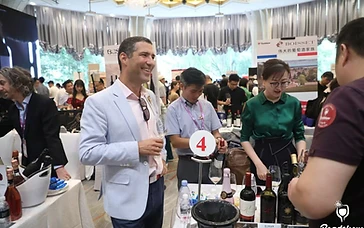
Pre-show buyer outreach is the single most decisive factor separating high-performing wine exhibitors from brands that leave their commercial return to chance. Rather than treating a trade fair as an open-floor walk-up exercise, international wineries, estate producers, and spirits brands must realize that professional Asian wine distributors, HoReCa beverage directors, and supermarket category managers pre-schedule their expo itineraries weeks in advance. According to an analysis on B2B exhibition performance by the Forbes Business Council (2020), advance-scheduled meetings generate significantly higher conversion rates than unvetted walk-up traffic because commercial intent and mutual qualification are established before the booth visit occurs.
For international exporters entering mainland China and the wider Asia-Pacific market, early outreach mitigates the risk of empty tasting tables, misaligned commercial tiers, and costly logistical investments. With over 60% of mainland China's imported wine trade centered across the Guangdong and South China commercial belts (Wikiland Interwine Overview), executing a structured, culturally attuned pre-fair outreach campaign ensures that your booth is consistently booked with licensed importers, regional sub-distributors, and verified procurement heads. Preparing to become an exhibitor requires moving beyond generic badge scanning to establish verified commercial discussions before stepping onto the exhibition floor.
The Strategic Imperative: Why Waiting for Foot Traffic Fails in Modern Wine Trade
Trade exhibitions have evolved from exploratory sourcing trips into targeted verification hubs. In B2B purchasing environments, research highlighted by MIT Sloan Management Review (2022) reveals that personalization and advance qualification have shifted from competitive advantages to standard operational expectations among procurement executives. Today's professional importers arrive at exhibition centers with predetermined vendor shortlists, defined budget allocations, and constrained schedules.
When producers rely entirely on passive aisle traffic, they face three major commercial vulnerabilities:
- Audience Misalignment: Aisle foot traffic consists of a mix of regional distributors, private enthusiasts, non-commercial attendees, and competing brand ambassadors. Without pre-filtering, booth personnel expend premium pouring stock and precious time on unqualified leads.
- Logistical and Pricing Friction: Walking into an on-the-spot conversation without prior discovery prevents you from tailoring your export structure (e.g., Free on Board [FOB] single-port vs. Ex-Works [EXW], consolidated container handling, or duty-paid domestic bonded warehousing).
- Category Fatigue: Major buyers taste dozens of samples daily. If your flagship labels are evaluated at 3:30 PM with zero advance context, your brand risks blending into category white noise.
By executing a disciplined pre-show outreach protocol, your commercial team locks in 10 to 20 dedicated buyer consultations per representative (BestWineImporters Interwine China Profile, 2026), converting your physical footprint into a high-throughput closing venue.
The 10-Week Commercial Outreach Timeline
Structuring an export campaign requires a clear chronological progression. Best practice across professional trade exhibitions dictates initiating discovery at least 6 to 10 weeks prior to the show opening (BestWineImporters Interwine China Profile, 2026). This window provides adequate lead time to navigate time zones, review commercial pricing files, and coordinate sample logistics.
[T-10 to T-8 Weeks: Intelligence & Segmentation]
        │
        ▼
[T-6 to T-4 Weeks: Value-Led Proposition & Outreach]
        │
        ▼
[T-3 to T-2 Weeks: Calendar Booking & Logistics]
        │
        ▼
[T-1 Week to Opening: Confirmation & Briefing]
Phase 1: Weeks 10–8 — Market Intelligence and Buyer List Segmentation
Begin by mapping your portfolio positioning to the target territory. Avoid generic distribution lists; instead, segment prospective buyers by core criteria:
- Channel Specialization: Tier-1 national importers, regional South China wholesalers, specialized boutique distributors, or on-trade (HoReCa) hospitality suppliers.
- Portfolio Gaps: Importers actively carrying Old World portfolios looking for New World value, or distributors lacking your specific grape varietal, organic certification, or price tier.
- Regulatory Feasibility: Ensuring the target importer possesses valid import licenses, customs clearance infrastructure, and bonded warehouse access for customs compliance.
Cross-reference your internal sales CRM with public show resources like the Exhibitor Directory and historical trade databases to identify active commercial operators.
Phase 2: Weeks 6–4 — The Value-Led First Touchpoint
Launch direct outreach via B2B email and corporate messaging networks. Top-performing trade show campaigns rely on multi-channel touchpoints combining targeted digital introductions with concrete business opportunities (Chococraft B2B Outreach Analysis, 2026).
Your initial pitch must not simply read: "Please visit our stand to taste our wine." Instead, deliver a commercially quantifiable proposition:
- Introduce your appellation, brand track record, and specific international production awards or ratings.
- Clearly state the target price segment (e.g., entry-level volume retail, mid-market on-premise, or premium allocation).
- Highlight export readiness, specifying bottle packaging compliance, labeling parameters, and regional stock exclusivity opportunities.
Phase 3: Weeks 3–2 — Structured Calendar Booking and Direct Confirmation
During this window, transition warm replies into fixed 20- to 30-minute tasting appointments. Provide prospects with a digital calendar link alongside your exact booth coordinates and floor hall positioning. To maximize operational efficiency, tap into dedicated organizer facilitation tools such as Business Matching services, which pair foreign producers directly with pre-screened Chinese trade buyers seeking active imports.
Phase 4: Week 1 to Show Opening — Reconfirmation and Logistics Verification
Forty-eight hours before arrival, send a final confirmation via WeChat or mobile messaging. Reiterate:
- Date, exact time slot, and stand location.
- Specific labels and vintage flights prepared for their tasting.
- Names and titles of attending winery principals, export directors, or winemakers.
Crafting High-Conversion Wine Trade Communications
Commercial beverage buyers discard standard marketing prose. A professional procurement manager assesses margin potential, shelf stability, brand narrative, and supply reliability within seconds. Your communication must reflect rigorous commercial readiness.
The B2B Cold Outreach Framework (Email & Direct InMail)
Subject: [Winery Name] / Interwine Guangzhou: [Region] [Varietal] Portfolio for [Target Channel]

Dear [Buyer Name / Title],

I reviewed [Company Name]’s established distribution across [Specific Province / Tier-1 Market] and noted your strong presence in premium [On-Trade / Regional Retail].

We are [Winery Name], an estate producer based in [Appellation, Country]. We are currently seeking an exclusive regional import partner for our [Brand Line/Awarded Vintage], offering:
- Competitive FOB / EXW pricing structures targeting retail price parity of [Target Retail Band].
- Production capacity of [X] cases annually with export-compliant back labeling.
- Direct brand support, including marketing co-op allowances and regional educational masterclasses.

We will be in Guangzhou for Interwine at Stand [Number]. We have reserved a private flight of our [Specific Highlight Wine] specifically for commercial buyers on [Day 1 / Day 2].

Would you have 20 minutes on [Date] at [Time] or [Alternative Time] for a focused commercial tasting?

Best regards,
[Your Name, Title, Winery Name]
[WeChat ID / WhatsApp / Contact Coordinates]
The Direct Messaging Channel: WeChat for China-Focused Outreach
In mainland China, standard corporate email often suffers from low open rates. Direct B2B business development relies heavily on WeChat. When engaging contacts through digital messaging channels:
- Brevity: Keep introductory messages under 150 words.
- Digital Collateral: Supply a two-page, bilingual PDF one-sheet containing portfolio specifications, retail tier positioning, and FOB price indications. Ensure file sizes remain under 5MB to enable seamless in-app opening.
- Identity: Ensure your representative's profile clearly identifies their formal corporate role, winery estate credentials, and business contact information.
Leveraging Organizer Infrastructure to Multiply Results
Independent outreach should not exist in an operational vacuum. High-performing international producers align their private business development efforts directly with official fair mechanisms. Trade fair organizers maintain year-round intelligence networks spanning regional wholesaler associations and hospitality groups.
┌────────────────────────────────────────────────────────┐
│           Integrated Pre-Show Outreach Model           │
└────────────────────────────────────────────────────────┘
                           │
         ┌─────────────────┴─────────────────┐
         ▼                                   ▼
┌───────────────────┐               ┌───────────────────┐
│ Independent B2B   │               │ Official Fair     │
│ Pipeline          │               │ Infrastructure    │
├───────────────────┤               ├───────────────────┤
│ • CRM Database    │               │ • Business        │
│ • LinkedIn/WeChat │   Combined    │   Matching Portals│
│ • Direct Importer │ ────────────► │ • Masterclasses & │
│   Cold Outreach   │               │   Competitions    │
│ • Targeted Email  │               │ • Buyer Roadshows │
└───────────────────┘               └───────────────────┘
                           │
                           ▼
        ┌─────────────────────────────────────┐
        │ Maximize Qualified Stand Meetings   │
        │ & High-Conversion Commercial ROI   │
        └─────────────────────────────────────┘
To amplify your brand footprint before the show opens:
- Pre-Show Masterclasses and On-Site Tasting Summits: Coordinate with the organizer to enroll your labels in specialized trade forums and sensory summits (Wikiland Interwine Overview). Participating in curated tastings scheduled across official Interwine Events elevates brand awareness, drawing high-intent category managers directly to your exhibition stand post-session.
- Targeted Business Matching Sessions: Register your brand characteristics, pricing architecture, and desired distribution channels with official concierges through Business Matching pipelines. Organizers actively curate pre-arranged commercial introductions, positioning producers in front of verified, pre-screened importers.
- Localized Digital Showcases: Ensure your brand portfolio, winery certifications, and distributor seeking-status are uploaded to official online portals weeks before physical setup begins.
Commercial Preparation: What to Have Ready Before the Buyer Arrives
Pre-show outreach loses all commercial momentum if your booth team cannot provide immediate commercial answers. When a prospective buyer arrives at your tasting table, conversations move quickly from sensory evaluation to transaction mechanics. Prior to opening day, prepare a comprehensive commercial dossier containing:
- Structured Commercial Price Lists: Maintain transparent pricing tiers clearly broken down by Incoterms: Ex-Works (EXW) for consolidators and Free on Board (FOB) at major departure ports. For brands with established bonded infrastructure, provide domestic duty-paid (DDP) figures.
- Minimum Order Quantities (MOQs): Specify pallet minimums, mixed-pallet options, and container load (FCL vs. LCL) tolerances (BestWineImporters Interwine China Profile, 2026).
- Logistical & Customs Documentation: Retain digital copies of certificates of origin, laboratory analysis reports, sanitary health clearances, and compliant international back-label artwork.
- Market Protection Frameworks: Clarify regional exclusivity policies. Buyers across South China expect defined geographic territorial boundaries (e.g., sole rights for Guangdong, Fujian, or Eastern China provinces) before committing to substantial opening orders.
Risk Management: Common Outreach Mistakes to Avoid
Navigating pre-show communications in an international export environment presents clear commercial and operational risks. Reviewing your protocol against industry missteps ensures pipeline integrity:
| Outreach Risk | Operational Mistake | Commercial Consequence | Corrective Action | | :--- | :--- | :--- | :--- | | Unqualified Blasts | Mass-emailing untargeted lists with generic greetings. | Low response rates, spam flagging, damaged regional prestige. | Conduct granular pre-qualification by channel and historical import portfolio. | | Missing Commercial Pricing | Presenting wines without defined FOB/EXW pricing or MOQs. | Immediate buyer abandonment; signals lack of export operational readiness. | Establish strict price matrices, carton volumes, and lead times before launching outreach. | | Language Barrier Frictions | Sending outreach strictly in source-market language without localized support. | High miscommunication risk; lower engagement from domestic regional buyers. | Utilize concise, professional bilingual (English/Simplified Chinese) product sheets and on-site interpreters. | | Delayed Follow-Through | Postponing contact capture and follow-ups until post-show week. | Critical drop-off in buyer recall as competing brands secure commitments. | Log contact data daily via CRM systems; execute personalized follow-up within 48 hours (Steel City Displays Exhibitor Guide, 2026). |
Conclusion: Secure Your Commercial Foothold at Interwine
Trade fair commercial success is never left to chance on the exhibition floor. It is methodically built, scheduled, and secured in the 6 to 10 weeks leading up to the opening bell. By pre-qualifying trade prospects, delivering value-centered B2B messaging, and synchronizing private initiatives with organized match-making infrastructure, international wineries transform their exhibition presence into a profitable export conduit.
Position your brand directly in front of leading wine and spirits importers, regional distributors, and key commercial beverage buyers across Asia. Apply today to become an exhibitor and unlock direct access to high-growth import channels.
Sources
- Forbes Business Council (2020). How To Maximize Trade Show Marketing ROI. https://www.forbes.com/sites/forbesbusinesscouncil/2020/01/13/how-to-maximize-trade-show-marketing-roi/
- MIT Sloan Management Review (2022). Why Personalization Is No Longer Optional in B2B. https://sloanreview.mit.edu/article/why-personalization-is-no-longer-optional-in-b2b/
- BestWineImporters (2026). Interwine China 2026 - Event Overview and Exhibitor Planning. https://www.bestwineimporters.com/resources/wine-trade-fairs/interwine-china
- Steel City Displays (2026). The Ultimate Exhibitor Guide: How to Maximize Attendee Engagement. https://www.steelcitydisplays.com/blog/exhibitor-guide-how-to-maximize-attendee-engagement
- Wikiland (Interwine Overview). Interwine China Trade Fair History and Regional Market Significance. https://www.wikiland.org/wiki/Interwine
Key Takeaways
- —Pre-show buyer outreach turns trade fair participation from a passive foot-traffic gamble into a high-conversion commercial venue.
- —B2B beverage buyers book their tasting schedules weeks early; top producers initiate targeted outreach 6 to 10 weeks prior to opening day.
- —Effective outreach messaging focuses on quantifiable business terms: FOB/EXW pricing, MOQs, distribution gaps, and export support rather than generic tasting invitations.
- —Leveraging official fair infrastructure, including curated business matching and organized masterclasses, dramatically amplifies private outreach results.
- —Rapid post-meeting follow-up within 24 to 48 hours is mandatory to maintain sales momentum before competing brands crowd buyer attention.
Frequently Asked Questions
When should an international winery begin pre-show buyer outreach?
Targeted buyer outreach should commence 6 to 10 weeks prior to the exhibition. This timeline provides adequate buffer to segment target importers, introduce your export catalog, establish FOB pricing discussions, and lock down 20- to 30-minute tasting appointments before attendees finalize their show itineraries.
How many pre-scheduled meetings should an exhibitor aim to book?
A realistic and highly productive objective is 10 to 20 pre-booked buyer meetings per sales representative over the course of the event. Prioritizing qualified commercial conversations over high-volume walk-up badge scans results in significantly higher conversion rates to signed distribution agreements.
What commercial information must be prepared before contacting Asian wine importers?
Exhibitors must prepare clear Incoterms pricing (EXW and FOB departure port), minimum order quantities (MOQs), mixed-pallet allowances, technical wine specification sheets, international awards or ratings, and back-label regulatory compliance specifications.
Why is multi-channel outreach more effective than email alone in mainland China?
Email engagement rates among commercial beverage buyers in China are historically lower than direct corporate messaging platforms. Blending formal email introductions with verified WeChat business outreach ensures higher open rates, rapid message confirmation, and seamless transfer of digital product portfolios.
How do business matching services complement independent pre-show outreach?
Official business matching services leverage the trade fair organizer's verified buyer database to connect international producers with pre-screened importers actively seeking specific grape varietals, regions, and price bands, multiplying the results of an exhibitor's private marketing pipeline.